Is this breed part of your cat’s ancestry?
Discover your cat's connection to this breed and 20 others



Discover your cat's connection to this breed and 20 others
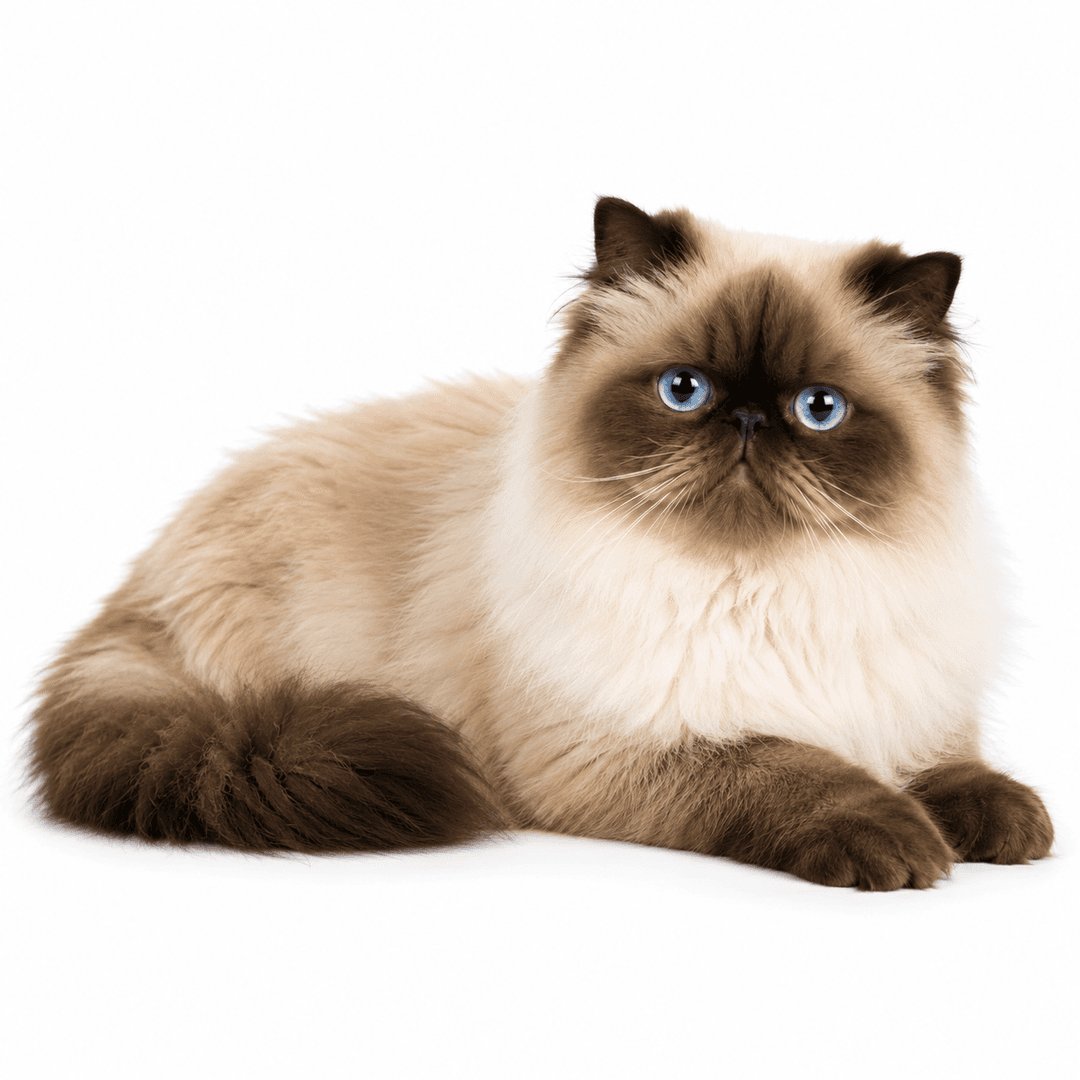
The Himalayan cat is a long-haired colorpoint breed developed from Persian and Siamese cats. The breed combines the Persian’s thick, flowing coat and rounded facial features with the Siamese’s vivid blue eyes and distinctive colorpoint pattern. Himalayan cats are gentle, affectionate, and intelligent companions that are well suited to indoor living. They are usually calm and easygoing, although they can be slightly more playful and curious than Persians. Regular eye cleaning may also be necessary, especially in cats with flatter facial features.
The Himalayan cat was developed by crossing Persian and Siamese cats. Breeders aimed to combine the Persian’s long, luxurious coat, rounded body, and gentle temperament (so this breed is sometimes referred to as Persian Himalayan cat), with the Siamese’s vivid blue eyes and distinctive colorpoint markings. Establishing these traits consistently required years of selective breeding while preserving the Persian’s characteristic appearance.
Early development of the breed began in the 1930s, when breeder Virginia Cobb collaborated with Harvard geneticist Dr. Clyde Keeler. Their experimental breeding program produced Newton’s Debutante, one of the first documented long-haired cats with Siamese-style colorpoint markings and an important milestone in the Himalayan’s history.
The breed gained official recognition in the 1950s and later attracted wider public attention through popular culture, including the Himalayan cat Mr. Jinx in Meet the Parents (2000) and Meet the Fockers (2004). The Cat Fanciers’ Association (CFA) classifies the Himalayan, also called the Himalayan Persian, as a color division of the Persian. The International Cat Association (TICA) classifies the Himalayan as part of the broader Persian Breed Group. In contrast, the American Cat Fanciers Association (ACFA) and several other cat registries recognize the Himalayan as a separate breed. Himalayan cats share the Persian’s general body type and long coat but are distinguished by their blue eyes and pointed coloration.
What does a Himalayan cat look like? The Himalayan cat is a medium-to-large breed with a sturdy, muscular body hidden beneath a long, luxurious coat. Both males and females have a stocky build, a broad chest, and short, sturdy legs that give the breed its distinctive, well-balanced appearance. Despite their thick coat, Himalayans are surprisingly solid and heavier than they may appear.
Himalayan Cat Size
Weighs 7–12 lb (3.2–5.4 kg)
Stands 10–12 in (25–30 cm) tall
The Himalayan has a long, dense, silky double coat that feels exceptionally soft to the touch. A full ruff around the neck, a plumed tail, and feathering on the legs contribute to the breed's elegant appearance.
The breed is best known for its striking colorpoint pattern, featuring a light-colored body with darker "points" on the face, ears, legs, and tail. Himalayan cats also have vivid blue eyes, a defining trait inherited from their Siamese ancestry. Recognized point colors include seal, blue, chocolate, lilac, cream, flame (red), lynx, and tortie.
Several factors, including genetics, sex, nutrition, and activity level, influence a Himalayan cat's adult size. Males are typically larger and heavier than females, while a balanced diet, regular exercise, and proper weight management help maintain the breed's sturdy, muscular build throughout adulthood.
The gentle Himalayan cat temperament makes this breed well suited to indoor living. Himalayan cats tend to thrive in quiet homes with predictable routines, comfortable resting areas, and a clean litter box. Because their dense coat and flat facial structure can make them less tolerant of heat, they should be kept in a cool, climate-controlled environment. They are affectionate with their families and often warm up to visitors once they feel safe and comfortable.
Himalayan cat traits include a moderate activity level and a preference for short, relaxed play sessions rather than constant activity. Interactive toys, feather wands, and puzzle feeders can help keep them physically active and mentally engaged. They are intelligent and can learn simple commands, household routines, and basic behaviors through patient, reward-based training.
Because of their flat face, Himalayan cats may also need regular facial and eye cleaning to remove tear stains and prevent moisture and debris from collecting in the skin folds. Their eyes should be checked routinely for redness, irritation, or unusual discharge.
Brachycephalic Airway Syndrome
Himalayan breed cats are brachycephalic, meaning they have shortened facial bones and a flat facial profile. This anatomy can narrow the nostrils and upper airways, making breathing more difficult. Signs may include noisy breathing, snoring, open-mouth breathing, reduced stamina, and poor heat tolerance. Not every Himalayan cat develops severe airway problems, but maintaining an appropriate body condition, preventing overheating, and arranging regular veterinary care may help reduce the risk of complications. Cats with significant airway obstruction may need surgery to improve airflow.
Eye issues
Himalayan cats may develop several eye problems because of their facial structure and inherited traits. Progressive retinal atrophy is an inherited disorder that gradually damages the retina and may eventually cause blindness. Possible signs include difficulty seeing in dim light, dilated pupils, hesitation in unfamiliar surroundings, and bumping into objects. There is no cure, but affected cats often adapt well when kept indoors in a safe, consistent environment. Responsible breeders can use appropriate genetic and veterinary screening to reduce the risk of passing inherited eye disorders to kittens.
Entropion is another possible concern. It occurs when part of the eyelid rolls inward, causing the eyelashes or facial hair to rub against the surface of the eye. Signs include excessive tearing, squinting, redness, irritation, and pawing at the face. Lubricating or medicated eye treatments may provide temporary relief in mild cases, but surgery is often required when the eyelid position continually damages the eye.
Himalayan cats commonly experience watery eyes, or epiphora. Their shortened facial structure can interfere with normal tear drainage, allowing tears to overflow onto the fur. Tear staining, dampness beneath the eyes, and mild skin irritation may develop. Gently cleaning and drying the area each day can help protect the skin, but persistent, thick, discolored, or worsening discharge should be examined by a veterinarian because excessive tearing can also indicate infection, injury, or another eye disorder.
Polycystic Kidney Disease
The Himalayan cat is at increased risk of Polycystic Kidney Disease (PKD) due to the breed’s Persian ancestry. PKD is an inherited condition in which fluid-filled cysts form inside the kidneys and gradually replace healthy kidney tissue. Some affected cats remain symptom-free for years, while others eventually develop chronic kidney disease. Signs may include increased thirst and urination, reduced appetite, weight loss, vomiting, and lethargy. There is no cure, but veterinary monitoring, an appropriate diet, medication, and fluid support may help manage declining kidney function. DNA testing can identify the common PKD mutation and help breeders avoid producing affected kittens.
Obesity
The Himalayan breed cat may be prone to weight gain because Himalayan cats are generally calm, moderately active indoor companions. Excess weight can place additional strain on the joints, increase the risk of diabetes and other health problems, and make breathing more difficult in cats with narrowed airways. Address your veterinarian for guidance on maintaining an appropriate body condition, managing food portions, and addressing changes in weight. A veterinarian can recommend an appropriate calorie intake based on the cat’s age, size, activity level, and health.
Skin and coat issues
Himalayan cats may develop skin and coat problems because their dense fur can trap moisture, oil, and debris close to the skin. Seborrhea can cause greasy, flaky, or irritated skin, while mats may trap moisture and debris against the body. Long-haired Persian-type cats may also be more susceptible to dermatophytosis, commonly called ringworm, which is a contagious fungal infection rather than a worm. Routine skin checks and prompt veterinary attention may help identify skin problems early. Any areas of hair loss, crusting, redness, persistent itching, or unusual odor should be examined by a veterinarian.
Dental issues
Himalayan cats can develop periodontal disease, crowded teeth, and dental misalignment because their shortened jaws may not provide enough space for the teeth to sit normally. Warning signs include bad breath, inflamed or bleeding gums, drooling, visible tartar, difficulty chewing, and reluctance to eat hard food. Regular tooth brushing with cat-safe toothpaste, veterinary dental examinations, and professional cleanings can help prevent painful disease. Advanced cases may require treatment under anesthesia or extraction of damaged teeth.
Feline Hyperesthesia Syndrome (FHS)
Feline hyperesthesia syndrome is an uncommon and poorly understood condition that can affect cats of any breed. It should not be considered a condition specific to Himalayan cats. Signs may include rippling skin along the back, sudden agitation, excessive grooming, tail chasing, biting at the back or tail, vocalization, and unexplained bursts of activity. Similar behaviors can be caused by skin disease, pain, parasites, anxiety, or neurological problems, so a veterinary examination is necessary before FHS is diagnosed. Treatment depends on the suspected cause and may include reducing stress, modifying the cat’s environment, treating underlying pain or skin disease, and using medication when appropriate.
The Himalayan cat breed benefits from food selected according to its age, health status, and individual needs. Consult your veterinarian for advice on choosing an appropriate diet. Choose a cat food that meets the nutritional standards established by the Association of American Feed Control Officials (AAFCO) for your cat's life stage, whether they are a kitten, adult, or senior. Wet food can also help increase daily water intake, which supports urinary and kidney health.
The amount of food a large Himalayan cat needs depends on their age, weight, activity level, body condition, and overall health. Kittens require more calories to support growth, while adult and senior cats have different nutritional needs. Because Himalayan cats are relatively calm and can be prone to weight gain, portion control is important. Your veterinarian can recommend an appropriate daily feeding amount to help maintain a healthy weight.
Feed measured portions instead of free-feeding to help prevent obesity.
Always provide access to clean, fresh water.
Limit treats and avoid feeding table scraps, which can contribute excess calories and unbalanced nutrition.
Monitor their body weight and body condition regularly, and adjust their food intake as needed in consultation with your veterinarian.
Himalayan cat characteristics include an affectionate, calm, quiet, and gentle nature. Many Himalayan cats form strong bonds with their families and enjoy staying close to the people they trust. They usually do best in peaceful homes with predictable routines and may become stressed by constant noise or sudden changes. Although they are often friendly, some can be reserved around strangers and need time to feel secure.
The Himalayan breed may enjoy sitting on laps, following their owners from room to room, or relaxing nearby while still feeling included. Although the Himalayan cat personality is generally laid-back, these cats still need regular mental and physical stimulation. Interactive toys, scratching posts, and gentle daily play may provide mental and physical stimulation.
Interactive Wand Play: Encourage gentle exercise and satisfy your Himalayan cat's natural hunting instincts with feather wands or similar toys.
Puzzle Feeders: Keep your cat mentally stimulated by using treat-dispensing toys or puzzle feeders during mealtimes.
Gentle Fetch: Toss a soft ball or lightweight toy to encourage short, low-impact games of fetch.
Cat Tree Lounging: Provide a sturdy cat tree with low platforms for safe climbing, scratching, and relaxing.
Toy Rotation: Rotate catnip toys and introduce new enrichment games regularly to keep your cat interested and engaged.
The Himalayan’s thick, dense coat can trap oil, dirt, moisture, and debris close to the skin, so regular grooming and routine skin checks are important. Look for redness, irritation, flaky areas, scabs, unusual odor, or patches of hair loss. These signs may indicate seborrhea, allergies, parasites, or a fungal infection such as ringworm. Prompt veterinary care can help prevent the problem from becoming more severe.
Daily brushing helps prevent mats, tangles, and loose hair buildup in the long haired Himalayan cat. Use a slicker brush to remove loose fur and a wide-toothed comb to work gently through the undercoat and areas that mat easily, such as behind the ears, under the legs, and around the neck. Regular grooming can also reduce shedding and hairball formation. If the coat becomes tightly or extensively matted, a professional groomer or veterinarian should remove the mats safely rather than cutting them out at home.
Daily eye cleaning is an important part of caring for a cat, Himalayan especially, because the breed is prone to excessive tearing and tear stains. Gently wipe around each eye with a clean, soft, damp cloth, using a fresh section for the other eye. Contact a veterinarian if you notice redness, swelling, squinting, cloudiness, or thick, discolored discharge, as these may indicate irritation, injury, or infection.
Check your Himalayan’s ears regularly for excess wax, debris, redness, or an unpleasant odor. Clean only the visible part of the ear with a veterinarian-approved ear cleaner, and never insert cotton swabs or other objects into the ear canal. Frequent head shaking, scratching, swelling, or dark discharge should be evaluated by a veterinarian.
Regular access to scratching posts, pads, and similar surfaces allows cats to naturally shed the outer sheaths of their claws. Routine clipping isn’t necessary, so a trim can be helpful only when claws are overgrown.
Useful scratcher types and materials to consider include:
Tall upright scratchers (a height of roughly 32–36 inches (81–91 cm) gives cats enough room to stretch their bodies fully; sisal fabric generally withstands repeated scratching well)
Cardboard scratching pads (affordable and easy to move, with some designs doubling as lounging spots)
Sloped or triangle-shaped scratchers (provide a mix of scratching angles, making them useful for cats with different scratching habits)
Because of their flat facial structure and shortened jaws, Himalayan cats may be more prone to crowded or misaligned teeth, plaque buildup, and periodontal disease. Brush their teeth regularly with cat-safe toothpaste and a soft pet toothbrush. Veterinarian-approved dental treats, diets, or water additives may provide additional support, but they should not replace brushing and routine veterinary dental examinations.
Living Space: Apartment-friendly
Activity Needs: Low to moderate energy levels
Grooming: One of the most grooming-intensive breeds
Temperament: Sociable, active, intelligent, sweet-tempered, companionable.
Best For: Calm, dedicated individuals or families with older children.
Before buying or adopting a Himalayan cat kitten, consider the time and ongoing expense involved in their care. Their flat facial structure may make regular eye cleaning necessary, and their overall grooming needs require a significant time commitment. You should also budget for high-quality food, grooming supplies, preventive veterinary care, and possible treatment for breed-related health conditions.
Himalayan cats are happiest indoors in calm homes with stable routines. They need regular companionship, gentle interaction, and owners who can dedicate time to their routine care and play. In the United States, adopting a Himalayan cat typically costs $75–$200, while purchasing a kitten from a breeder generally costs $500–$3,000 or more, depending on their pedigree, age, location, and the breeder’s health-testing practices.
How big does a Himalayan cat get?
Himalayan cats are medium-to-large cats that typically weigh 7–12 lb (3.2–5.4 kg) and stand around 10–12 in (25–30 cm) tall. Males are generally larger and heavier than females.
Is a Himalayan cat hypoallergenic?
No. Himalayan, sometimes misspelled as “Himalyan cat,” cats are not considered hypoallergenic. Like all cats, they produce Fel d 1 and other allergenic proteins that are found in saliva, skin secretions, and dander. Their long, heavily shedding coat can also spread allergens around the home.
How long do Himalayan cats live?
The average Himalayan cat lifespan is approximately 9–15 years. Some may live longer with a balanced diet, proper weight management, attentive grooming, and regular veterinary care.
How much do Himalayan cats cost?
Himalayan cats typically cost $500–$3,000 when purchased from a reputable breeder, although kittens with exceptional pedigrees may cost more. Adoption is generally less expensive, with fees often ranging from $75 to $200.
What is the difference between Himalayan cats vs. Persians?
The main difference between Himalayan cats vs. Persians is their coloration. Himalayan cats have vivid blue eyes and a colorpoint coat, with darker fur on the face, ears, legs, and tail. Persians come in a much wider variety of solid, shaded, and patterned coats and may have several different eye colors. Their body type, coat length, grooming needs, and general temperament are otherwise very similar.
Are Himalayan cats high maintenance?
Yes. Himalayan cats are considered high-maintenance because their long coat requires daily brushing, and their flat facial structure may make regular eye and facial cleaning necessary. They also benefit from routine dental care, nail trimming, and regular veterinary checkups.
Recommended by top vets with decades of experience
21 breeds
64 genetic health markers
50 genetic trait markers


Enter your email to receive a sample cat report and preview the breed and health insights inside.