Is this breed part of your cat’s ancestry?
Discover your cat's connection to this breed and 20 others



Discover your cat's connection to this breed and 20 others
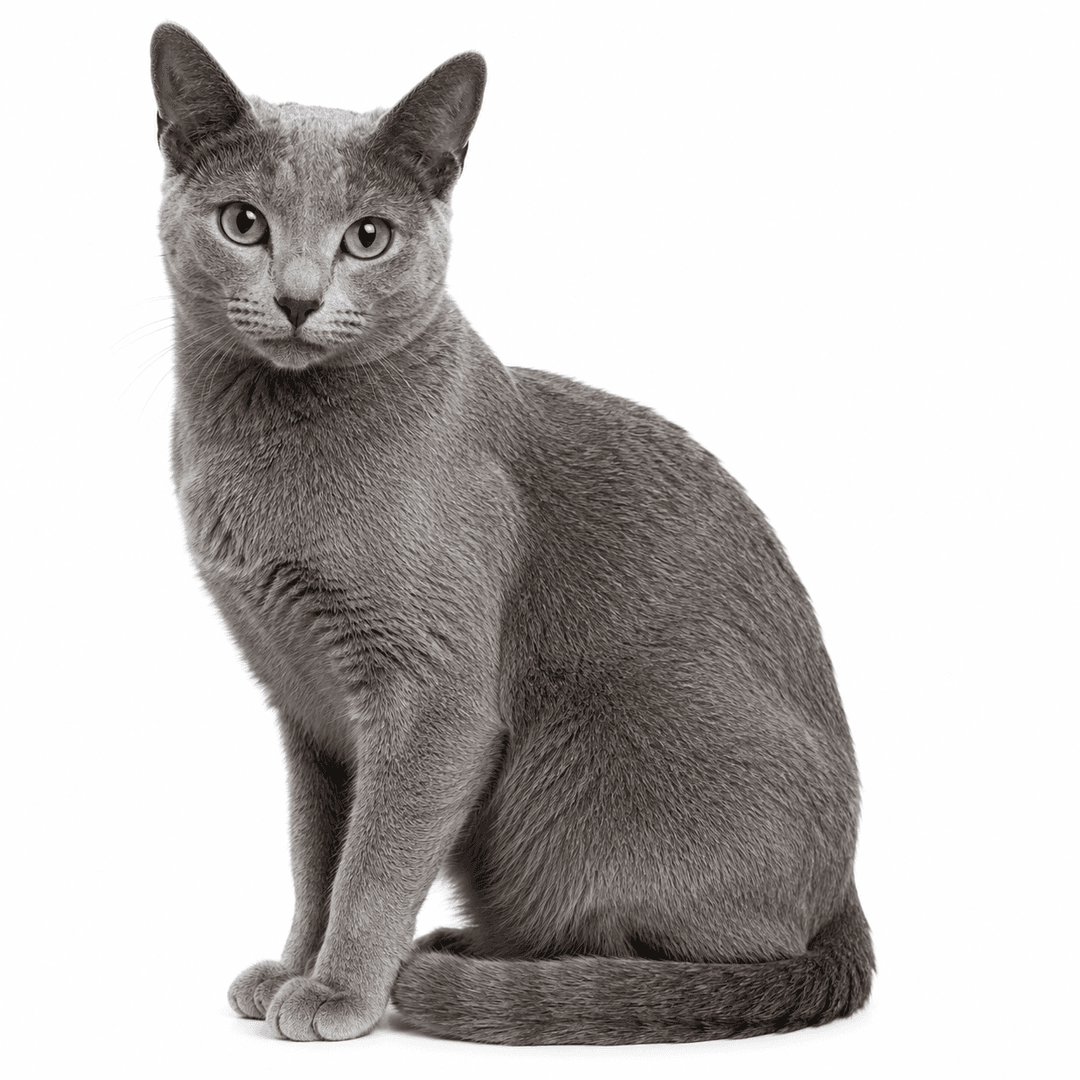
Unlike many cats that simply tolerate human company, the Russian Blue cat is known for forming deep bonds with their favorite people, often quietly following them from room to room like a soft gray shadow. This elegant medium-sized breed is instantly recognizable for their plush silver-tipped blue coat, vivid emerald-green eyes, and graceful appearance. Intelligent, loyal, and affectionate, Russian Blue cats are playful yet gentle companions who enjoy interactive games and thrive on routine. While devoted to their families, they are often reserved around strangers, adding to their calm and dignified charm.
The Russian Blue is believed to have originated in the Archangel Isles of northern Russia, which earned the breed the nickname “Archangel Cat.” Sailors reportedly brought these striking blue cats from the port of Arkhangelsk to Europe in the 1800s, where they later appeared in early English cat shows. The Russian Blue gained recognition as a separate breed class in 1912.
After World War II, breeders carefully rebuilt the population by crossing Russian Blues with blue British Shorthair cats and blue point Siamese cats to preserve the breed’s plush coat and elegant appearance. Today, the Russian Blue is fully recognized by The International Cat Association (TICA).
Russian Blue cats are often considered more allergy-friendly than many other breeds because they tend to produce lower levels of the Fel d 1 protein and usually shed less. However, no cat breed is completely hypoallergenic.
Disclaimer: The term "hypoallergenic" refers to cat breeds that are less likely to trigger allergic reactions, not breeds that are completely allergy-free. These cats may shed less, have hair instead of fur, or produce lower levels of dander—all factors that can reduce, but not eliminate, allergic responses in sensitive individuals.
The Blue Russian cat is a medium-sized, fine-boned breed with a graceful semi-foreign body type that blends elegance with quiet strength. Their lean muscles, long legs, and smooth movements give them an athletic appearance, while their plush double coat adds softness and volume. Despite their refined look, Russian Blues are sturdy cats with a calm and naturally dignified presence.
Russian Blue Cat Size
Weighs 7–15 lbs (3.2–6.8 kg)
Stands 8–10 in (20–25 cm) tall
Males are typically larger and more muscular than females. Genetics plays an important role in determining a cat’s adult size and body structure, while diet and activity levels help maintain healthy muscle tone and weight. Because this breed enjoys food and tends to adapt well to indoor living, portion control and regular play are important for preventing obesity.
Russian Blue traits include one of the most recognizable coats in the cat world. Their coat is short, dense, plush, and double-layered, creating a soft, velvety texture. Unlike many short-haired breeds, the thick fur stands slightly away from the body, giving the coat its famously plush appearance. Each hair is tipped in silver, producing a shimmering effect in natural light.
Blue is the only officially recognized coat color in most cat associations. Shades can range from light silver-blue to a deeper slate blue, but the coat should always have a silvery sheen. Russian Blue kittens may sometimes have faint “ghost stripes” on the tail or body, though these markings usually fade as they mature.
The Russian Blue cat temperament is calm, gentle, and easygoing. These cats usually thrive in quiet, structured homes and tend to feel most comfortable with familiar routines. Although they handle alone time better than some breeds, they still need regular interaction and attention from their families. Russian Blues are often shy around strangers and may need time to build trust with new people.
Highly intelligent and curious, Russian Blues enjoy puzzle toys, climbing spaces, and interactive games like fetch. They can also learn tricks and simple commands when trained with patience, positive reinforcement, and rewards.
Their plush double coat is relatively low-maintenance and typically only requires weekly brushing. Routine dental care, nail trims, and ear checks are also important for overall health. Because this breed can be prone to weight gain, balanced portions and daily playtime help keep them fit and active.
The Russian cat is generally considered a healthy and long-lived breed with relatively few major inherited health concerns. Responsible breeding, genetic screening, proper nutrition, and regular veterinary care all help support the breed’s overall health and reduce the risk of hereditary conditions.
Obesity
Obesity is one of the more common health concerns in Russian Blue cats, especially in indoor cats with low activity levels or overfeeding. Excess weight can increase the risk of diabetes, joint strain, and reduced mobility. Portion control, daily play, and a balanced diet help keep Russian Blues healthy and active.
Periodontal disease
Russian Blue cats can develop periodontal disease when plaque and tartar build up along the gums. Common signs include bad breath, red or swollen gums, drooling, and difficulty eating. Regular tooth brushing, dental treats, and professional veterinary cleanings can help prevent painful infections and tooth loss.
Hypertrophic Cardiomyopathy (HCM)
Hypertrophic cardiomyopathy is a heart condition that causes the heart muscle to thicken, which may lead to lethargy, breathing difficulties, heart murmurs, or, in severe cases, collapse. Genetics may play a role, so responsible breeders often perform heart screenings such as echocardiograms. While there is no cure, medication and regular veterinary monitoring can help manage feline HCM and improve quality of life.
Progressive Retinal Atrophy (PRA)
Progressive retinal atrophy (PRA) is a rare inherited eye disease that can affect cats, including Russian Blue cats, although it is not commonly associated with the breed. PRA causes gradual damage to the retina, leading to night blindness and eventual vision loss. There is no cure, but many affected cats adapt well to indoor living with a stable and supportive environment.
Bladder stones
Russian Blue cats may develop bladder stones or other urinary issues, especially if they do not drink enough water. Symptoms can include straining to urinate, blood in the urine, frequent litter box visits, and discomfort. Treatment may involve special diets, medication, or surgery, while proper hydration and balanced nutrition can help reduce risk.
Urinary Tract Disease
Russian Blue cats can also develop feline lower urinary tract disease (FLUTD), particularly if they are overweight, stressed, or poorly hydrated. Common signs include frequent urination, straining, crying in the litter box, or blood in the urine. Proper hydration, stress management, a healthy diet, and prompt veterinary care can help manage and prevent flare-ups.
Diabetes Mellitus
Although generally healthy, Russian Blue cats may sometimes develop diabetes mellitus, especially if they are overweight or inactive. Increased thirst, frequent urination, weight loss, and a larger appetite are common warning signs. Treatment usually includes insulin therapy, dietary changes, and weight management.
Chronic Kidney Disease (CKD)
As Russian Blue cats age, some may develop chronic kidney disease (CKD), a condition that gradually reduces kidney function over time. Common symptoms include increased thirst, weight loss, poor appetite, vomiting, and frequent urination. Although CKD cannot be cured, early diagnosis, prescription diets, hydration support, and regular veterinary monitoring can help slow progression and improve quality of life.
A Russian Blue cat does best on a high-quality, protein-rich diet that supports lean muscle, healthy weight, and steady energy levels. Choose cat food that meets Association of American Feed Control Officials (AAFCO) nutritional standards and is appropriate for the cat’s age and activity level. Because Russian Blues can be prone to overeating, portion control and scheduled feeding are important for preventing obesity. Fresh water should always be available, and treats should be given in moderation to help maintain a healthy calorie balance.
A Russian Blue cat’s caloric needs can vary depending on life stage, activity level, metabolism, and overall health, with the breed having a tendency to gain weight if portions are not controlled. Because of this, consulting a veterinarian is the most reliable way to determine the appropriate daily feeding amount. A vet can provide tailored guidance to help prevent obesity, support metabolic health, and maintain long-term well-being.
Feed Russian Blue cats on a scheduled meal routine rather than free-feeding to help control portions and reduce the risk of obesity.
Encourage daily exercise through interactive play, climbing spaces, and puzzle toys to support healthy weight management.
Choose balanced, portion-controlled meals that match the cat’s age, lifestyle, and activity level.
Schedule regular veterinary visits to monitor weight, nutrition, and overall health condition.
The Russian Blue personality is often described as gentle, loyal, and intelligent. These cats form strong bonds with their families and usually show affection in quiet, subtle ways, such as following their favorite people from room to room. Russian Blues are generally calm and quiet, though they can become surprisingly vocal with people they trust. Around strangers, they tend to be shy or reserved until they feel safe and comfortable in their environment.
A Russian Blue cat thrives on routine and usually feels most comfortable in a calm environment with predictable schedules and familiar surroundings. Russian Blues are naturally observant and athletic cats that enjoy climbing and resting in high places where they can quietly watch household activity. Although they value close companionship and social interaction with their families, they also appreciate peaceful alone time and often retreat to quiet spaces to relax and recharge.
Fetch Games: Many Russian Blues enjoy chasing and retrieving small toys, which provides both exercise and mental stimulation.
Feather Wand Play: Interactive feather toys encourage jumping, stalking, and chasing behaviors that satisfy natural hunting instincts.
Puzzle Toys: Food puzzles and treat-dispensing toys help keep this intelligent breed mentally engaged and prevent boredom.
Cat Trees: Tall climbing structures allow Russian Blues to climb, stretch, and observe their surroundings from elevated spaces.
Window Perches: Elevated resting spots near windows give these curious cats entertainment and visual stimulation throughout the day.
Interactive Play Sessions: Daily playtime helps burn energy, maintain a healthy weight, and strengthen the bond with their owners.
The Russian Blue generally has low-maintenance skin care needs thanks to their dense, healthy coat. However, owners should still watch for signs of dryness, irritation, hair loss, or excessive scratching, which may indicate allergies, parasites, or other skin conditions. A balanced diet, proper hydration, and regular veterinary care all help support healthy skin and coat condition.
A gentle weekly brushing routine is usually enough to keep a Russian Blue cat’s coat in excellent condition. Regular grooming helps remove loose hair, reduce shedding, and distribute natural oils throughout the coat. Because their plush fur has a smooth texture, it rarely forms mats or tangles.
A Russian Blue cat’s eyes should appear bright and clear without excessive tearing or discharge. Gently wipe away any buildup using a soft, damp cloth, making sure to use a clean area of the cloth for each eye to avoid spreading irritation. Regular eye checks can also help detect redness, swelling, or other signs of discomfort early.
Your Russian Blue’s ears should look clean and free from strong odor, redness, or heavy wax buildup. A soft cloth or cotton ball can be used to gently remove visible debris when needed. Avoid inserting cotton swabs deep into the ear canal, as this can cause irritation or injury.
Cats naturally shed old claw sheaths through scratchers and scratching toys, so it’s important for pet owners to provide them regularly. Nail trimming is only needed when claws become too long, start snagging on fabrics, or cause discomfort during movement or scratching.
Top scratcher picks and materials include:
Vertical posts (32–36 inches / 81–91 cm tall; great for full-body stretching; sisal fabric is more durable than rope)
Corrugated cardboard scratchers (affordable, lightweight, often used as both scratchers and loungers)
Angled/triangle scratchers (a mix of vertical and horizontal surfaces; ideal for different scratching styles)
Good dental hygiene is important for keeping your Russian Blue’s teeth and gums healthy. Regular brushing with cat-safe toothpaste can help reduce plaque buildup and lower the risk of periodontal disease. Routine veterinary dental exams and cleanings are also important for detecting oral health problems early.
Living Space: Apartment-friendly; does best in calm homes with climbing trees or elevated perches.
Activity Needs: Moderate; benefits from daily interactive play and mental stimulation.
Grooming: Low-maintenance coat; weekly brushing is typically sufficient.
Temperament: Russian Blue cat personality is gentle, intelligent, loyal, playful, affectionate, and often reserved around strangers.
Best For: Quiet households, families, singles, seniors, first-time owners, and respectful children.
Potential owners should understand that these Blue cats thrive on companionship, routine, and mental stimulation. Although they are often quieter and more independent than some breeds, Russian Blues still need daily interaction, playtime, and enrichment activities to stay emotionally healthy. Puzzle toys, climbing spaces, and interactive games can help prevent boredom and encourage healthy activity in this intelligent breed.
Adoption fees for Russian Blue cats typically range from $100–$300, while purchasing a kitten from a reputable breeder often costs between $800–$3,000 depending on pedigree, bloodline, breeder reputation, and location. Potential owners should also be prepared for ongoing expenses such as high-quality food, routine veterinary care, and enrichment toys. Fortunately, grooming needs are fairly simple, as weekly brushing and regular hygiene care are usually enough. Keeping Russian Blues indoors also helps protect their health and supports the stable routine they prefer.
How big do Russian blue cats get?
An adult Russian Blue cat typically weighs 7–15 lbs (3.2–6.8 kg) and stands around 8–10 inches (20–25 cm) tall.
Is a Russian Blue hypoallergenic? Do Russian blue cats shed?
Russian Blue cats do shed, but usually less than many other breeds due to their dense double coat. While no cat is completely hypoallergenic, Russian Blues are often considered more allergy-friendly because they may produce lower levels of common allergens.
How long do Russian Blues live?
With proper care, the Russian Blue cat commonly lives 15–20 years.
How much do Russian Blues cost?
Adoption fees for Russian Blue cats are often around $100–$300, while kittens from reputable breeders typically cost between $800–$3,000 depending on pedigree, breeder reputation, and bloodline. A show-quality Russian Blue kitten from champion bloodlines may cost even more.
What is the difference between Russian Blue cats vs. British Blue cats?
Russian Blue cats are lean and elegant with bright green eyes and a silver-tipped coat. In contrast, the British Shorthair Blue cat breed is stockier, with rounder faces, denser coats, and copper or gold eyes.
Are Russian Blues high maintenance?
No, the Russian Blue cat is generally considered a low-maintenance breed with simple grooming needs and moderate exercise requirements.
https://cfa.org/wp-content/uploads/2024/06/russian-blue-full-presentation.pdf
https://www.petmd.com/cat/conditions/mouth/gum-disease-in-cats
https://www.vetspecialists.co.uk/fact-sheets-post/hypertrophic-cardiomyopathy/
https://vcahospitals.com/know-your-pet/progressive-retinal-atrophy-in-the-cat
https://www.petmd.com/cat/conditions/endocrine/c_ct_diabetes_mellitus
https://vcahospitals.com/know-your-pet/kidney-failure-chronic-in-cats
https://www.aafco.org/consumers/understanding-pet-food/ingredient-standards/
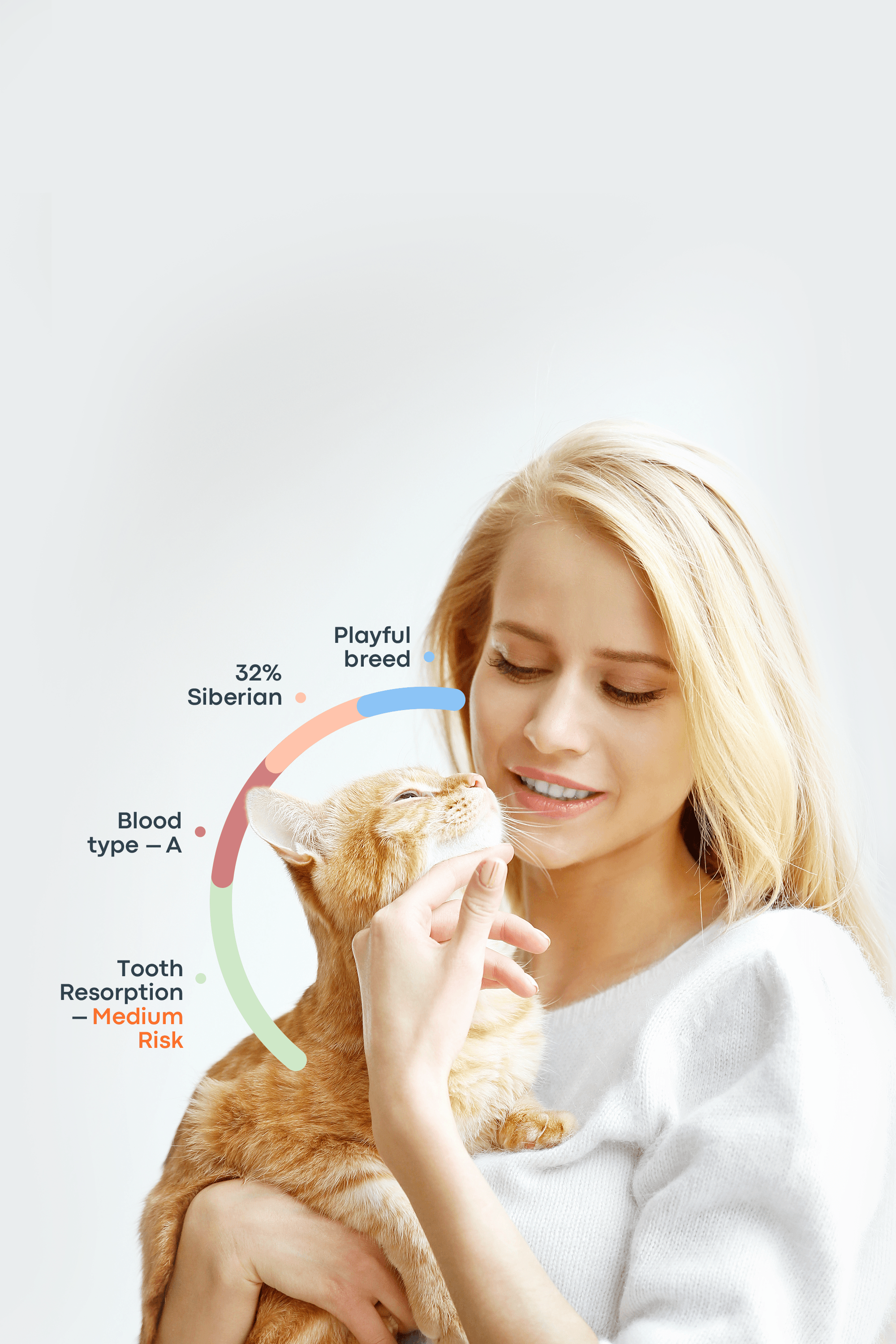
Recommended by top vets with decades of experience
21 breeds
64 genetic health markers
50 genetic trait markers

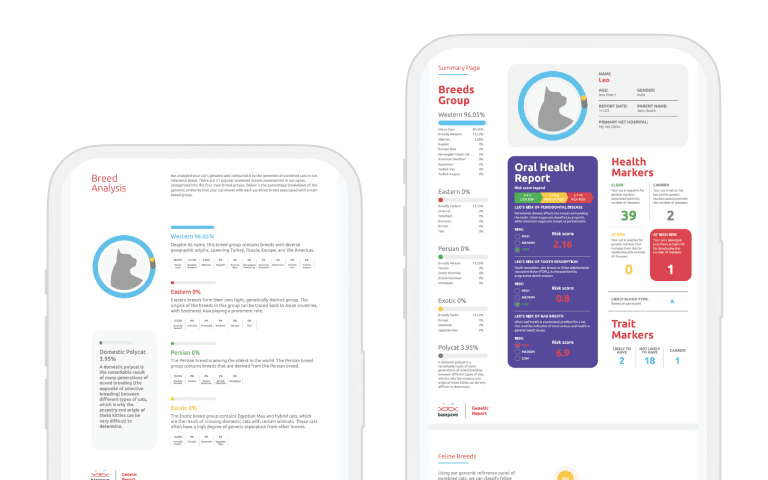
Enter your email to receive a sample cat report and preview the breed and health insights inside.