Is this breed part of your cat’s ancestry?
Discover your cat's connection to this breed and 20 others
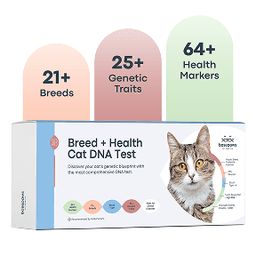

Discover your cat's connection to this breed and 20 others
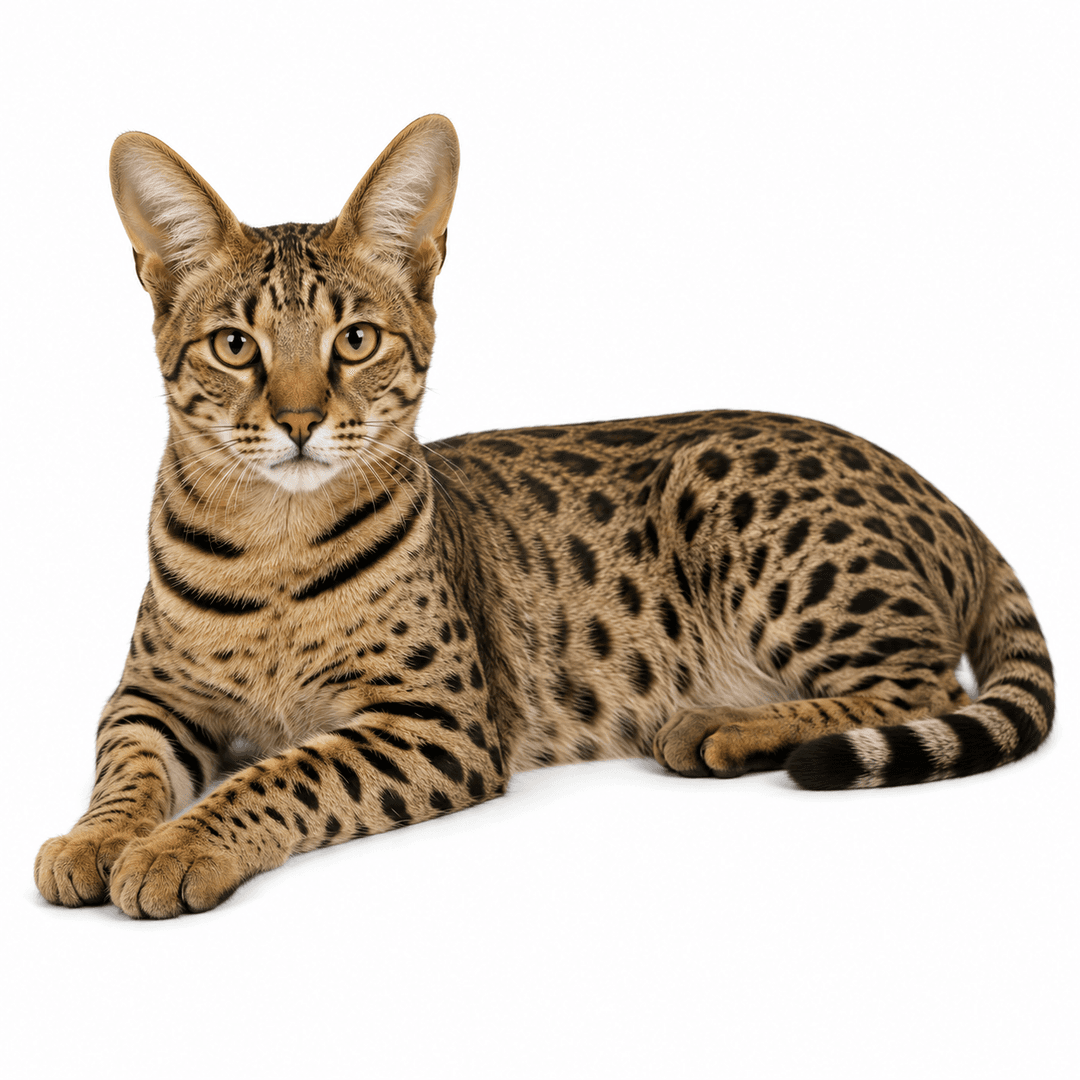
What is a Savannah cat? The Savannah cat is a striking hybrid breed known for their intelligence, athleticism, and wild appearance. Often called a “Savannah cheetah cat” or a “mini Cheetah,” this exotic-looking cat is highly affectionate, loyal, and interactive with their family, which makes them more trainable than many other cat breeds. Savannah cats are known for their sharp minds, curiosity, and high energy levels, so they need plenty of mental stimulation, daily play, and space to climb, run, and explore to stay happy and healthy.
The Savannah cat breed originated from crosses between domestic cats and the African Serval, giving the breed their long legs, bold spotted coat, large ears, and distinctly wild appearance. Despite their exotic look, Savannah cats can form strong bonds with their families and are known for being highly active and intelligent companions. After the breed received recognition from The International Cat Association (TICA) in 2012, breeders could no longer introduce unrelated domestic cats into Savannah breeding programs in order to preserve the breed’s established traits, appearance, and bloodlines.
According to experts from Savannah Cat Association and breeders, hybrid cats like Savannah cats may be considered more allergy-friendly because they can produce lower levels of certain allergy-triggering proteins than some other breeds. However, no cat is truly hypoallergenic, and allergic reactions can still vary significantly from person to person depending on individual sensitivity.
Disclaimer: The term "hypoallergenic" refers to cat breeds that are less likely to trigger allergic reactions, not breeds that are completely allergy-free. These cats may shed less, have hair instead of fur, or produce lower levels of dander—all factors that can reduce, but not eliminate, allergic responses in sensitive individuals.
What does a Savannah cat look like? This Serval hybrid is tall, lean, and powerfully built. Savannah cats are known for their exotic appearance, remarkable athleticism, and wild, cheetah-like features. Despite their wild ancestry, they are graceful and agile cats with long legs, large ears, and a striking spotted coat. Their muscular bodies, alert expressions, and confident posture make them one of the most visually distinctive domestic cat breeds.
Savannah Cat Size
Weighs 12–25 lbs (5.4–11.3 kg)
Stands 14–17 in (35–43 cm) tall
The Savannah cat has a short, dense coat that lies close to the body and feels surprisingly soft despite their rugged appearance. Large, oversized ears sit high on the head, while hooded eyes give the breed an intense and alert expression. Long legs, a lean frame, and bold dark spotting further enhance the Savannah’s exotic look. Some Savannah cats also have tear-stain markings near the eyes, similar to those seen in cheetahs.
Accepted colors include brown spotted tabby, silver spotted tabby, black Savannah cat, and black smoke. Coat patterns should remain bold and clearly visible, especially in show-quality cats. Adult size can vary significantly from one cat to another.
Generation plays a major role, with earlier-generation Savannah cats typically growing much larger than later generations because they are genetically closer to the African Serval. Bloodline, sex, diet, exercise, and daily activity level can also influence overall height, weight, and muscle tone.
In the Savannah cat breed, the “F” generation refers to how many generations a cat is removed from the African Serval. Earlier generations, such as F1 and F2, are typically larger, more active, rarer, and more expensive, while later generations usually display more domestic behaviors and a more moderate size.
F1 Savannah cat: The direct offspring of an African Serval and a domestic cat.
F2 Savannah cat: A second-generation Savannah cat produced by breeding an F1 Savannah with a domestic cat or another Savannah cat.
F3 Savannah cat: A third-generation Savannah cat descended from an F2 Savannah cat.
F4 Savannah cat: A fourth-generation Savannah cat bred primarily from Savannah parents and generally more domesticated in temperament.
F5 Savannah cat: A fifth-generation Savannah cat known for a more stable domestic personality while still maintaining the breed’s exotic appearance.
F6 Savannah cat: A sixth-generation Savannah cat from later-generation Savannah lines. These cats are typically smaller, more adaptable to indoor life, and often described as highly social and dog-like in behavior.
F7 Savannah cat: A seventh-generation Savannah cat that is several generations removed from the Serval. They usually behave much like traditional domestic cats while still retaining the breed’s spotted coat and wild-looking features.
Savannah cat temperament is often described as intelligent, energetic, curious, and highly interactive, which makes these cats exciting companions but also fairly demanding pets. Because of their high activity levels and sharp minds, Savannah cats need daily exercise, regular interaction, and plenty of mental stimulation to prevent boredom and destructive behavior. They usually do best in spacious homes with climbing structures, puzzle toys, and frequent interactive play. Many Savannah cats also enjoy learning tricks, walking on a leash, and spending supervised time outdoors.
Their short coat is relatively low maintenance and typically only requires occasional brushing to remove loose hair and maintain skin health. However, regular nail trimming, ear cleaning, and dental care are still important parts of their routine. Early socialization and positive-reinforcement training can help Savannah cats develop into confident, well-adjusted companions.
The Savannah cat breed is generally considered healthy, but like many purebred and hybrid cats, they can be prone to certain inherited health conditions. These may include hypertrophic cardiomyopathy (HCM), Pyruvate Kinase Deficiency (PKDef), and Progressive Retinal Atrophy (PRA). Prospective owners should always request health screening records and genetic testing information from breeders before bringing home a Savannah kitten. A balanced diet, regular exercise, and maintaining a healthy body weight are also important for supporting the long-term health of this active breed.
Hypertrophic cardiomyopathy (HCM)
Hypertrophic cardiomyopathy (HCM) is a heart condition that causes the heart muscle to thicken, making it harder for the heart to pump blood efficiently in the Savannah cat. Some cats may show symptoms such as lethargy, rapid breathing, weakness, or sudden collapse, while others may not show noticeable signs in the early stages. Routine veterinary exams, cardiac ultrasounds, responsible breeding practices, and medication when necessary can help monitor and manage the condition.
Pyruvate kinase deficiency (PKDef)
Pyruvate kinase deficiency (PKDef) is an inherited blood disorder that can lead to anemia in the Savannah cat. Symptoms may include fatigue, weakness, pale gums, weight loss, and low energy levels. Responsible breeders commonly use genetic screening to identify carriers and help reduce the likelihood of passing the condition to future kittens.
Progressive retinal atrophy (PRA)
Progressive retinal atrophy (PRA) is a genetic eye disease that gradually damages the retina and can eventually lead to blindness. Early signs in the Savannah cat may include difficulty seeing in low light, hesitation in unfamiliar spaces, or bumping into objects. Since there is currently no cure, genetic testing and responsible breeding are the most effective ways to reduce the risk of PRA.
Feline arterial thromboembolism (FATE)
Feline arterial thromboembolism (FATE) is a serious medical emergency in which a blood clot blocks circulation, most commonly affecting the hind legs of the affected cat. This condition is often associated with underlying heart disease, especially hypertrophic cardiomyopathy (HCM). Symptoms may include sudden pain, paralysis, weakness, cold limbs, or difficulty breathing. Immediate veterinary care is critical for treatment and stabilization.
Hyperthyroidism
Hyperthyroidism is a hormonal disorder that commonly affects older Savannah cats, usually around 10–12 years of age or later. It occurs when the thyroid gland becomes overactive and produces excessive thyroid hormones. Common symptoms may include weight loss despite an increased appetite, hyperactivity, vomiting, excessive vocalization, and a rapid heart rate. Treatment options may include medication, prescription diets, radioactive iodine therapy, or surgery depending on the severity of the condition.
The Savannah house cat needs a high-quality, protein-rich diet meeting the nutritional standards established by the Association of American Feed Control Officials (AAFCO). Because Savannah cats are highly active, athletic, and muscular, they often need more calories and protein than less energetic domestic breeds. A balanced diet can help support their muscle tone, energy levels, and overall health.
Some breeders and owners also choose carefully formulated raw diets for the Savannah house cat. However, raw feeding should only be done with veterinary guidance to ensure the diet remains nutritionally complete and safe. Improperly balanced raw food can lead to nutritional deficiencies or increase the risk of foodborne illness for both cats and humans.
A Savannah cat’s caloric needs can vary based on life stage, activity level, metabolism, and overall health, especially when comparing a growing Savannah kitten to an adult cat. Because of this, consulting a veterinarian is the most reliable way to determine the right daily feeding amount. A vet can provide personalized guidance to support healthy weight maintenance, muscle condition, and long-term well-being.
Choose a high-protein diet with quality animal-based ingredients to help support your Savannah cat’s muscle development and high energy levels.
Keep an eye on portion sizes after spaying or neutering, since appetite, metabolism, and activity levels may change over time.
Make sure your cat always has access to fresh, clean water to support healthy hydration.
Use puzzle feeders or interactive feeding toys to provide mental enrichment and help slow down rapid eating habits.
Among the most notable Savannah cat characteristics are their intelligence, curiosity, loyalty, and extremely high energy levels. Many owners compare Savannah cats to working dogs because of their trainability, problem-solving abilities, and interactive personalities. These cats often form strong bonds with their families and commonly follow their favorite people throughout the house. While they are usually affectionate and social, they are not always typical lap cats and often prefer active interaction over sitting still for long periods.
Early socialization plays an important role in shaping a Savannah cat’s temperament. Introducing them to different people, environments, children, and other pets from a young age can help them grow into more confident, adaptable, and well-adjusted companions.
Savannah cat behavior is often described as confident, energetic, and highly curious. Many Savannah cats enjoy climbing tall cat trees, jumping onto high surfaces, exploring cabinets, chirping or vocalizing, walking on a leash, and even playing games like fetch. Their intelligence and activity levels mean they constantly seek stimulation and interaction.
Without enough exercise, enrichment, and attention, a Savannah cat can become bored, which may lead to destructive or mischievous behaviors. Even in adulthood, many Savannah cats retain their playful, adventurous personalities and kitten-like energy levels.
Leash Walks and Harness Training: The Savannah cat personality is highly adventurous and active, so many Savannahs enjoy supervised outdoor walks when introduced to harness training at a young age.
Climbing Towers and Cat Shelves: Tall cat trees, wall shelves, and sturdy perches help satisfy their strong instinct to climb, jump, and observe their surroundings from above.
Puzzle Toys and Interactive Games: Treat puzzles, food-dispensing toys, and fetch games help keep these intelligent cats mentally stimulated and prevent boredom.
Water Play: Unlike many cat breeds, Savannah cats are often fascinated by water and may enjoy splashing in sinks, pawing at fountains, or playing with running water.
The Savannah cat generally has fairly low-maintenance skin care needs, but regular skin checks can help spot dryness, irritation, or minor injuries early. Because Savannah cats are highly active and curious, they may occasionally get small scratches or abrasions while climbing and exploring. Consistent flea, tick, and parasite prevention recommended by a veterinarian is also important for maintaining healthy skin and coat condition.
The Savannah cat has a short, sleek coat that is relatively easy to maintain. Weekly brushing with a soft brush or grooming mitt is usually enough to remove loose hair and keep the coat smooth and glossy. During seasonal shedding periods, more frequent brushing may help reduce shedding around the home. Regular grooming also helps distribute natural skin oils and supports overall coat health.
Routine grooming sessions are a good opportunity to check the Savannah cat’s eyes for redness, irritation, excessive tearing, or discharge. Mild tear staining can sometimes be part of the breed’s natural appearance and is not always a sign of a health problem. However, persistent discharge, swelling, squinting, or signs of discomfort should be examined by a veterinarian.
Regular ear checks help keep the Savannah cat’s large ears clean and healthy by catching wax buildup or debris early. Owners can gently clean the outer ear with veterinarian-approved ear-cleaning products when needed. Avoid inserting cotton swabs deep into the ear canal, as they may cause irritation or injury.
Cats naturally shed old claw sheaths through scratchers and scratching toys, so it’s important for pet owners to provide them regularly. Nail trimming is only needed when claws become too long, start snagging on fabrics, or cause discomfort during movement or scratching.
Top scratcher picks and materials include:
Vertical posts (32–36 inches / 81–91 cm tall; great for full-body stretching; sisal fabric is more durable than rope)
Angled/triangle scratchers (a mix of vertical and horizontal surfaces; ideal for different scratching styles)
Corrugated cardboard scratchers (affordable, lightweight, often used as both scratchers and loungers)
Routine tooth brushing with veterinarian-approved cat toothpaste can help keep your Savannah cat’s teeth and gums healthy. Dental treats, water additives, and dental-support diets may also help reduce plaque and tartar buildup between professional cleanings. Consistent dental care can lower the risk of periodontal disease, gum inflammation, tooth loss, and bad breath over time.
Living Space: Thrives in spacious homes with plenty of vertical climbing areas, enrichment activities, and room to explore.
Activity Needs: Highly energetic, athletic, and playful, with a strong need for daily exercise and mental stimulation.
Grooming: Features a relatively low-maintenance coat that usually only requires weekly brushing.
Temperament: Known for being intelligent, curious, loyal, social, confident, and strongly bonded to their family.
Best For: Typically best suited for experienced cat owners and active households that can provide plenty of interaction and enrichment.
Owning a Savannah cat requires a major daily time commitment. These highly intelligent and energetic cats need frequent interaction, mental stimulation, and active play to remain happy and well-adjusted. Savannah cats often struggle in low-stimulation environments and usually do best in active households that can provide plenty of enrichment, attention, and space to explore. Some Savannahs may also enjoy living with compatible companion pets for additional social interaction.
Potential owners should also be prepared for higher expenses compared to many traditional domestic cat breeds. Adoption fees for a Savannah cat may range from several hundred to over a thousand dollars, while purchasing a kitten from a reputable breeder can often cost anywhere from $1,500 to well over $25,000 depending on generation, bloodline, and breeder reputation. Additional costs may include premium high-protein diets, large cat trees, climbing structures, enrichment toys, routine veterinary care, pet insurance, and secure outdoor enclosures or cat-proofed spaces. Some states and countries also have ownership restrictions or permit requirements for certain Savannah generations. Because of their athletic ability, curiosity, and strong hunting instincts, Savannah cats are generally safest when kept indoors or allowed outside only in secure, supervised environments.
How big does a Savannah cat get?
The Savannah cat is one of the tallest domestic cat breeds and can weigh between 12–25 lbs (5.4–11.3 kg), depending on generation, sex, genetics, and overall build. Many Savannah cats stand around 13–17 inches (33–43 cm) tall at the shoulder.
Is a Savannah cat hypoallergenic?
The Savannah cat is often described as more allergy-friendly than some other breeds because they may produce lower levels of certain allergens. However, no cat breed is completely hypoallergenic, and allergic reactions can vary from person to person.
Do Savannah cats shed?
Yes, Savannah cats do shed, although shedding is usually moderate because of their short, close-fitting coat. Regular brushing can help remove loose hair and keep the coat healthy.
How long do Savannah cats live?
The Savannah cat generally has a lifespan of around 12–20 years when provided with proper nutrition, routine veterinary care, regular exercise, and a safe indoor lifestyle.
How much do Savannah cats cost?
In the United States, Savannah cat adoption fees may range from several hundred dollars to over $1,000 depending on the cat’s age and availability. Purchasing a Savannah kitten from a reputable breeder typically costs between $1,500 and $25,000 or more, depending on generation, rarity, bloodline, and breeder reputation. Early-generation Savannah cats, especially F1 and F2 cats, are usually the most expensive.
What is the difference between Savannah cats vs. African servals?
The Savannah cat is a domesticated hybrid breed developed by crossing domestic cats with the African Serval, while the African Serval is a wild cat species native to Africa. Savannah cats retain some physical and behavioral traits of the Serval but are bred to live as companion animals.
Are Savannah cats high maintenance?
Yes, the Savannah cat is generally considered a high-maintenance breed because of their high energy levels, intelligence, enrichment needs, and strong need for daily interaction, exercise, and mental stimulation.
https://www.webmd.com/pets/cats/what-to-know-about-savannah-cat
https://tierarzt-karlsruhe-durlach.de/en/pyruvate-kinase-deficiency-in-cats/
https://www.petmd.com/cat/conditions/eyes/progressive-retinal-atrophy-pra-cats
https://todaysveterinarypractice.com/cardiology/feline-arterial-thromboembolism/
https://tillmanscornervet.com/client-resources/breed-info/savannah/
https://www.aafco.org/consumers/understanding-pet-food/ingredient-standards/
https://savannahcatassociation.org/states-that-allow-savannah-cats/
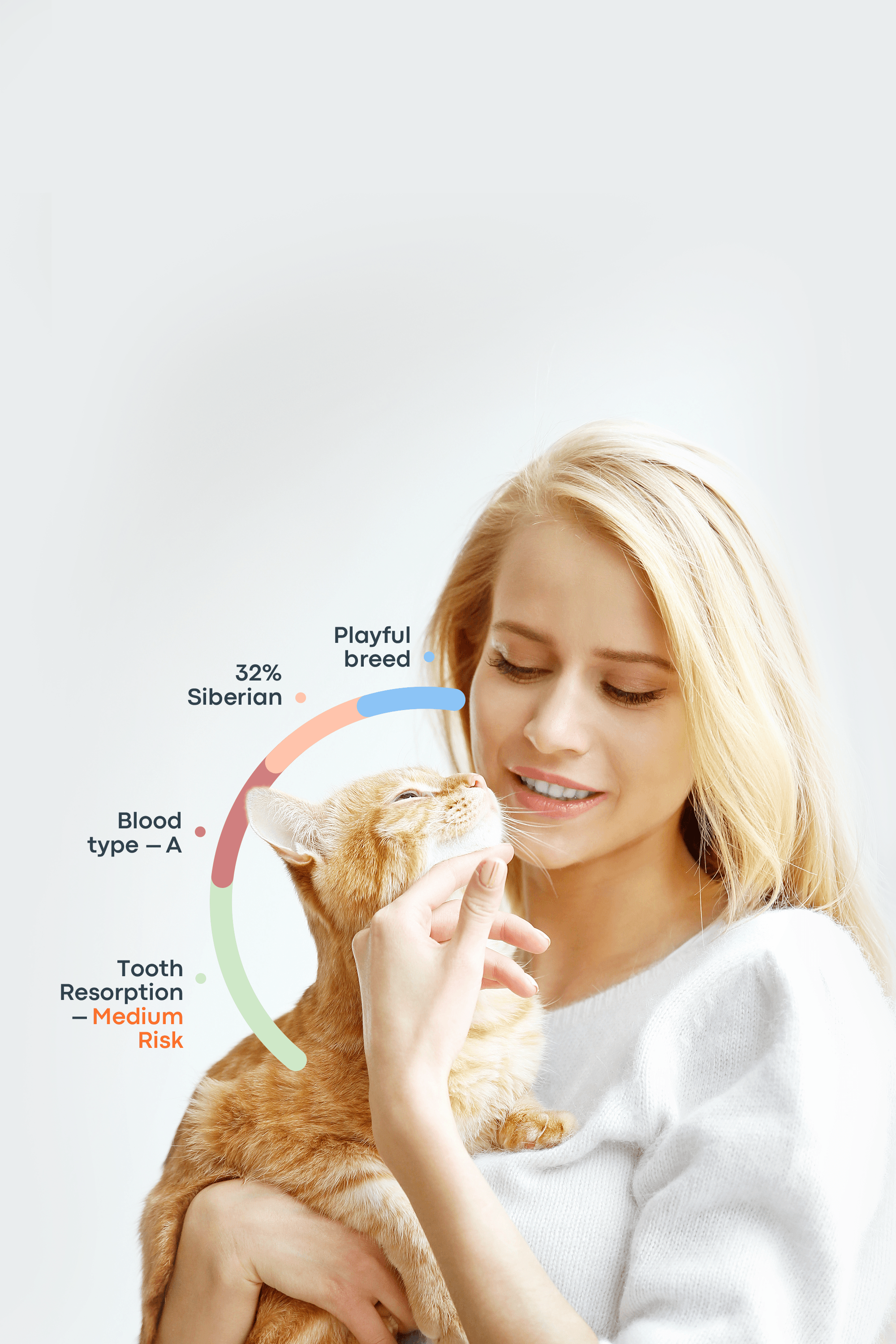
Recommended by top vets with decades of experience
21 breeds
64 genetic health markers
50 genetic trait markers

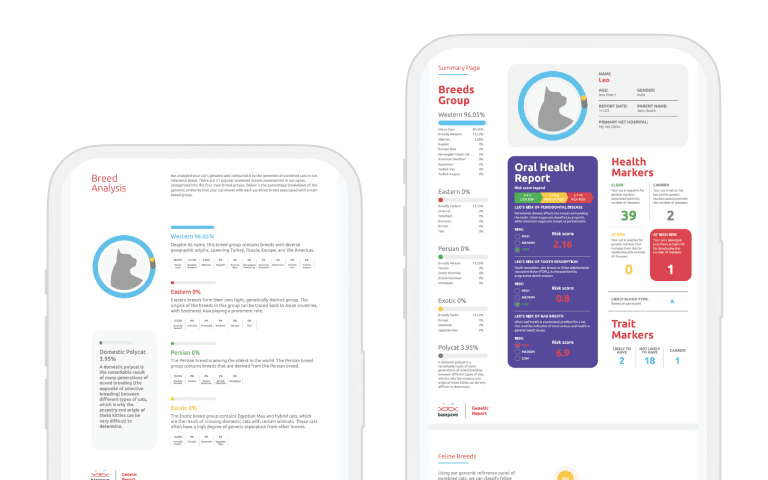
Enter your email to receive a sample cat report and preview the breed and health insights inside.