Is this breed part of your cat’s ancestry?
Discover your cat's connection to this breed and 20 others



Discover your cat's connection to this breed and 20 others
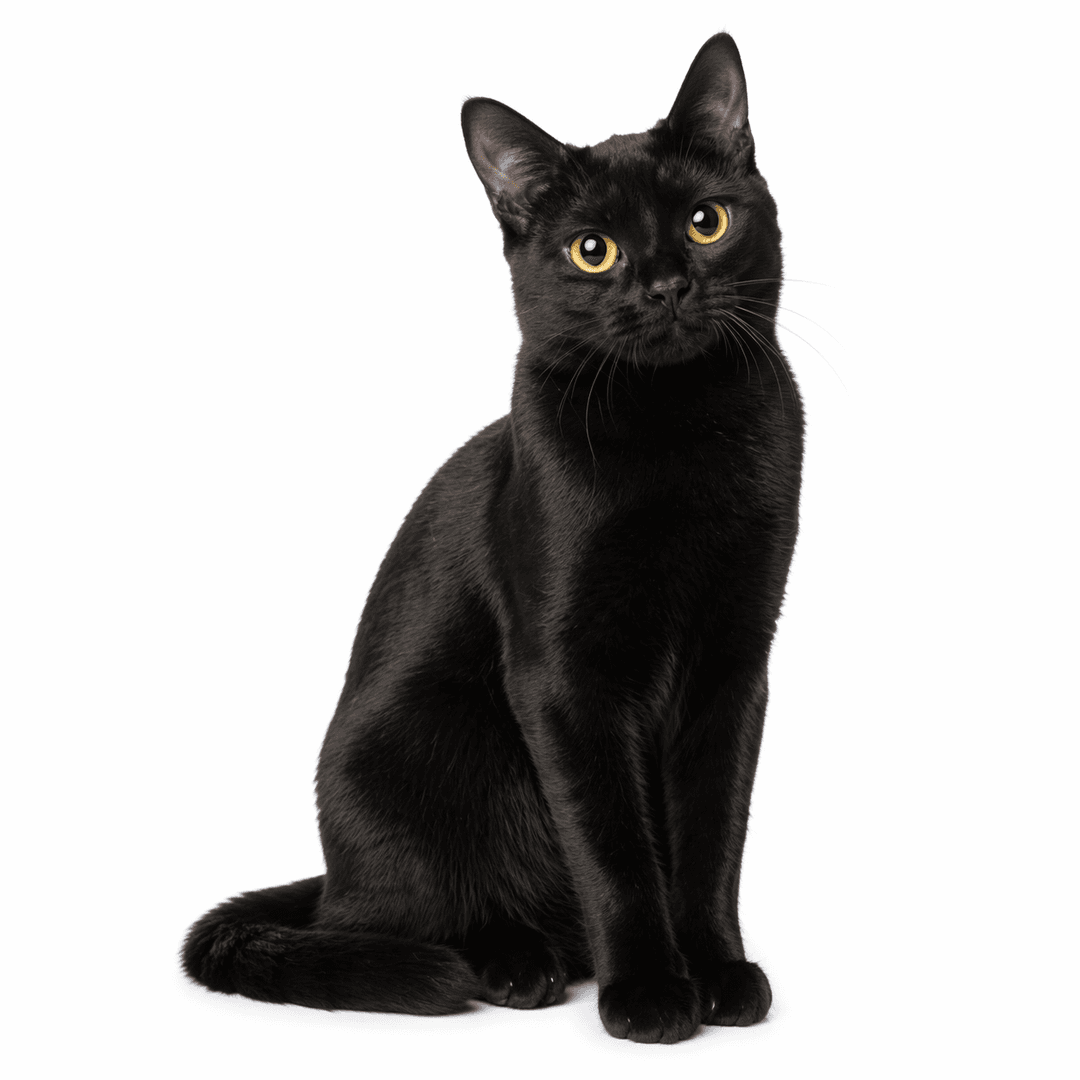
Sleek, striking, and hard to miss, the Bombay cat breed is often called a mini-panther thanks to its jet-black coat, muscular body, and glowing copper or gold eyes. Despite their wild look, these cats are affectionate, playful, and love staying close to their people, often following them from room to room. Bombay cats are a unique mix of beauty and warmth. They form strong bonds and prefer not to be left alone for long. Their short coat is low-maintenance and easy to care for. If you want a cat that looks exotic but acts like a devoted companion, the Bombay cat is a great choice.
The Bombay cat is a modern, man-made breed developed in the United States during the 1950s and 1960s. Breeder Nikki Horner of Louisville, Kentucky, aimed to create a domestic cat that resembled a small black panther while keeping a gentle, affectionate temperament. To achieve this, she crossed the Burmese cat with a black American Shorthair.
The result was the Bombay cat breed: a sleek black cat with a glossy coat, rounded features, and bright copper eyes. Over time, the breed gained recognition from major registries, including The International Cat Association (TICA), where the Bombay cat is officially recognized.
The Bombay breed has a muscular, compact build with rounded features, a sleek, glossy coat, and surprising heft for their size due to strong bone and muscle density. They look elegant yet powerful, moving smoothly with a bright, expressive gaze.
Bombay Cat Size
Weighs 6–12 lbs (2.7–5.4 kg)
Stands 8–10 in (20.3–25.4 cm) tall
Diet and activity levels strongly influence Bombay cats’ size, as their stocky, muscular build can make them prone to weight gain if overfed or under-exercised.
The Bombay cat has a short, tight-fitting coat that lies close to the body and feels smooth to the touch. It is famously glossy, often compared to black patent leather because of its rich shine and sleek finish.
Bombay cats are known for their striking simplicity: the only accepted coat color is solid black, ideally rich and glossy from nose to tail. Their eyes range from warm gold to deep copper, creating a bold contrast against the dark coat. Combined with their smooth, panther-like walk and sleek appearance, the Bombay black cat has a distinctly exotic charm.
The Bombay cat is not a mixed breed in the traditional sense. Today, most Bombay cats are many generations removed from the original crossbreeding, making them a stable, recognized purebred.
Caring for a black Bombay cat is usually straightforward, but they do best in homes where they receive plenty of attention and companionship. These affectionate cats dislike being left alone for long hours and often want to be involved in daily family life. They are intelligent and curious, which makes training easier with praise, treats, and gentle positive reinforcement.
Many Bombays quickly learn routines, simple tricks, and good household manners. Their short, sleek coat is low-maintenance and only needs occasional brushing to remove loose hair and maintain its shine. Routine care, including nail trims, ear checks, dental hygiene, and regular vet visits, remains essential. Daily playtime and mental stimulation also help keep this active breed happy and healthy.
Bombay cats are generally a hardy and healthy breed, especially when responsibly bred and well cared for. However, like all cats, they can be prone to certain conditions, including obesity, dental disease, and occasional heart or respiratory issues.
Hypertrophic Cardiomyopathy
Hypertrophic Cardiomyopathy (HCM) is a heart condition that causes the heart muscle to thicken, reducing its ability to pump effectively. It can occur in Bombay cats, although the breed is not considered high risk. Signs may include rapid breathing, weakness, poor appetite, collapse, or back-leg pain due to blood clots. While it cannot be fully prevented, responsible breeding and regular veterinary checkups may help with early detection. Treatment typically involves medication and ongoing monitoring.
Epiphora (Eye Discharge)
Epiphora refers to excessive tearing or watery eyes that can leave visible stains on the face. Some Bombay cats may experience this, though it is not a major breed concern. Signs include damp fur under the eyes, staining, squinting, redness, or face rubbing. Causes may include irritation, allergies, blocked tear ducts, or infections. Gentle cleaning and early veterinary care can help manage symptoms and prevent complications.
Dental Disease and Gingivitis
Dental disease and gingivitis are common in many cats, including Bombay cats. These conditions involve plaque buildup, gum inflammation, and potential tooth damage. Signs include bad breath, red or swollen gums, drooling, difficulty eating, and pawing at the mouth. Prevention focuses on regular dental care, such as brushing, dental diets or treats, and routine veterinary cleanings.
Obesity
Obesity can affect Bombay cats, especially with overfeeding, low activity, or indoor lifestyles. Signs include loss of a defined waist, reduced mobility, low energy, and visible fat deposits. Excess weight increases the risk of other health issues like diabetes and joint strain. Prevention includes portion control, regular play, and routine weight monitoring.
Diabetes Mellitus
Diabetes Mellitus in cats is often linked to obesity, poor diet, age, or inactivity. Symptoms may include increased thirst, frequent urination, and unexplained weight loss. Managing a healthy weight through proper nutrition and exercise can reduce risk. Treatment may involve insulin therapy, dietary adjustments, and ongoing veterinary care.
Upper Respiratory Issues
Upper respiratory infections can affect Bombay cats, as they do all cats, and are often caused by viruses, bacteria, or stress. Common signs include sneezing, nasal discharge, watery eyes, congestion, fever, and reduced appetite. Treatment usually includes supportive care and veterinary-prescribed medications. Prevention involves vaccination, maintaining a low-stress environment, and limiting exposure to infected animals.
Bombay cats do well on high-quality, complete, and balanced cat food that meets the standards set by the Association of American Feed Control Officials (AAFCO). A mix of wet and dry food can be beneficial, as wet food supports hydration and overall urinary and kidney health, while dry food can provide some chewing benefits.
Because these cats are muscular and active, they tend to do best on protein-rich diets with real animal protein listed as a main ingredient. Portion sizes should be based on age, weight, and activity level to help maintain a healthy body condition and prevent overeating.
Caloric needs in a Bombay cat can vary depending on life stage, activity level, metabolism, and overall health, with some individuals being prone to weight gain if overfed. Because of this, it is best to consult a veterinarian to determine the appropriate daily feeding amount. A vet can provide personalized guidance to help maintain a healthy weight and support long-term well-being.
Prioritize high-quality animal protein as the main ingredient.
Measure portions carefully to prevent overfeeding.
Avoid constant free-feeding; stick to set meals.
Provide fresh, clean water at all times.
Limit treats and avoid human food.
Monitor body condition and weight regularly.
Bombay cat personality can be described as affectionate and highly social. They enjoy being the center of attention and form strong bonds with their people, often wanting to be involved in everyday family life. This adaptable breed adjusts well to different homes and routines. They are playful and energetic when young, and typically become calmer and more relaxed with age.
Bombay cat characteristics include following their owners from room to room, enjoying lap time, and using soft vocal sounds to communicate. They typically dislike being left alone for long periods and prefer consistent company. This friendly breed often gets along well with respectful children and other pets when introduced properly. Bombay cats are also naturally curious and enjoy exploring and inspecting their surroundings.
There are many ways to enrich the life of an indoor Bombay cat, but preferences can vary. Keeping them active and mentally engaged is key.
Interactive toys – Encourage chasing, pouncing, and problem-solving.
Puzzle feeders – Turn mealtime into a mental challenge and slow eating.
Wand games – Mimic prey movement to stimulate natural hunting instincts.
Climbing trees and shelves – Provide exercise and vertical exploration.
Window perches – Offer a safe spot to watch outdoor activity.
Fetch – Some Bombays enjoy retrieving small toys like dogs.
Chasing games – Let them run after soft toys to burn energy.
Trick training – Teach simple commands to keep their mind engaged.
Leash walking – Provide safe outdoor stimulation for curious cats.
A Bombay cat’s skin should be checked regularly for dryness, flakes, redness, or irritation. Occasional bathing may be helpful if their coat becomes greasy or dirty. Always use a gentle, cat-safe shampoo to avoid skin irritation.
The Bombay cat breed has a short, sleek coat that is low-maintenance and easy to care for. Weekly brushing with a rubber brush helps remove loose hair and maintain its natural shine. This simple routine also supports healthy skin and reduces shedding.
Bombay kittens may develop mild tear staining, especially in early life. Gently clean the area around the eyes to prevent buildup and staining. Check regularly for discharge, redness, or signs of irritation.
Routine ear checks help keep your cat’s ears clean and healthy. Clean gently when needed using a vet-approved solution. Watch for wax buildup, dirt, or debris to prevent potential issues.
Trim your cat’s nails if you hear clicking on the floor, see hooked or visible claws, or notice snagging and more accidental scratches. To check, gently press the Bombay cat paws: if the tip looks sharp like a needle, it’s time. Only trim the very tip, avoiding the pink quick. Provide scratching posts or pads to support natural nail wear and healthy scratching behavior. Check paws for debris or minor injuries, especially in active cats.
Regular dental care is important to keep your cat’s teeth and gums healthy. Brushing several times a week with cat-safe toothpaste helps reduce plaque and tartar buildup. Dental treats and routine vet checkups can provide additional support.
Living Space: Highly adaptable; well-suited to apartment living
Activity Needs: Moderate to high – about 20–60 minutes of daily play
Grooming: Low-maintenance; minimal grooming required
Temperament: Extroverted, friendly, alert, people-oriented, playful, affectionate
Best For: Suitable for individuals and families; a great option for first-time owners
Many people admire Bombay cat traits such as loyalty, curiosity, and playful energy. Potential owners should also know that these cats are true “velcro cats” who love staying close to their people and do not handle long periods of isolation well. They need daily time for affection, play, and interaction to prevent boredom and unhappiness. Grooming is simple due to the short coat, but routine care like dental hygiene, nail trims, and regular vet visits remains important.
Owners should also be financially prepared for quality food, healthcare, and enrichment items like toys or climbing spaces. Adoption is often the more affordable option, typically costing around $50–$200 through shelters or rescues. If buying from a breeder, a Bombay kitten usually costs about $500–$2,000. Keeping a Bombay kitten indoors is generally safest and supports a longer, healthier life. This breed thrives in attentive, engaged households where they feel included.
How big does a Bombay cat get?
A Bombay cat is a medium-sized breed, typically weighing 6–12 pounds (2.7–5.4 kg) with a compact, muscular build.
Is a Bombay cat hypoallergenic?
No, Bombay cats are not truly hypoallergenic. Their short coat may shed less than some breeds, but they still produce allergens that can affect sensitive individuals.
How long do Bombay cats live?
With proper care, Bombay cats generally live 12–16 years, and some may live even longer.
How much do Bombay cats cost?
A Bombay cat from a reputable breeder usually costs $500–$2,000 USD. Adoption is typically more affordable, often ranging from $50 to $200.
What is the difference between Bombay cats vs. Burmese cats?
Bombay cats are a solid black breed developed from Burmese cats and American Shorthairs, while Burmese cats come in a variety of colors. Bombays have a sleek, panther-like appearance, whereas Burmese tend to have rounder faces and a more compact, stocky build.
Are Bombay cats high maintenance?
Bombay cats are low-maintenance in terms of grooming, but they require plenty of attention, playtime, and companionship to stay content.
https://www.petmd.com/cat/conditions/cardiovascular/feline-hypertrophic-cardiomyopathy-hcm-cats
https://vcahospitals.com/know-your-pet/eye-discharge-or-epiphora-in-cats
https://www.msdvetmanual.com/endocrine-system/the-pancreas/diabetes-mellitus-in-dogs-and-cats
https://www.aafco.org/consumers/understanding-pet-food/ingredient-standards/
Recommended by top vets with decades of experience
21 breeds
64 genetic health markers
50 genetic trait markers


Enter your email to receive a sample cat report and preview the breed and health insights inside.