Is this breed part of your cat’s ancestry?
Discover your cat's connection to this breed and 20 others



Discover your cat's connection to this breed and 20 others
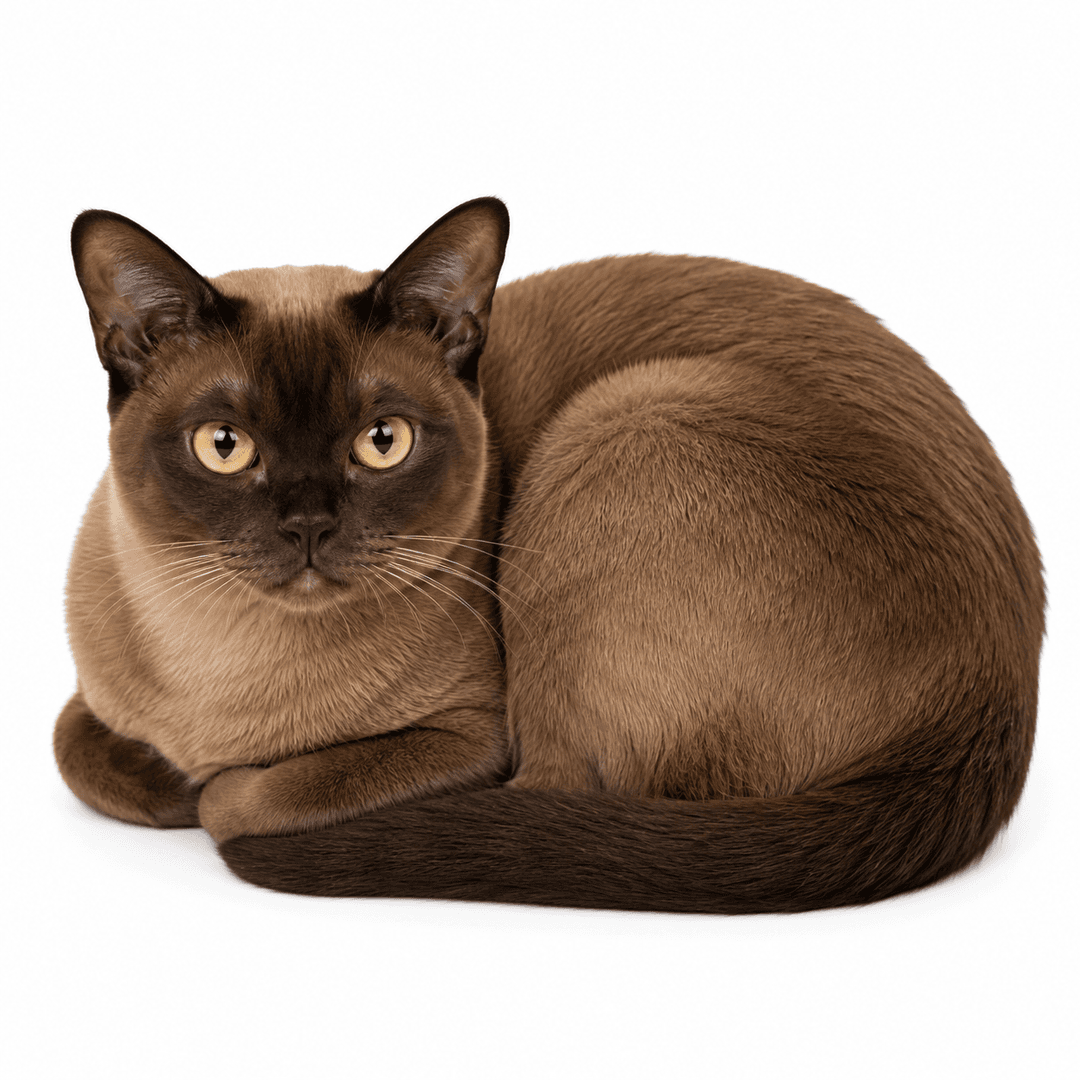
Burmese cats are among the most distinctive and captivating cat breeds in the world. Known for their elegant appearance and confident, affectionate nature, they have long been admired by cat lovers. What truly sets them apart, however, is their strong devotion to their families, playful spirit, and highly people-oriented personality. Affectionate, intelligent, and remarkably social, Burmese cats thrive on companionship and often form deep bonds with their humans. Many enjoy following their family members from room to room, joining daily activities, and seeking regular attention. Their striking gold or yellow eyes, compact yet muscular build, and short, silky coat add to their unmistakable charm.
The modern Burmese breed traces its origins to Wong Mau, a small brown cat brought from Burma, now Myanmar, to the United States in the early 1930s by Dr. Joseph C. Thompson. Although Wong Mau was initially regarded as a Burmese cat, later breeding records showed characteristics associated with both Burmese and Siamese cats. Through a structured breeding program involving Siamese cats and selective breeding of Wong Mau’s descendants, the modern Burmese breed was established. Nearly all American Burmese cats today can trace their ancestry back to Wong Mau.
Many Burmese cats live long lives, although the breed may be predisposed to certain inherited health conditions. These include hypokalemia, a disorder characterized by low potassium levels that can lead to muscle weakness, as well as a rare craniofacial abnormality known as the Burmese head defect. Genetic screening and responsible breeding practices can help reduce the likelihood of these conditions being passed to future generations.
Two main types of Burmese cats are commonly recognized: the American Burmese and the European, or British, Burmese. Both are known for their affectionate, intelligent, and highly social temperament, although their physical characteristics differ. American Burmese cats typically have a compact, muscular build, a broad, rounded head, and large round eyes. European Burmese cats generally have a more refined body shape, a gently wedge-shaped head, and expressive eyes with a more almond-like appearance.
No cat breed is truly hypoallergenic, and Burmese cats are no exception. Their short, fine coat tends to shed relatively little, which may make them more manageable for some people with mild allergies. However, cat allergies are primarily triggered by proteins found in saliva, skin secretions, and dander rather than by fur alone. Burmese cats still produce Fel d 1, the main allergen associated with cat allergies, and may therefore cause symptoms in sensitive individuals.
Disclaimer: The term "hypoallergenic" refers to cat breeds that are less likely to trigger allergic reactions, not breeds that are completely allergy-free. These cats may shed less, have hair instead of fur, or produce lower levels of dander—all factors that can reduce, but not eliminate, allergic responses in sensitive individuals.
The Burmese breed is recognized by several major cat registries, including the Cat Fanciers’ Association (CFA), the Governing Council of the Cat Fancy (GCCF), and The International Cat Association (TICA). Breed standards, listed coat colors, and classifications may vary between organizations.
The Burmese is a medium-sized cat with a compact, muscular body that often feels heavier than it appears. Adult males are typically larger and stockier than females, while females tend to have a slightly smaller, more refined build. Despite their moderate size, Burmese cats are solidly built and well-muscled, reflecting their strength and athleticism.
Burmese Size
Weighs 8–12 lb (3.6–5.4 kg)
Stands 8–10 in (20–25 cm) tall
The breed has a short, fine, satin-like coat that lies close to the body and is smooth, soft, and silky to the touch. Recognized Burmese cat colors vary among cat registries but commonly include sable, champagne, blue, platinum, chocolate, lilac, cream, red, and tortoiseshell. The brown Burmese cat is the breed's traditional and most recognizable color. In the United States, this rich dark brown shade is known as sable, while cat registries in the United Kingdom and Australia refer to the same color as brown.
Burmese cats are also recognized for their large, expressive eyes, which range from gold to yellow, as well as their gently rounded head and medium-sized ears that are set well apart and tilt slightly forward. These features give the breed its characteristic alert, intelligent, and inquisitive expression.
Like all cats, a Burmese cat's adult size is influenced by genetics, nutrition, activity level, and sex. Males generally mature into larger, more muscular cats, while females typically remain smaller and more lightly built.
Burmese cats thrive in homes where they receive frequent companionship and interaction. They are highly social and may become bored or distressed when left alone for extended periods. The Burmese cat personality is typically affectionate, gentle, and people-oriented. Many get along well with children, other cats, and cat-friendly dogs, particularly when introductions are handled gradually. A consistent routine and an enriched environment with interactive toys, climbing structures, scratching posts, and Daily play sessions can help support their physical activity and mental engagement.
Burmese cat characteristics include intelligence, curiosity, and a strong willingness to interact with their humans. These traits often make them responsive to positive reinforcement using treats, praise, or play. Many Burmese cats can learn simple commands, household routines, tricks, and games such as fetch. Puzzle feeders, clicker training, and rotating toys can provide additional mental stimulation and help prevent boredom.
Regular nail trimming, ear checks, and dental care should also be part of their routine. Their ears should be cleaned only when needed and with a veterinarian-approved product, while consistent tooth brushing can help reduce plaque buildup and help support long-term oral health.
Among the most important Burmese cat facts is that the breed is predisposed to several inherited health conditions.
Hypokalemia
Hypokalemia is an inherited condition seen in Burmese cats. It causes low potassium levels, which can lead to muscle weakness, stiffness, and difficulty walking. With lifelong potassium supplementation, affected cats can often be managed successfully. Responsible breeding and genetic testing help reduce the risk of passing the condition to future generations.
Glaucoma
Glaucoma occurs when pressure inside the eye rises and damages the optic nerve. Signs may include redness, pain, cloudiness, an enlarged eye, and vision loss. Prompt veterinary treatment with medication or surgery may help lower the pressure and protect remaining vision. Regular eye exams can support early detection, while responsible breeding may reduce the risk of inherited forms.
Diabetes
Some European Burmese bloodlines may have a higher risk of diabetes mellitus. Common signs include increased thirst and urination, weight loss, and a stronger appetite. Maintaining an appropriate body condition, providing a balanced diet, encouraging regular activity, and attending routine veterinary checkups may help lower the risk or support early detection.
Burmese Head Defect
Burmese Head Defect (BHD) is a rare inherited condition that causes severe skull and facial abnormalities. Many affected kittens are stillborn or survive only briefly after birth. Because BHD is linked to a recessive gene, genetic testing helps breeders identify carriers and avoid pairing two carrier cats.
GM2 Gangliosidosis
GM2 gangliosidosis is a rare inherited neurological disorder that affects the brain and nervous system. Affected cats may develop poor coordination, tremors, weakness, and progressive mobility problems. The condition is fatal, but genetic testing can help breeders identify carriers and reduce the risk of passing it to future generations.
Obesity
Like many indoor cats, Burmese cats can become overweight if they eat too much or do not get enough exercise. Because they are naturally muscular and often highly food-motivated, maintaining a balanced diet, controlling portions, and providing daily play and activity are important for helping maintain a healthy weight.
Address your veterinarian for guidance on choosing food appropriate for your Burmese cat’s age, health, and individual needs. Both wet and dry food can be appropriate, depending on the cat’s age, activity level, health status, and individual preferences.
Choose a diet formulated to meet the nutritional standards established by the Association of American Feed Control Officials (AAFCO). Consult your veterinarian for guidance on portion management, feeding schedules, or concerns about body condition.
The amount of food a Burmese cat needs depends on their age, weight, activity level, health, and whether they have been spayed or neutered. Kittens, active adults, and senior cats have different calorie needs, so ask your veterinarian how much to feed each day. Measuring portions and limiting free-feeding can also help maintain a healthy Burmese cat weight.
Seek guidance from your veterinarian when choosing an appropriate diet for your Burmese cat.
Speak with your veterinarian about appropriate portion sizes and feeding schedules. .
Keep fresh, clean water available at all times.
Consult your veterinarian before using puzzle feeders or changing how food is offered.
Contact your veterinarian if your cat’s appetite, weight, or body condition changes.
Burmese cat temperament is curious, energetic, playful, and highly people-oriented. These cats enjoy taking part in family life and often follow their humans from room to room to stay close. They can be vocal, but their voice is usually softer and less demanding than that of a Siamese cat. Burmese cats also enjoy physical affection and are often happiest sitting on a lap, curling up nearby, or snuggling with their favorite people.
Burmese cats are active, curious companions who often enjoy climbing, chasing toys, playing fetch, and exploring every part of their home. Because they are highly intelligent, they may become mischievous or develop unwanted behaviors when they do not receive enough mental stimulation or interactive play.
They also form strong bonds with their families and may experience stress or separation-related behaviors when left alone for extended periods. Many Burmese cats enjoy sitting on their human’s shoulders or resting on elevated perches, where they can observe their surroundings and stay close to household activity.
Play with Interactive Toys: Encourage chasing, pouncing, and problem-solving.
Use Puzzle Feeders: Provide mental stimulation during mealtimes.
Play Fetch: Toss small toys for them to retrieve.
Climb on Cat Trees: Offer opportunities for climbing and resting in elevated spaces.
Practice Clicker Training: Teach tricks and reinforce positive behaviors.
Watch from Window Perches: Allow safe observation of outdoor activity.
The Burmese cat’s short, fine coat makes it relatively easy to notice changes in their skin. Check regularly for dryness, redness, irritation, swelling, lumps, scabs, hair loss, or signs of parasites. Contact your veterinarian if you notice persistent or unusual changes.
Burmese cats have a short, silky coat that requires minimal maintenance. A gentle brushing once a week is usually sufficient to remove loose hair, distribute natural skin oils, and maintain the coat’s smooth, glossy appearance. More frequent brushing may be helpful during periods of increased shedding.
Burmese cats generally require little routine eye care. Small amounts of discharge can be gently removed with a soft, damp cloth, using a clean area of the cloth for each eye. Redness, cloudiness, excessive tearing, swelling, or persistent squinting may indicate an eye problem and should be evaluated by a veterinarian.
Check your Burmese cat’s ears regularly for excess wax, debris, odor, redness, swelling, or irritation. Clean the outer ear only when necessary using a veterinarian-approved ear-cleaning solution. Never insert cotton swabs or other objects into the ear canal, as this may cause injury or push debris deeper into the ear.
Cats maintain their claws in part by scratching, which helps remove worn outer claw layers. Providing appropriate scratching surfaces supports this natural process. If the nails become excessively long, catch on household fabrics, or make climbing, walking, or playing uncomfortable, they may need to be trimmed.
Recommended scratching options and materials include:
Vertical scratching posts (choose models around 32–36 inches (81–91 cm) tall so cats can fully stretch while scratching; sisal fabric is a durable surface option)
Corrugated cardboard scratchers (inexpensive, lightweight, and often suitable for both scratching and resting)
Angled or triangular scratchers (combine different scratching positions and can appeal to cats that prefer varied surfaces and angles)
Regular tooth brushing with a cat-safe toothpaste is one of the most effective ways to support your Burmese cat’s dental health. Dental diets, approved treats, and chew products may also help reduce plaque buildup, but they should not replace brushing or veterinary care. Routine dental examinations and professional cleanings may be recommended based on your cat’s individual needs.
Living Space: Apartment-friendly but needs vertical climbing space
Activity Needs: Highly active, playful, and energetic
Grooming: Low maintenance; once-a-week brushing is adequate
Temperament: Affectionate, playful, dog-like personality, people-oriented
Best For: Active individuals and families who are at home frequently.
A Burmese kitten needs frequent daily interaction and is generally best suited to a home where someone is present for much of the day or where another compatible pet can provide companionship. Intelligent, curious, and affectionate, these cats enjoy participating in family life and may become lonely or develop separation-related behaviors when left alone for extended periods. Their trusting and people-oriented nature can also make unsupervised outdoor access risky, so they are safest indoors or in a secure outdoor enclosure.
In the United States, adopting a Burmese cat from a shelter or breed-specific rescue typically costs around $50 to $350, although availability is limited and fees vary by organization and location. Purchasing a Burmese kitten from a reputable breeder generally costs approximately $600 to $1,500, while kittens from show-quality bloodlines may cost up to $3,000.
In addition to the adoption fee or purchase price, prospective owners should budget for complete and balanced food, routine veterinary examinations, vaccinations, parasite prevention, spaying or neutering, pet insurance, litter, toys, scratching posts, cat trees, and other enrichment supplies. Prices can vary according to the breeder, pedigree, location, age, and whether veterinary care, registration, microchipping, or transportation is included.
How big does a Burmese cat get?
Adult Burmese cats typically weigh between 8 and 12 pounds (3.6–5.4 kg) and stand around 8–10 inches (20–25 cm) tall at the shoulder. Males are often larger and heavier than females, although individual size can vary.
Is a Burmese cat hypoallergenic?
No, Burmese cats are not hypoallergenic. Their short, fine coat tends to shed less than that of some other breeds, which may make them easier for certain people with mild allergies to tolerate. However, they still produce Fel d 1 and other proteins that can trigger allergic reactions.
How long do Burmese cats live?
The average Burmese cat lifespan is approximately 12–18 years. With proper nutrition, regular veterinary care, and a safe living environment, some Burmese cats may live into their late teens or beyond.
How much do Burmese cats cost?
A Burmese kitten from a reputable breeder typically costs around $600–$1,500 in the United States. Kittens from established show lines or with breeding rights may cost more. Adoption fees are usually lower, although Burmese cats can be difficult to find in shelters and rescue organizations.
What is the difference between Burmese cats vs. Siamese cats?
Burmese cats generally have a compact, muscular build, a solid-colored coat, and a warm, people-oriented personality. Siamese cats are usually more slender, have a distinctive color-point coat pattern, and are known for being especially vocal and energetic. Both breeds are intelligent, affectionate, and highly social.
Are Burmese cats high maintenance?
Burmese cats are relatively low-maintenance when it comes to grooming because of their short coat. However, they require regular attention, interactive play, mental stimulation, and companionship. Their social nature means they may not be well suited to homes where they are left alone for long periods.
Recommended by top vets with decades of experience
21 breeds
64 genetic health markers
50 genetic trait markers


Enter your email to receive a sample cat report and preview the breed and health insights inside.