Is this breed part of your dog’s ancestry?
Discover your dog's connection to this breed and 200+ others



Discover your dog's connection to this breed and 200+ others
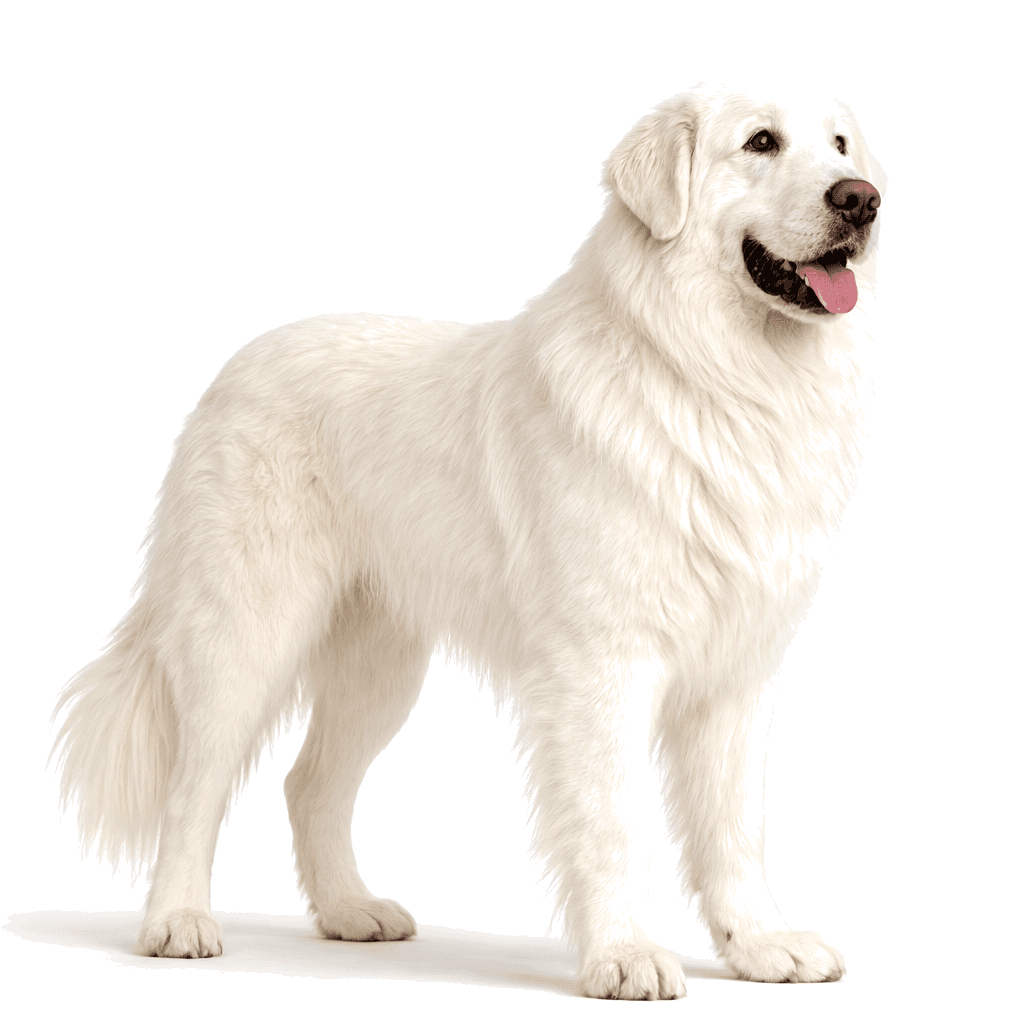
The Maremma dog is an Italian livestock guardian breed known for its independence and strong decision-making skills. They were bred to protect flocks on their own, often working without direct human supervision. The Maremma dog is large and sturdy, with a dense white coat that protects them from harsh weather and helps them blend in with sheep. They are calm, loyal, and naturally protective, forming strong bonds with the animals and people they guard.
The Maremma Sheepdog traces its roots to the Maremma and Abruzzo regions of Italy, where they developed as reliable livestock guardians. Similar white guardian dogs appear in records dating back to the Roman era, valued for their ability to protect flocks with minimal supervision. In the mid-20th century, the Maremmano-Abruzzese sheepdog types were unified into the modern Maremma Sheepdog. Today, the breed is recognized by the United Kennel Club (UKC), though it is not currently recognized by the American Kennel Club (AKC).
Historically, these dogs played a key role in transhumance, the seasonal movement of sheep between mountain and lowland pastures. They worked closely with shepherds but were expected to make independent decisions when guarding flocks over vast, remote areas. Their white coat was intentionally preserved to help shepherds distinguish them from predators like wolves, especially at night. Over time, the breed became an essential part of rural Italian life, valued not only for protection but also for their reliability and endurance. Today, Maremma Sheepdogs are still used as working guardians in many parts of the world, including farms in North America and Australia.
The Maremma Sheepdog is a large, well-built livestock guardian with a strong, balanced frame and a calm, watchful expression. They have a thick, weather-resistant white coat, powerful legs, and a slightly longer body that supports endurance in the field. Their dark, alert eyes, medium-sized drop ears, and plume-like tail give them a composed yet protective presence.
Maremma Sheepdog Size
Weighs 66–100 lb (30–45.4 kg)
Stands 23.5–29 in (59.7–73.7 cm) tall
The Maremma Sheepdog has a dense coat that lies relatively flat, helping protect them from harsh weather conditions. The coat is always white, though light shades of ivory, pale orange, pale gray, or lemon may appear; solid white is generally preferred. Adult size can vary depending on genetics, diet, and activity level, and males are typically slightly larger and more robust than females.
The Maremma Sheepdog does best in rural settings or homes with large, securely fenced properties where they have space to patrol. They have a strong guarding instinct and are naturally wary of strangers, so introductions to new people should be handled calmly and with control. Early socialization, consistent leadership, and positive reinforcement training are essential to help them develop into a well-balanced and cooperative companion.
Their thick coat requires regular maintenance, especially during seasonal shedding periods. Weekly brushing helps prevent matting and keeps the coat clean, while more frequent grooming may be needed when shedding increases.
Orthopedic Issues (Hip/Elbow Dysplasia)
Hip and elbow dysplasia are genetic conditions seen in this breed, where the joints do not form properly, leading to pain, stiffness, and arthritis over time. Management may include medication, weight control, joint supplements, physical therapy, and in severe cases, surgery. When choosing a puppy, it’s important to select one from health-tested, OFA-certified parents.
Hereditary Eye Disorders (Entropion)
Inherited eye conditions such as entropion can occur in the Italian Maremma Sheepdog. This condition causes the eyelid to roll inward, leading to irritation, pain, and possible corneal damage. Treatment usually involves corrective surgery, and responsible breeding practices help reduce the risk.
Gastric Torsion/Bloat (GDV)
Gastric dilatation-volvulus, commonly known as bloat, is a life-threatening emergency that can affect large breeds like the Maremma Sheepdog. It occurs when the stomach fills with gas and twists, cutting off blood flow. Immediate veterinary care is critical, often requiring surgery. Preventive steps include feeding smaller, more frequent meals and avoiding vigorous activity right after eating.
The Maremma Sheepdog may be more sensitive to anesthesia than some other breeds, which can result in slower recovery or stronger reactions. Veterinarians typically adjust drug types and dosages, perform pre-anesthetic testing, and monitor closely to minimize risks.
The Maremma Sheepdog, like many sheepdog-type breeds, may carry the MDR1 gene mutation, which can cause sensitivity to certain medications, including ivermectin. Only use veterinarian-prescribed heartworm preventives at recommended doses, and avoid high-dose ivermectin unless specifically approved by a vet.
Choose a high-quality large-breed food for your Maremma Sheepdog that meets standards set by the Association of American Feed Control Officials (AAFCO) for complete and balanced nutrition. Look for a formula with adequate protein to support their strong muscle mass, along with nutrients like glucosamine and chondroitin to help maintain healthy joints.
Healthy fats are important for energy and coat condition, while controlled calcium levels support steady, safe growth—especially in younger dogs. It’s also best to feed smaller, more frequent meals rather than one large portion to help reduce the risk of bloat and support better digestion.
Most adult Maremma Sheepdog dogs eat about 2–3% of their body weight per day, typically divided into two meals. Exact portions can vary depending on activity level, metabolism, and overall Maremma dog size.
Weight range: 66–75 lb (30–34 kg)
Food per meal: 2.5–3 cups
Weight range: 76–90 lb (34–41 kg)
Food per meal: 3–4 cups
Weight range: 91–100 lb (41–45 kg)
Food per meal: 4–5 cups
Highly active or working dogs may need slightly larger portions to maintain energy levels, while less active dogs may require less food to stay at a healthy weight.
Divide the daily food into two or more meals to help reduce the risk of bloat
Avoid overfeeding during the growth phase, as excess weight can stress developing joints
Monitor your dog’s body condition regularly and adjust portions as needed
Provide clean, fresh water at all times to keep your Maremma properly hydrated
The Maremma Sheepdog temperament is best described as independent, intelligent, and deeply loyal. They have strong guarding instincts, developed over generations of working alongside humans with minimal supervision, which makes them confident and capable decision-makers.
Maremma dogs are devoted to their family and take their protective role seriously, often remaining naturally wary of strangers. They form close, lasting bonds but are not overly needy, preferring calm, quiet companionship over constant attention. Overall, they are steady, self-reliant, and composed, especially when they feel their environment is secure.
The Maremma is naturally territorial and may bark to alert or warn when they sense something unusual. They can also have a tendency to roam, so a secure, well-fenced area is essential to keep them safe. Early socialization plays an important role in helping them manage their strong guarding instincts and develop balanced, appropriate behavior.
The Maremma Sheepdog benefits from calm, purposeful activities that match their natural guarding instincts rather than high-intensity exercise. They prefer having a job to do and enjoy environments where they can move freely, think independently, and stay mentally engaged.
Exercise & Physical Activity
Long, relaxed walks in rural areas where they can explore at their own pace
Patrolling a securely fenced property to satisfy natural guarding behavior
Work & Purpose-Driven Activities
Livestock guarding or supervised farm work that aligns with their instincts
Structured tasks that give them a clear role and responsibility
Training & Mental Stimulation
Tracking exercises and basic obedience training for structure and focus
Scent-based games to provide mental stimulation
Puzzle toys or problem-solving tasks to encourage independent thinking
Socialization & Behavior
Calm, controlled exposure to new environments, people, and animals
Leash training and boundary work to reinforce good behavior
Skin care for the Maremma dog breed is simple but important. Check their skin regularly for hot spots, dryness, or irritation, especially during heavy shedding seasons when the coat is changing.
The Maremma Sheepdog requires regular brushing several times a week to keep their coat clean and free of mats. Increase brushing during seasonal shedding to manage loose hair and reduce buildup. Avoid shaving the coat, as it provides natural protection from weather and helps regulate body temperature.
Eye care for the Maremma Sheepdog involves monitoring for hereditary conditions and watching for signs like redness, discharge, or squinting. Regular veterinary eye exams can help detect issues early and support long-term eye health.
Clean your dog’s ears regularly to maintain good hygiene. Check for dirt, wax buildup, or moisture, as these can lead to infections if left untreated.
Nail care for the Maremma Sheepdog includes trimming their nails every few weeks to prevent overgrowth, discomfort, and changes in posture. Check paw pads regularly and trim excess hair between them if needed to keep the feet clean and healthy.
Regular brushing is essential to prevent plaque and tartar buildup in your Maremma Sheepdog. Dental chews can also help support oral health, and routine veterinary checkups are important for maintaining healthy teeth and gums.
Living Space: Best suited for rural environments, large acreage, or farms
Activity Needs: 60–120 minutes daily
Grooming: Consistent, weekly brushing + bathing every 4–6 weeks
Temperament: Intelligent, dignified, alert, friendly, loyal
Best For: Generally not suitable for first-time owners
The Maremma Sheepdog is not suited for apartment living and thrives best in homes with space and purpose. They need strong, consistent leadership and early training, along with careful management around visitors and young children due to their guarding instincts. Prospective owners should honestly assess their access to land, daily lifestyle, and ability to commit to this independent breed for 11–13+ years.
The cost of a Maremma Sheepdog puppy typically ranges from $800 to $2,500, depending on the breeder, lineage, and health testing. Initial expenses such as vaccinations, microchipping, and basic supplies can add several hundred dollars, while ongoing costs include high-quality food, grooming tools, and routine veterinary care. Because they are a working breed, they may also benefit from secure fencing and larger living spaces, which can increase overall ownership costs.
How big does a Maremma Sheepdog get?
An adult Maremma dog typically ranges from 23.5–29 inches (59.7–73.7 cm) in height and 66–100 pounds (30–45.4 kg) in weight.
Is a Maremma Sheepdog hypoallergenic?
No, the Maremma Sheepdog is not hypoallergenic and sheds regularly, especially during seasonal coat changes.
How long do Maremma Sheepdogs live?
The Maremma Sheepdog typically lives around 11–13 years with proper care, nutrition, and regular veterinary checkups.
How much do Maremma Sheepdogs cost?
A Maremma Sheepdog typically costs around $800 to $2,500 USD from a reputable breeder, though prices can vary based on lineage, breeder reputation, health testing, and early training.
What is the difference between Maremma Sheepdogs vs. Anatolian Shepherds?
Maremma Sheepdogs are usually white, slightly calmer, and more family-oriented, while Anatolian Shepherd dogs are generally larger, more independent, and strongly territorial with a higher drive for guarding.
Are Maremma Sheepdogs high maintenance?
The Maremma Sheepdog is moderately high maintenance due to their grooming needs, space requirements, independent temperament, and need for consistent training and management.
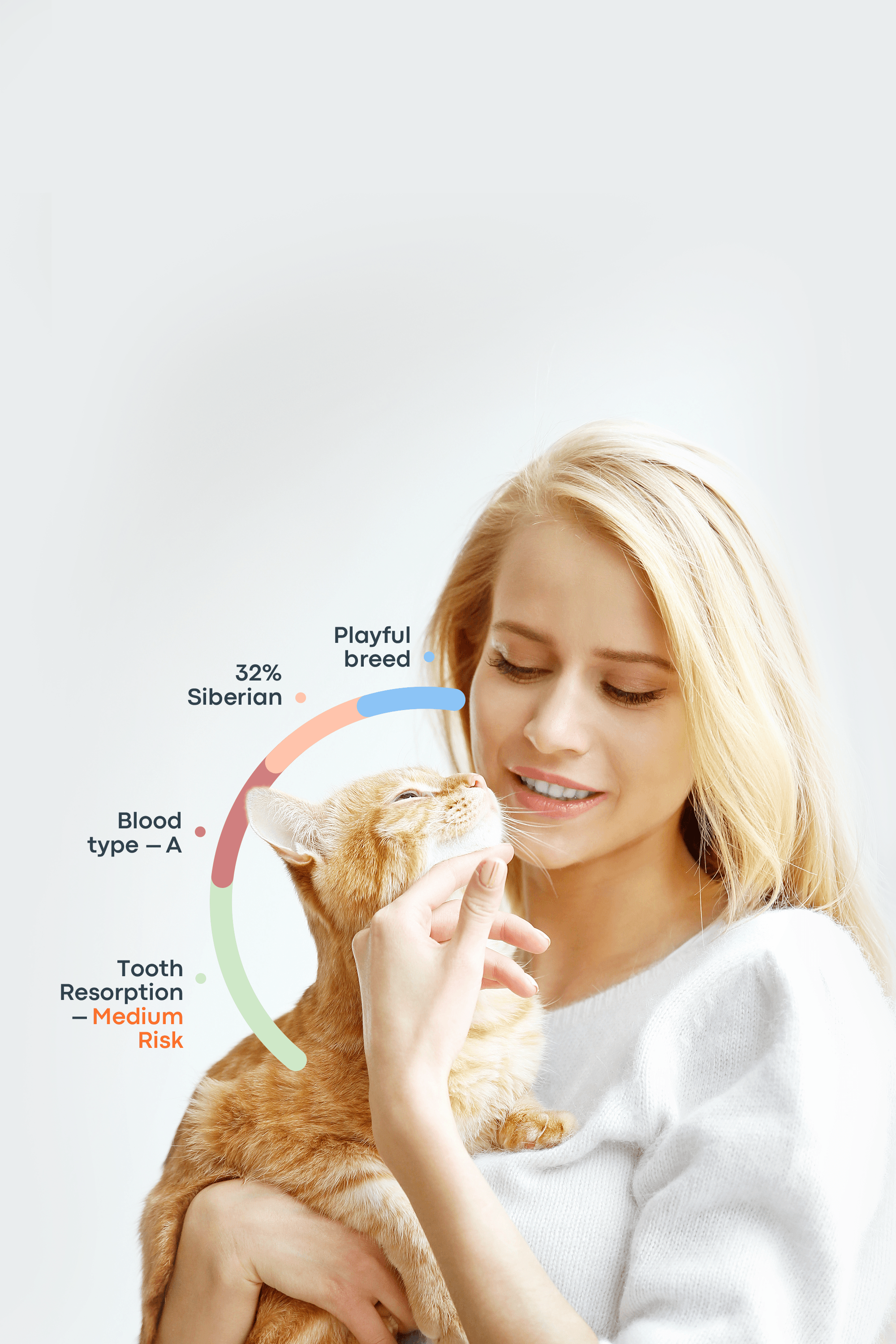
Recommended by top vets with decades of experience
21 breeds
64 genetic health markers
50 genetic trait markers


Enter your email to receive a sample dog report and preview the breed and health insights inside.