Is this breed part of your dog’s ancestry?
Discover your dog's connection to this breed and 200+ others



Discover your dog's connection to this breed and 200+ others
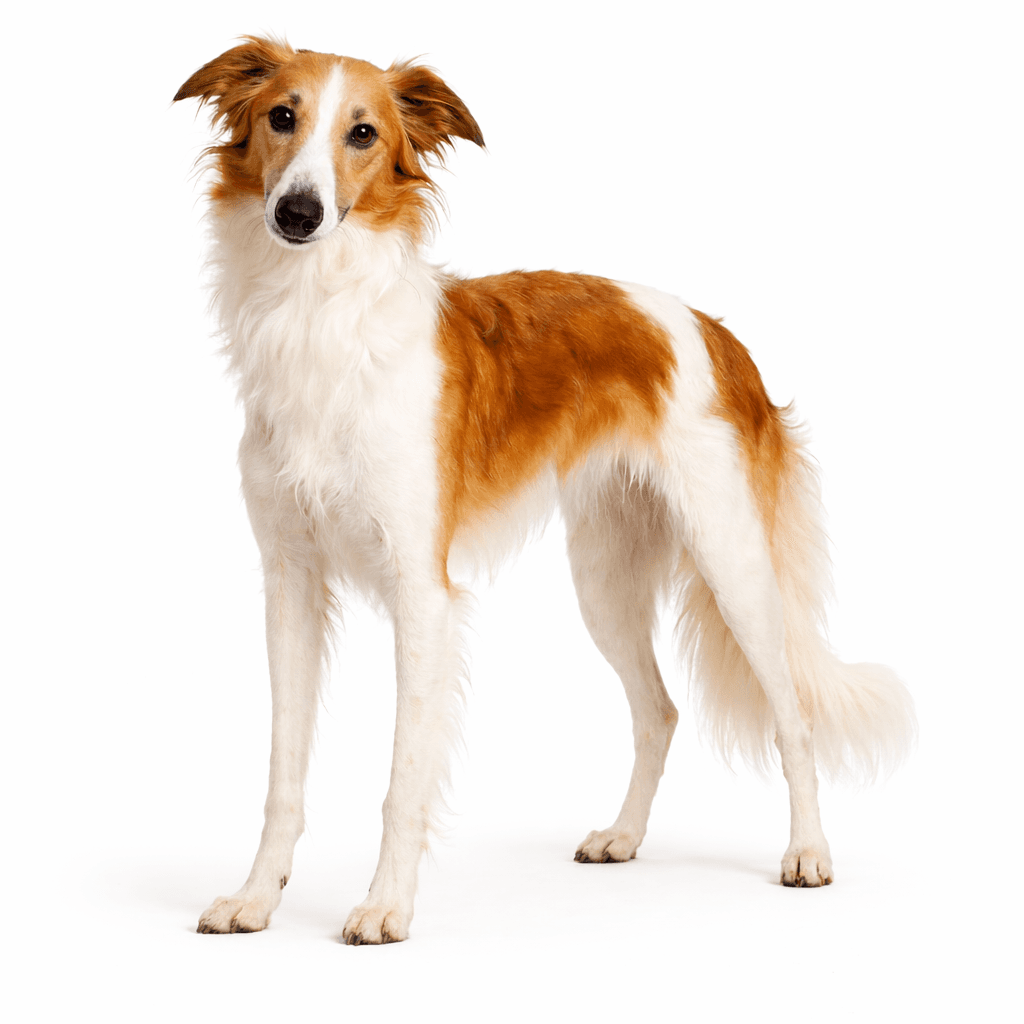
The Silken Windhound dog is an elegant, medium-sized sighthound known for their silky coat and gentle, friendly temperament. The breed was developed in the United States by breeder Francie Stull, who aimed to combine the graceful look of the Borzoi with the speed and agility of the Whippet. The result is a rare but well-balanced dog that is affectionate, intelligent, and well suited to family life.
What is a Silken Windhound? The Silken dog breed is a medium-sized sighthound developed in the United States by crossing Borzoi with Whippet-type dogs, including Whippets and Whippet-based lurchers. The breed was created in the 1980s by breeder Francie Stull of Kristull Kennel, who wanted to produce a smaller, gentler alternative to the Borzoi that still retained speed, agility, and a distinctive silky coat. The goal was to develop a versatile coursing dog capable of excelling in sports such as lure coursing and racing while also being a friendly and affectionate family companion.
The breed received the official name Silken Windhound in 1998, and the International Silken Windhound Society (ISWS) was established in 1999 to maintain breed standards and registry records. The Silken Windhound is not recognized by the American Kennel Club (AKC), but it is officially recognized by the United Kennel Club (UKC).
Today, Silken Windhounds have a growing international presence. Breeders and enthusiasts can be found not only in the United States but also in parts of Europe, New Zealand, the United Arab Emirates, and South Africa, reflecting the breed’s increasing popularity around the world.
As a sighthound developed by crossing Borzoi with Whippet-type dogs, the Silken Windhound does not have strict size varieties. Their appearance and final size can vary depending on which ancestral traits are more dominant.
Typical Silken Windhound
Weighs about 22–55 lb (10–25 kg)
Stands roughly 18.5–23.5 in (47–60 cm) tall at the shoulder
Typically, Silken Windhound coats are medium to long, soft, and silky, sometimes slightly wavy, with feathering on the legs, chest, neck, and tail. Common Silken Windhound colors include black, silver, fawn, brindle, and white, often with mixed patterns.
Most modern Silkens trace back to the original Kristull Kennel lines, with pedigrees maintained by the ISWS.
Their traits may also vary depending on lineage:
F1 Silken Windhound: Borzoi and Whippet. Early crosses of Borzoi with Whippet-type dogs, forming the basis of the breed.
F1B Silken Windhound: Silken Windhound and one of the parent breeds. Dogs bred from established Silken lines and recorded with ISWS registries.
F2 Silken Windhound: Silken Windhound and Silken Windhound. Today’s Silkens are typically bred within the established gene pool, though size, coat, and appearance may still vary slightly.
Silken Windhounds are gentle and sensitive sighthounds that enjoy both short bursts of speed and long periods of rest. They often do well in calm homes that provide comfortable sleeping spaces and quiet downtime.
They are intelligent and generally responsive to training, especially when early socialization and positive reinforcement are used. However, like most sighthounds, they retain a strong instinct to chase fast-moving animals.
Their silky coat needs regular brushing, particularly behind the ears and in feathered areas. They may shed seasonally and can pick up burrs after running outdoors.
Silken Windhounds typically live 14–18 years, and some individuals may reach 20 years with excellent care. The breed is generally healthy, but responsible owners and breeders should be aware of a few inherited conditions.
This genetic mutation causes sensitivity to certain medications, including some dewormers, sedatives, and chemotherapy drugs. Dogs with the mutation can experience serious reactions to these medications. DNA testing can identify affected dogs and carriers.
Cardiac Conditions
Some Silken Windhounds may develop mitral valve disease, a disorder that affects the heart valves, or may be born with congenital heart defects. Regular cardiac screenings help detect potential issues early.
Eye Disorders
Collie Eye Anomaly (CEA) is an inherited condition that can affect the development of the eye and potentially impair vision. Routine examinations by a veterinary ophthalmologist are recommended.
Autoimmune Thyroiditis
This immune-mediated condition can lead to hypothyroidism, which may cause symptoms such as weight gain, lethargy, and coat changes. Thyroid testing can help monitor for this disorder.
Reputable breeders typically perform DNA testing as well as regular heart and eye screenings to reduce the risk of these conditions. Thanks to careful breeding practices focused on health, serious issues remain relatively uncommon in the breed.
Adult Silken Windhounds usually eat two meals per day, while a Silken Windhound puppy typically needs three to four smaller meals daily to help maintain stable energy levels. They can do well on high-quality kibble, a fresh diet, or a combination of both. Choosing food that meets AAFCO nutritional standards helps ensure the diet is balanced and complete.
Determine the dog’s daily portion and divide it into consistent meals. Silken Windhounds are not typically prone to heavy drooling, but they still benefit from good dental care, such as regular tooth brushing and dental chews.
Because this breed has a relatively deep chest, owners should take precautions to reduce the risk of bloat (gastric dilatation–volvulus). Avoid vigorous exercise immediately before or after meals, and wait about 30–60 minutes after feeding before running or playing.
Always provide fresh, clean water and feed your dog in a calm, quiet space. A consistent feeding routine supports digestion and helps create a stable daily structure for your dog.
The amount a Silken Windhound should eat depends on their weight, activity level, metabolism, and the calorie density of their food. Individual needs can vary, so treats and training rewards should be included in the daily total to avoid overfeeding. Adult Silken Windhounds are typically fed two meals per day.
Weight range: 22–32 lb (10–15 kg)
Food per meal: 1–1.5 cups
Weight range: 33–43 lb (15–20 kg)
Food per meal: 1.5–2.1 cups
Weight range: 44–54 lb (20–25 kg)
Food per meal: 2–3 cups
Weight range: 55–65 lb (25–30 kg)
Food per meal: 2.6–3.9 cups
More active Silken Windhounds may require slightly more food, while less active dogs may need smaller portions to maintain a healthy weight. Always adjust portions based on age, body condition, and veterinary guidance.
Choose foods rich in omega-3 fatty acids to help maintain a healthy skin and coat.
Support dental health with dental chews or appropriate raw bones.
Aim to keep your dog in a lean body condition to help protect their joints and heart.
Silken Windhounds are intelligent, affectionate, sensitive, and social dogs. They tend to form close bonds with their families and usually get along well with children and other dogs when properly socialized.
They are typically quiet and gentle, as they are not natural watchdogs and rarely bark without reason.
Silken Windhounds have a strong instinct to chase moving objects, which is typical for sighthounds. Because of this, they should have access to a secure, fenced yard and receive proper leash training to help manage their prey drive.
The breed standard considers excessive timidity or aggression undesirable, so early socialization and confidence-building training are important. Positive reinforcement and gentle guidance usually work best for this sensitive breed.
As sighthounds, Silken Windhounds often enjoy activities that engage their speed and intelligence. Lure coursing, agility, rally, obedience training, hiking, and scent games can all be great ways to keep them mentally and physically stimulated.
At the same time, many Silken Windhounds also appreciate quiet downtime and lounging, so it is important to balance active exercise with plenty of rest.
Check a Silken Windhound’s skin weekly for signs of dryness, irritation, or redness. Use a gentle dog shampoo and bathe them about once a month, or as needed.
Their silky coat naturally repels dirt but still needs weekly brushing to remove tangles and loose hair. The coat generally should not be trimmed, except for minor hygiene trimming if necessary.
Gently wipe away tears with a soft, damp cloth and watch for redness, irritation, or unusual discharge, especially since the breed can be at risk for CEA.
Clean their ears once a week to prevent wax buildup. After baths or swimming, make sure the ears are fully dried to reduce the risk of infections.
Trim nails every 2–3 weeks. Silken Windhounds have hare-shaped feet, and their nails can grow quickly, so regular checks are important.
Living Space: The Windhound dog does best in homes with a secure fenced yard where they can run safely.
Activity Needs: Moderate. Daily walks, playtime, or lure coursing help keep them healthy, along with plenty of rest.
Grooming: Moderate. Their silky coat needs weekly brushing and basic care such as nail trimming and occasional baths.
Temperament: Friendly, affectionate, and intelligent. They usually get along well with children and other dogs but have a strong prey drive around small pets.
Best For: Active owners or families who can provide daily exercise, companionship, and consistent training.
Is a Silken Windhound right for you? For many households, the answer is yes. The Windhound dog is known for being gentle, loyal, and graceful, making them a great companion for people who want an affectionate but active dog.
Because Silken Windhounds are social and people-oriented, they may become bored or anxious if left alone for long periods. With proper care, training, and attention, they can thrive in attentive homes and often live 14–18 years or longer.
Prospective owners should also be prepared for the cost of a well-bred puppy. The typical Silken Windhound price from a reputable breeder usually ranges between $2,000 and $4,000, and finding a responsible breeder may require patience.
How big does a Silken Windhound get?
Silken Windhounds are small to medium-sized sighthounds. They typically stand 18.5–23.5 inches (47–60 cm) tall at the shoulder. Males usually weigh 33–55 lb (15–25 kg), while females are often slightly lighter at 22–44 lb (10–20 kg).
Is a Silken Windhound hypoallergenic?
No, Silken Windhounds are not considered hypoallergenic. However, their single, silky coat tends to shed less than many double-coated breeds and may trap some dander, which can reduce allergic reactions for certain individuals.
How long do Silken Windhounds live?
The Silken Windhound lifespan is typically 14–18 years, and some individuals may live up to 20 years with excellent care, proper nutrition, and regular veterinary checkups.
How much do Silken Windhounds cost?
Because they are a relatively rare breed, Silken Windhounds and Silken Windhound puppies usually cost $2,000–$4,000 from reputable breeders.
What is the difference between Silken Windhounds vs. Borzois?
Silken Windhounds are smaller and generally more adaptable than Borzois. The breed was developed using Borzoi and Whippet-type dogs, which gives them a similar elegant appearance but with a more compact size and often easier household adaptability.
Are Silken Windhounds high maintenance?
Silken Windhounds are generally low to moderate maintenance. They need regular exercise, weekly coat brushing, and routine grooming, but their overall care requirements are manageable for most attentive owners.
Recommended by top vets with decades of experience
21 breeds
64 genetic health markers
50 genetic trait markers


Enter your email to receive a sample dog report and preview the breed and health insights inside.