Is this breed part of your cat’s ancestry?
Discover your cat's connection to this breed and 20 others

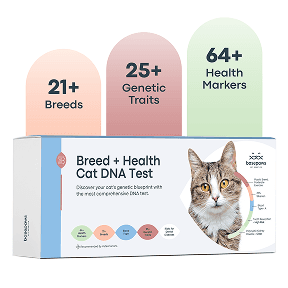

Discover your cat's connection to this breed and 20 others
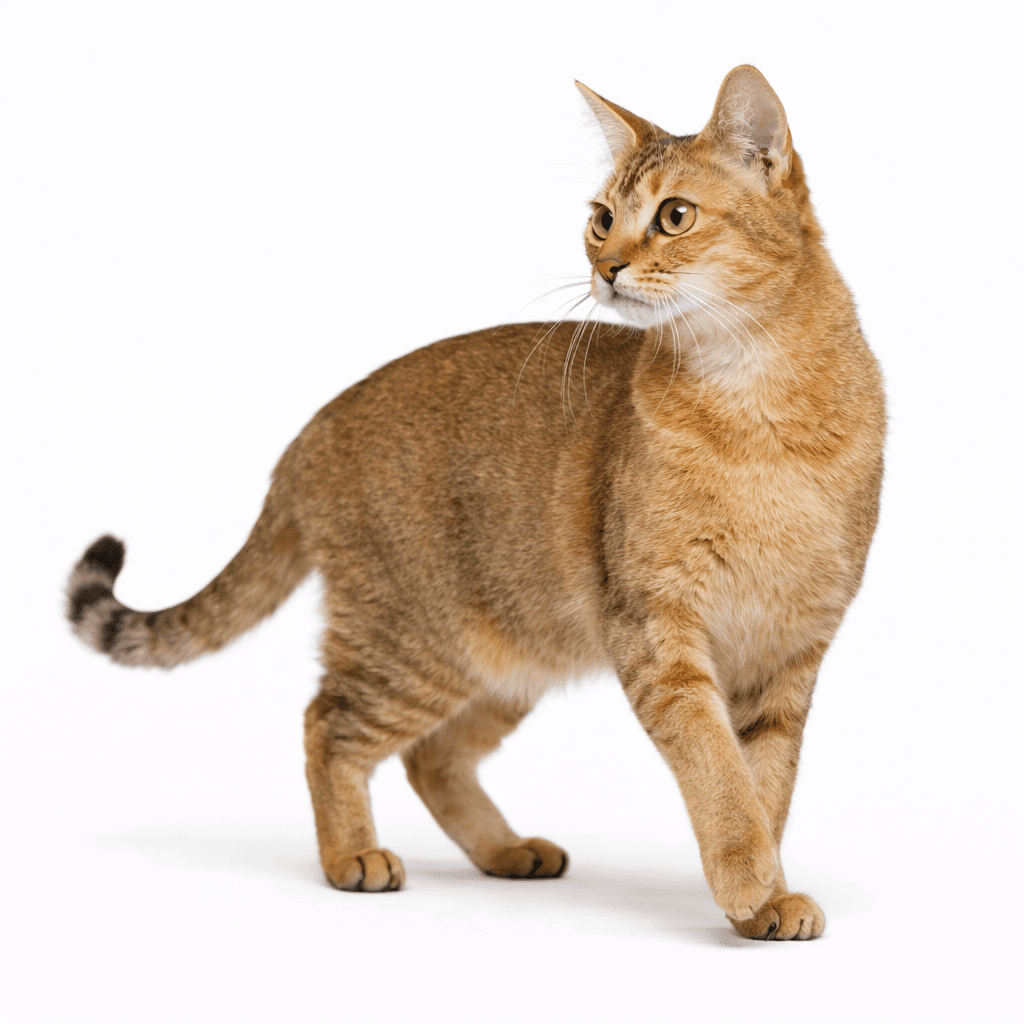
What is a Chausie cat? The Chausie is a striking hybrid cat breed originally developed by crossing wild Jungle Cats with domestic cats. Known for their tall, athletic build and sleek, wild-looking appearance, Chausies resemble miniature jungle cats. They are highly intelligent, energetic, and social cats that thrive on activity and interaction. Despite their wild ancestry, modern Chausies are generally affectionate, well-socialized, and strongly bonded with their families.
Chausie History
The Chausie cat breed was developed by crossing domestic cats with the wild Jungle Cat (Felis chaus). Breeders commonly used Abyssinians and domestic shorthairs to create a cat with a wild appearance and a more social, domestic temperament. Although the breed is often linked to ancient Egypt, where Jungle Cats lived near human settlements, formal breeding programs began in the United States in the 1990s. Early-generation Chausies may retain stronger wild instincts, higher energy levels, and certain dietary sensitivities, while later generations are typically more adaptable to domestic life. Because the breed has hybrid origins, ethical breeding, responsible ownership, and proper socialization are especially important. The Chausie is officially recognized by The International Cat Association (TICA).
The Chausie has a lean, athletic body with long legs, a deep chest, and a naturally wild appearance. Built for speed, agility, and jumping, this breed has large ears, a sleek coat, and an alert, confident posture that reflects their Jungle Cat ancestry. Chausies are muscular without appearing bulky and are known for their graceful, energetic movement.
Chausie Cat Size
Weighs 15–25 lbs (6.8–11.3 kg)
Stands 14–18 in (36–46 cm) tall
Chausie cats have a short-to-medium-length coat that feels dense, soft, and slightly coarse to the touch. Their coat is relatively low-maintenance and usually only requires occasional brushing to remove loose hair and maintain its natural shine.
Accepted Chausie cat colors and patterns include solid black, black grizzled tabby, and black ticked tabby. The rare grizzled pattern, which creates a salt-and-pepper appearance with banded hairs, comes from the breed’s Jungle Cat ancestry and is considered one of the Chausie’s most distinctive traits. A full grown Chausie may vary in size depending on genetics, sex, diet, and activity level, with males typically growing slightly larger and heavier than females.
The Chausie cat is classified by generations, such as F1, F2, and F3, which indicate how closely they are related to their wild Jungle Cat ancestor.
F1 Chausie: (Jungle Cat x a domestic cat breed) This generation is the closest to the wild ancestor and often has a larger size, stronger hunting instincts, higher energy levels, and more demanding care needs.
F2 Chausie: (F1 Chausie x a domestic cat breed or another Chausie) These cats are slightly more domesticated while still retaining much of the breed’s active and intelligent nature.
F3 Chausie: (later-generation Chausies x other Chausies or domestic cat breeds) This generation is further removed from the wild lineage and is generally better suited to typical family life, with a more predictable domestic temperament.
Living with a Chausie can be exciting, but this is not a laid-back breed. Chausie cats are highly active, curious, and mentally engaged for most of the day. They enjoy human interaction and usually want to be involved in everyday household activities.
Many Chausie cats can become bored or frustrated if left alone too often, so they do best in homes that provide plenty of attention, playtime, and enrichment. Their intelligence also makes them surprisingly trainable. Some learn to walk on a leash, while others enjoy playing fetch or solving puzzle toys. Grooming is relatively simple since their short coat usually only needs weekly brushing. Regular nail trims, ear checks, dental care, and interactive exercise help keep them healthy and well-adjusted.
Inflammatory Bowel Disease
Chausie cats may develop Inflammatory Bowel Disease (IBD), a chronic condition that causes inflammation in the digestive tract. Affected cats can experience vomiting, diarrhea, stomach discomfort, poor appetite, or gradual weight loss. In many cases, symptoms are managed with a carefully selected diet, while some cats may also require medication to reduce inflammation and support healthy digestion.
Food allergies
Food allergies can affect the Chausie cat breed, particularly cats with sensitive digestive systems. Common signs include itchy skin, vomiting, diarrhea, ear irritation, or excessive grooming. Some Chausies may react to certain proteins, grains, or artificial ingredients in commercial cat food. Treatment usually involves an elimination diet and long-term avoidance of trigger ingredients.
Digestive sensitivity
Digestive sensitivity is relatively common in the Chausie cat breed and may be linked to traits inherited from their wild ancestry. Symptoms can include loose stools, vomiting, gas, or difficulty digesting certain foods. Feeding a high-quality, easily digestible diet and avoiding sudden dietary changes may help reduce digestive upset and improve overall gut health.
Obesity
Obesity is less common in the naturally active Chausie, but it can develop if they do not receive enough exercise or are regularly overfed. Indoor lifestyles, boredom, and excessive treats may contribute to unhealthy weight gain. Extra weight can increase the risk of diabetes, joint strain, and heart-related problems. Regular exercise, climbing opportunities, portion control, and a balanced diet help keep Chausies healthy and fit.
Periodontal disease
Periodontal disease can affect Chausie cats, especially as they age. The condition is usually caused by plaque and tartar buildup around the teeth and gums. Common signs include bad breath, swollen gums, drooling, difficulty eating, and loose teeth in advanced cases. Regular tooth brushing, dental treats, and routine veterinary cleanings can help prevent dental disease. Severe cases may require professional cleaning or tooth extraction.
Stress-related behavioral disorders
Stress-related behavioral issues can sometimes affect the Chausie cat breed, especially if the cat feels bored, isolated, or understimulated. Signs may include aggression, destructive behavior, overgrooming, excessive vocalization, or inappropriate urination. Chronic stress may also affect appetite and overall health. Daily play, mental enrichment, climbing spaces, and a stable routine can help reduce stress-related behaviors.
Exercise-related injuries and sprains
Because the Chausie is extremely athletic and energetic, minor sprains and exercise-related injuries can occasionally occur from rough play, climbing, or jumping accidents. Common signs include limping, swelling, stiffness, or reluctance to move. Providing safe climbing areas and regular supervised exercise may help reduce the risk of injury. Mild cases often improve with rest, while more serious injuries may require veterinary treatment.
The Chausie generally does best on a high-protein diet with fewer plant-based fillers. Some Chausie cats may require specialty foods because of digestive sensitivities linked to their hybrid ancestry. Any commercial cat food should meet Association of American Feed Control Officials (AAFCO) nutritional standards to provide complete and balanced nutrition. If you are considering raw or homemade meals, consult a veterinarian first to help prevent nutritional deficiencies or digestive issues. Proper hydration and consistent feeding routines are also important for supporting overall health and digestion.
A Chausie’s caloric needs can vary significantly based on their life stage, activity level, metabolism, and overall health, especially given their naturally high energy and lean physique. For this reason, consulting a veterinarian is the best way to determine the right daily feeding amount. A vet can offer tailored guidance to help maintain a healthy weight, support muscle condition, and ensure long-term well-being.
Monitor your Chausie’s body condition regularly to help maintain a healthy weight.
Measured meals usually work better than free-feeding for this active breed.
Limit excessive carbohydrate-heavy treats and choose protein-rich options instead.
Introduce new foods gradually to help reduce the risk of digestive upset.
Speak with a veterinarian before adding supplements or switching to specialty diets.
Among the most notable Chausie cat characteristics are their intelligence, curiosity, athleticism, and highly social nature. Chausies are affectionate cats that often form strong bonds with their families and enjoy being involved in everyday activities around the home. Many enjoy interactive games, puzzle toys, climbing, and even learning tricks or playing fetch. Because they are extremely active and mentally sharp, Chausies need regular stimulation, attention, and companionship to remain happy, confident, and well-behaved.
This is an extremely energetic and adventurous cat that loves exploring their surroundings. Many Chausies climb shelves, investigate cabinets, and seek out the highest spots in the home. Their powerful legs and athletic build make them excellent jumpers, climbers, and agile runners. Without enough playtime, exercise, or mental stimulation, boredom may lead to destructive or mischievous behavior. Some Chausies are also moderately vocal and may chirp, trill, or meow when seeking attention, play, or interaction with their family.
Fetch Games: Many Chausies enjoy chasing and retrieving toys, making fetch a great way to burn energy and encourage interaction.
Interactive Wand Toys: Fast-moving feather wands and teaser toys help satisfy the breed’s strong hunting instincts.
Leash Walks: Supervised walks provide mental stimulation, exercise, and safe outdoor exploration for curious Chausies.
Cat Trees and Climbing Shelves: Tall climbing spaces allow them to jump, perch, and observe their surroundings safely indoors.
Puzzle Feeders: Food-enrichment toys keep the mind active and help prevent boredom during mealtimes.
Agility and Obstacle Play: Tunnels, jumps, and climbing obstacles give this athletic breed a fun physical challenge.
Training Sessions: Short, reward-based training sessions can teach tricks, leash manners, or simple commands while strengthening the bond with their family.
The Chausie usually has low-maintenance skin care needs. During grooming sessions, check for dryness, irritation, bumps, or parasites such as fleas and ticks. Frequent bathing is rarely necessary and may dry out the skin by removing natural oils.
As mentioned above, the Chausie has a short, low-maintenance coat that typically only needs weekly brushing to remove loose hair and manage shedding. Some seasonal shedding may occur, especially during warmer months, but grooming needs are generally minimal compared to long-haired breeds.
A healthy Chausie’s eyes should appear clear and bright, without redness or excessive discharge. Minor debris can usually be wiped away gently with a soft, damp cloth when needed. Persistent tearing, swelling, redness, or irritation should be evaluated by a veterinarian.
The large upright ears of a Chausie can collect dirt and debris fairly easily, making weekly ear checks important. A small amount of wax is normal, but heavy buildup, redness, swelling, or a strong odor may indicate an infection or irritation. Use a veterinarian-approved ear cleaner and avoid inserting anything deep into the ear canal.
Trim your cat’s nails if you hear clicking on the floor, see hooked or visible claws, or notice snagging and more accidental scratches. To check, gently press the paw: if the tip looks sharp like a needle, it’s time. Only trim the very tip, avoiding the pink quick. Provide scratching posts or pads to support natural nail wear and healthy scratching behavior. Check paws for debris or minor injuries, especially in active cats.
Regular dental care helps keep the Chausie healthy and comfortable. Brushing the teeth with pet-safe toothpaste may reduce plaque buildup and lower the risk of periodontal disease, which is common in cats without preventative dental care. Some Chausies may also benefit from dental treats, while professional cleanings may be recommended by a veterinarian when needed.
Living Space: Best suited for spacious homes with room to climb and explore.
Activity Needs: Extremely high. Requires daily exercise and stimulation.
Grooming: Low maintenance. Weekly brushing is usually enough.
Temperament: Intelligent, affectionate, loyal, curious, energetic, agile, and social.
Best For: Active, experienced owners or families with plenty of time for interaction.
Chausie cat breeds require a serious time commitment, as these cats need daily play, companionship, and plenty of mental stimulation to stay happy. Owners should also be prepared for the ongoing costs of high-quality food, climbing furniture, enrichment toys, and routine veterinary care.
Fortunately, grooming needs are fairly simple compared to many other active breeds, since the short coat only requires basic weekly maintenance. Chausie adoption fees through rescues or shelters are usually around $300 to $600, while Chausie kittens purchased from reputable breeders typically cost between $1,500 and $10,000+.
Because of their intelligence, athletic ability, and hybrid ancestry, Chausies are usually safest as indoor cats or with supervised outdoor access. Many owners also find that cat-proofing cabinets, shelves, and unsafe areas becomes necessary because these cats love to explore. Chausies typically do best in homes where someone is around often, as long periods alone may lead to boredom and behavioral issues.
How big does a Chausie get?
An adult Chausie typically weighs 15–25 pounds (6.8–11.3 kg) and stands around 14–18 inches (36–46 cm) tall. Males are usually larger and heavier than females.
Is a Chausie hypoallergenic?
No, the Chausie is not considered hypoallergenic. Although the breed has a short coat with relatively low shedding, they still produce allergens that may trigger reactions in sensitive people.
How long do Chausies live?
The Chausie lifespan is typically 12–15 years, though some may live longer with proper nutrition, routine veterinary care, and a healthy lifestyle.
How much do Chausies cost?
Chausie adoption fees are usually around $300–$600 when available through rescues or shelters. A Chausie kitten from a reputable breeder typically costs between $1,500 and $10,000+, with rare early-generation cats such as F1 Chausies often being the most expensive.
What is the difference between Chausies vs. Abyssinian?
The Chausie is larger, more athletic, and has hybrid wild-cat ancestry, while the Abyssinian is a fully domestic breed with a smaller frame and generally easier care requirements. Chausies also tend to have higher activity and stimulation needs.
Are Chausies high maintenance?
Yes, the Chausie is considered a high-maintenance breed in terms of exercise, attention, and mental stimulation. However, their grooming needs are relatively low compared to many other active cat breeds.
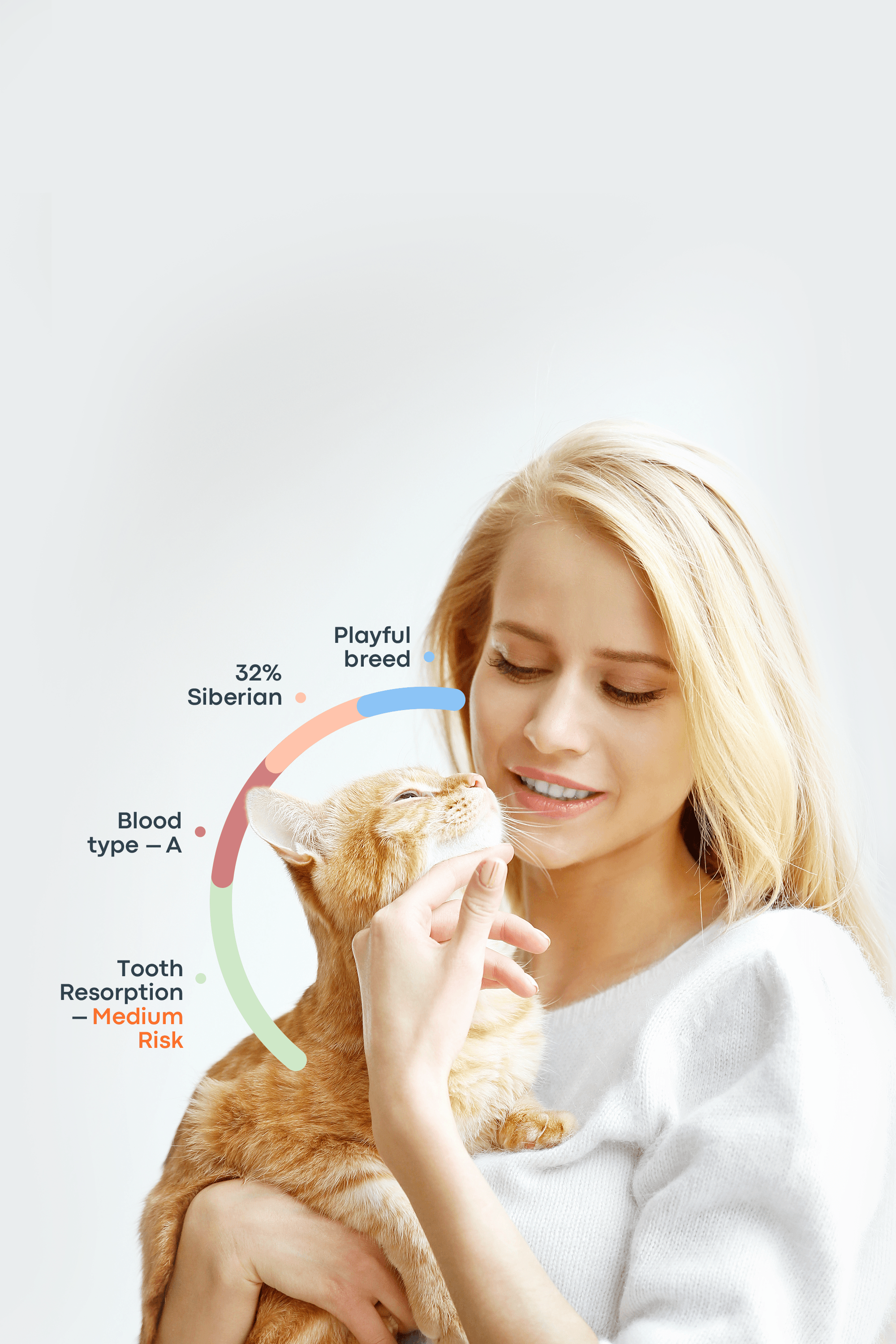
Recommended by top vets with decades of experience
21 breeds
64 genetic health markers
50 genetic trait markers

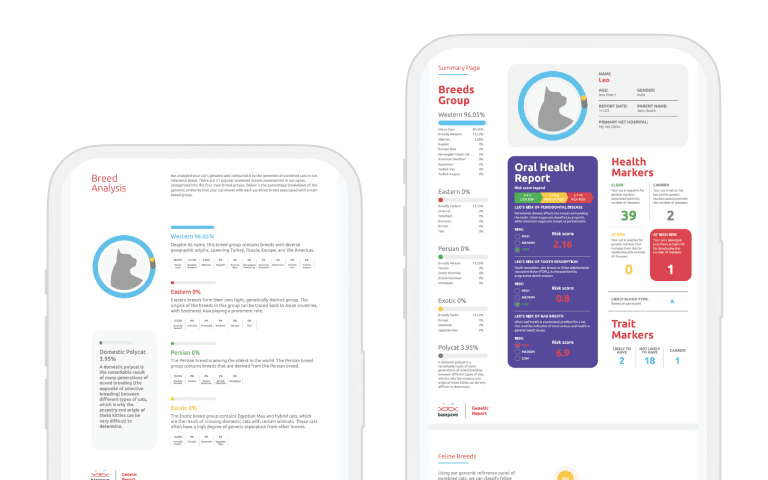
Enter your email to receive a sample cat report and preview the breed and health insights inside.