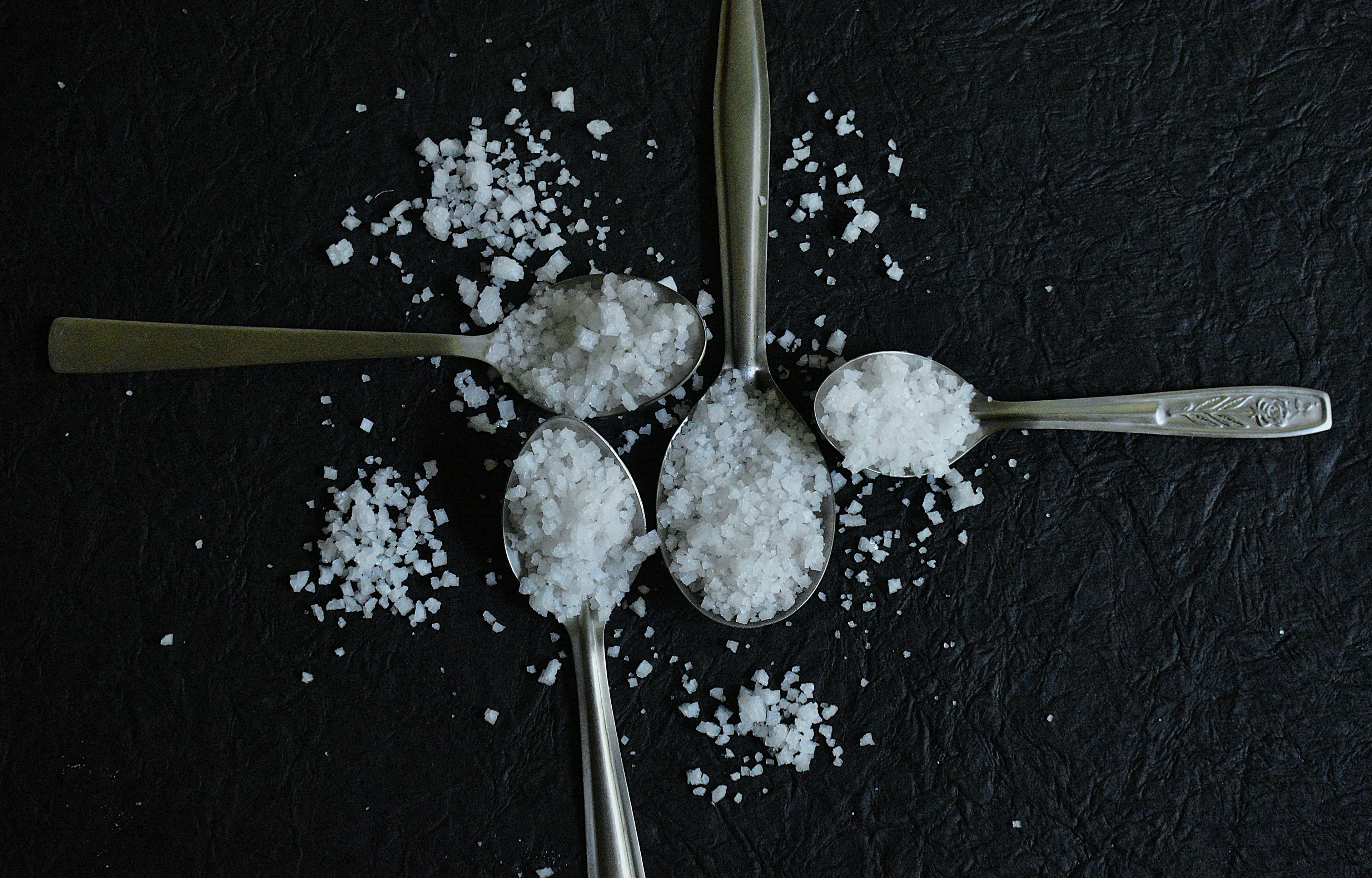
Salt is essential for life in very small amounts. Sodium helps maintain normal fluid balance, supports nerve signals, and allows muscles — including the heart — to function properly. However, cats usually get all the sodium they need from a complete and balanced commercial diet. There’s no need to add extra salt to their food.
Problems arise when cats eat salty human foods or lick concentrated sources of salt. Because they are small and have limited tolerance for excess sodium, too much salt can quickly make them sick. Foods like chips, processed meats, canned soups, salty snacks, or even salt-heavy broths can contain far more sodium than a cat’s body can safely handle.

When pet owners ask, “Can cats have salt?” or “Is salt bad for cats?” the answer depends on several factors. The risk is influenced by the amount consumed, the cat’s size, and any underlying health conditions — especially kidney disease, heart disease, or high blood pressure. Cats with these conditions are more vulnerable to the effects of excess sodium.
If you are a cat parent, this article will help you understand:
How much salt (if any) is safe for cats
Why a complete and balanced diet already meets their sodium needs
Which common household foods and products pose a risk
The warning signs of salt toxicity
What steps to take if your cat may have been exposed
Understanding these basics can help you protect your cat from accidental salt-related health problems while keeping their diet safe and balanced.
Do Cats Need Salt?
The short answer is yes — but with an important caveat. Sodium is a vital nutrient, yet the source and amount matter greatly.
Why sodium is important
Like humans, salt for cats is necessary in small amounts to support normal body functions. Sodium plays an essential role in:
Maintaining proper fluid balance
Supporting nerve signals
Allowing muscles — including the heart — to contract normally
Helping regulate acid–base (pH) balance
Without enough sodium, the body cannot function properly. However, true sodium deficiency is extremely rare in cats that eat a complete and balanced commercial diet.
Do you need to add salt to a cat’s food?
No. You should not add salt to your cat’s bowl.
Commercial cat foods labeled “complete and balanced” are carefully formulated — often by veterinary nutritionists — to provide the precise amount of sodium a cat needs based on their life stage (kitten, adult, or senior). When fed as directed, these diets already meet their daily sodium requirements.
Adding extra salt or offering salty human snacks — such as chips, processed meats, or canned tuna in brine — is not recommended. Cats are much smaller than humans, so what seems like a small amount of salt to us can be excessive or even dangerous for them.
When might higher sodium be appropriate?
In some cases, a veterinarian may prescribe a specific therapeutic diet with adjusted sodium levels. For example, certain urinary health diets contain modified sodium levels to encourage increased water intake and dilute urine. These diets should only be used under veterinary supervision.
For healthy cats, though, the safest approach is simple:
Stick to a complete, balanced cat food and avoid adding salt or sharing salty treats.

Is Salt Toxic or Dangerous for Cats?
Can cats eat salt without getting sick? To answer that, it’s important to separate two ideas: salt as a necessary nutrient and salt as a potential toxin.
Sodium is essential for life. It helps regulate blood pressure, supports nerve transmission, maintains fluid balance, and allows muscles — including the heart — to function properly. High-quality commercial cat foods are carefully formulated to provide safe, appropriate sodium levels.
However, the margin between “enough” and “too much” is relatively small in cats.
Is Salt Toxic to Cats?
Salt becomes dangerous when a cat consumes more sodium than their kidneys can safely filter and eliminate. Because cats are small animals, even a relatively small amount of concentrated salt can cause blood sodium levels to rise quickly.
When sodium levels spike (a condition called hypernatremia, or salt poisoning), it pulls water out of the body’s cells and into the bloodstream. This leads to cellular dehydration. In severe cases, it can affect the brain and other organs and becomes a medical emergency.
While a single dropped cracker crumb is unlikely to cause harm, concentrated sources of salt pose a real risk.
Common Sources of Dangerous Salt Exposure:
Source | Risk Level | Why It’s Dangerous |
Complete & balanced cat food | Safe (when fed as directed) | Contains appropriate sodium levels |
Chips, pretzels, crackers | High | Concentrated sodium, often seasoned |
Processed meats | High | High salt + preservatives |
Salt lamps | High | Highly concentrated sodium block |
Seawater | High | Rapid dehydration risk |
De-icing salt | Very high | Concentrated + chemical additives |
Homemade salt dough | Very high | Extremely high salt content |
Cats may be curious and lick unusual objects, especially if they taste interesting or are placed within easy reach.
Salt poisoning requires immediate veterinary attention. The sooner treatment begins, the better the outcome. If you suspect your cat has consumed a large amount of salt or a salty product, contact a veterinarian right away rather than waiting for symptoms to appear.
In short, salt itself isn’t inherently dangerous — but concentrated exposure can be. Prevention and quick action are key to keeping your cat safe.
Why Do Cats Like Salt?
If you’ve ever caught your cat sneaking a lick of a potato chip or staring at a salt lamp, you may have wondered, “Do cats actually like salt?”
The answer is yes — and there are both sensory and behavioral reasons behind it.
Sensory Attraction
Cats don’t crave salt the way humans often do, but they can be drawn to it. The scent of salty foods is often linked to the smell of meat and fats. Because cats are obligate carnivores, their brain naturally associates certain savory smells with high-value protein sources — even if the item is just a processed snack.
Salty foods also have a strong “umami” flavor. This savory taste stands out compared to their regular kibble or wet food, making it interesting and novel. Cats are highly sensitive to smell, so even a small salty aroma can grab their attention.
Curiosity and Learned Behavior
Cats are famously curious. If they see you eating something with focus or excitement, they may want to investigate. Sometimes it’s less about the salt and more about being involved in what you’re doing. There’s also a learning component. If your cat steals a salty snack and you react — by chasing them, talking loudly, or laughing — they may learn that grabbing that item gets your attention. Even negative attention can reinforce the behavior.
When Salt-Seeking May Signal a Problem
An occasional curious lick is usually harmless and simply part of a cat’s personality. However, repeated or obsessive salt-seeking can sometimes point to an underlying issue.
Possible causes include:
Pica: A behavioral condition in which a cat compulsively eats or licks non-food items. If they repeatedly lick salt lamps, rocks, walls, or cement, pica may be a concern.
Nutritional imbalances: Rare in cats fed a complete and balanced diet, but deficiencies can sometimes trigger unusual cravings.
Medical conditions: In some cases, excessive licking or unusual cravings may be linked to health issues such as anemia, kidney disease, or hormonal imbalances.
If your cat shows persistent or unusual interest in salt or non-food objects, it’s best to consult a veterinarian. While curiosity is normal, repeated behavior deserves a closer look to rule out medical causes.
How Much Salt Is Too Much for a Cat?

There’s no single “safe” amount of extra salt that applies to every cat. The risk of salt toxicity depends on several factors, including the cat’s size, how much they consumed, how quickly they ate it, and whether they have underlying conditions such as kidney or heart disease.
Cats maintain a very delicate electrolyte balance. Because they are small, their systems can become overwhelmed by excess sodium much more easily than a human’s. That’s why commercial cat foods are carefully formulated to provide exactly what they need — without any added salt.
According to Rover, healthy adult cats and growing kittens generally require about 0.5 grams (approximately ⅛ teaspoon) of sodium per 1,000 calories consumed. Importantly, this amount is already built into complete and balanced commercial diets. It is not a recommendation to add salt — it simply reflects what their food should contain overall.
Factors that increase risk:
Factor | Why It Increases Risk |
Small body size | Sodium concentration rises faster |
Kittens | Immature systems, lower tolerance |
Kidney disease | Reduced ability to filter sodium |
Heart disease | Sensitive to fluid and electrolyte shifts |
Concentrated salt sources | Rapid sodium spike |
Repeated exposure | Cumulative strain on kidneys |
Even moderate amounts can be more dangerous for cats with existing health conditions.
What to Do If Your Cat Ate Too Much Salt
If you suspect your cat has consumed excessive salt, contact your veterinarian or a professional animal poison service immediately. Provide clear details, including:
What was eaten
The approximate amount
The time of exposure
Your cat’s weight and age
Any symptoms you’ve noticed (such as vomiting, diarrhea, lethargy, tremors, or unusual thirst)
Having this information ready helps veterinary professionals assess the situation quickly and decide on the safest next steps. Prompt action can make a significant difference in outcomes.
Signs of Too Much Salt in Cats
If you’re concerned that your cat may have consumed too much sodium, it’s important to watch closely for symptoms. Signs of salt excess (hypernatremia) can range from mild to severe, depending on how much was eaten and how quickly treatment begins.
Possible warning signs include:
Vomiting or general stomach upset
Diarrhea
Lethargy or unusual tiredness
Increased thirst
Increased urination
Weakness
Lack of coordination or wobbliness
Tremors or involuntary muscle shaking
Disorientation or confusion
Seizures (in more advanced or severe cases)
Early symptoms often involve gastrointestinal upset and increased thirst, as the body tries to correct the sodium imbalance. As the condition progresses, neurological signs — such as tremors, confusion, or seizures — may appear. These occur because high sodium levels affect the brain and nervous system.
Salt toxicity can worsen quickly. If you notice any of these symptoms, especially after known or suspected salt exposure, contact a veterinarian immediately. Prompt treatment significantly improves the chances of a full recovery.

What to Do If Your Cat Eats Salt
Small amounts of salt usually aren’t harmful to cats, but larger amounts can be dangerous and even life-threatening. If you notice your cat has eaten salt, follow these steps immediately:
Remove access – Take away the salty item right away, whether it’s food, a salt lamp, de-icing products, or seawater.
Offer fresh water – Make sure clean water is available to encourage your cat to drink.
Avoid forcing water – Never syringe or pour water directly into your cat’s mouth, as this can cause choking or aspiration.
Do not induce vomiting – Only attempt this if a veterinarian or a pet poison control professional instructs you to.
Call for expert advice – Contact your veterinarian or a pet poison helpline if you’re unsure how much salt was consumed or if your cat shows any concerning symptoms.
When to Seek Urgent Help
Get immediate veterinary attention if any of the following apply:
Your cat ingested a large or unknown amount of salt
Exposure involved salt lamps, seawater, or ice-melting products
Symptoms appear, such as vomiting, diarrhea, lethargy, tremors, unsteady walking, excessive thirst, or seizures
Your cat is a kitten
Your cat has pre-existing kidney or heart disease
If your cat only had a tiny taste and seems normal, continue to watch them closely. Keep all salty items out of reach, and don’t hesitate to call your veterinarian if you notice any unusual behavior or symptoms. Prompt action can make a significant difference in preventing serious complications.
More Facts About Cats and Salt
Food | Main Concern | Additional Risk |
Saltine crackers | High sodium | Refined carbs, possible garlic/onion |
Pretzels/chips | Surface salt coating | Flavoring additives |
Beef jerky | Very high sodium | Nitrates, garlic/onion powder |
Tuna in brine | Salt-heavy liquid | Not nutritionally balanced |
Deli meat | Sodium + preservatives | Long-term kidney strain |
Sports drinks | Sodium + sugar | Artificial additives |
Understanding how salt affects cats is important for keeping your feline family members safe. Here’s what you should know about common salty foods and seasonings.
Can Cats Eat Saltine Crackers?
Cats are obligate carnivores, which means their bodies are designed to process animal proteins—not processed grains or seasonings. So, can cats eat Saltine crackers? The answer is no.
Saltines contain high amounts of sodium, which can overwhelm a cat’s small, sensitive kidneys. Too much salt can lead to dehydration or, in severe cases, salt poisoning (sodium ion toxicosis). Some brands also include preservatives or seasonings that may contain onion or garlic powder—both toxic to cats. Additionally, crackers are mostly refined carbohydrates, which cats cannot efficiently digest. Feeding them can contribute to weight gain and blood sugar spikes over time.
Can Cats Have Salt and Pepper?

You might wonder, “Can cats have salt and pepper?” The short answer is no—neither provides any nutritional benefit, and both can potentially harm your cat.
Pepper (black or white): Contains piperine, which can irritate a cat’s digestive tract and respiratory system.
Seasoning blends: These are even more dangerous than plain salt, as many contain hidden toxins like garlic or onion powder, essential oils, or anti-caking agents.
Cats naturally prefer bland flavors because their bodies are designed to digest raw proteins. Human seasonings don’t match feline biology, so adding them to your cat’s food can cause unnecessary stress on their system.
Other Salty Snacks (e.g., Pretzels, Chips, Jerky)
Other common salty snacks are even more dangerous for cats:
Pretzels and chips: Often coated in surface salt, which can cause a rapid sodium spike even in small amounts.
Beef jerky: Typically contains high sodium, nitrates, and sometimes onion or garlic powder.
All of these snacks pose a risk to your cat’s kidneys, hydration, and overall health. Even a small bite can be harmful, so it’s best to keep these foods completely out of reach.
How to Prevent Salt Exposure
Preventing accidental salt ingestion is the best way to protect your cat from potential health issues. While curiosity is a natural feline trait, you can greatly reduce the risk by managing their environment carefully.
Tips to Keep Cats Safe from Salt
Store salty items securely: Keep snacks, table salt, and baking supplies in airtight, cat-proof containers.
Clean spills immediately: Cats are fast and curious; wipe up any spills on counters or floors before your cat investigates.
Keep salt lamps out of reach: Himalayan salt lamps are attractive to cats because of their taste and warmth. Place them where cats cannot reach.
Rinse paws after outdoor exposure: If your cat has been outside, wipe their paws with warm water or a damp cloth to remove de-icing salts, road salt, or rock salt. This prevents them from licking toxic residues.
Provide fresh water at the beach: Always make sure your cat has plenty of fresh water to avoid drinking seawater.
Redirecting Attention from Salt
If your cat frequently tries to lick snacks or salt lamps out of boredom or curiosity, provide safe alternatives:
Cat grass: Offers a safe, crunchy texture for chewing.
Interactive toys: Food puzzles or activity toys keep them mentally stimulated and distracted from your pantry.
Safe umami treats: Tiny pieces of unseasoned boiled chicken, turkey, or freeze-dried fish satisfy savory cravings without added salt.
When to Call a Vet
Do cats need salt? Just very small amounts, so knowing when to seek veterinary care is critical because sodium poisoning can progress quickly, potentially causing irreversible brain or kidney damage. Contact a veterinarian or a pet poison helpline, such as Pet Poison Helpline, immediately if:
Your cat eats a concentrated salt source, such as a teaspoon of table salt, a piece of rock salt, or multiple salty chips or pretzels.
They show digestive symptoms, like vomiting or diarrhea.
They appear disoriented, unsteady, or twitching, which could indicate salt is affecting their central nervous system.
Prompt action can make a big difference, so if you’re ever unsure, it’s always safer to call your vet.
Frequently Asked Questions
Can cats have salt licks? Can a cat get sick from licking a salt lamp?
No. Salt lamps are considered poisonous to cats, according to the Pet Poison Helpline. Licking a salt lamp can cause excessive salt intake, leading to dehydration, electrolyte imbalance, and in severe cases, serious illness.
Is seawater or saltwater dangerous if my cat drinks it?
Yes. Although cats have kidneys that are more efficient at handling salt than many mammals, drinking large amounts of seawater or saltwater is still dangerous and can be potentially fatal.
My cat licked de-icing salt off their paws—what should I do?
Immediately rinse your cat’s paws with water or use pet-safe wipes to remove any remaining salt. If you suspect your cat has ingested de-icing salt, contact your veterinarian promptly. According to the RSPCA, signs of salt poisoning can be subtle, and a blood test may be needed to check sodium levels.
Can kittens have salt, or are they at higher risk?
Kittens should not be given extra salt. They are more vulnerable to severe complications from high sodium intake than adult cats.
What about electrolyte drinks or sports drinks—are they safe for cats?
No. Human sports drinks, like Gatorade, are unsafe for cats due to their high sugar, sodium, and artificial ingredients, which can cause health issues.
Is it safe to give my cat homemade broth, deli meat, or canned tuna in brine because it’s ‘just a little salty’?
No. Even “a little salty” can be harmful. These foods are often high in sodium, preservatives, and seasonings, which can contribute to kidney disease, urinary problems, or salt toxicity if fed repeatedly.
Why is my cat suddenly craving salty foods—could it be a medical issue?
A sudden or intense craving for salty foods may indicate an underlying medical problem, though it can also be a behavioral trait. Any obsessive or unusual salt-seeking behavior should be checked by a veterinarian to rule out health concerns.
Can salt exposure make kidney disease worse in cats?
Yes. While cats’ ancestors evolved to handle higher salt intake, excessive or repeated salt exposure can strain the kidneys, especially in cats with pre-existing renal conditions.