
Cat

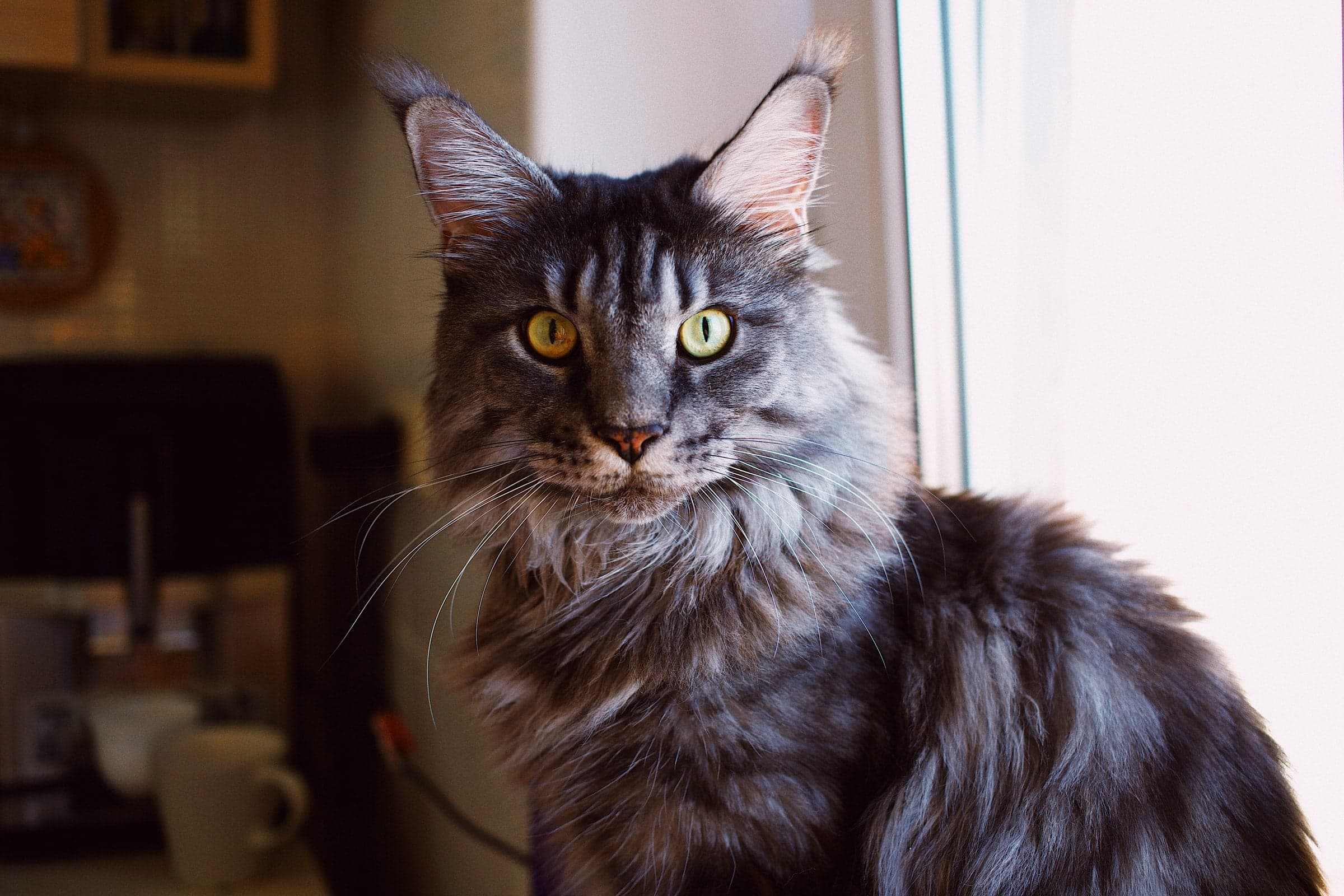
How Big Can Maine Coon Cats Get?
Maine Coon cats are one of the largest breeds of domestic cats in the world, with some males reaching up to 20 pounds or more when fully grown! Some believe that these cats originated in the state of Maine and are known as "gentle giants" due to their temperament and size. In this article, we will take a closer look at just how big Maine coon cats get.
Read more
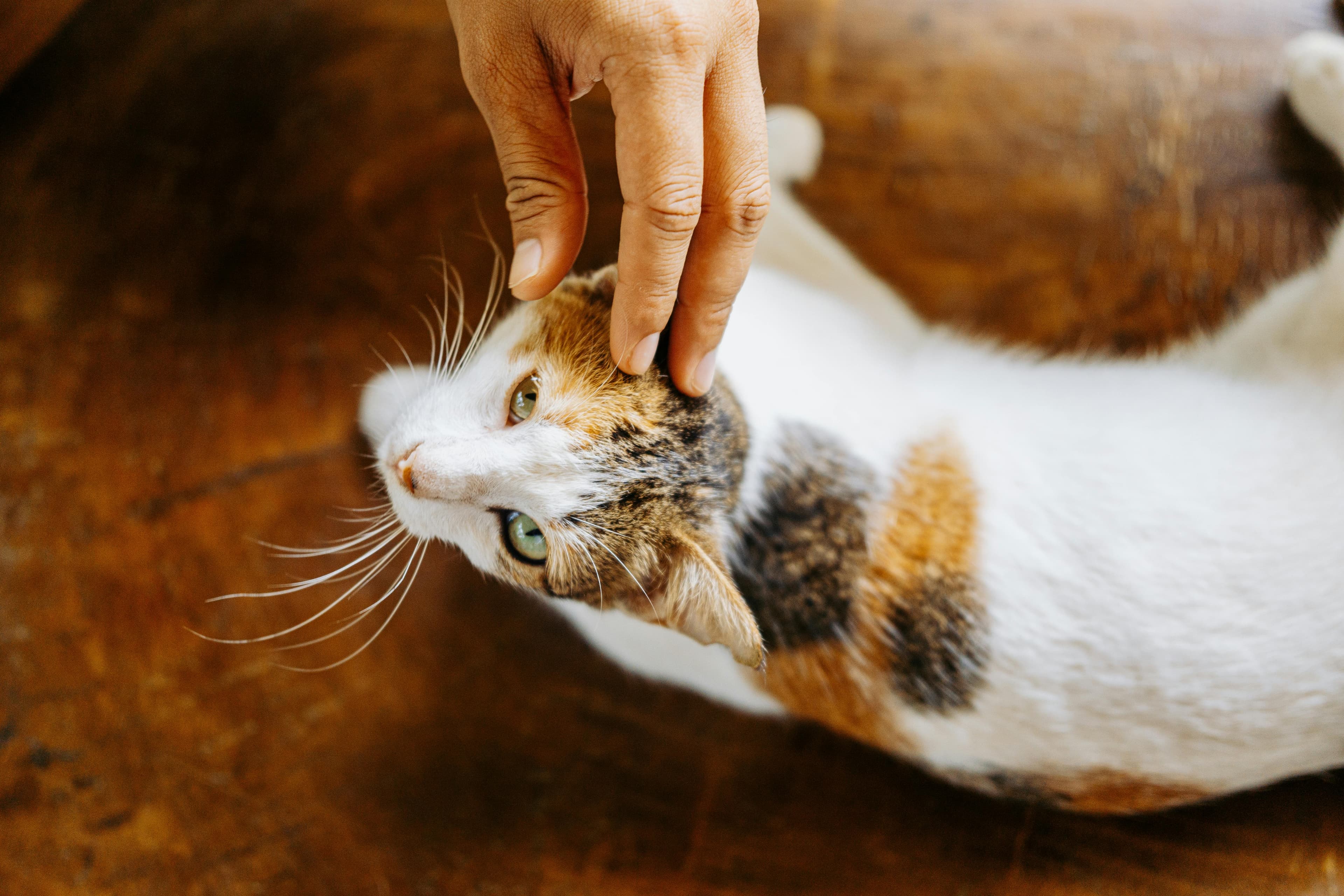
Can Cats Get Sick From Humans?
Cats can occasionally catch certain illnesses from humans, including some respiratory infections and viruses. Most cases are mild, but monitoring symptoms early still matters. Good hygiene and regular veterinary care lower the risk of transmission.
Read more
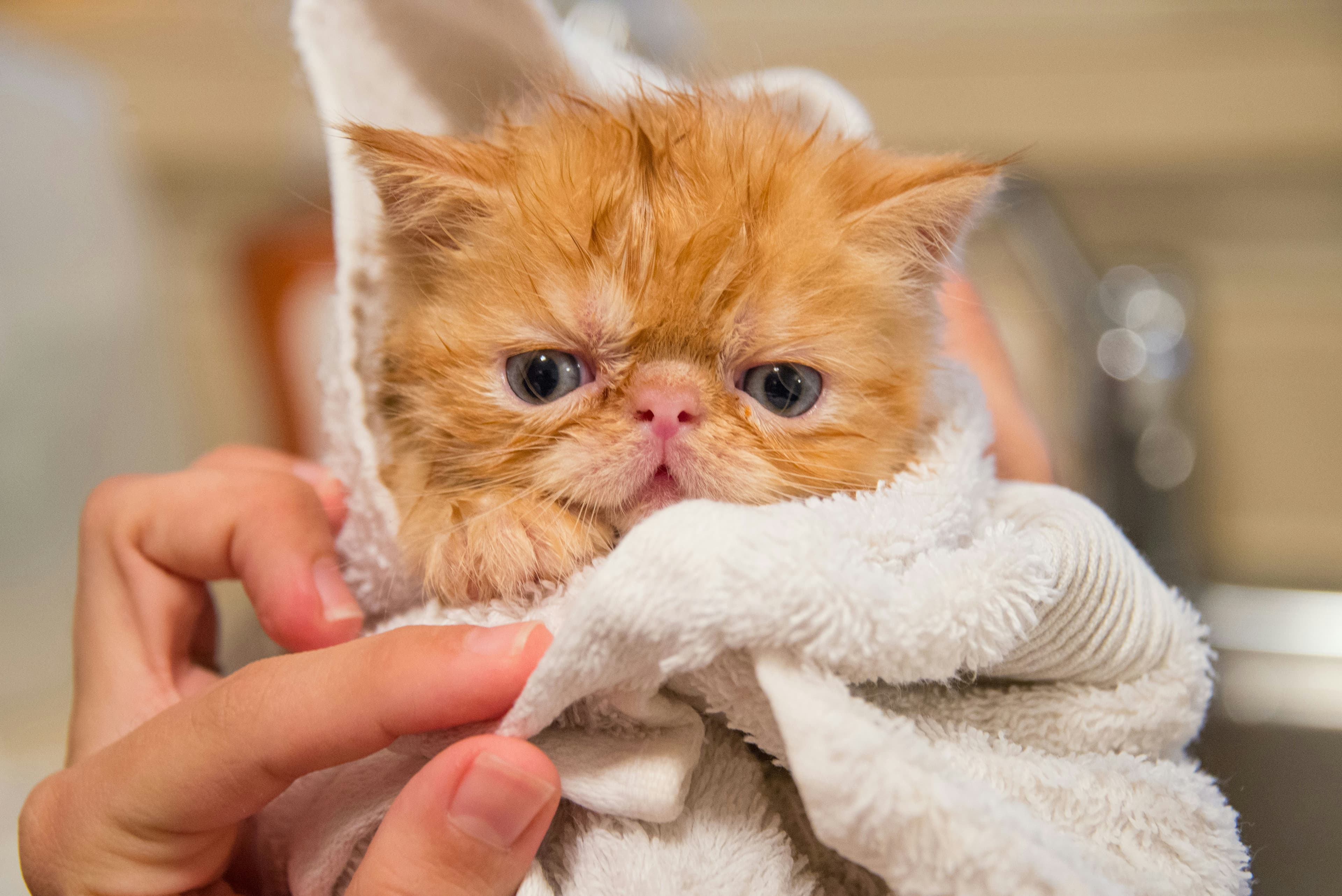
Persian Cats
Today we’re diving into the world of Persian cats! If you’ve ever wondered about their diet, care requirements, or unique personalities, you’re in the right place. We’ve also included some fun facts to help you get to know this beautiful and charming breed even better.
Read more
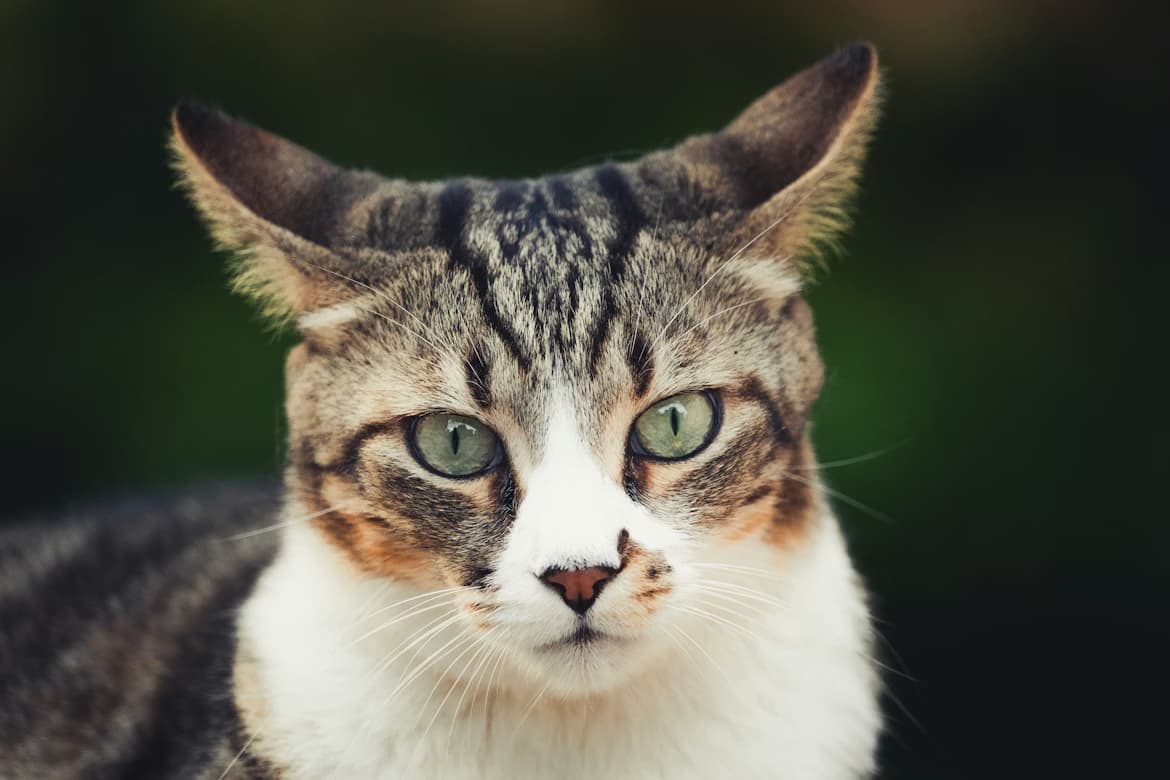
Airplane Ears in Cats

Cats use their ears to express a wide range of emotions. Well-known “airplane” ears can signal anything from alertness to relaxation. Observing their overall body language helps reveal what they’re really feeling.
Read more
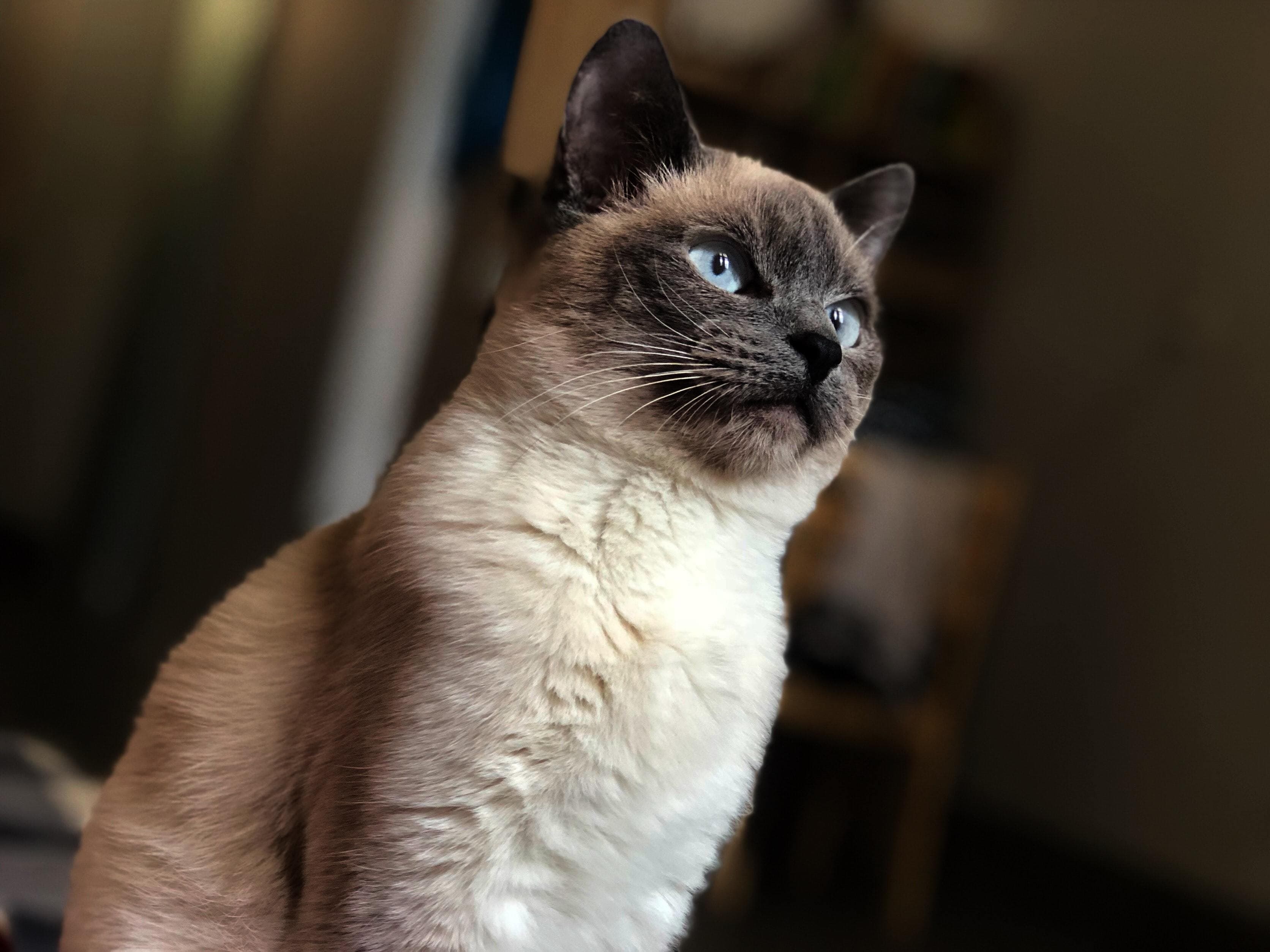
The Traditional Eastern Siamese – The Thai Siamese
The Traditional Siamese cat is a history lesson wrapped in a furry bow. Known by many names, this cat was royally envied. The Siamese breed is one of the most well-known cat breeds in the world, but did you know there are two distinctly different categories within the breed? Let us introduce you to one of the sides of the Siamese coin, the Traditional "Applehead" Siamese.
Read more
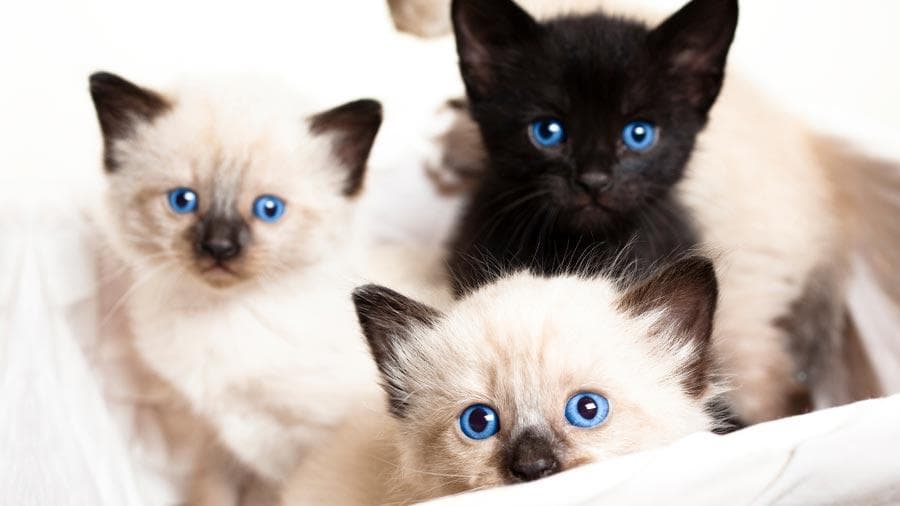
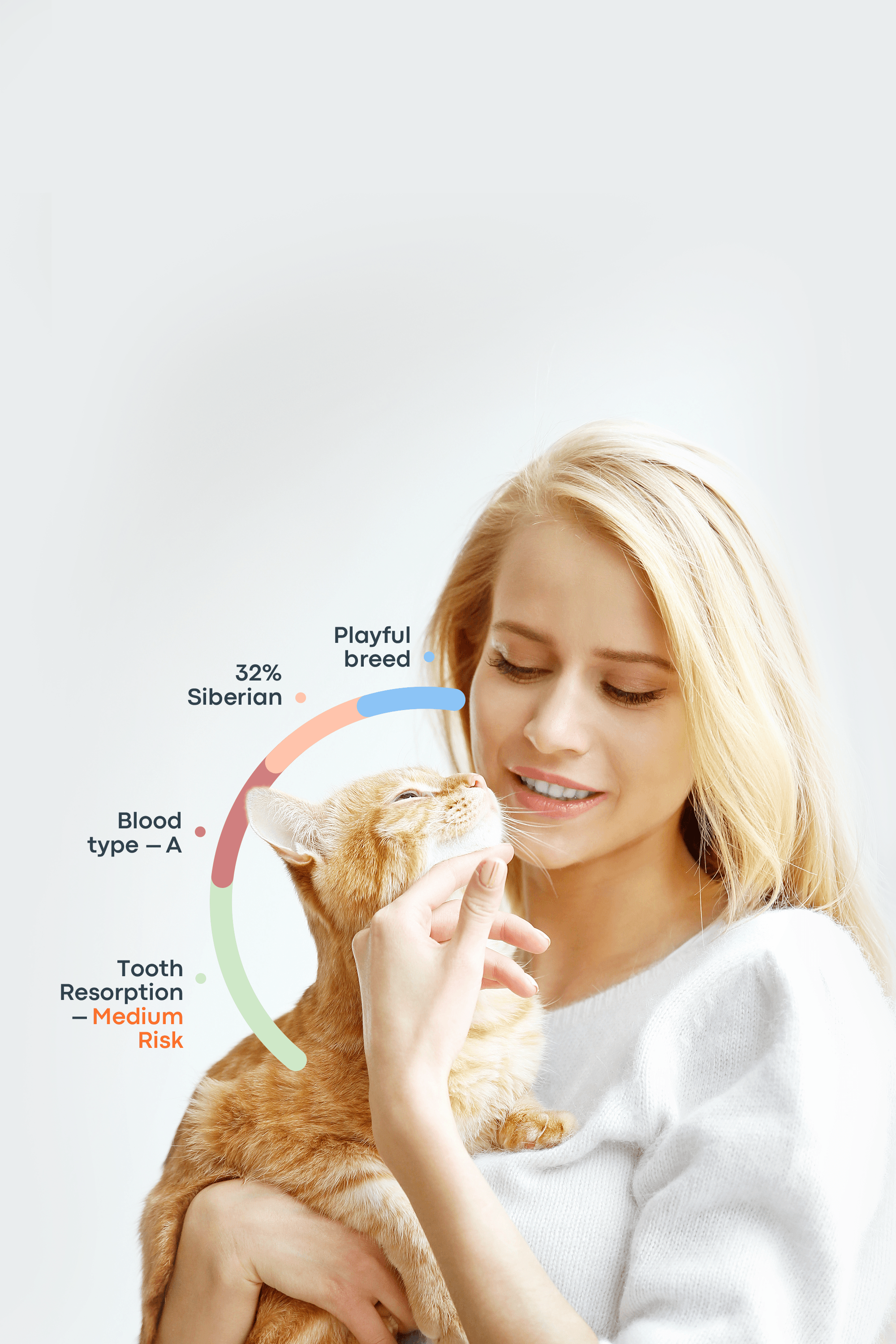
Basepaws is adding more breeds to DNA report
We are proud and excited about Basepaws' big update to our cat breed analysis report. This update is the culmination of many months of work and will be provided for free to our existing customers.
Read more
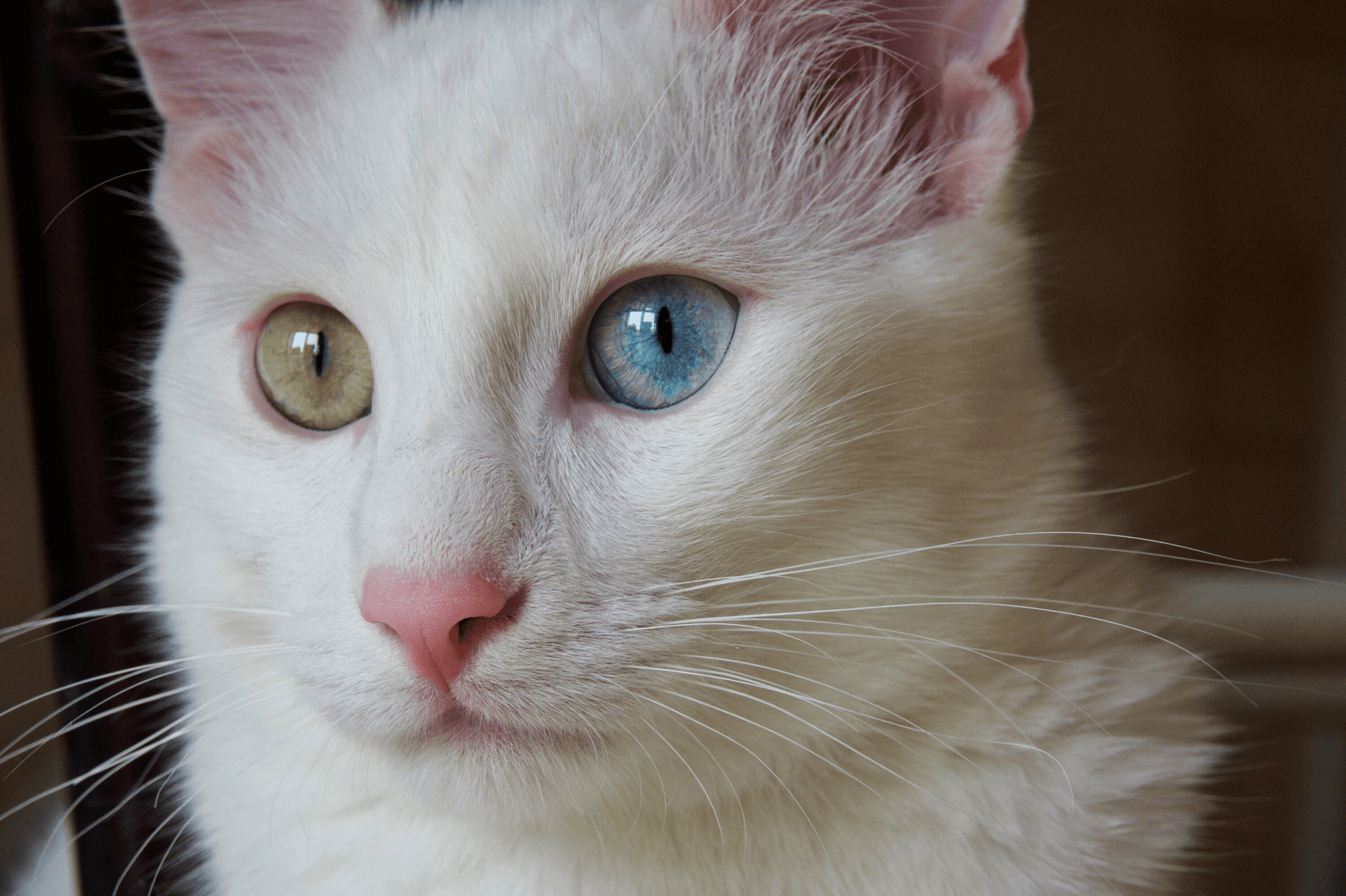
The Turkish Angora - Silky and Serene
With a coat that glistens and begs to be caressed, this big personality cat breed can charm even the most dedicated "dog people". The Turkish Angora is a stunning and outgoing breed that is sure to not only add beauty, but excitement to all they grace with their presence
Read more