

Cat



New Genetic Traits in the Basepaws Breed + Health Cat DNA Report
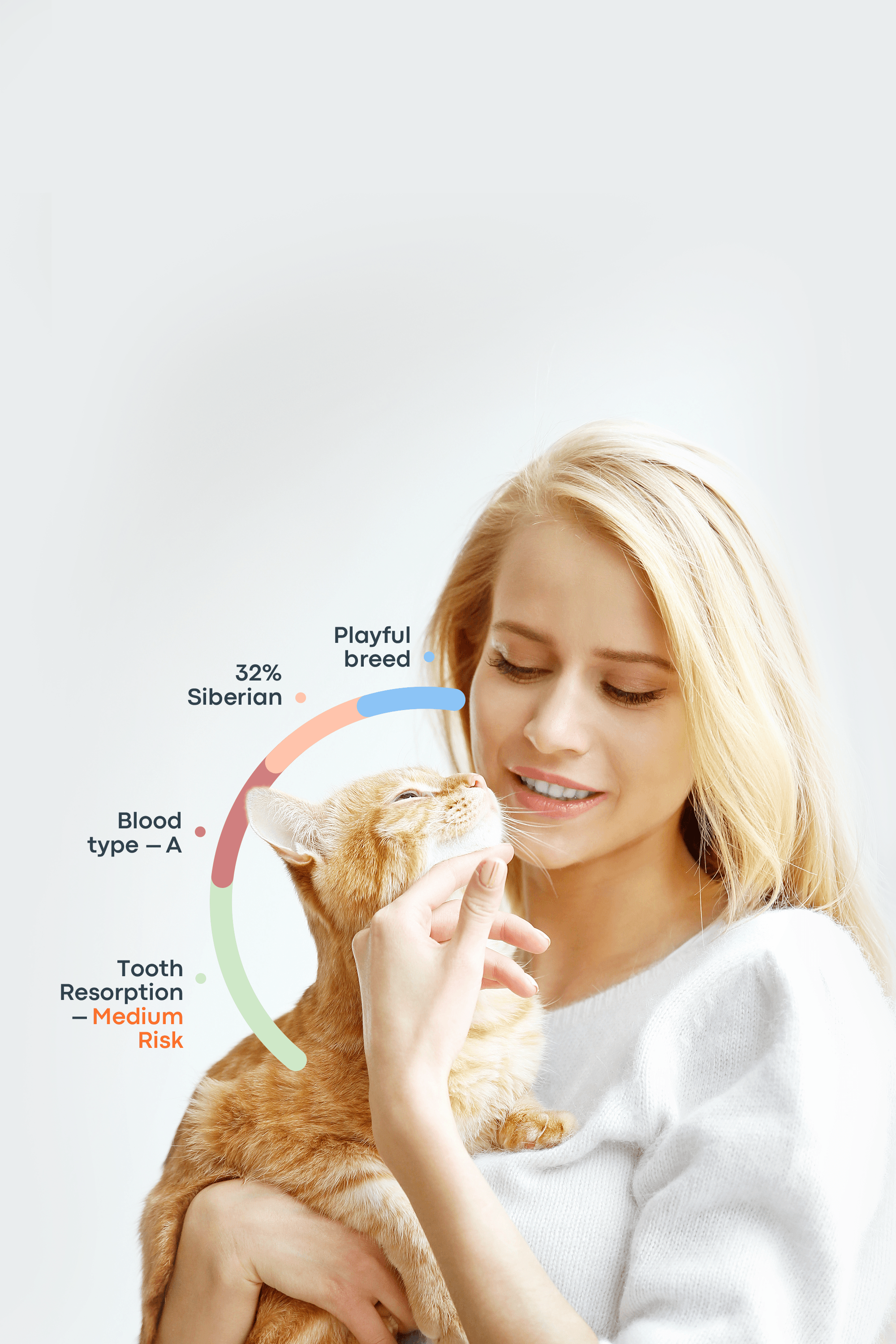
In this post, Basepaws shares important changes to its Cat DNA Test digital report. Learn about recent updates to genetic health markers, such as for the heart condition hypertrophic cardiomyopathy, and fun information about cat coat genetics.
Read more

Basepaws five-star scientific evidence grading system
The Basepaws Breed + Health Cat DNA test digital report now offers a five-star scientific evidence grading system for every genetic health and trait marker result. The genetic markers in our report represent a deep dive into the available feline genetics research, including the very latest findings.
Read more
Feline GI Lymphoma and IBD Research at Basepaws
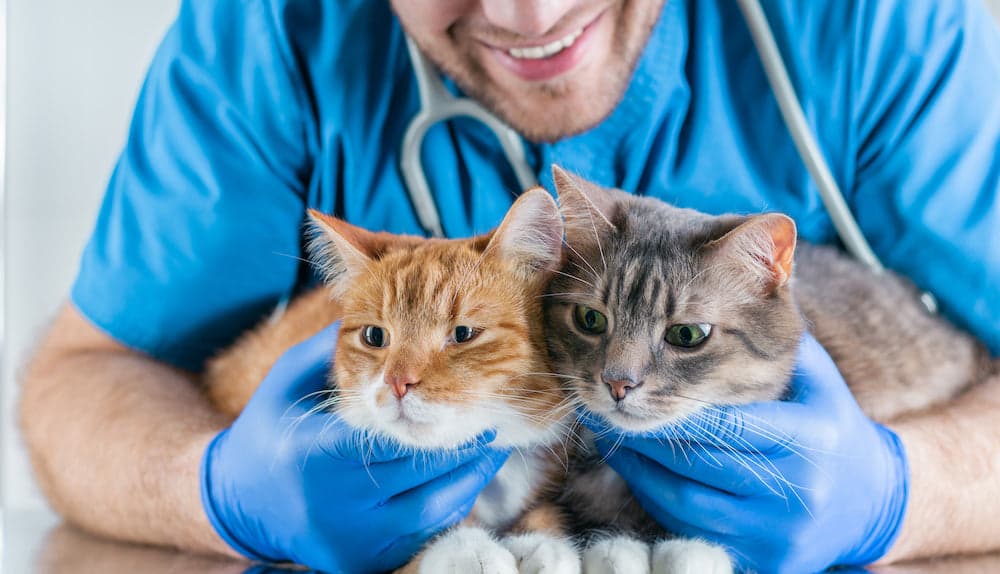
In collaboration with an amazing community of citizen scientists and veterinary partners, Basepaws is advancing its work to uncover the genetic and dental health factors associated with chronic feline diseases.
Read more

Tooth Resorption in Cats
Tooth resorption – also known as feline odontoclastic resorptive lesion (FORL) – is a dental disease characterized by progressive erosion of dentin and tooth destruction. This is a common feline dental disease affecting between 20 and 60% of all cats. Here is what you, as a cat parent, need to know about this commonly underdiagnosed dental health concern.
Read more

Introducing Basepaws Cat Dental Health Test: The best new way to keep your cat's teeth healthy.
Did you know that dental disease is the #1 condition affecting cats? 70% of cats have developed some form of dental disease by the time they are 3 years old. I don’t want to scare you, but periodontal disease affects up to 80% of ALL adult cats. Gum disease affects 70% of all cats. Tooth resorption affects up to 60% of all cats, and over 70% of cats over the age of five. These statistics are appalling, made even worse by the fact that our cats can’t talk, and thus suffer until it’s too late.
Read more

Encyclopedia of Cat Chromosomes, Diseases and Traits
Many pet parents in the Basepaws community expressed an interest in learning more about what genes reside on each cat chromosome, and about the "Chromosome Map." In this blog, we share all that is currently known about feline chromosomes and genes associated with hereditary conditions and traits.
Read more
Top 10 signs of dental disease in cats
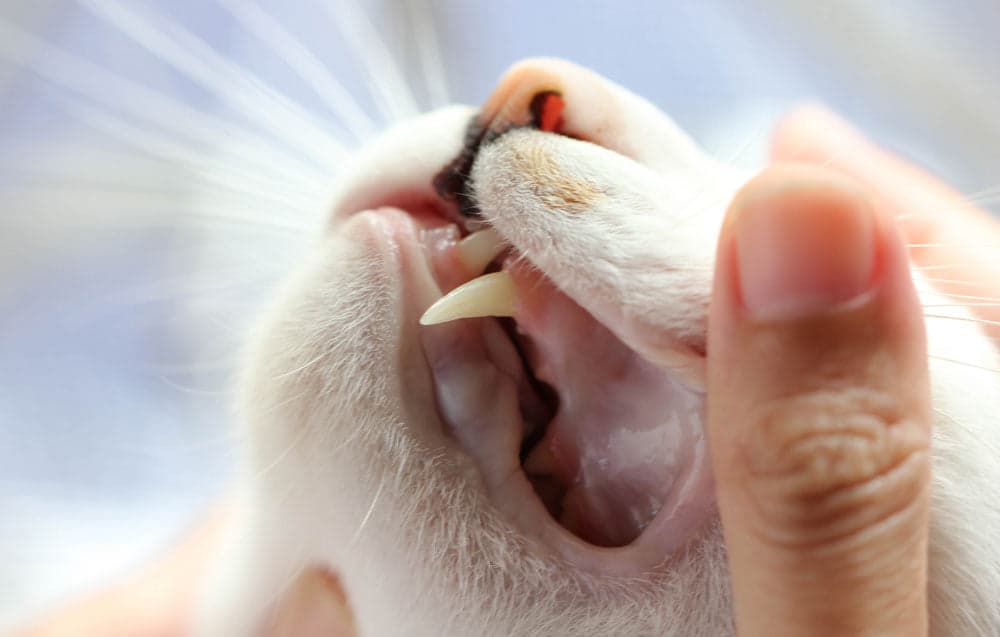
Dental disease can be painful, expensive, and even life-threatening. Since cats don’t brush their teeth everyday like we do, many of them will develop dental disease as early as when they are just 3 years old!
Read more