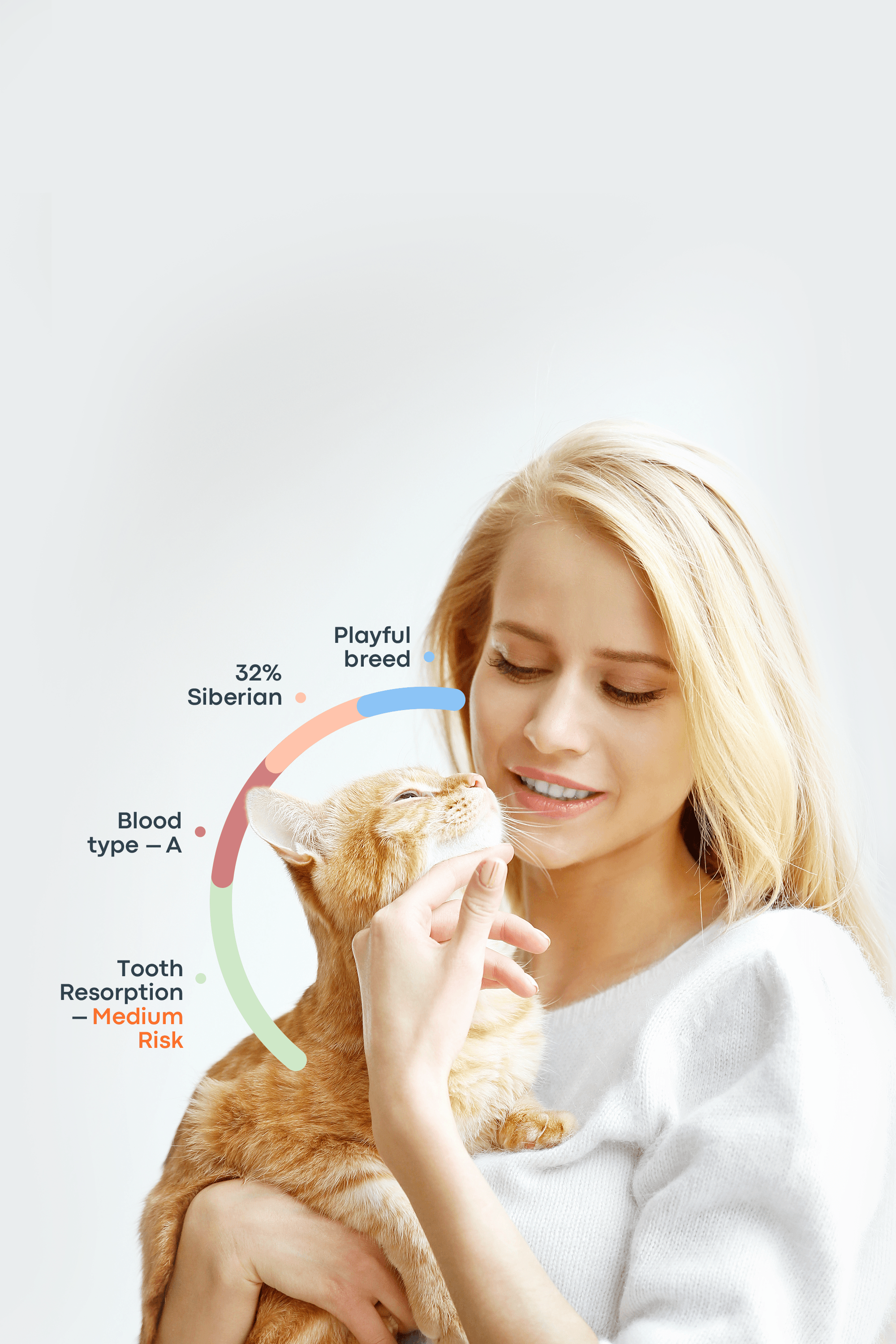
Don't know your cat's breed?
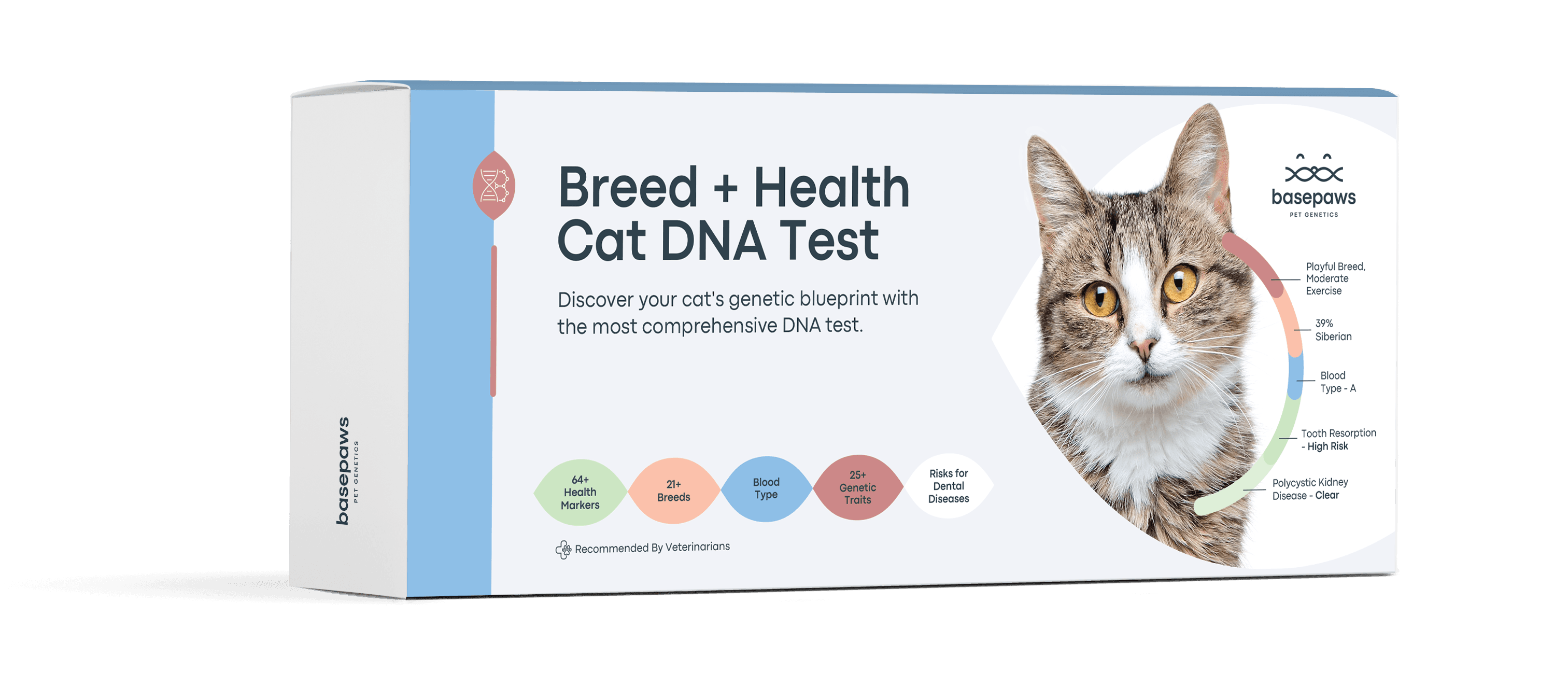
Get our DNA kit!
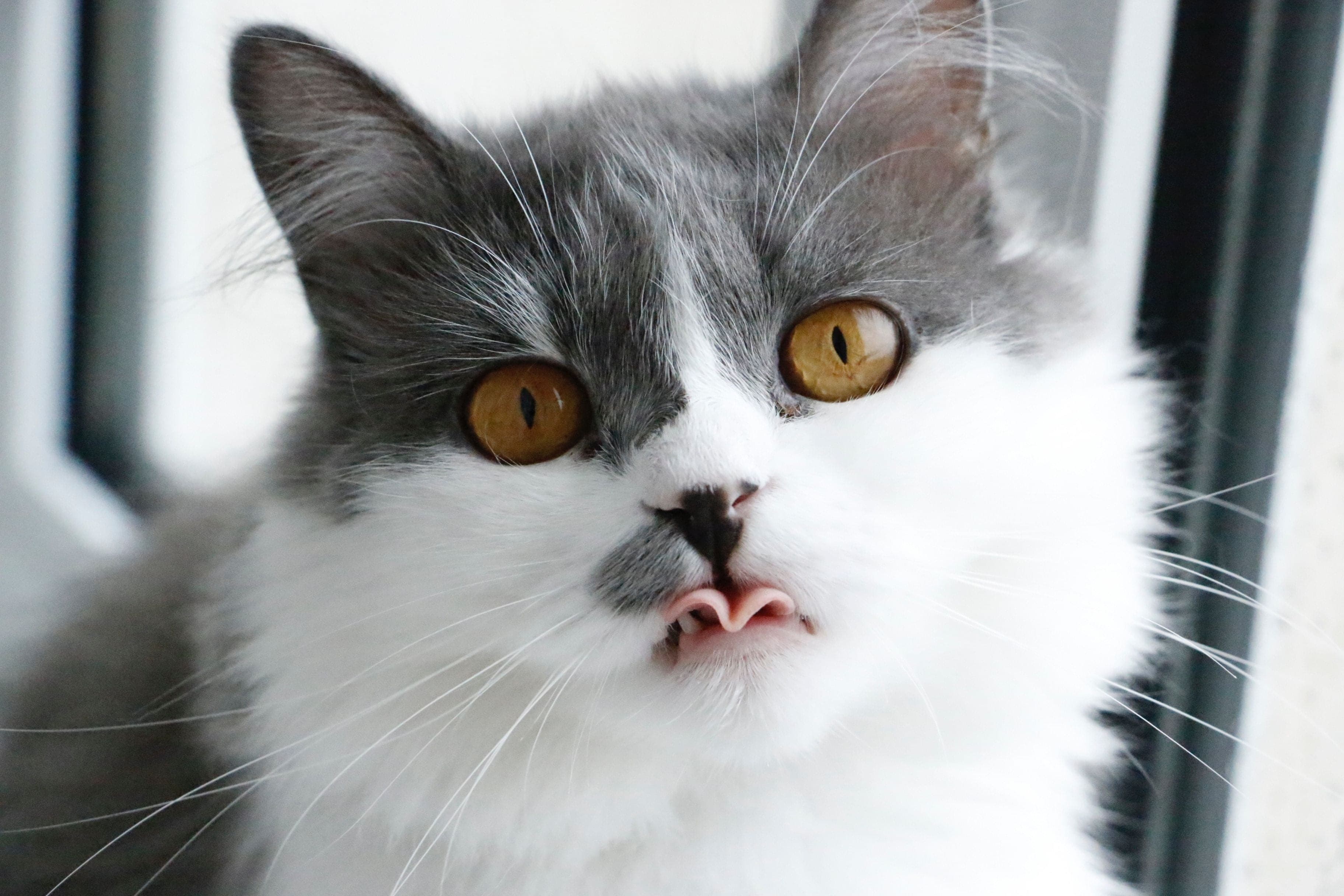
Over 50% of American cats are overweight. The following article will inform you on health risks associated with cat obesity all cat owners need to know.

Virtual care is becoming an important facet of the future of veterinary care that is predicted to stay even after the pandemic. With virtual veterinary care, you can get sound advice from trusted veterinary professionals without leaving your home and stressing out your cat. Learn about veterinary telehealth and telemedicine in this blog.
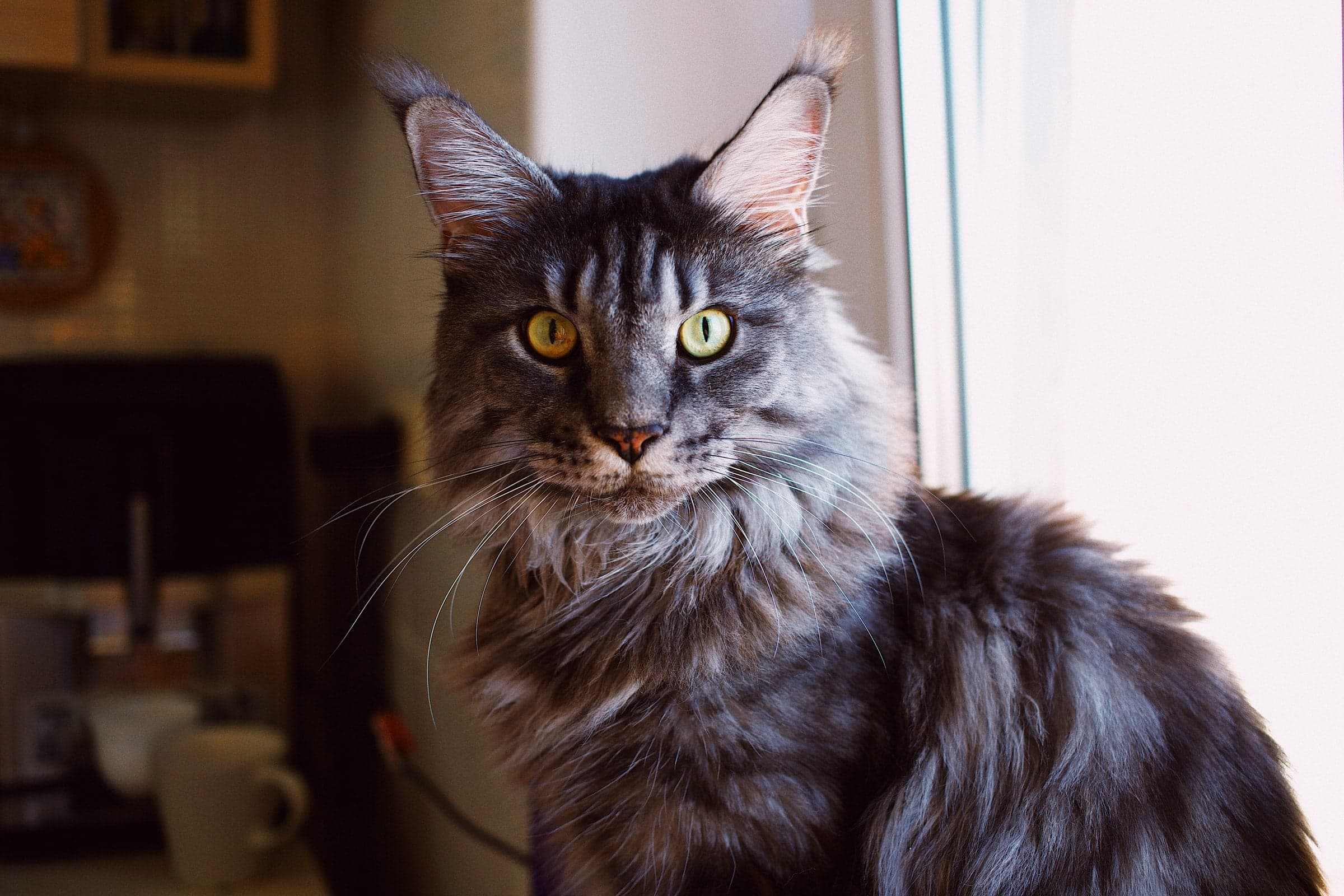
Maine Coon cats are one of the largest breeds of domestic cats in the world, with some males reaching up to 20 pounds or more when fully grown! Some believe that these cats originated in the state of Maine and are known as "gentle giants" due to their temperament and size. In this article, we will take a closer look at just how big Maine coon cats get.
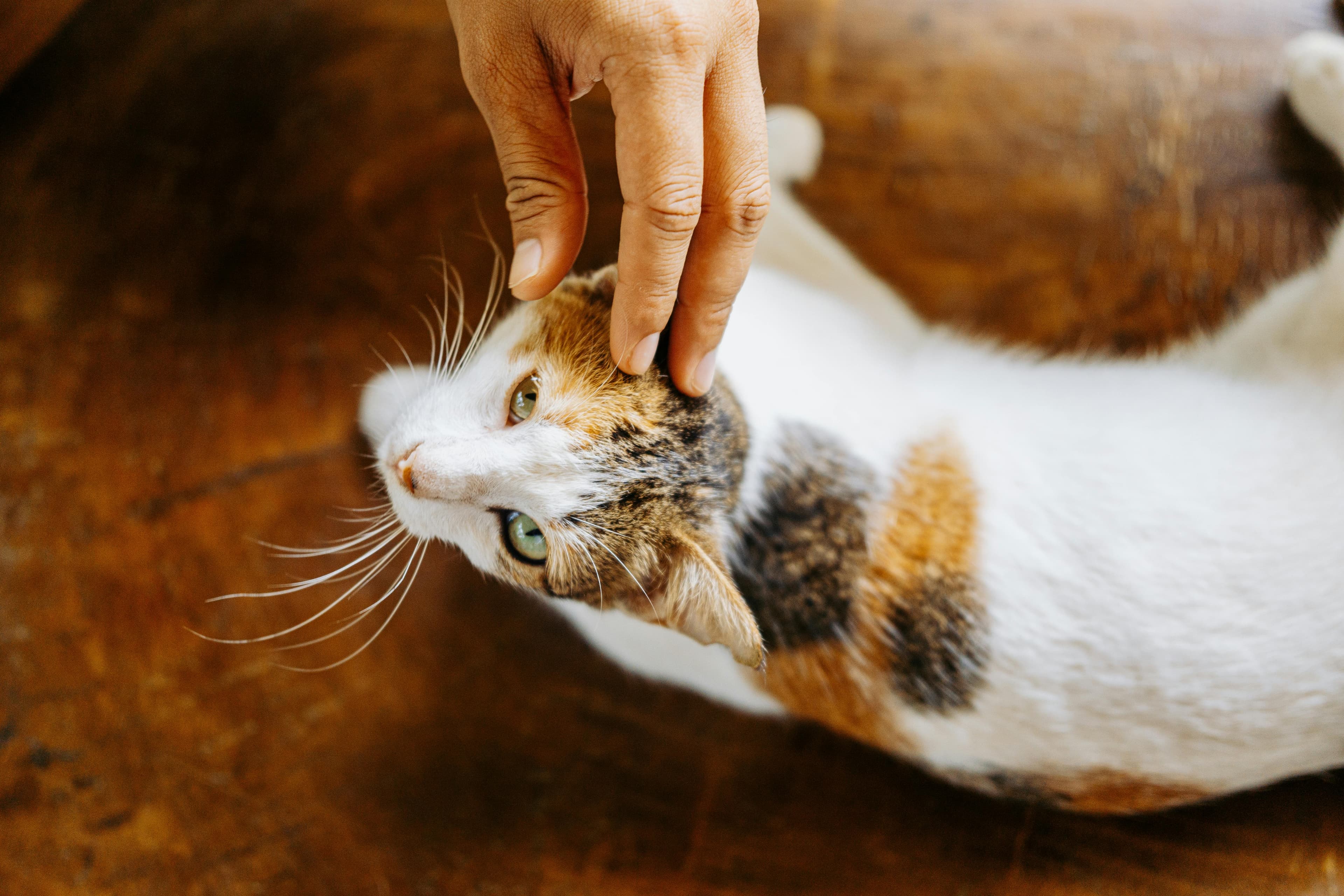
Cats can occasionally catch certain illnesses from humans, including some respiratory infections and viruses. Most cases are mild, but monitoring symptoms early still matters. Good hygiene and regular veterinary care lower the risk of transmission.
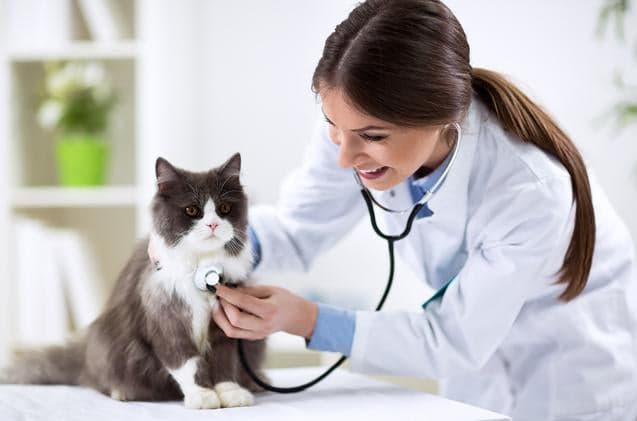
As we look at the news today, the Coronavirus Disease, commonly called COVID-19, is dominating the headlines. This virus, which likely originated in bats, has been able to spread to people and thrive, spreading to almost all countries around the world.
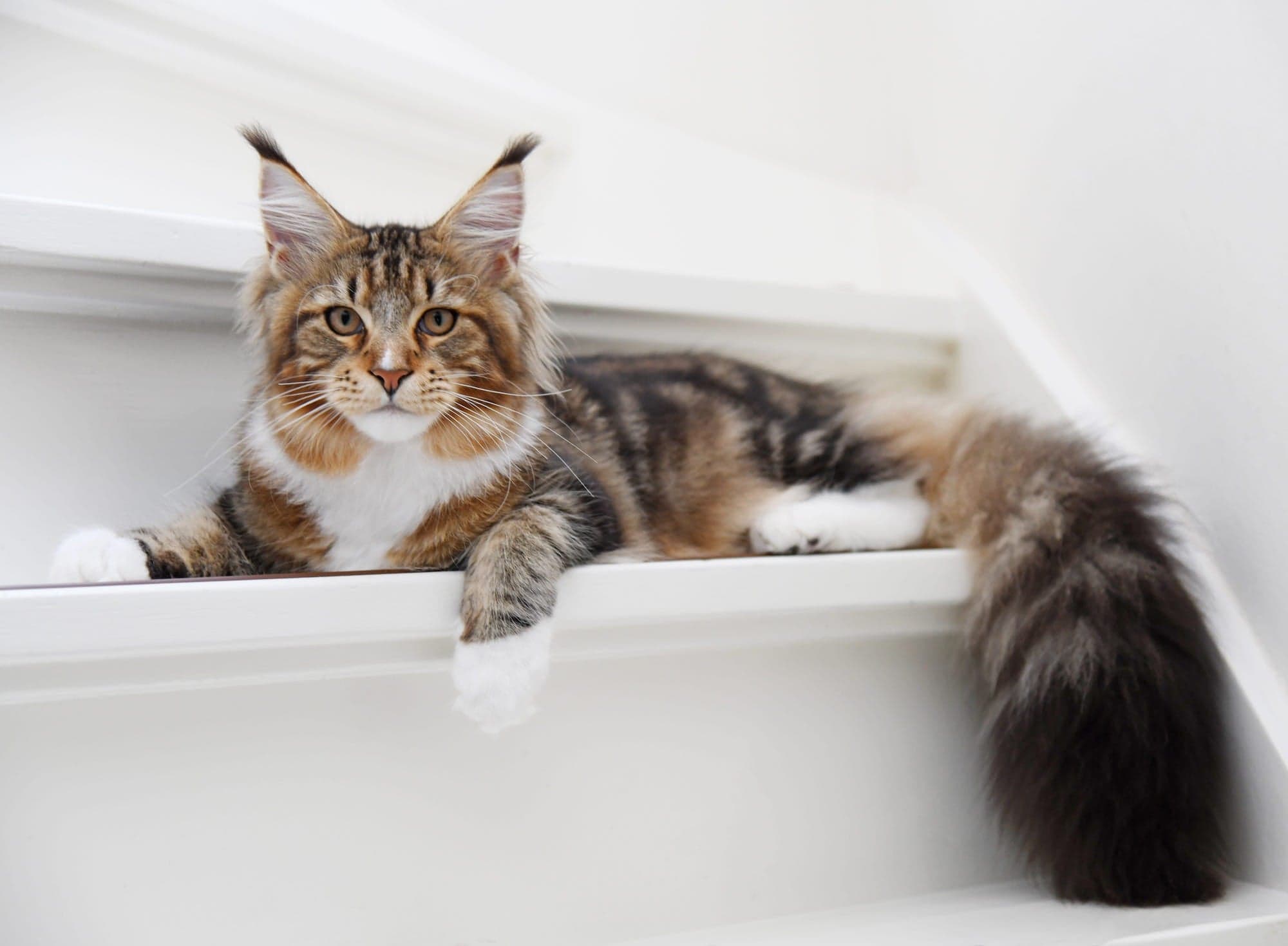
Chronic Kidney Disease (CKD) is a disease common in both cats and people. If your veterinarian has determined that kidney damage has been ongoing for more than 3 months, it is considered chronic and will require close monitoring and intervention.
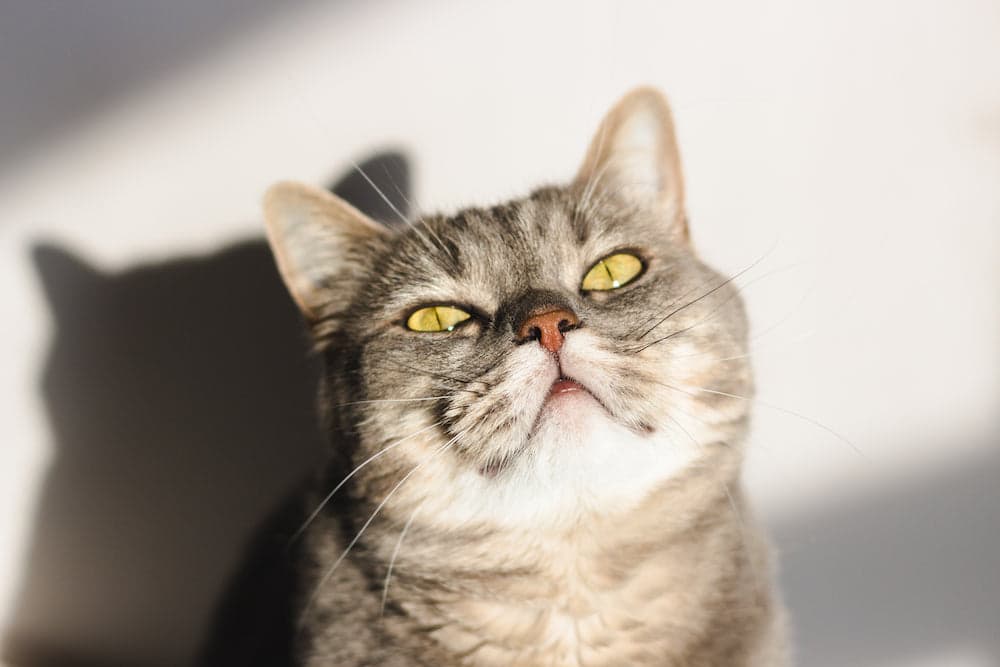
As Basepaws sees it, a deeper understanding of the genetic factors that contribute to feline longevity can support cats to live longer, but more importantly, do so in ways that help them enjoy their golden years with fewer instances of pain and illness. To make this a reality for all cats, Basepaws initiated a longevity research partnership with Ernie Ward, DVM, CVFT, founder of Project 25, which aims to extend feline life expectancy by 25 percent by the year 2025.
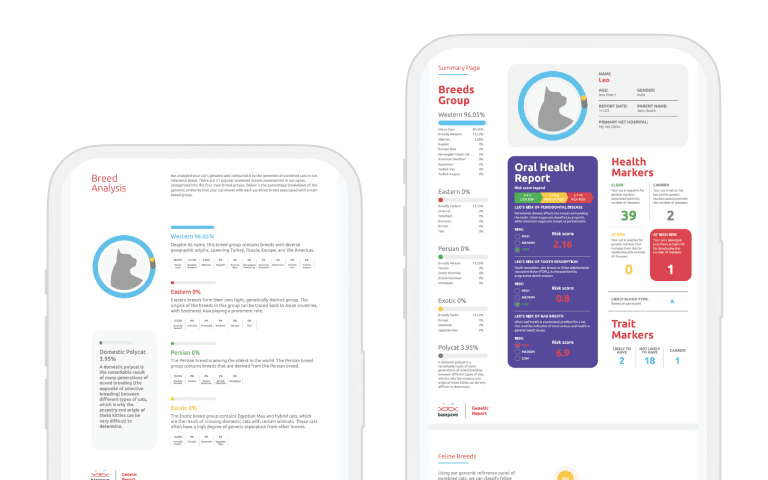
Enter your email to receive a sample cat report and preview the breed and health insights inside.