
Cat

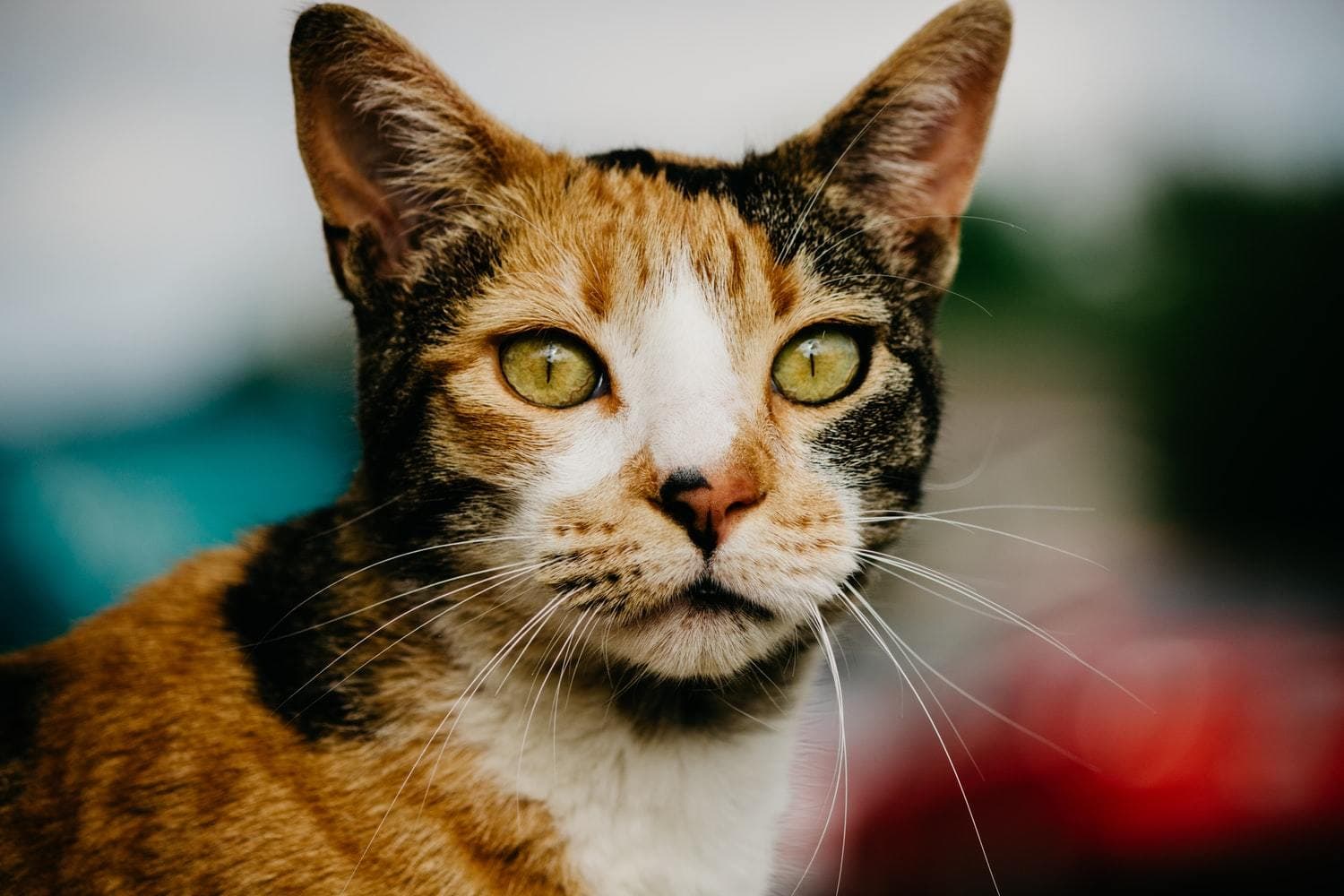
The Peculiar Case of Cat Eye Colors
Have you ever been mesmerized by your kitties eyes? Here we briefly cover the science and genetics of cat eye colors. Read up!
Read more

Cat Coat Genetics
Have you ever wondered about the role of genetics in your cat’s captivating looks? Here is a short guide through the cat coat genetics.
Read more
Basepaws Health Report: List of Genetic Conditions and Traits
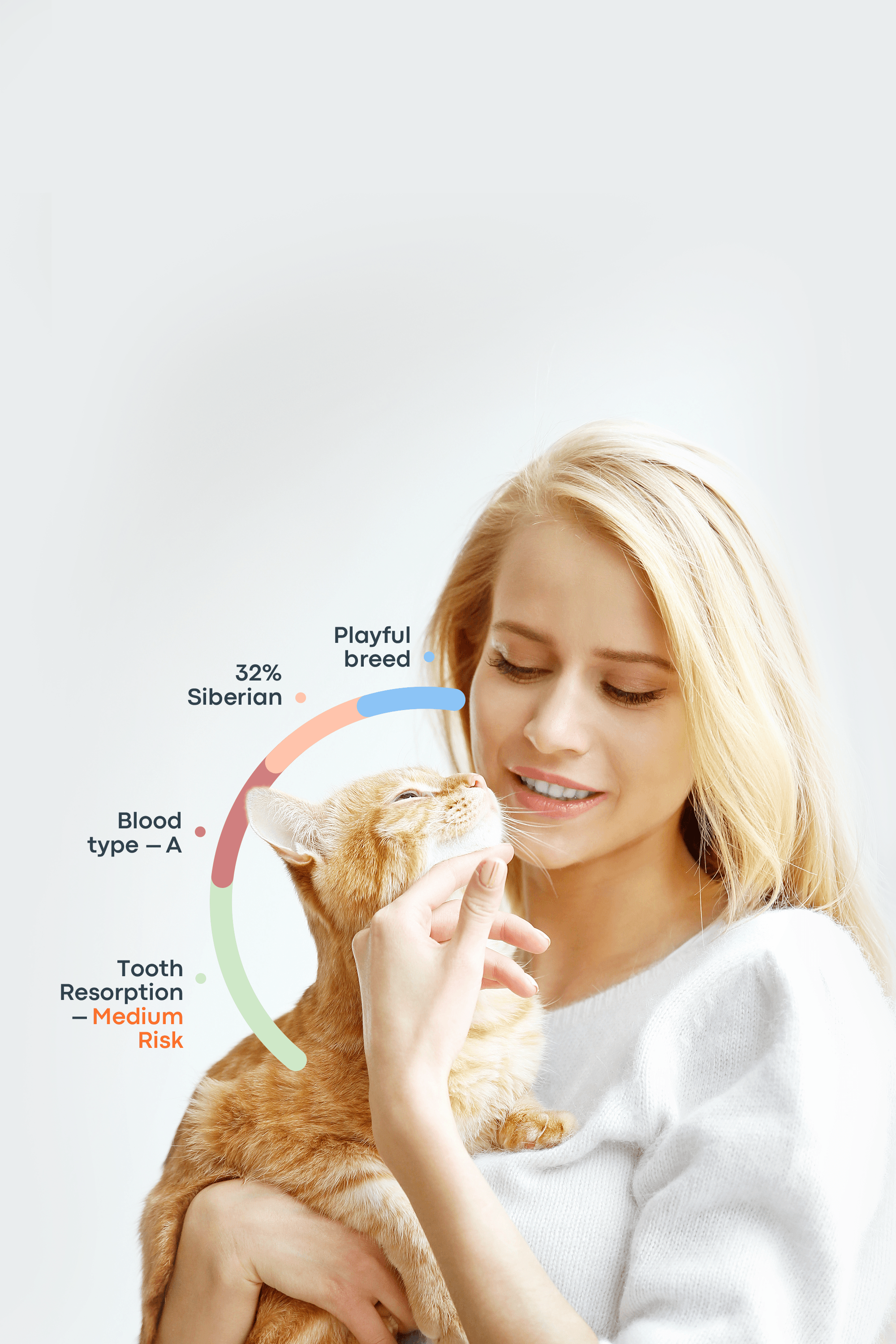
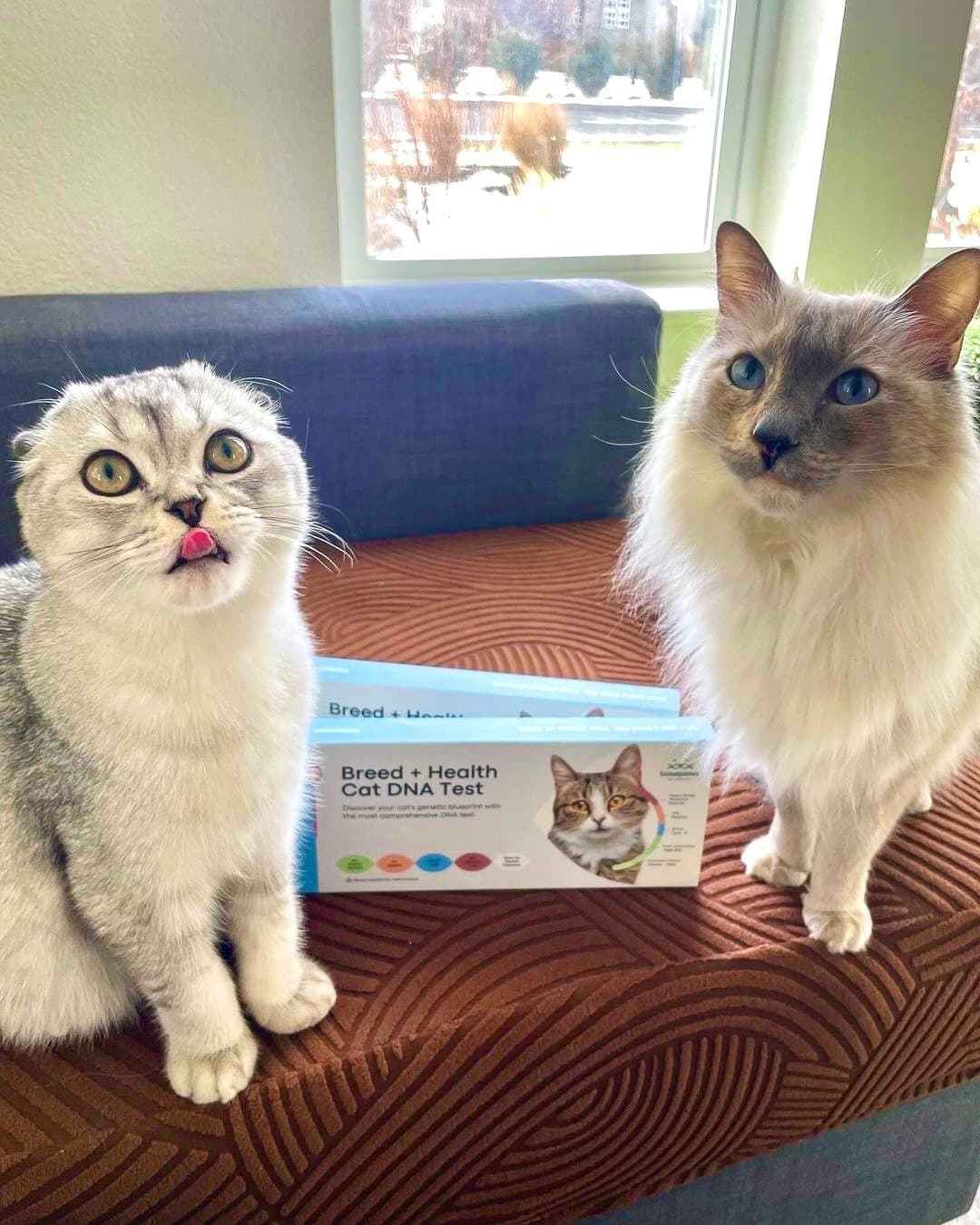
Basepaws has added new genetic health and trait markers to its flagship Breed + Health Cat DNA test. In the Health Marker section of your cat’s report, Basepaws provides their results related to 43 genetic disorders that are represented by 64 health markers.
Read more

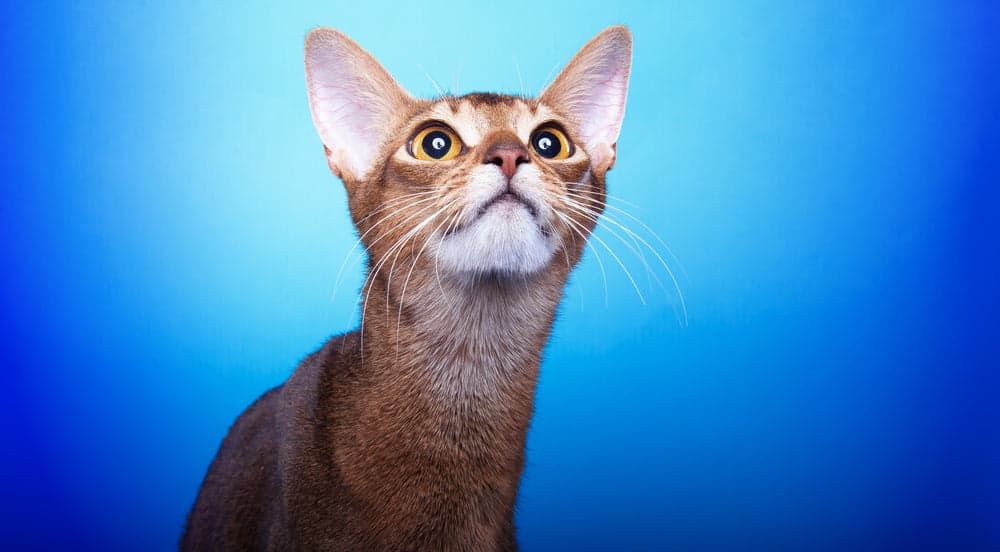
Top 10 Rarest Coat Colors and Patterns in Cats
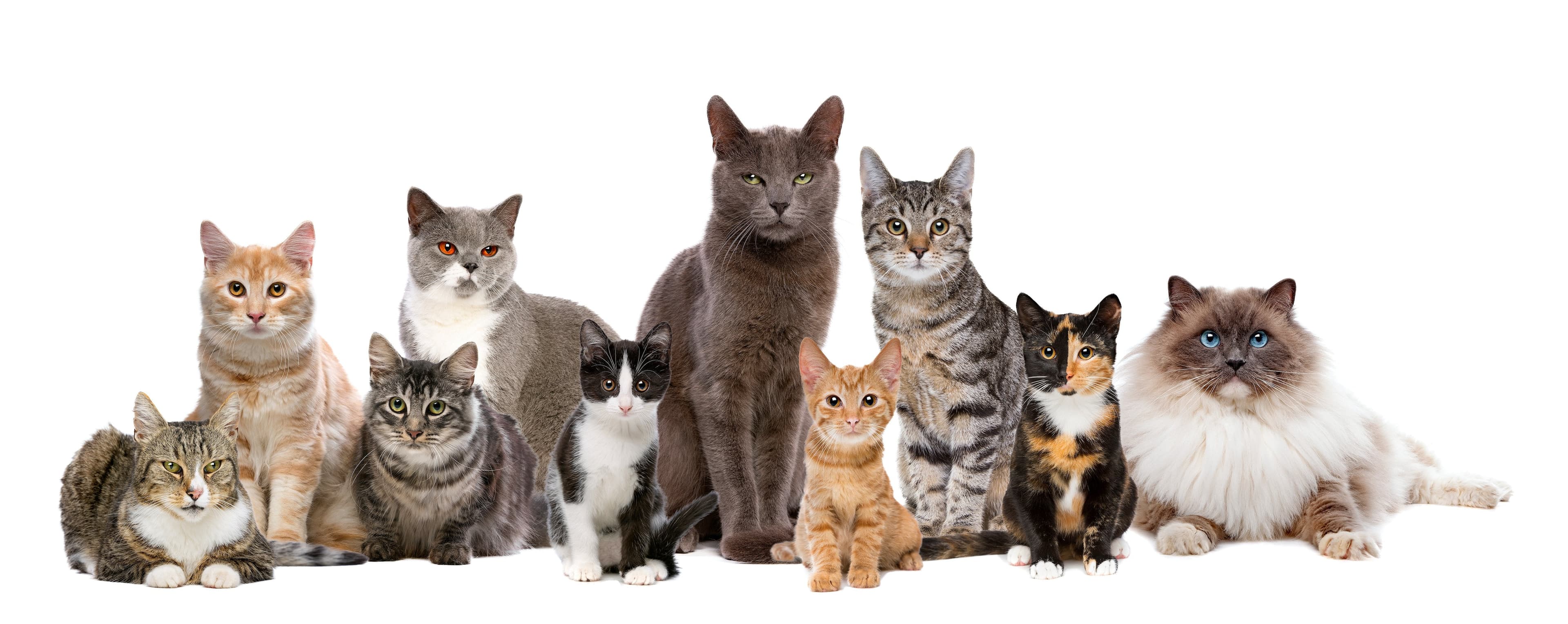
Black, white, brown, orange, or a bit of everything? Cats come in so many different colors and patterns that it’s simply too difficult to choose a favorite. The captivating colors of your special little kitty are written in its DNA, and some variations seem to be particularly beautiful and rare. Here are the top 10 rarest coat colors and patterns in cats. Do you have a favorite?
Read more
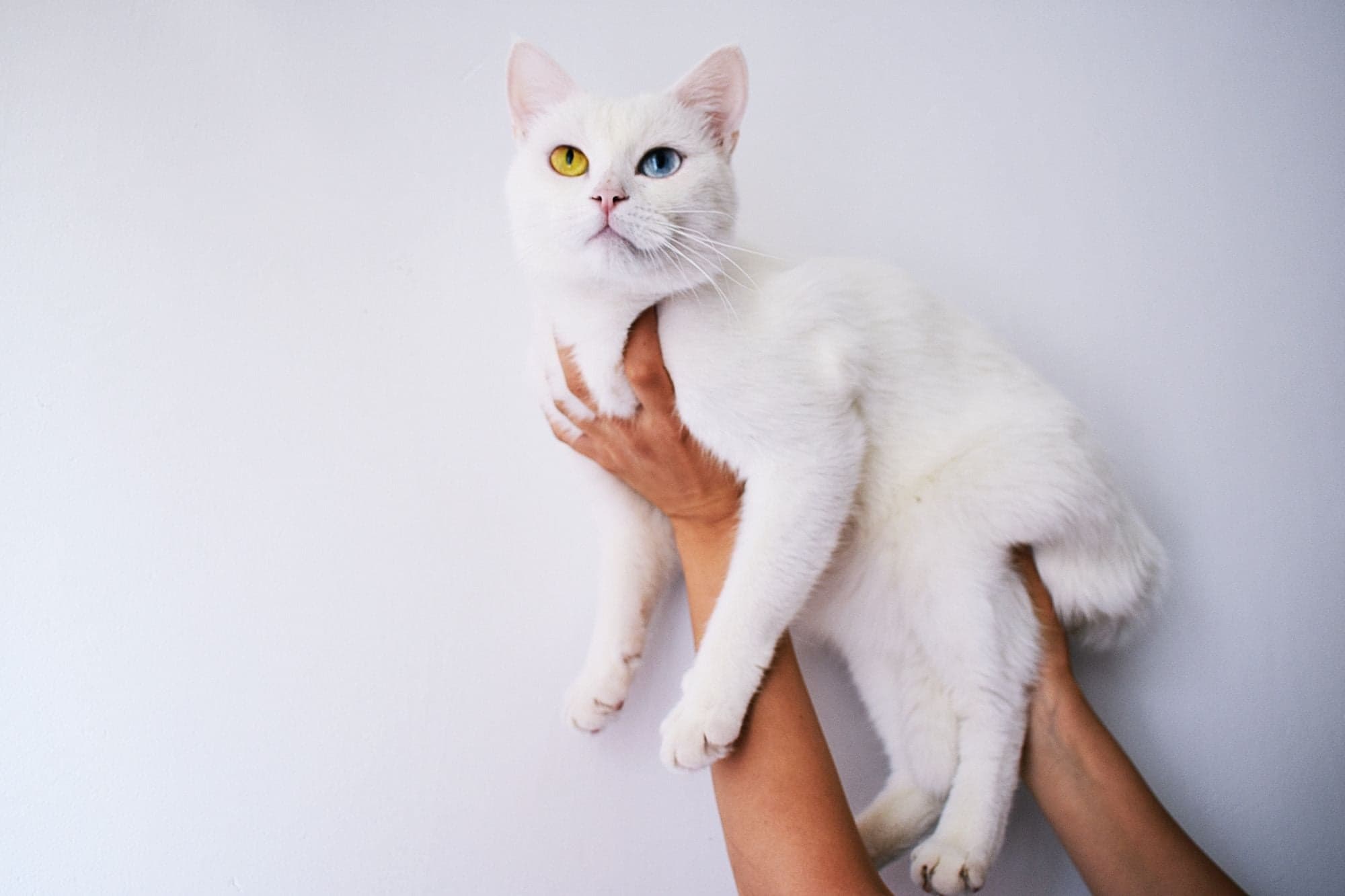
Odd Eyes in Cats (Heterochromia)
If your beautiful feline’s eyes are two different colors – yellow and blue perhaps – then you’ve got yourself an odd-eyed kitten! These captivating little creatures are carriers of a feline form of a condition known as complete heterochromia. Heterochromia in cats is a captivating genetic anomaly most commonly observed in white kitties.
Read more
Why Should I DNA Test My Cat?
Basepaws provides pet parents like you with comprehensive DNA tests and informative resources to help your cat to live their best life. A quick and easy at-home swab of your kitty's mouth offers a world of valuable information about their unique breed mix, genetic predisposition to 43 health conditions, and genetic traits responsible for their fabulous appearance.
Read more