
Cat

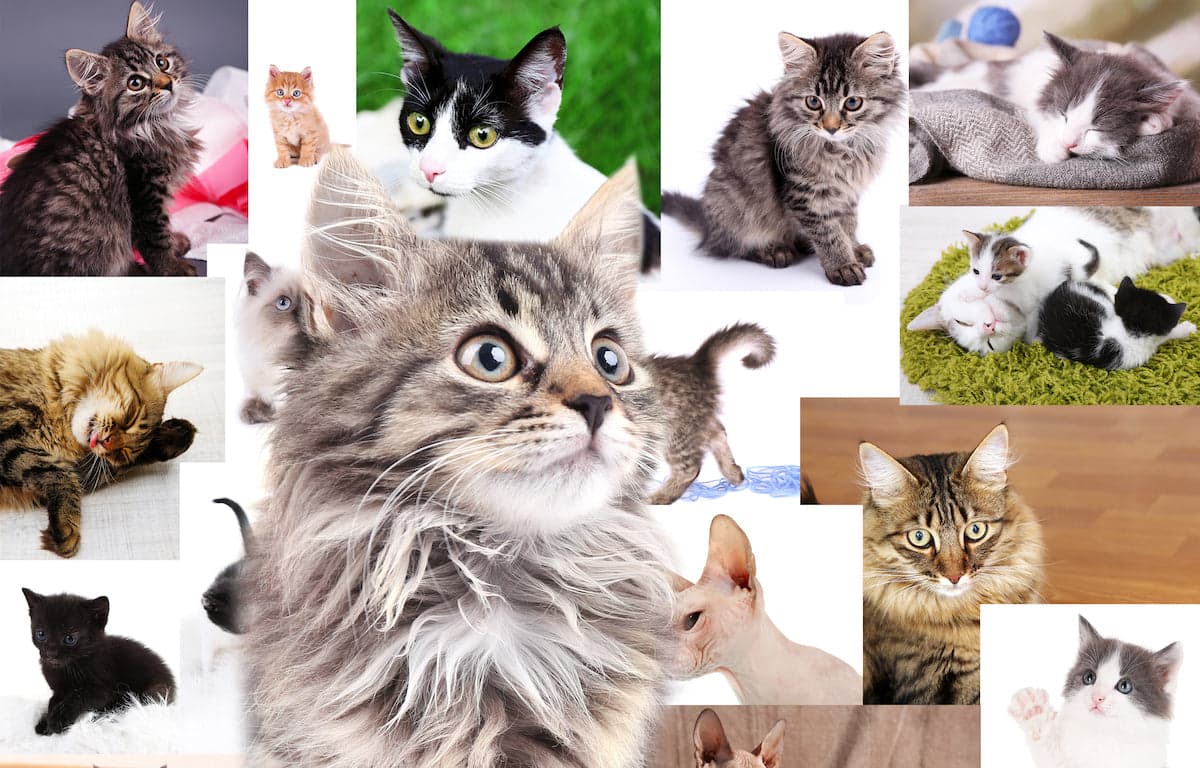
The Fascinating Felines of Basepaws
We’re so excited to share that the latest results from the Basepaws Feline Health History Questionnaire are in! For the past two years, amazing pet parents like you in our customer and/or citizen science research community have filled out this questionnaire to help us learn about your furry family members’ physical appearance, health, eating habits, behaviors, and more.
Read more
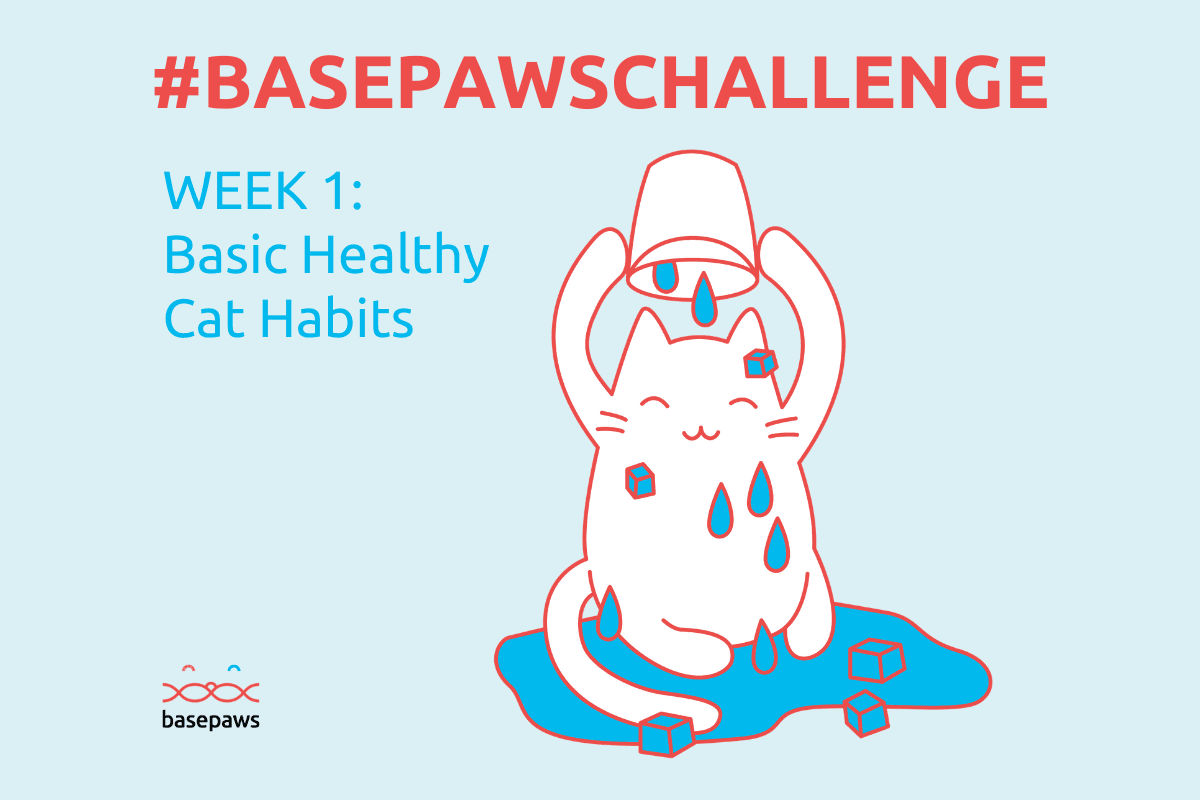
#BasepawsChallenge: Keep Your Cat Healthy (Week 1)
This week we will be learning good habits to help track the overall health of our cats and how to keep your cat healthy. By learning what is normal for your cat you will be able to identify when something is abnormal.
Read more
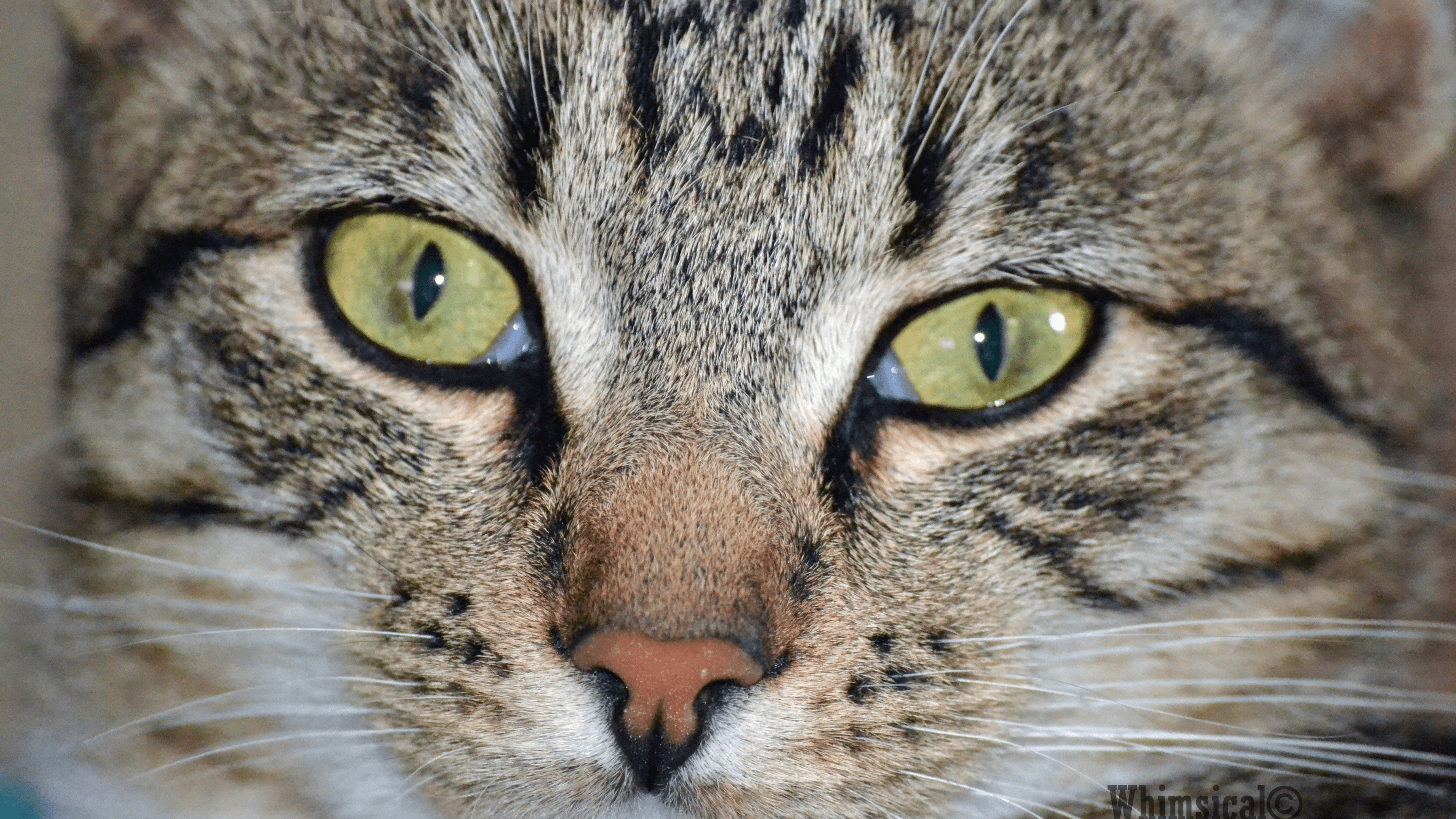
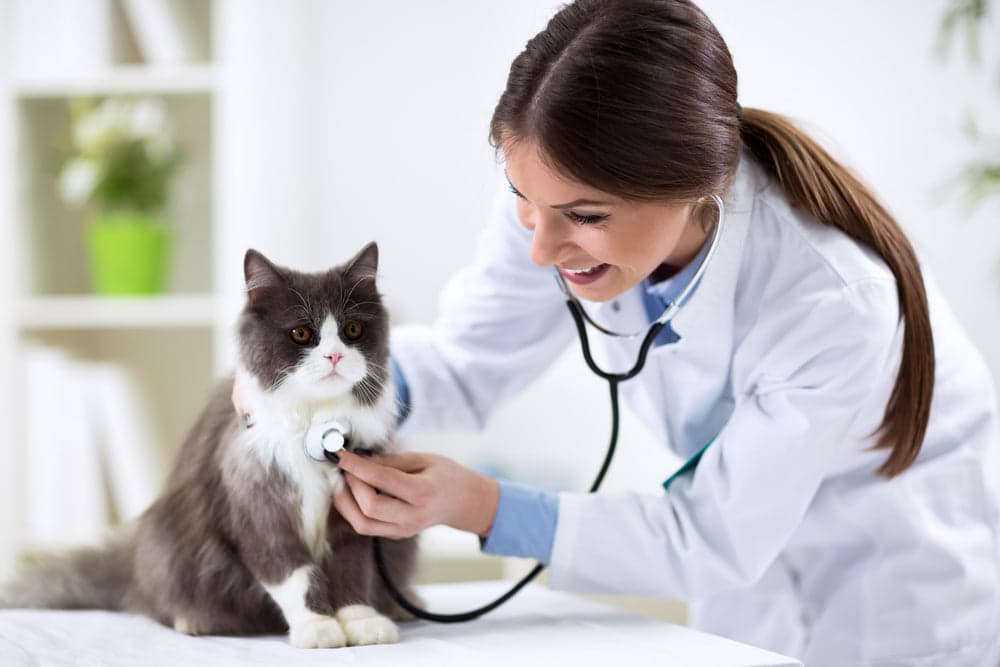
Acute Intermittent Porphyria in Cats: Background, Breeds at Risk, Symptoms, Diagnosis, and Treatment
Porphyrias is a term for a group of rare metabolic disorders that affect a cat’s ability to produce heme. Heme is an essential part of hemoglobin—a protein found in red blood cells that brings oxygen from a cat’s lungs to other parts of their body. Different types of porphyrias can occur in cats, as well as in humans and other animals. In this blog, we’ll discuss acute intermittent porphyria (AIP) in cats, its symptoms, and how it is diagnosed and treated by veterinarians.
Read more

Genetic Health + Trait Marker Changes to the Basepaws Report
From time to time, we update the Basepaws digital report of results for our Breed + Health Cat DNA Test. Today, we’d like to take a moment to share some details about two recent changes to our report—one for a genetic health marker linked to the common cat heart condition hypertrophic cardiomyopathy, and one for a genetic trait marker associated with the Siamese colorpoint coat pattern.
Read more
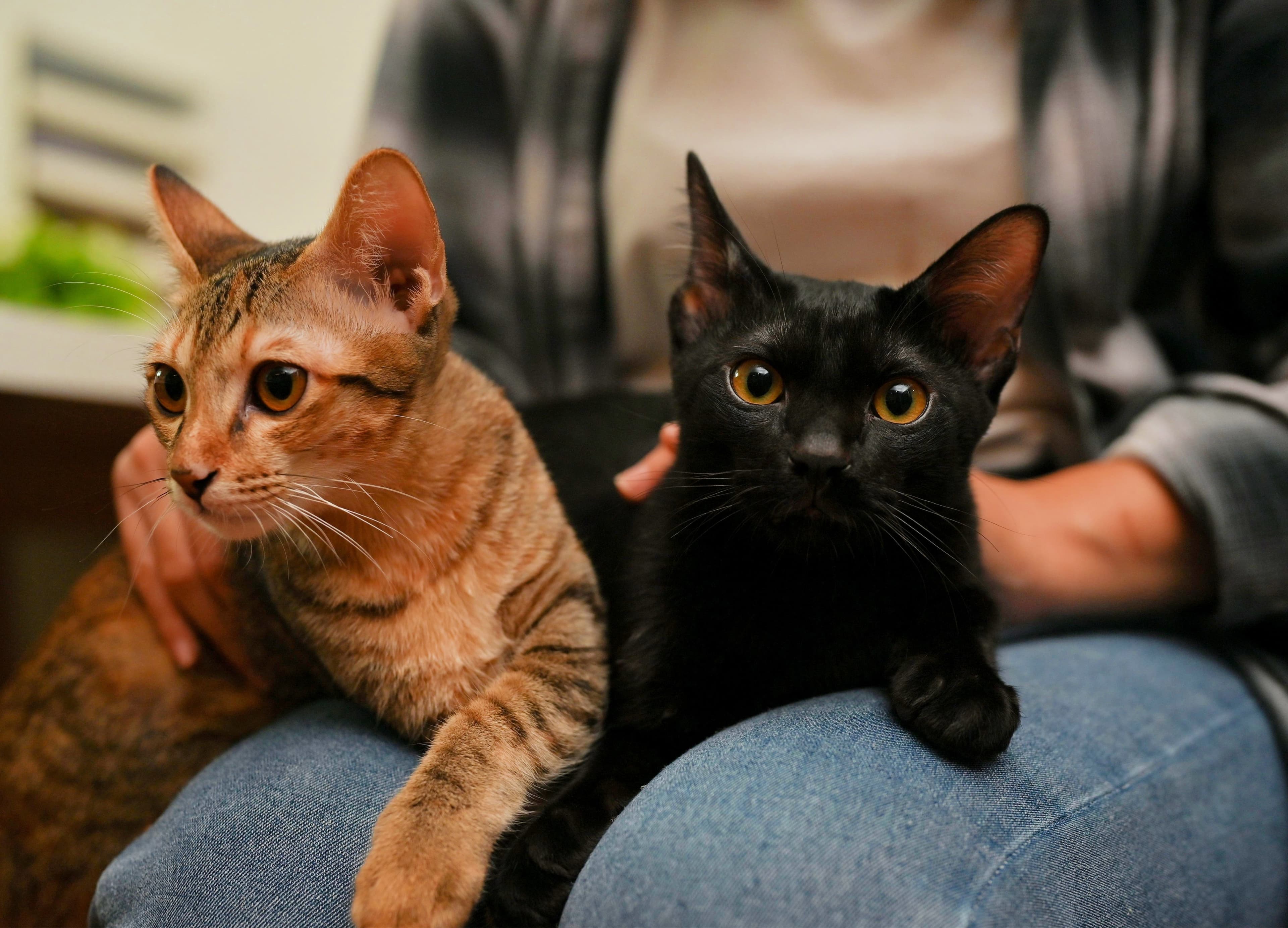
Epistasis in Cat Coat Genetics
Today, we’re decoding one of the mysteries of genetics that relates to your Basepaws DNA report of results. It's called epistasis. When epistasis occurs, the observable expression (phenotype) of a gene—such as one responsible for the color of your kitty's coat—gets modified in some way by a completely different gene that has the ability to mask, suppress, or inhibit how that coat color gene is expressed. Epistasis helps explain why sometimes you may get a “likely to have” result for a genetic trait in your cat’s Basepaws report that doesn’t quite match up with their physical appearance.
Read more
Basepaws Feline Cancer Research
Too many pet parents have known the heartbreaking loss of a beloved pet to cancer. As part of our commitment to helping all pets live healthier, happier, and longer lives, Basepaws is studying the genetic and oral microbiome factors associated with certain types of cancer. We welcome your participation in this research, which could inform the development of new screening tests for earlier detection of cancer in pets.
Read more
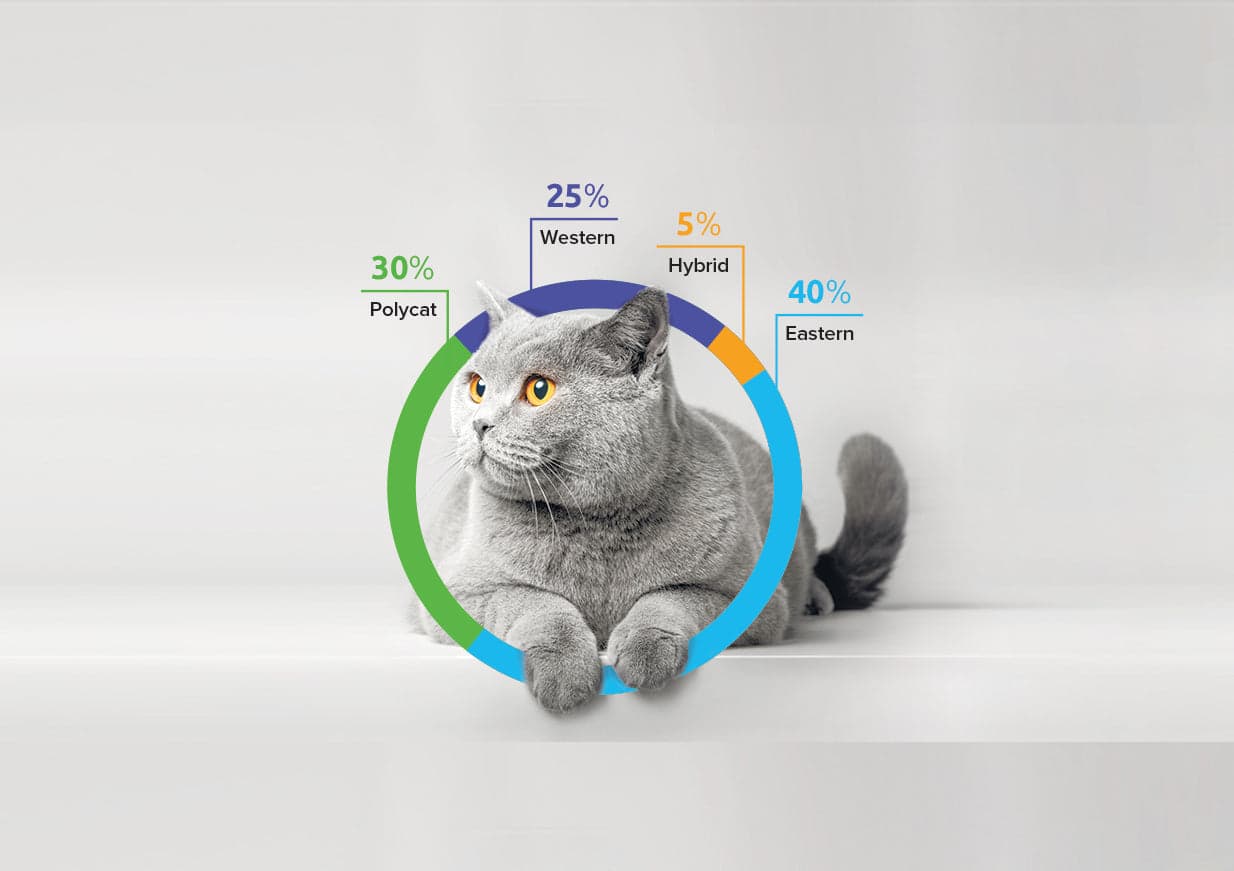
Basepaws Cat DNA Test: Genomic Similarity Versus Ancestry
The breed analysis that you receive from a Basepaws Breed + Health Cat DNA test offers an exciting glimpse into your cat’s DNA story, yet much of it remains to be told. This includes a definitive story of ancestry, which is difficult to pin down for cats. In today’s post, we’d like to share some insight into why this is, and to explain the concept of genomic similarity that is at the heart of the Basepaws breed analysis.
Read more