

Cat


Keeping Pets Safe During the Holidays
Holiday decorating, baking, cooking, gift-giving, and spending quality time with pets, family, and friends can all be a wonderful part of making things merry and bright. Yet there are elements of these activities that can be harmful to and stressful for your pet. In this post, Basepaws offers some tips for keeping your pet safe, happy, and calm as you celebrate the season.
Read more

Genetic Markers for Feline Hypertrophic Cardiomyopathy
Hypertrophic cardiomyopathy (HCM) is the most common feline heart condition. The Basepaws Breed + Health Cat DNA test now screens for two additional genetic health markers associated with HCM to let pet parents know if their cat is at a higher risk for the disease.
Read more

How Many Teeth Do Cats Have And How Do I Care For Them?
How to best care for your cat’s teeth and support their oral health can feel like a complicated subject, but it doesn’t have to be! It’s an important topic to discuss, since your cat’s oral health directly impacts their overall health and well-being. Today, we’ll discuss your cat’s teeth and their growth timelines, dental conditions to be aware of, and how you can provide your beloved cat with the best oral health care possible!
Read more
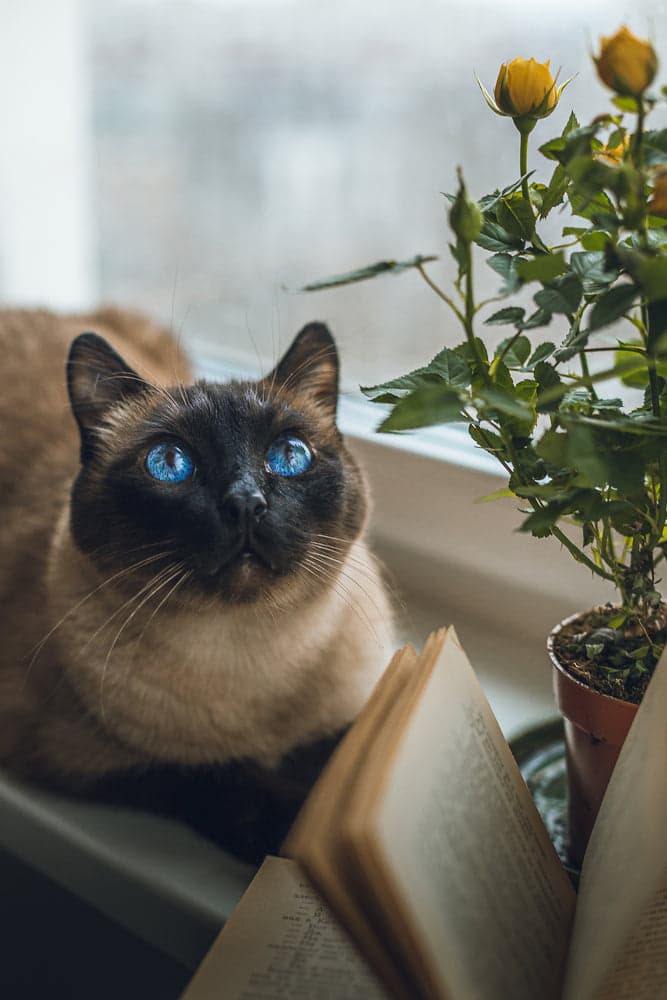
Are Siamese Cats Hypoallergenic: The Truth Revealed
Siamese cats are a popular choice of a pet because they are known for being cuddly, fun, and very affectionate. You may have heard of them being labeled “hypoallergenic”, which means that they tend to cause less of an allergic reaction for allergy sufferers. Are Siamese cats truly hypoallergenic? Cat lovers that are allergic to cats will be happy to find the truth revealed in this blog. And if your fondness for cats has been hindered by allergies in the past, read on to find out what simple steps you can follow to reduce the spread of cat-related allergens in your home!
Read more
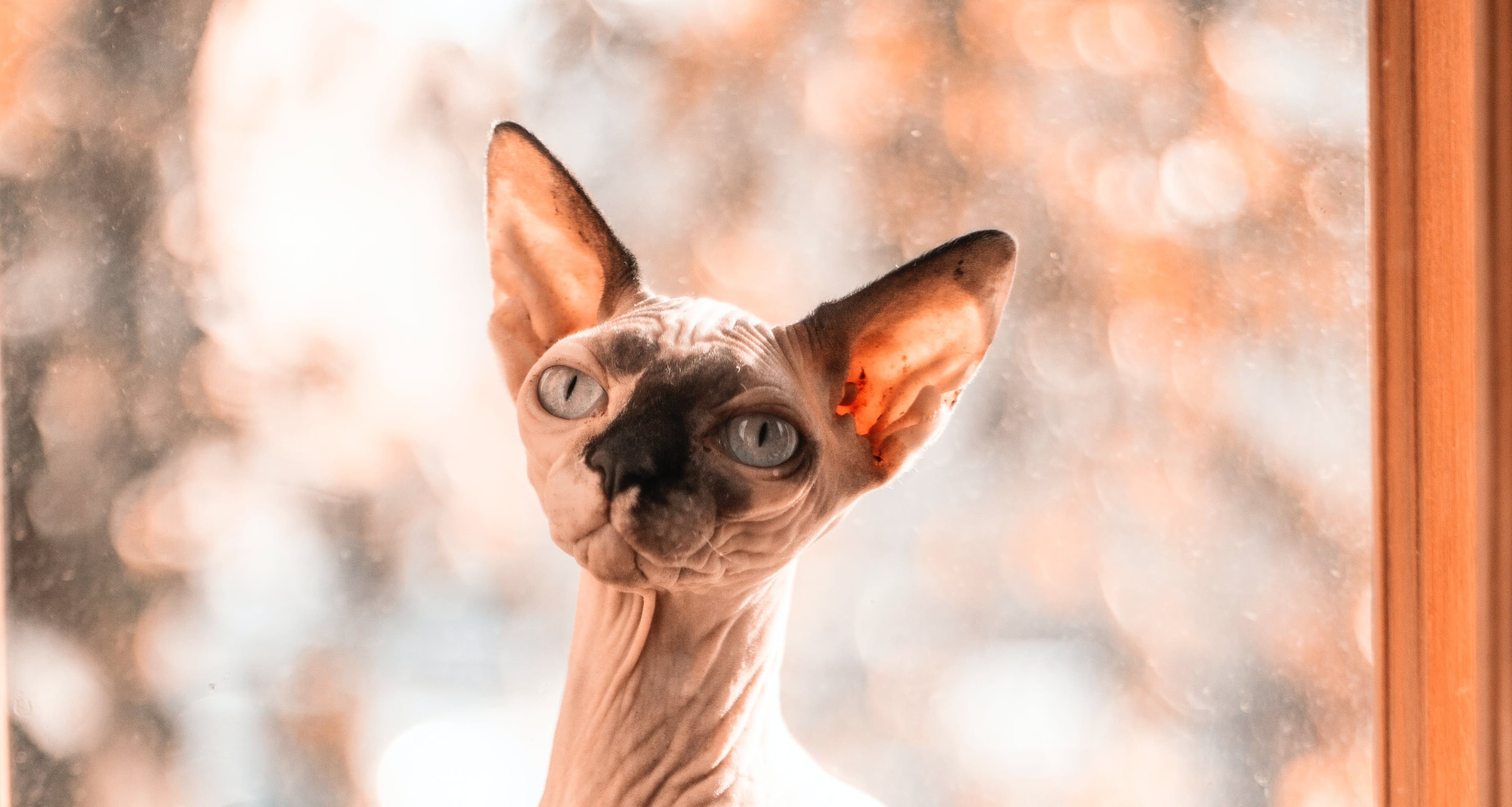
Sphynx Cat Lifespan: The Longevity of Hairless Cats
The article discusses common health concerns for Sphynx cats such as heart disease and respiratory issues, and provides tips for extending their lifespan through proper care and diet. We want to emphasize the importance of responsible ownership in ensuring a long and happy life for these unique cat companions.
Read more
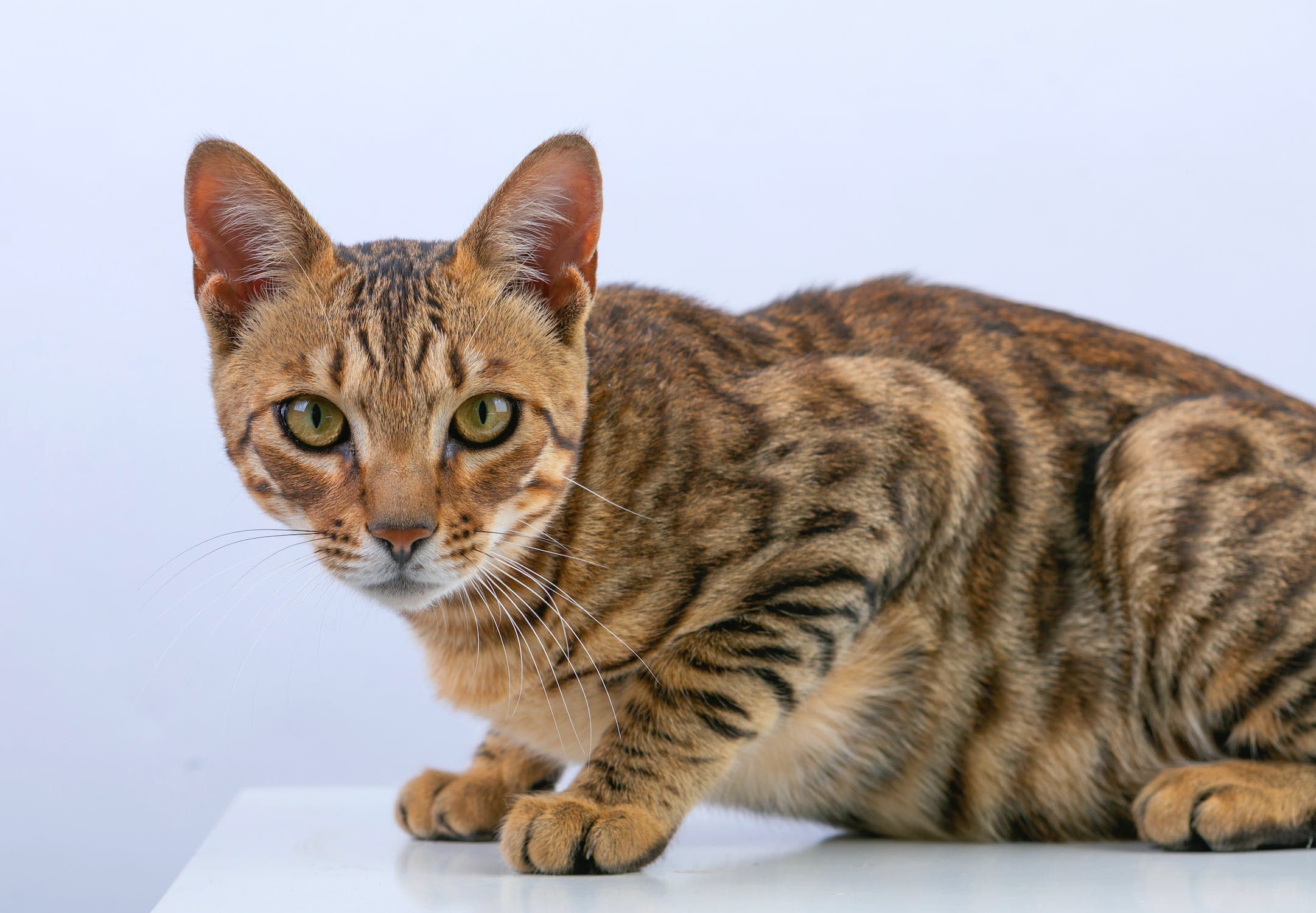
Captivating Charisma: Delving Deeper into the Bengal Cat Personality
This article offers an engaging look into the world of Bengal cats, their routine, loving nature, and some distinctive Bengal traits such as their beautiful coat, size, eye colors, lifespan, agility, and hypoallergenic nature. You will get tips on how to keep Bengals mentally stimulated and the benefits of their love for water.
Read more

Factors That Affect the Lifespan of Persian Cats and How to Extend It
Persian cats stand out not only for their distinctive appearance but also for the genuine companionship they offer. The average Persian cat lifespan ranges from 12 to 16 years, making them cherished members of many families for a significant portion of their lives. In some extraordinary cases, these captivating creatures have defied expectations, living up to 20 years or more. However, achieving such an impressive lifespan requires a comprehensive understanding of the factors that influence their longevity and dedicated care to address their specific needs.
Read more

The Benefits of Having a Pet During a Global Pandemic
if this pandemic has taught us anything, it is that having a pet is even more beneficial and more fulfilling than we ever realized! A recent suggests that the human-animal bond can have a strong, positive impact on the quality of our lives, particularly during lockdowns.
Read more