
Has your cat been positioning their ears like little airplane wings? You might be wondering why they do this and how you should respond. Don’t worry—we’ve got you covered. This article explores the fascinating world of feline ear language and helps you better understand what’s going on in your cat’s mind.
What Are Airplane Ears in Cats?
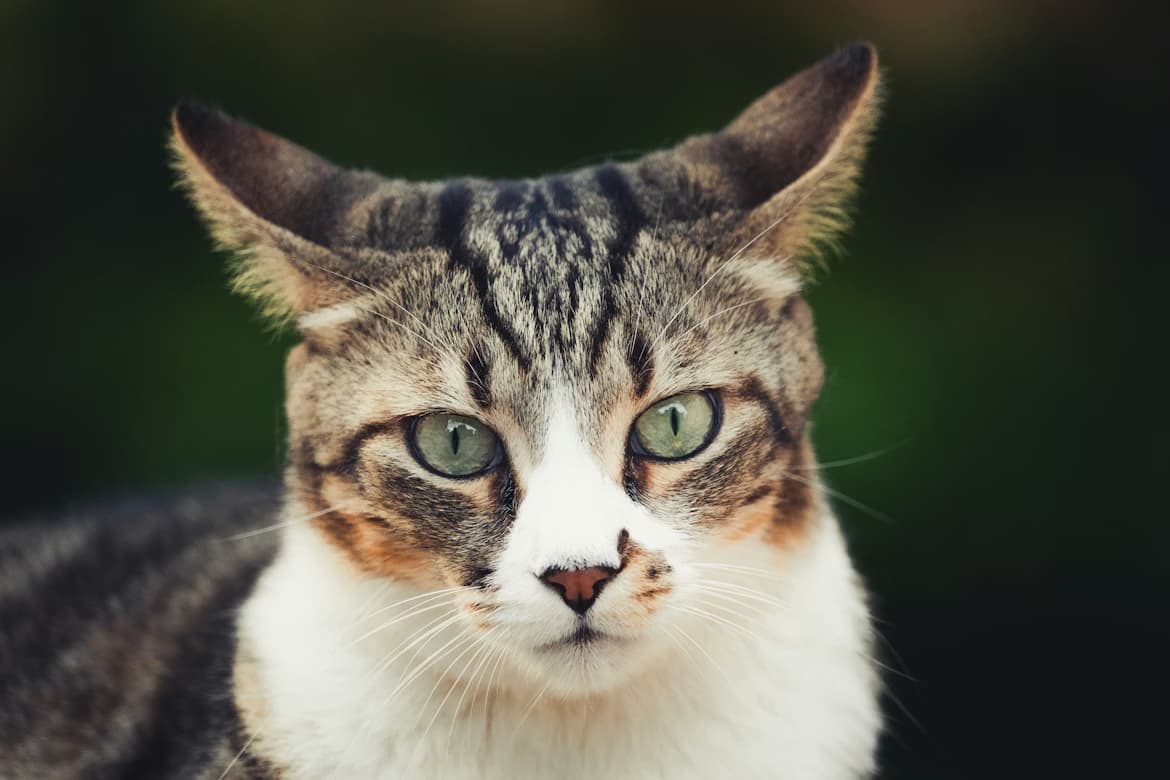
If you’re searching for a cat airplane ears meaning, you might have seen your feline’s ears suddenly swivel sideways, flattened just enough that they remind you of tiny airplane wings. While they look cute, this ears' posture indicates that your cat is communicating feelings of unease, uncertainty or irritation.
However, your cat may also exhibit this ear posture when they are content or in a playful mood. You may need to read their overall body language to understand what made them flatten their ears.
Body Language Context: Not Just the Ears
A cat’s ears are just one part of a complex body language system. Felines use a combination of physical cues—including their ears, eyes, tail, posture, and vocalizations—to communicate how they feel. Interpreting these cues together can give you valuable insight into your cat’s mood.
Here are some common body language combinations and their possible meanings:
Cat with ears pulled back + wide eyes = alert/scared
Ears flattened + tail thumped on the ground = annoyed
Ears forward + dilated pupils + tail swishing = playfulness
What Do Airplane Ears Mean for Cats?
Cats often use their ears to express how they’re feeling, and "airplane ears" can signal a range of emotions. When your cat's ears are pinned back or turned sideways, it’s important to consider their overall body language and environment to accurately interpret what they’re trying to communicate.
Fear or Anxiety Responses
Cats often flatten their ears when they are frightened, anxious, or worried. A cat with airplane ears is very upset, stressed, or something is bothering them. The most common triggers include loud noises, meeting strangers, and vet visits.
In addition to flattened ears, your cat may show other signs of fear or discomfort, such as:
Tail tightly curled around the body or tucked underneath
Head lowered or body crouched
Eyes wide open with dilated pupils
Trembling, hiding, or trying to escape the situation
Aggression or Irritation Indicators
Airplane ears can also signal agitation or aggression. A cat may display this ear position when they’re feeling defensive or ready to lash out. This often occurs when they’re touched in a way they don’t like—such as being held too tightly or petted in a sensitive spot—or if another pet has invaded their personal space.
In these situations, airplane ears are typically accompanied by other warning signs, such as:
A stiff body
Growling or hissing
Swishing or lashing tail
Sudden swats or attempts to escape
Contentment or Relaxed States
Surprisingly, flattened ears can sometimes indicate contentment or relaxation. In a calm, happy moment—like during gentle petting or cuddling—your cat may ease their ears back slightly as a sign they feel safe. This is usually accompanied by soft purring, slow blinking, and a relaxed posture.
It’s important to distinguish between contentment and discomfort.
Relaxed ears tend to be low, loose, and slightly turned outward.
Fearful or tense ears are pinned tightly against the head with a stiff body and wide eyes.
Observing the full context of your cat’s body language will help you decode their true emotional state.
Curiosity or Focused Interest
If your cat with airplane ears is stalking or tracking something, their ears might be angled slightly forward rather than fully flattened. This posture often signals curiosity and focused attention. In these moments, your cat is alert and engaged with their surroundings. You may also notice their tail held upright or parallel to the floor, a tall and confident stance, and narrowed pupils—signs that they're closely observing or preparing to pounce. This behavior is typically short-lived and fades once their interest in the stimulus passes.
Pain or Discomfort Signals
While airplane ears are often a normal part of feline body language, they can sometimes indicate that your cat is in pain or discomfort—especially if the ear posture is accompanied by unusual behavior. If your cat flattens their ears more frequently than usual or appears withdrawn, it’s worth paying close attention.
Changes in appetite, vocalizations, or mobility can be key indicators of discomfort. A cat in pain may stop eating, vomit, visit the litter box repeatedly without results, or urinate outside of their usual spots. If you notice these signs alongside flattened ears, it's a good idea to consult your veterinarian.

Cat With Airplane Ears During Play or a Hunt
Airplane ears are also part of your cat’s natural, instinctive behavior during play or hunting. It's easy to mistake playful energy for aggression, but the context and body language can help you tell the difference.
When a cat is playful, their ears are usually upright or angled slightly forward, and their movements are bouncy and energetic. In contrast, when a cat feels threatened or aggressive, their ears are pinned tightly back, the tail becomes stiff and swishes rapidly, and they may hiss or growl. Understanding the difference can help you respond appropriately and avoid misinterpreting their intentions.
How to Respond to a Cat with Airplane Ears
When you notice your cat’s ears in “airplane mode,” it’s important to respond with care and awareness. Start by assessing the environment and look for potential stressors like loud noises, unfamiliar people, or other animals that may have triggered their reaction. If your cat appears frightened or aggressive, the best approach is to give them space and let them calm down on their own.
Creating a calm, quiet area where your cat can retreat is key to helping them feel safe. Maintaining consistent routines and using calming aids, such as pheromone diffusers, can also help reduce stress and promote a sense of security.
To comfort a fearful cat, avoid direct eye contact, move slowly and gently, speak in a soft voice, and use positive reinforcement like treats or toys to create reassuring associations.
Cat Ear Positions and Their Meanings
Here is a chart to help you learn different cat ears meaning and paired behaviors. Use it as a guide to better understand your cat’s body language and improve communication with your feline companion.
Ear Position | Description | What It Might Mean | Paired Behaviors |
Upright and Forward | Ears standing tall and facing forward | Alert, curious, or excited | Focused eyes, upright tail, sniffing, or staring |
Tilted Sideways (“Airplane Ears”) | Ears flattened out to the sides, like airplane wings | Anxious, overstimulated, or playful hunting mode | Dilated pupils, crouched body, quiet or frozen |
Flat and Backward | Ears pinned back tightly against the head | Fearful, angry, or defensive | Hissing, growling, arched back, swishing tail |
Relaxed and Slightly Sideways | Ears not tense, loosely pointing out or to the side | Content or sleepy | Slow blinking, purring, lying on the side, loafing |
One Ear Swiveled | One ear turns independently to listen to sounds | Monitoring the environment or mildly distracted | Casual posture, may turn the head after a moment |
Constantly Twitching | Ears flick or rotate rapidly | Irritation, overstimulation, reacting to sound/movement | Flicking tail, restlessness, grooming, or retreating |
When to Be Concerned About Your Cat’s Ear Position
If your cat shows other concerning behaviors along with airplane ears—such as hiding, hissing, growling, freezing, or aggression—they may be feeling stressed, anxious, or threatened. It’s also important to rule out medical issues, as ear flattening can sometimes indicate an ear infection.
According to VCA Animal Hospitals, signs of an ear infection include excessive scratching, head shaking, or holding the head tilted to one side. You may also notice swelling, redness, or discharge in the ear, especially if it is dark or has an unpleasant odor.
While dental pain or neurological problems are not common causes of airplane ears, they can sometimes lead to ear-related symptoms. If you observe any of these signs, or if the ear-flattening behavior is persistent and unexplained, it’s best to consult your veterinarian.

Final Thoughts: What Cat Airplane Ears Reveal About Feline Emotions
When a cat’s ears are flattened against their head like airplane wings, it can indicate a range of emotions—fear, nervousness, defensiveness, contentment, or even playfulness. This unique ear posture is one of the many ways cats communicate how they feel.
By learning to read your cat’s body language—such as ear and eye positions, tail movements, and vocalizations—you can strengthen your bond and better understand your feline companion’s needs and desires.
Frequently Asked Questions
Does folding a cat's ears hurt?
Yes, folding a cat’s ears can cause pain and discomfort, especially if you do it forcefully or repeatedly. Frequently folding their ears can damage the cartilage, possibly causing pain, swelling, or even a hematoma (blood clot).
Why do cats move their ears so much?
Cats move their ears so much because they use them to find the source of sounds with incredible accuracy. According to PetMD, they have 32 muscles in their outer ear, which allows them to rotate their ears a full 180 degrees. Not only that, but cats also use ear movements to communicate how they are feeling or what their intention is.
However, excessive twitching or other unusual ear movements can often signal a medical issue such as ear infections, ear mites, or allergies.
How strong are cat ears?
Cat’s ears are considered strong in the sense that they are sensitive to sound and can rotate to point at the source of a noise.