
Cat

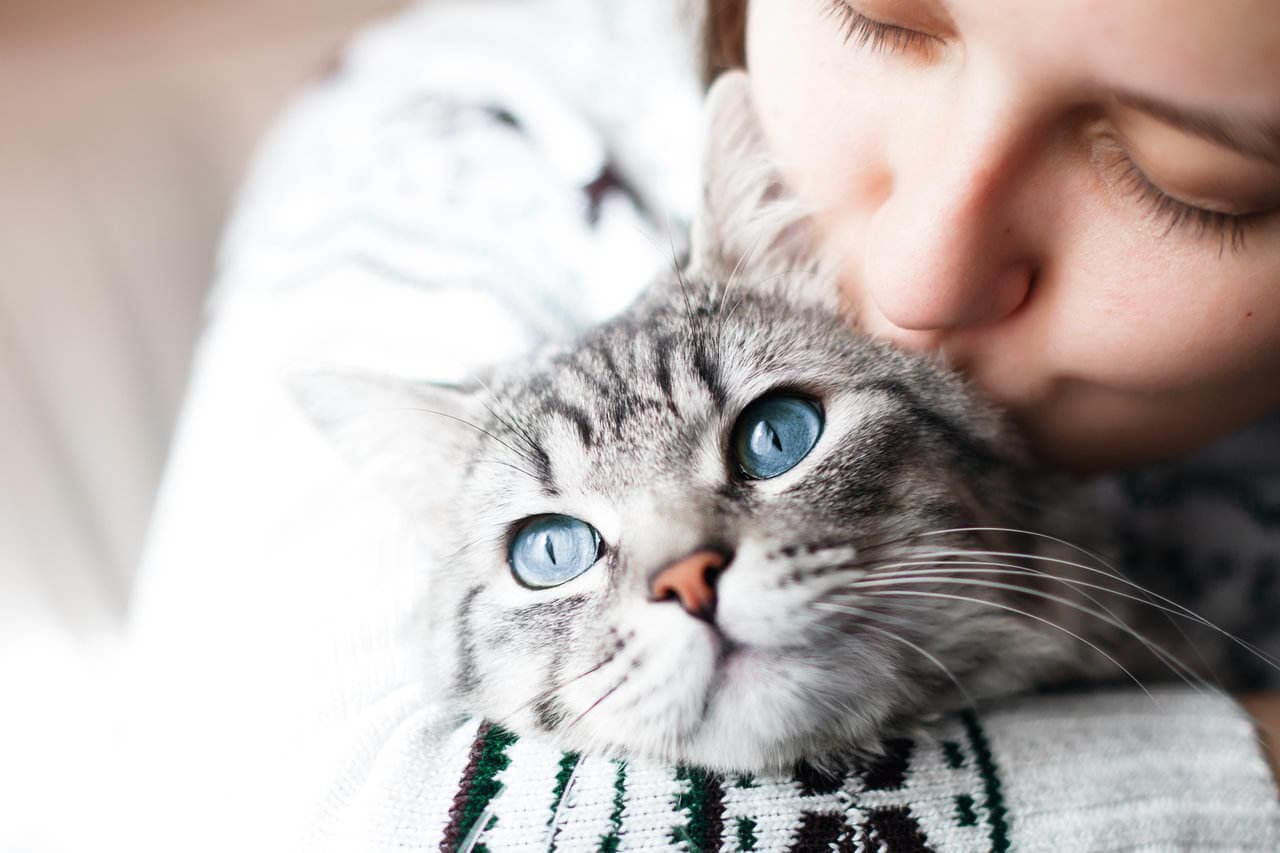
Finding Your Cat’s True Breed
Do you ever wonder about your cat’s breed? Is she as cuddly as a Ragdoll, or as large as a Maine Coon? Basepaws now enables you to discover the breed composition and ancestry of your beautiful Domestic Shorthair. To get you started on your discovery journey, here’s what you need to know about cat breeds.
Read more

Coronavirus: How to Protect Your Pets (and Your People)
As we look at the news today, the Coronavirus Disease, commonly called COVID-19, is dominating the headlines. This virus, which likely originated in bats, has been able to spread to people and thrive, spreading to almost all countries around the world.
Read more
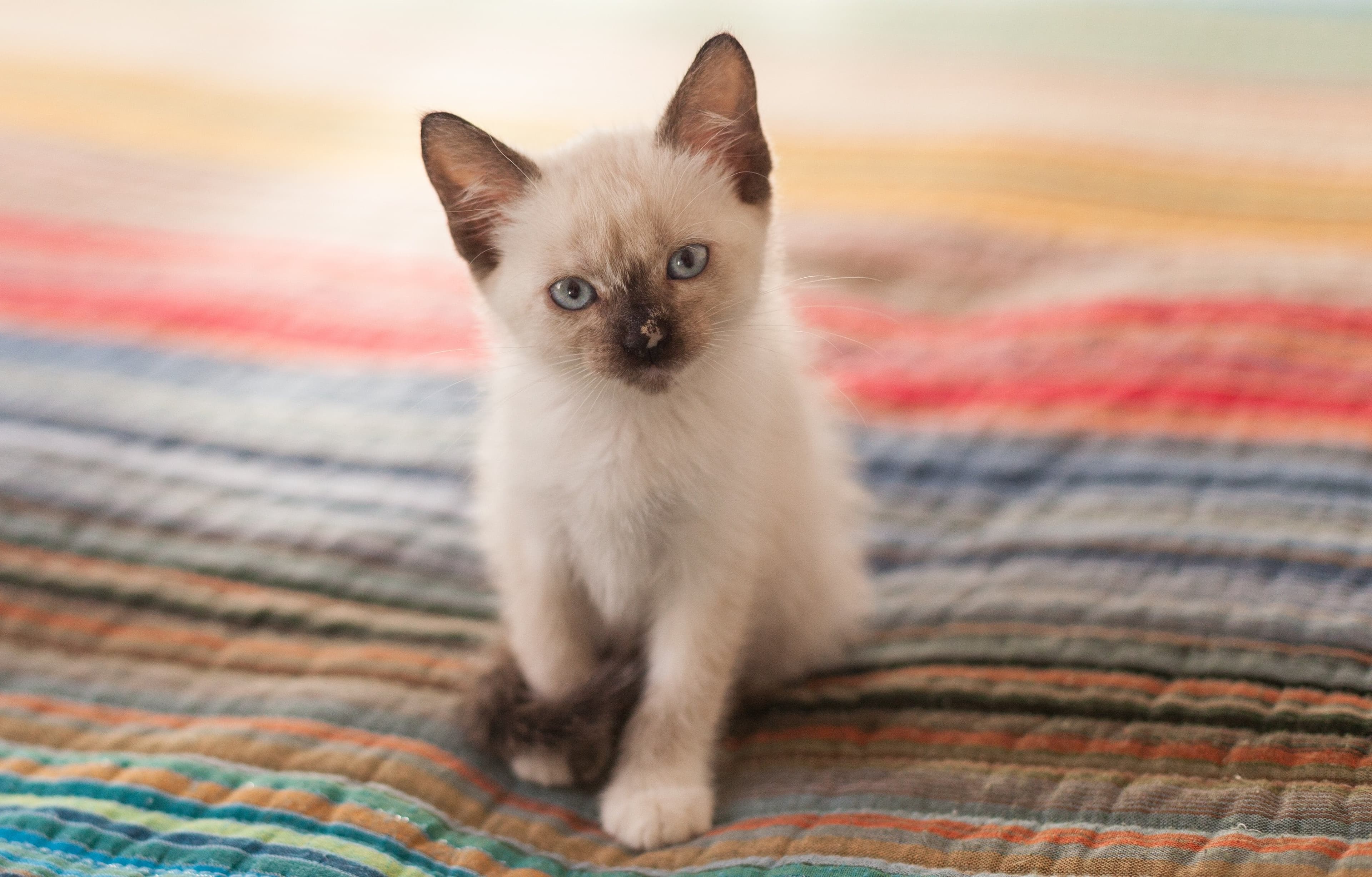
Siamese - Mysterious Genetics of the Feline Royal
To help you understand the root of the problem and our future plans for the [Siamese] breed, we have summarized a brief introduction into the breed history, Siamese genetics and our forthcoming strategy for the reintroduction of the breed to the [Basepaws] reports.
Read more
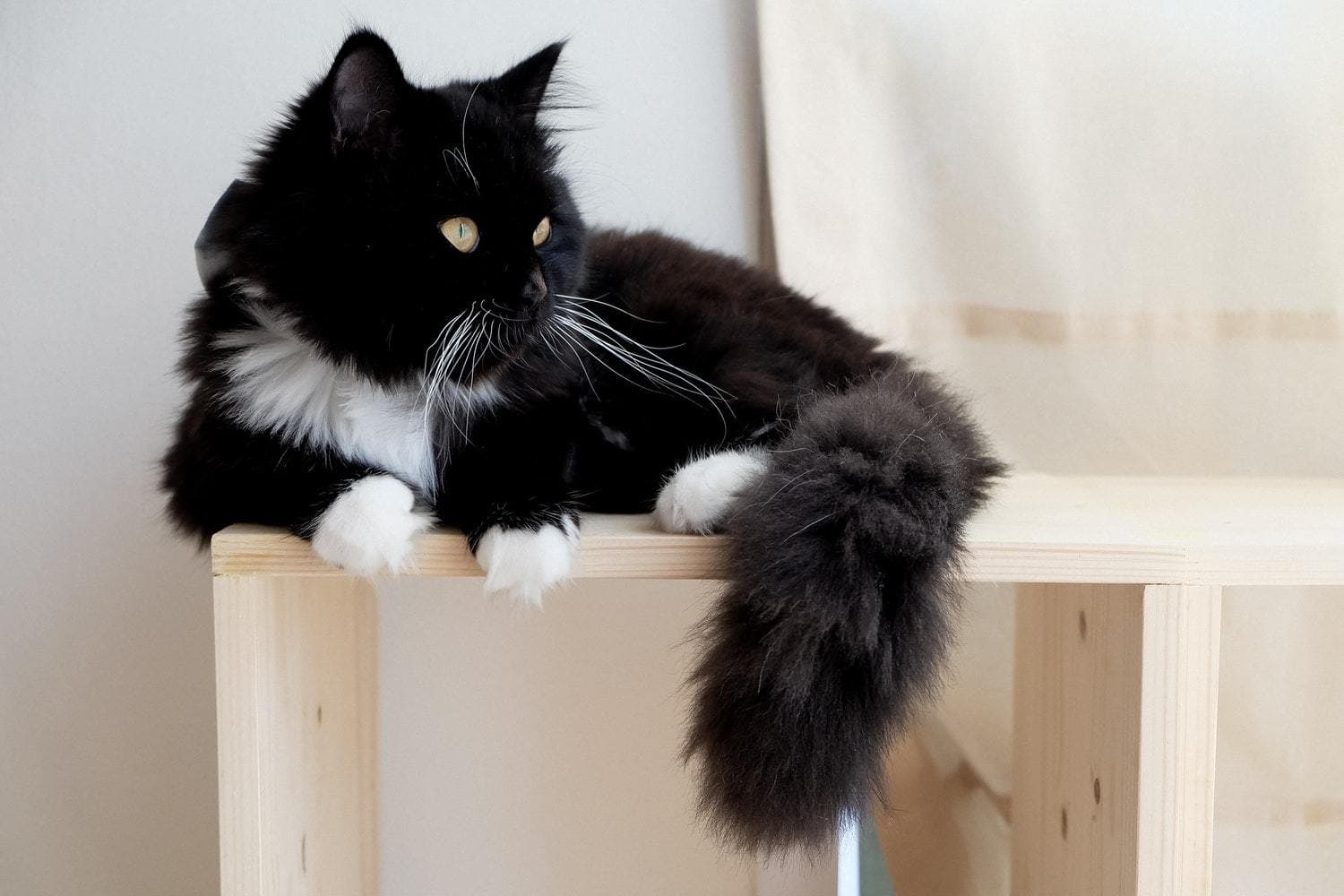
It's Black Cat Appreciation Day
On Black Cat Appreciation Day, cat enthusiasts mark their fight against the evil superstitions about black cats by spreading awareness and showing to people these fantastic cats make just as purrfect and kind life companions as any other pets. While the elegant black coat is common among domestic cats, did you know that there are at least 22 cat breeds recognized by Cat Fanciers’ Association (CFA) that can dress in black too?
Read more
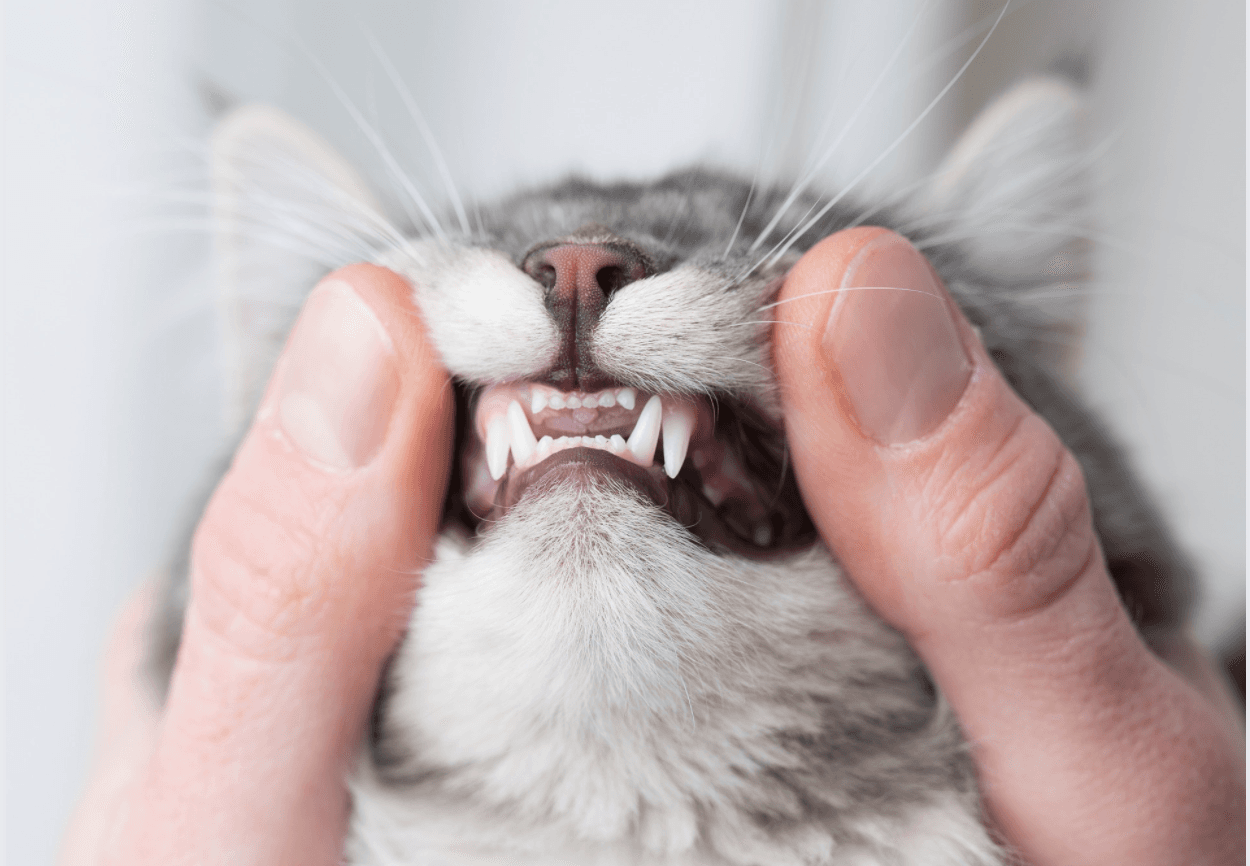
At Home Feline Dental Care - Top "Flip the Lip" Tips
Pet dental care starts at home. In this blog, you'll learn how to examine your cat’s teeth and gums, as well as the the signs to look for when it comes to the state of your cat’s mouth. By “flipping the lip” on a regular basis you will be able to detect and address issues before they progress, and help your kitty live pain-free.
Read more

13 Women, Improving the World One Cat at a Time
In honor of International Women’s Day, Basepaws would like to (re)introduce you to a few women who are dedicated to making the world a place where cats can thrive, and where cat pawrents have all of the resources to give their cats the best 9 lives possible! In no particular order, here are 13 amazing women, improving the world for felines.
Read more

Chronic Kidney Disease in Cats
Chronic Kidney Disease (CKD) is a disease common in both cats and people. If your veterinarian has determined that kidney damage has been ongoing for more than 3 months, it is considered chronic and will require close monitoring and intervention.
Read more
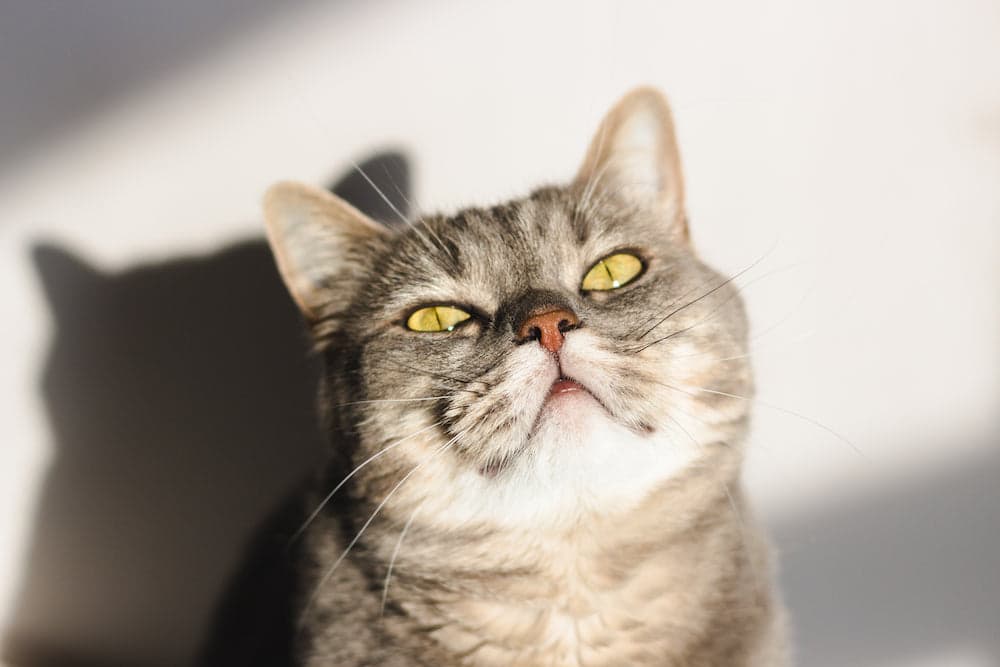
Feline Longevity Research at Basepaws
As Basepaws sees it, a deeper understanding of the genetic factors that contribute to feline longevity can support cats to live longer, but more importantly, do so in ways that help them enjoy their golden years with fewer instances of pain and illness. To make this a reality for all cats, Basepaws initiated a longevity research partnership with Ernie Ward, DVM, CVFT, founder of Project 25, which aims to extend feline life expectancy by 25 percent by the year 2025.
Read more