


Seeing blood in your cat’s stool can be alarming for any pet parent, especially when your cat is still acting completely normal. Even if they seem playful, energetic, and show no obvious signs of discomfort, blood in the stool is not normal. It usually indicates that something in the digestive system needs attention. In some cases, the cause may be mild or temporary, but it can also signal an underlying health issue that shouldn’t be ignored. Understanding what blood in the stool may mean—and knowing when to monitor versus when to seek veterinary care—can help you respond appropriately and protect your cat’s health.

Bacterial infections in cats range from mild to severe, affecting the skin, organs, or digestive system. Early detection, treatment, and prevention are key.

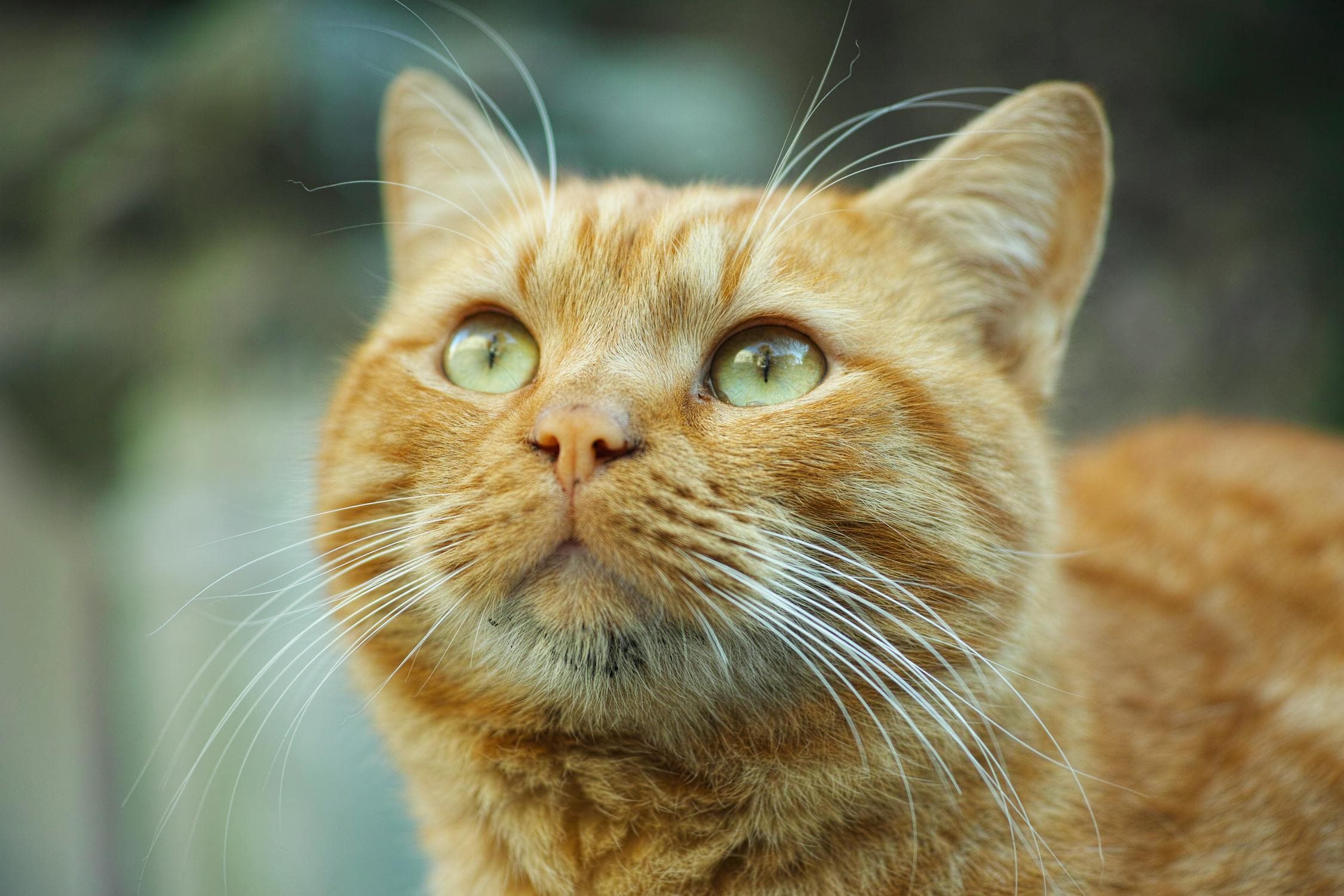
Most orange cats are male, but the number of female kitties is higher than one might think. The main reason behind this is the unique genetics of the orange coat. There might also be some truth to the rumors that ginger felines have distinctive personality traits.

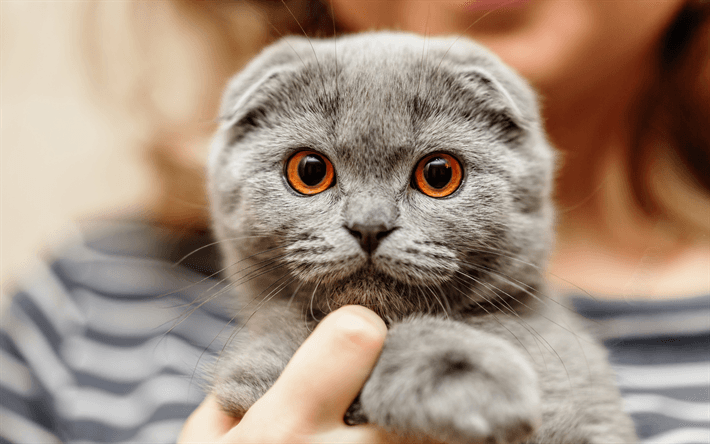
Unique traits like extra toes and ears or bobtails are fascinating and attract lots of attention from cat fans, but they result from changes in genes. While these changes contribute to the diversity of cat populations, they can also cause illnesses. So, understanding your cat’s genetics helps keep them in good health. Let’s learn some of the physical changes caused by genetic changes in cats.

Are you flustered by the thought, “Can cats eat garlic?” The answer is no. Do not share that tasty and aromatic garlic food with your feline. Ingestion of garlic can result in acute hemolytic anemia which can be fatal. Therefore, prevention is key. Never allow your cat to eat garlic or food laced with garlic powder.

Pothos are popular houseplants renowned for their attractiveness and hardiness. Pothos plants are an easy way to decorate with greenery and brighten your living space, but if you are a pet owner, beware. Despite their beauty, pothos are toxic to cats.

The phenomenon of hyperactivity, where your cat decides to run back and forth throughout the house, jumping around and even potentially knocking things over, is what many pet parents affectionately refer to as “zoomies.”

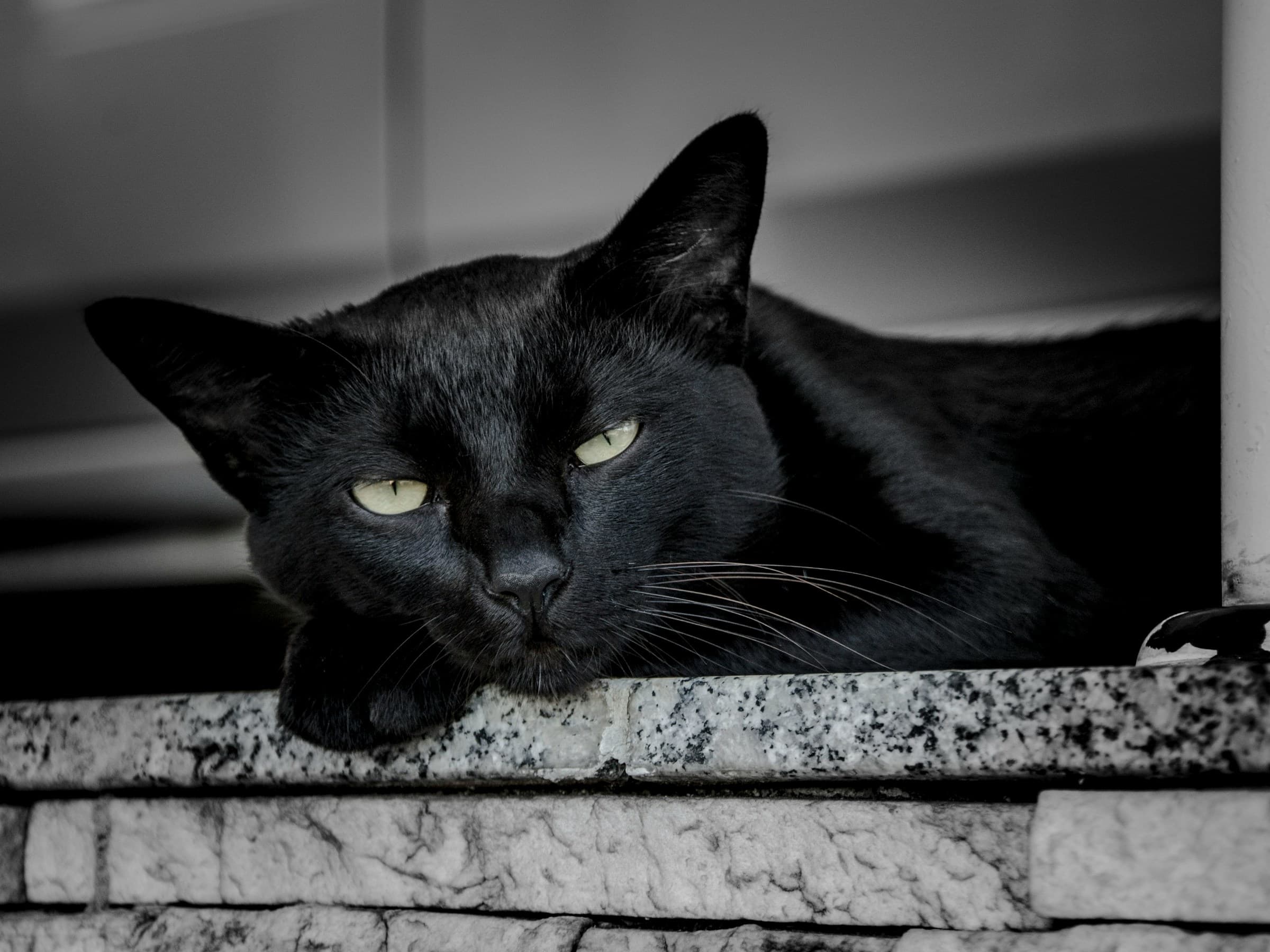
It is particularly important to celebrate black cats as a means to help address negative preconceptions, and raise awareness of the unfortunate facts about black cats and how superstition has negatively impacted these animals.

We love spoiling our furry friends, especially on holidays, but what happens when the holiday treats are too tempting, and they take something from the table? That’s when holiday joy turns to anxiety, and we wonder if we need to call the vets! Let’s save you some anxiety - this is our quick guide to holiday foods pets can eat.