
Cat
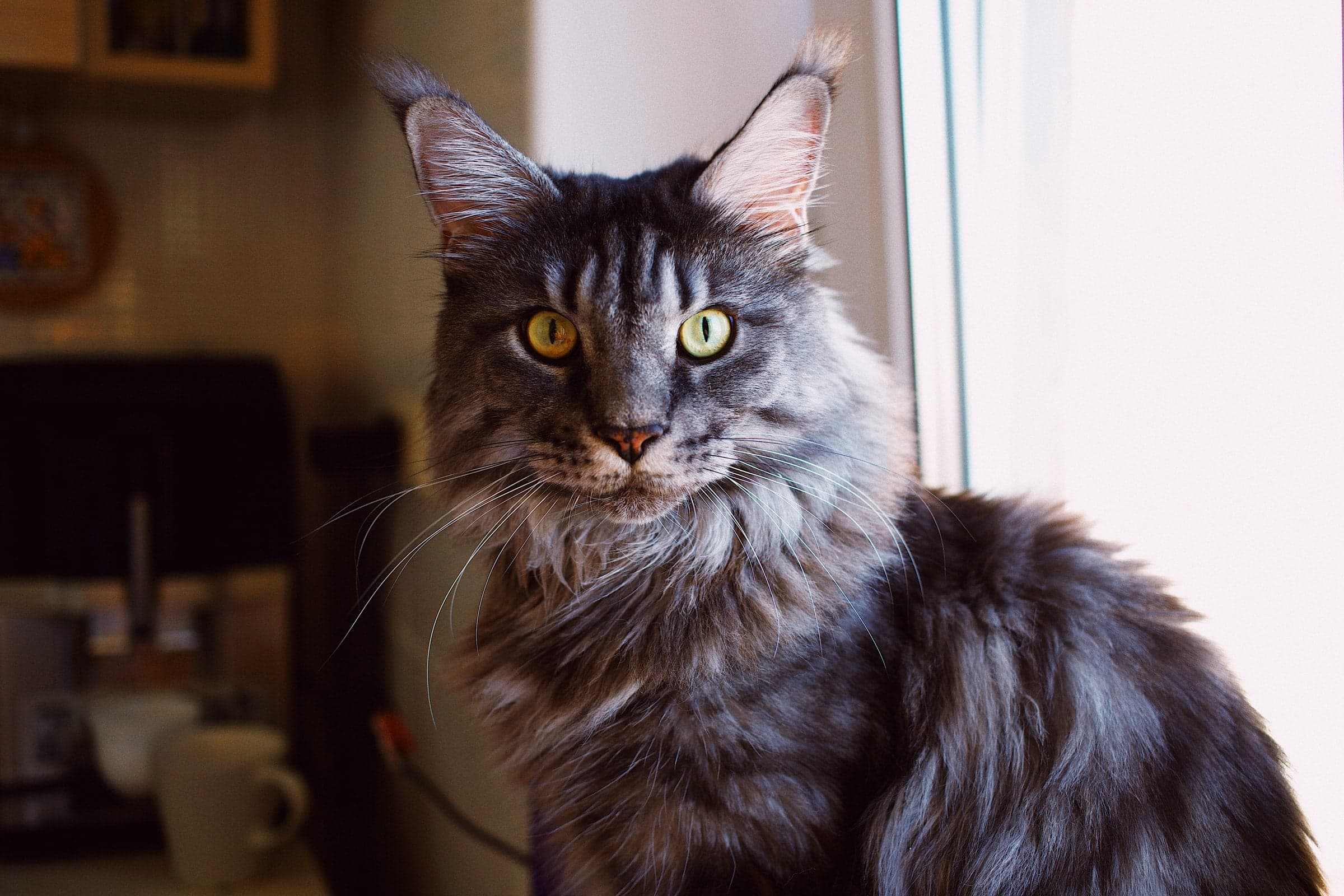
How Big Can Maine Coon Cats Get?
Maine Coon cats are one of the largest breeds of domestic cats in the world, with some males reaching up to 20 pounds or more when fully grown! Some believe that these cats originated in the state of Maine and are known as "gentle giants" due to their temperament and size. In this article, we will take a closer look at just how big Maine coon cats get.
Read more
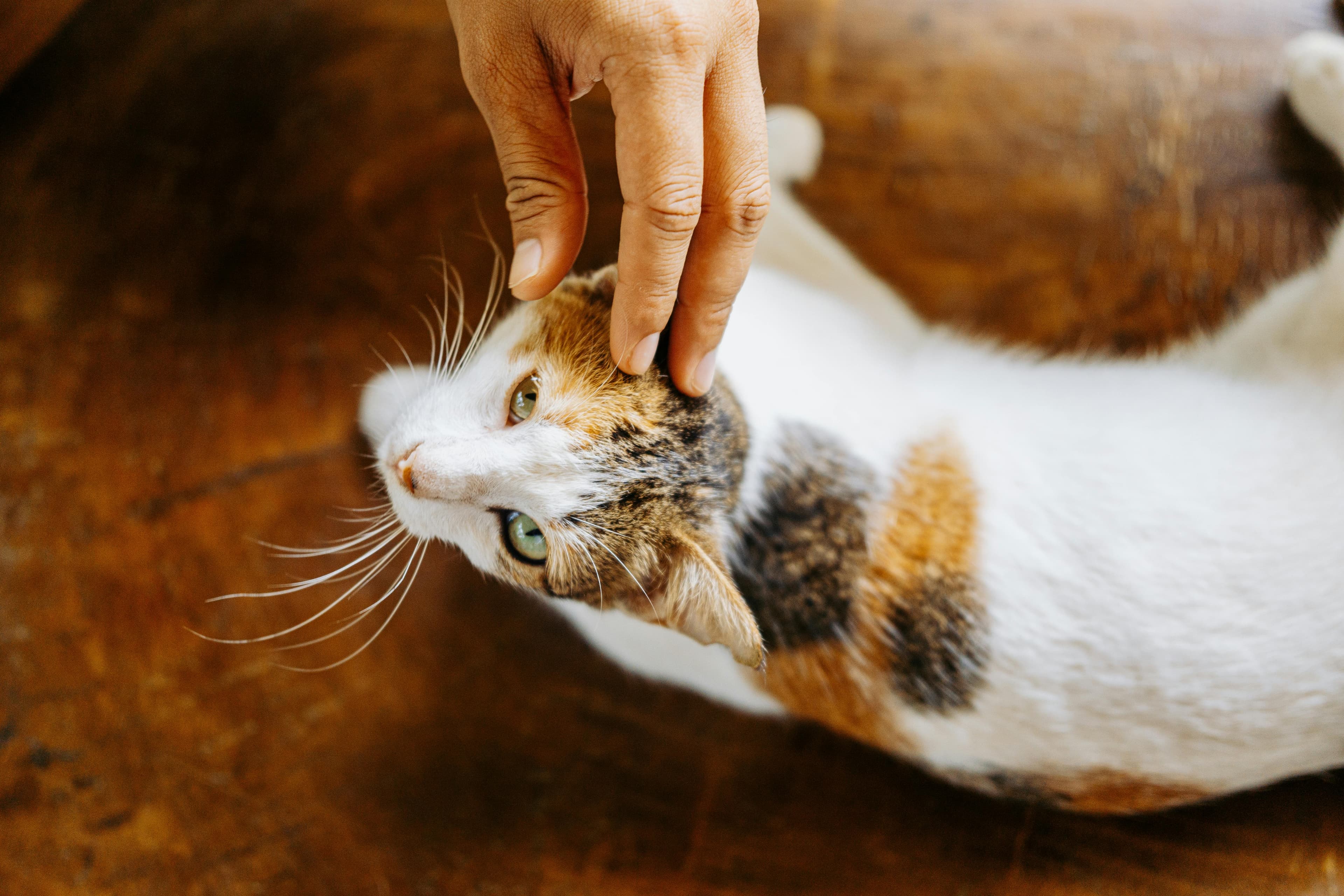
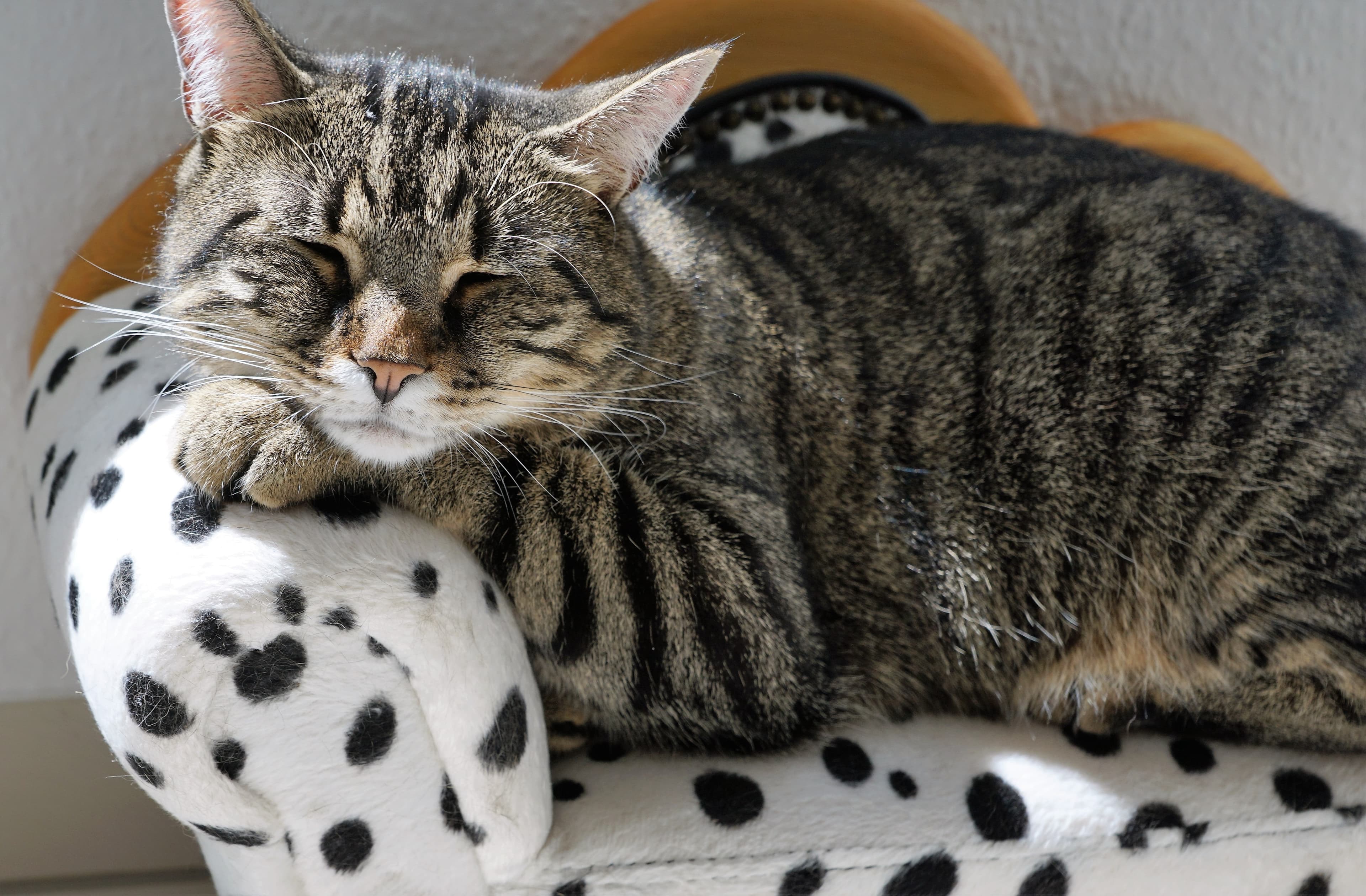
Is Cinnamon Bad for Cats?
Many human foods are dangerous or harmful to cats. Is cinnamon one of such foods? As a pet owner, you might wonder if cinnamon is bad or toxic to your cat. This guide helps you answer this question in detail.
Read more
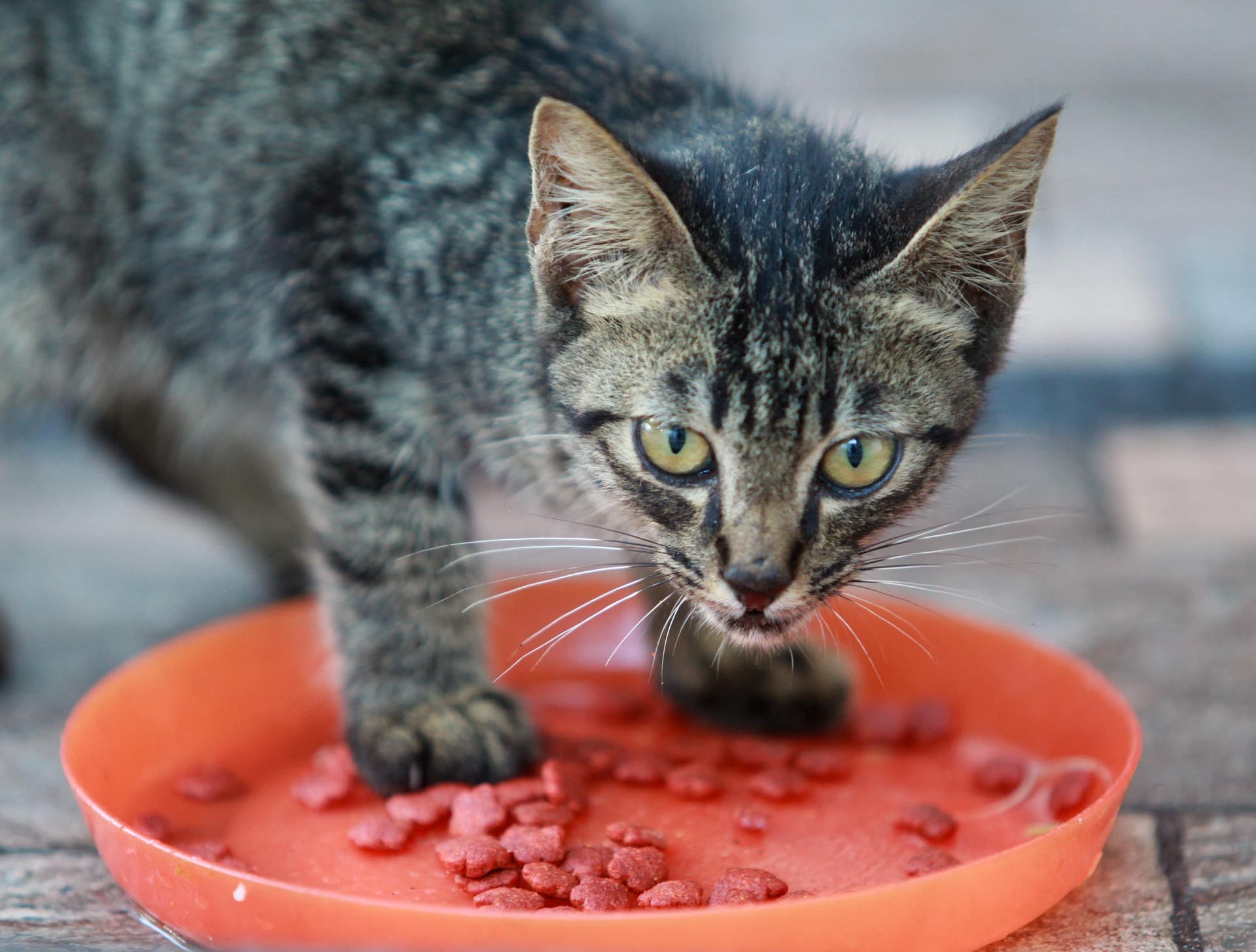
Is Xylitol Bad for Cats?
Most pet owners know that xylitol is bad for dogs. But what about cats? Is xylitol toxic to cats? Xylitol is often added to food items such as peanut butter. Knowing about its effects and how much of it is toxic to cats is important for cat owners. This guide gives you the details.
Read more

Are All Orange Cats Male?
Most orange cats are male, but the number of female kitties is higher than one might think. The main reason behind this is the unique genetics of the orange coat. There might also be some truth to the rumors that ginger felines have distinctive personality traits.
Read more

Body Type Mutations In Cats
Unique traits like extra toes and ears or bobtails are fascinating and attract lots of attention from cat fans, but they result from changes in genes. While these changes contribute to the diversity of cat populations, they can also cause illnesses. So, understanding your cat’s genetics helps keep them in good health. Let’s learn some of the physical changes caused by genetic changes in cats.
Read more
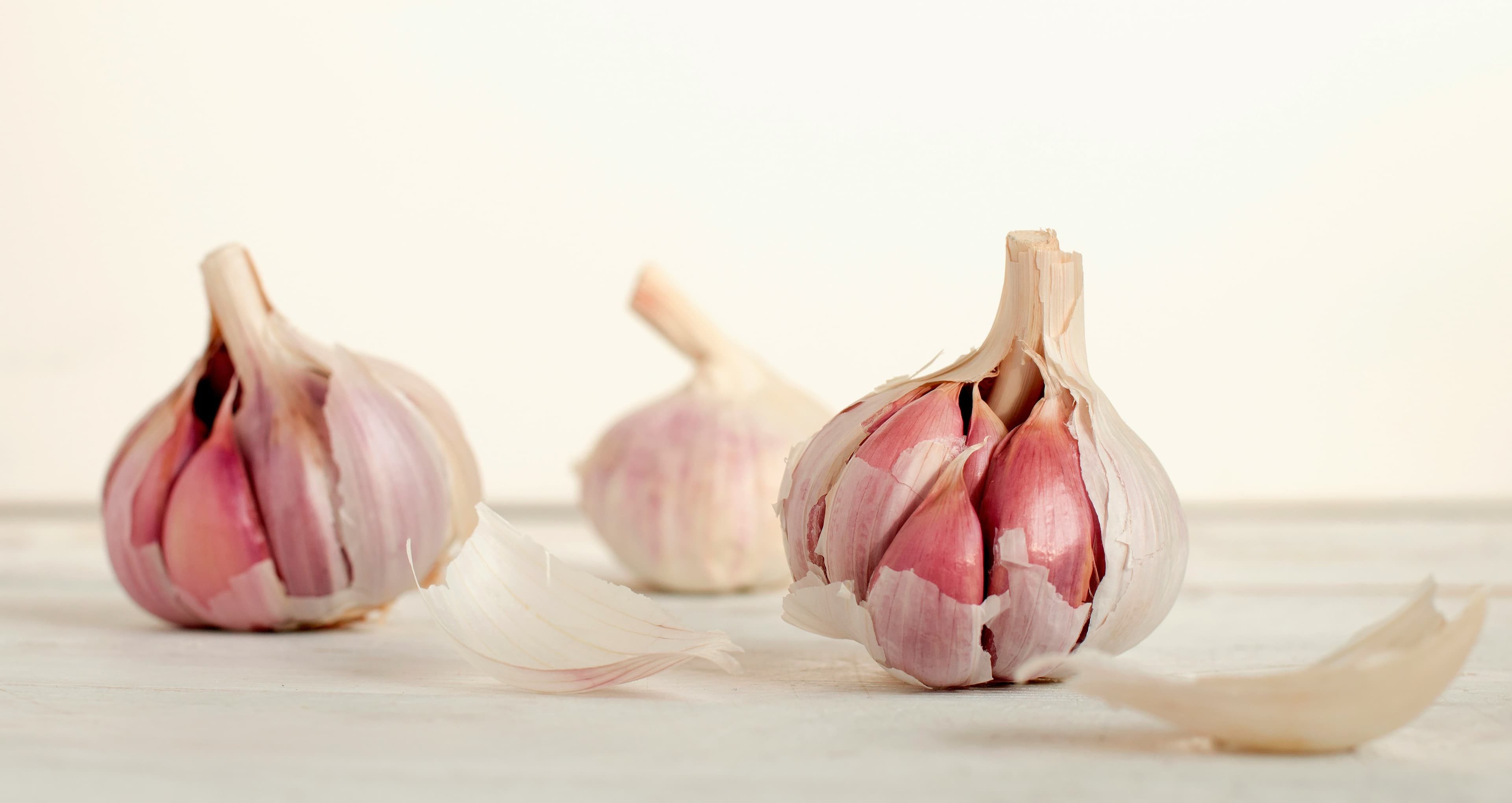
Can Cats Eat Garlic?
Are you flustered by the thought, “Can cats eat garlic?” The answer is no. Do not share that tasty and aromatic garlic food with your feline. Ingestion of garlic can result in acute hemolytic anemia which can be fatal. Therefore, prevention is key. Never allow your cat to eat garlic or food laced with garlic powder.
Read more