
Cat

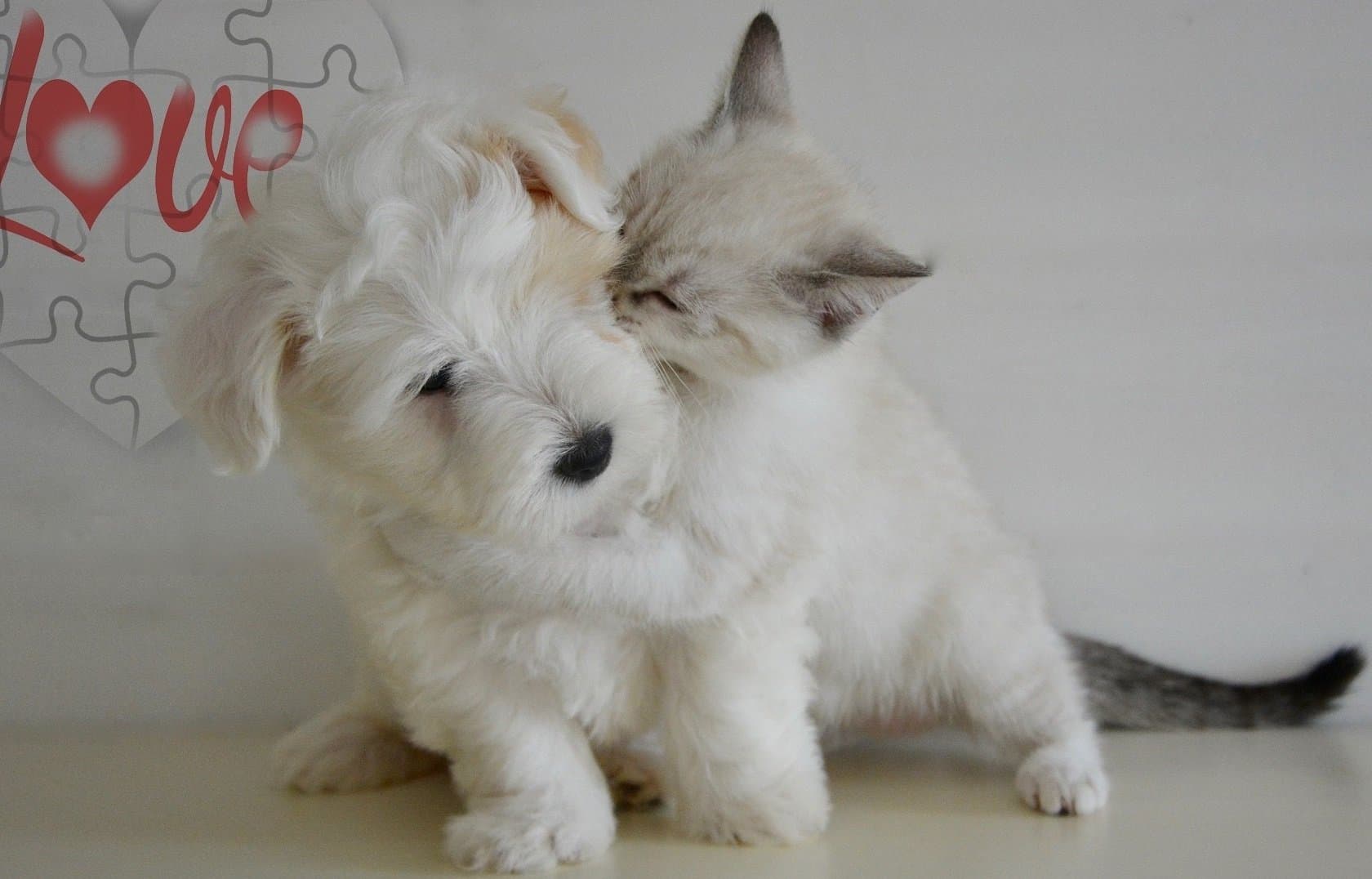
National Adopt A Shelter Pet Day
To help promote the cause of National Adopt a Shelter Pet Day, here are our top 10 reasons why we think your next pet should come from the shelter.
Read more
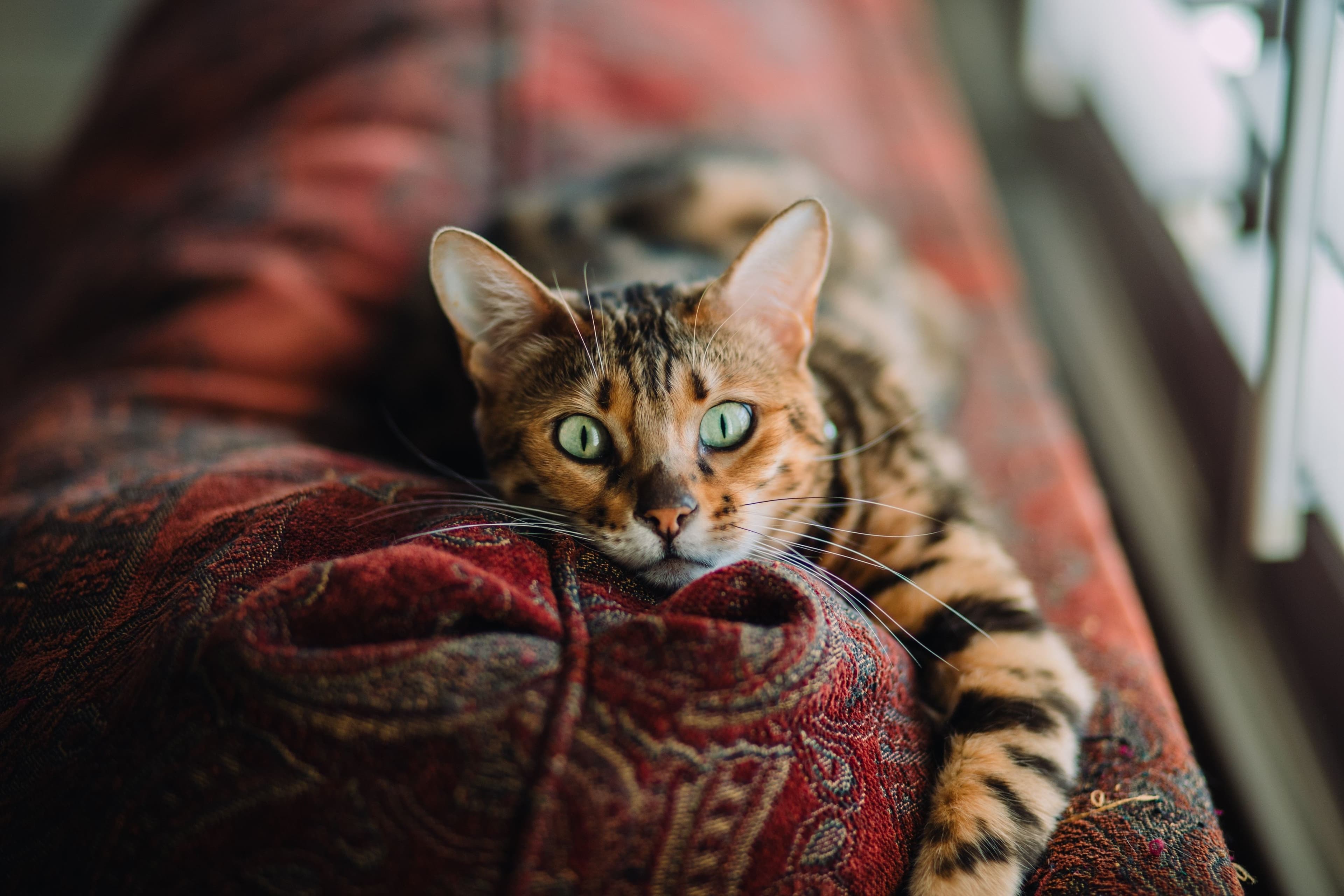
Hybrid Cats: 3 Wild Cats Who Are Crossed With Domestic Cats
Does your cat have a wild side? Here are 3 wild cats who are crossed with domestic cats for the creation of hybrid cats around the world.
Read more
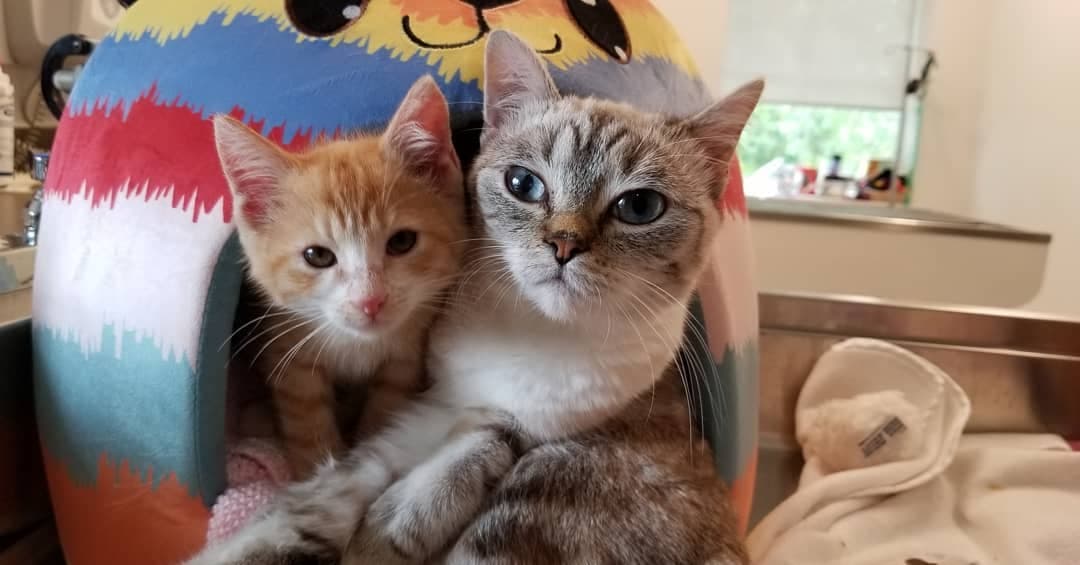
11 people and organizations that make this world better for cats
October 29 is National Cat Day, and what better way to celebrate it than by highlighting some of the most fantastic, selfless, hard working, smart, and overall brilliant individuals and organizations that make this world a better place for cats?
Read more

Winter Holiday Pet Safety Tips: Keeping Your Pets Safe and Cozy
From understanding what foods may be harmful to learning how to prevent injury and illness due to encounters with decorations, this article offers insights into winter holiday pet safety.
Read more
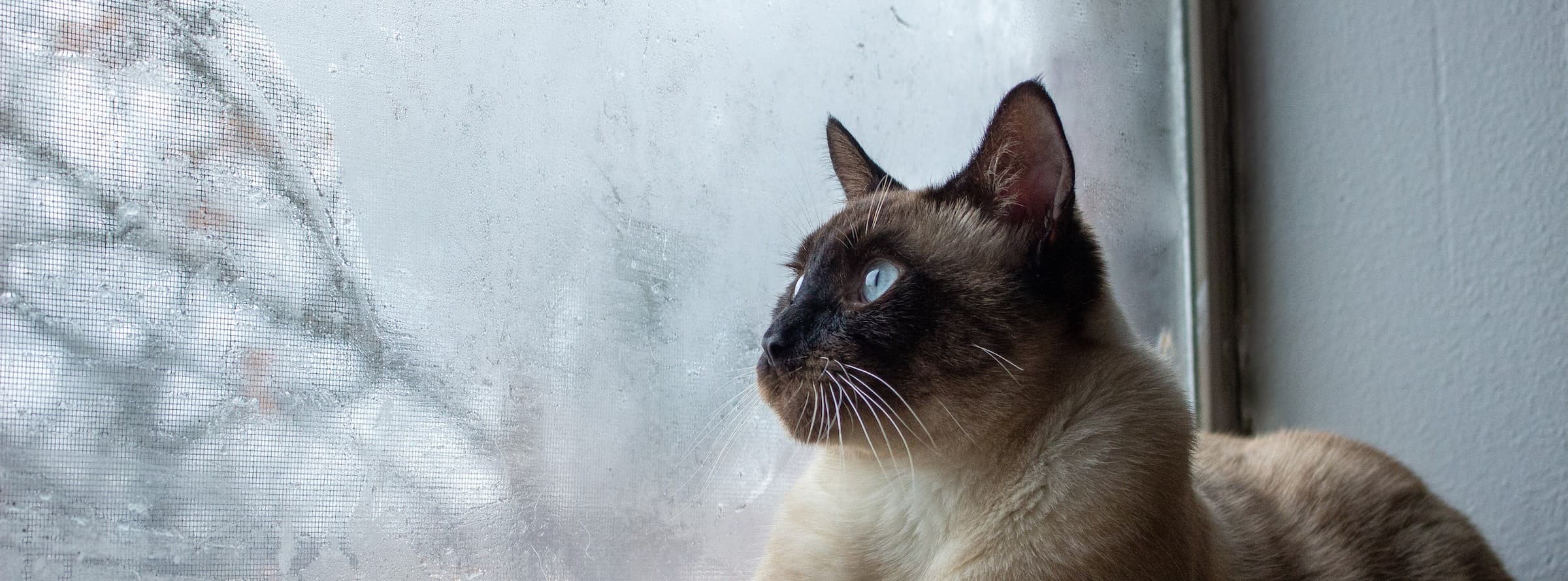
Discover the World of Fancy Cat Breeds: From Bengals to Russian Blues
In this article, we journey through some of the most enchanting and beautiful cat breeds that have captured hearts worldwide. By understanding the nuances of each breed, prospective cat owners can make informed decisions and bring home a pet that harmoniously fits their lifestyle.
Read more
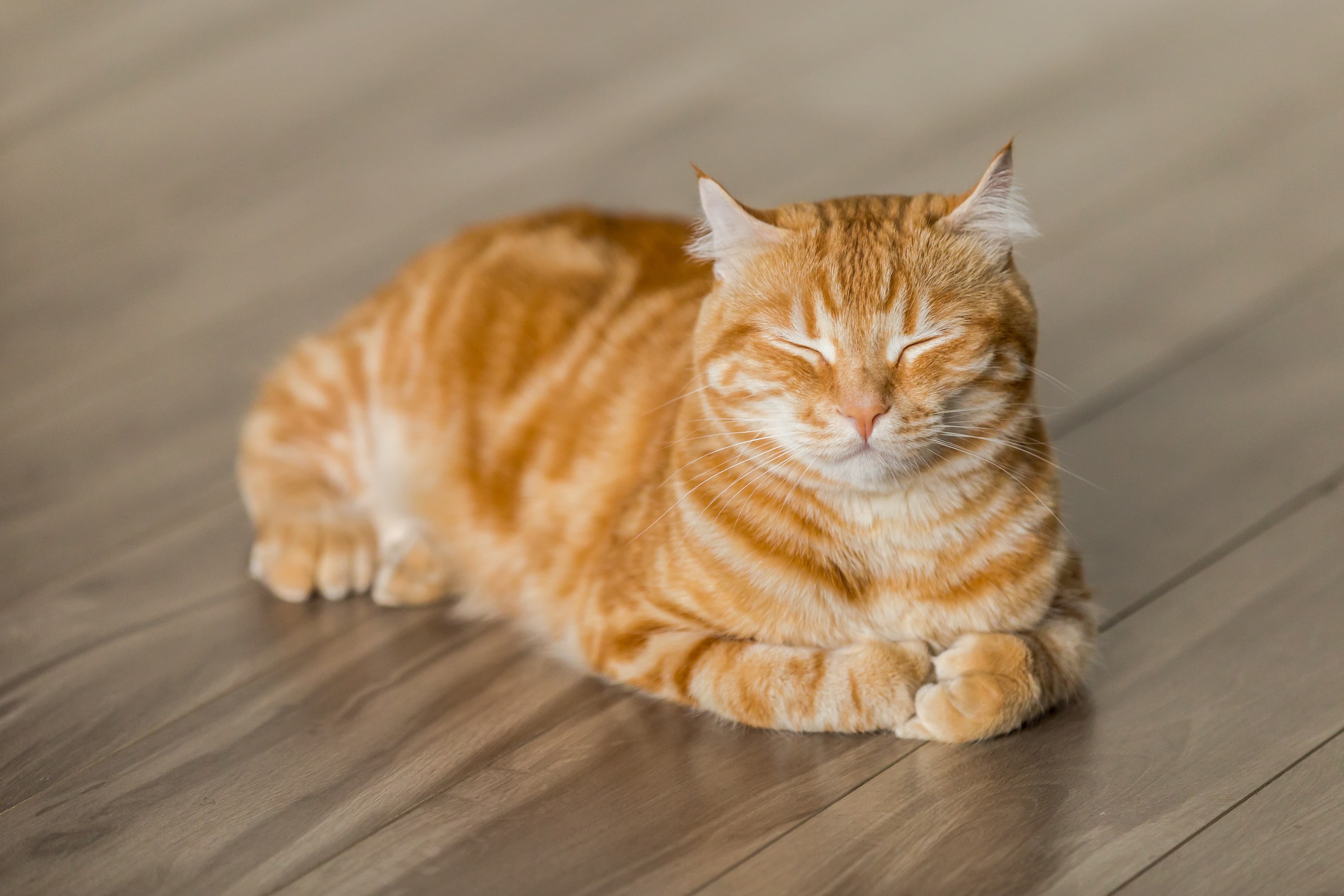
International cat day
Cats have been considered magical creatures for centuries. A vivid example of such beliefs is Ancient Egypt, where all representatives of the cat family were equated with deities. If you are a cat fan, you may want to know when is cat day celebrated. Exactly 21 years ago, the International Fund for Animal Rights called on all those who are not indifferent to celebrate August 8 as International Cat Day.
Read more
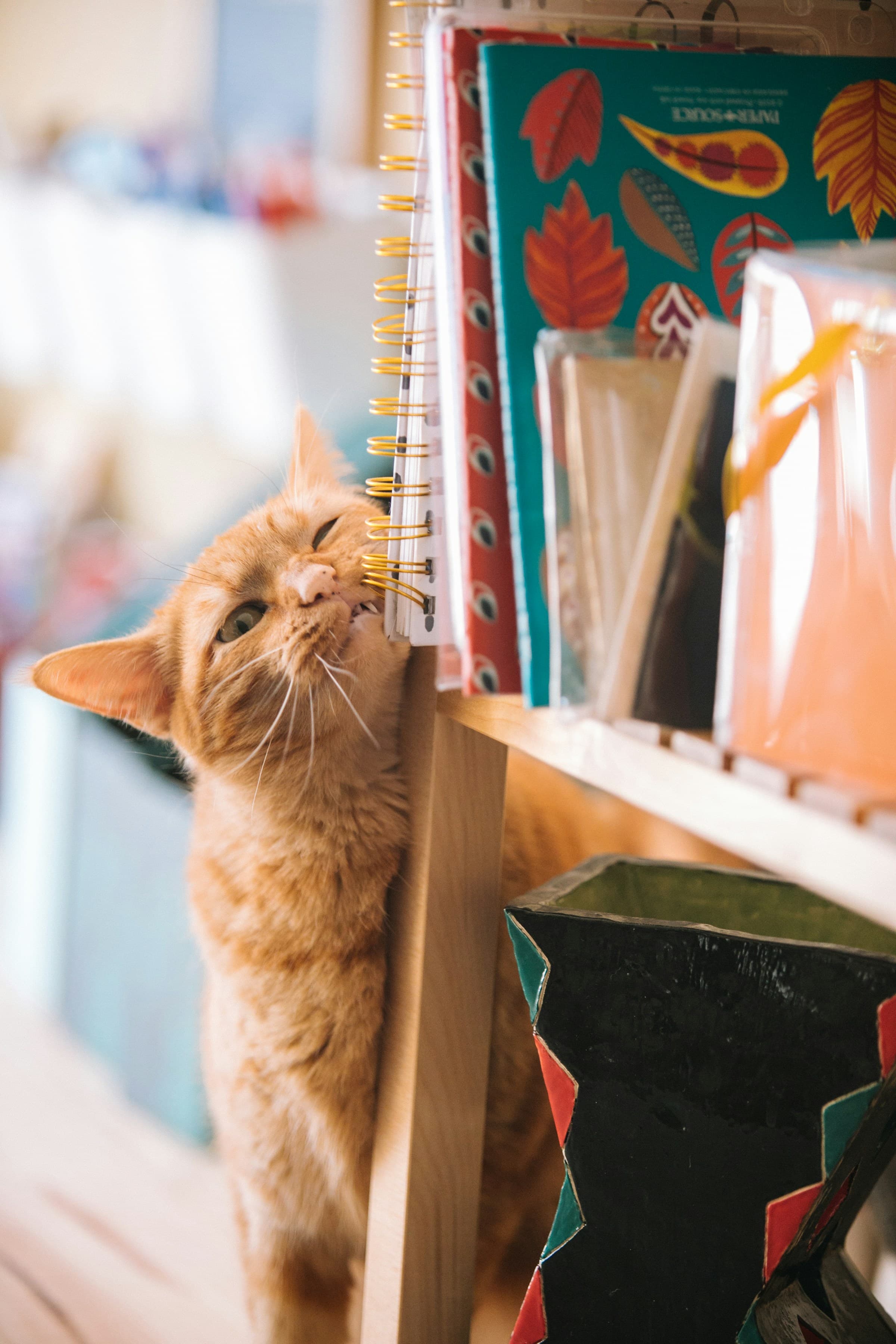
Take Your Cat to the Vet Day
By taking your cat to the vet regularly, you’re not only helping them stay happy and healthy but also making sure you identify any potential health concerns as early as possible.
Read more
How to Survive Cat World Domination Day
Cat World Domination Day is when cats are most likely to grab their chance to live as they did in their golden age. The proof is around you, with social media filled with cat memes and videos (as if cats didn’t already own the Internet!). So, how can you make sure you survive this auspicious day?
Read more