

Pancreatitis in cats is an inflammatory condition affecting the pancreas, leading to symptoms like vomiting, lethargy, and loss of appetite. The exact cause is often unknown, so prompt veterinary care and dietary management are key to improving a cat’s recovery and quality of life.

Some cat breeds are renowned for their capacity to bond with humans. Whether they're curling up in your lap or playfully engaging you in activity, these breeds not only cherish but actively seek out human interaction, making them the perfect companions for those who desire a deep bond with their pet.

Porphyrias is a term for a group of rare metabolic disorders that affect a cat’s ability to produce heme. Heme is an essential part of hemoglobin—a protein found in red blood cells that brings oxygen from a cat’s lungs to other parts of their body. Different types of porphyrias can occur in cats, as well as in humans and other animals. In this blog, we’ll discuss acute intermittent porphyria (AIP) in cats, its symptoms, and how it is diagnosed and treated by veterinarians.

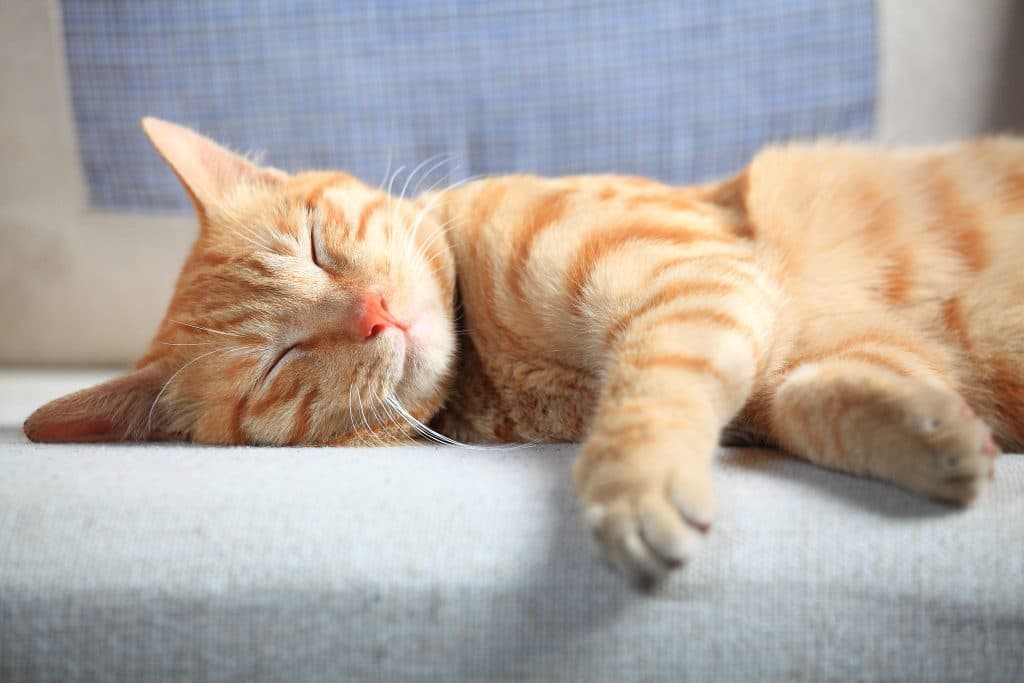
As cat lovers, we all know how much our furry family members love naptime. They'll happily catch some shuteye basking in a ray of warm sunshine or cozying up in other places around the house where they feel safe. Some kitties even snore while they sleep. Learn all about why some cats snore when they snooze, whether snoring is normal, and signs to watch out for that may warrant a vet visit to ensure everything is A-OK with your sleeping prince or princess.

Pyruvate kinase is an enzyme involved in the metabolism of red blood cells. When mutations in the PKLR gene occur, it reduces the functionality of this enzyme and subsequently affects the ability of red blood cells to survive and function properly. Learn about pyruvate kinase deficiency in cats, symptoms and treatment, and the cat breeds that are known to be at a higher risk for this condition.

From time to time, we update the Basepaws digital report of results for our Breed + Health Cat DNA Test. Today, we’d like to take a moment to share some details about two recent changes to our report—one for a genetic health marker linked to the common cat heart condition hypertrophic cardiomyopathy, and one for a genetic trait marker associated with the Siamese colorpoint coat pattern.

Today, we’re decoding one of the mysteries of genetics that relates to your Basepaws DNA report of results. It's called epistasis. When epistasis occurs, the observable expression (phenotype) of a gene—such as one responsible for the color of your kitty's coat—gets modified in some way by a completely different gene that has the ability to mask, suppress, or inhibit how that coat color gene is expressed. Epistasis helps explain why sometimes you may get a “likely to have” result for a genetic trait in your cat’s Basepaws report that doesn’t quite match up with their physical appearance.

The short answer to this question is, yes—snake plants (Sansevieria trifasciata) are indeed toxic to cats. Why are snake plants toxic to cats, and what are signs of snake plant toxicity in cats? Keep reading for the answers to these questions and more. You won’t want to miss out on important information to help keep your cat safe and healthy.