
Cat

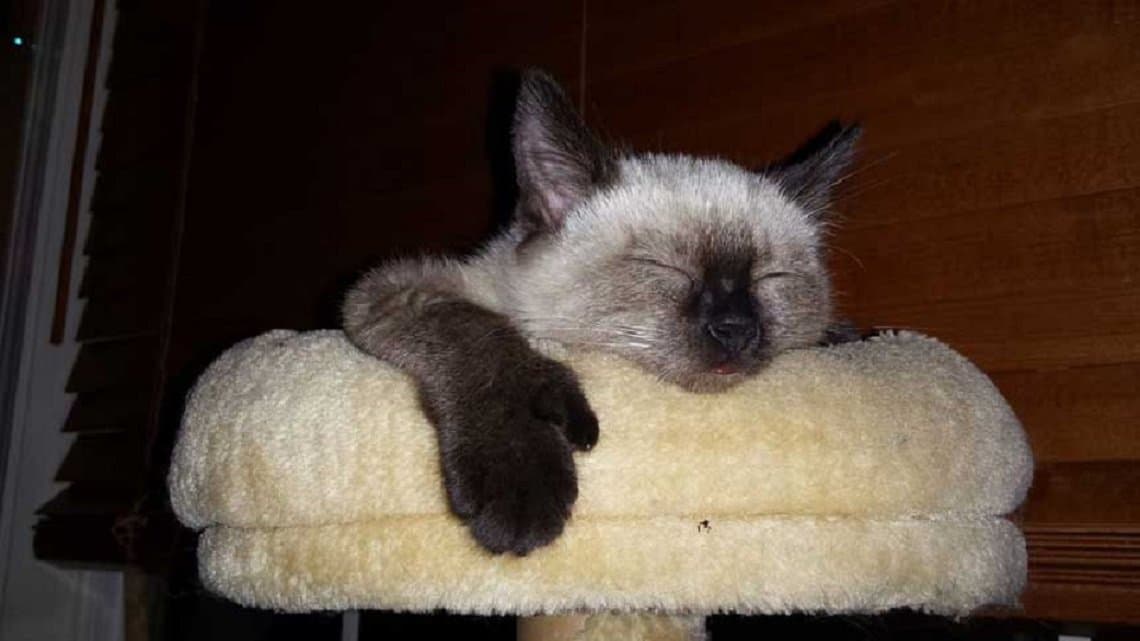
Genetics of Polydactyly: Celebrating the Hemingway Cats
Paws are cute. And who has extra-adorable paws? Hemingway cats, of course! Hemingway cats are carriers of a genetic anomaly polydactyly.
Read more

Feline Cancer – Background, Science and Answers (part 1)
Cancer in cats is actually less common than cancer in dogs, but once it is diagnosed, it tends to move faster. Learn more about feline cancer here.
Read more

Gangliosidosis in Cats: Genetic Disease Explained
Gangliosidosis in cats is a group of lipid storage disorders characterized by the accumulation of lipids – gangliosides in neurons.
Read more
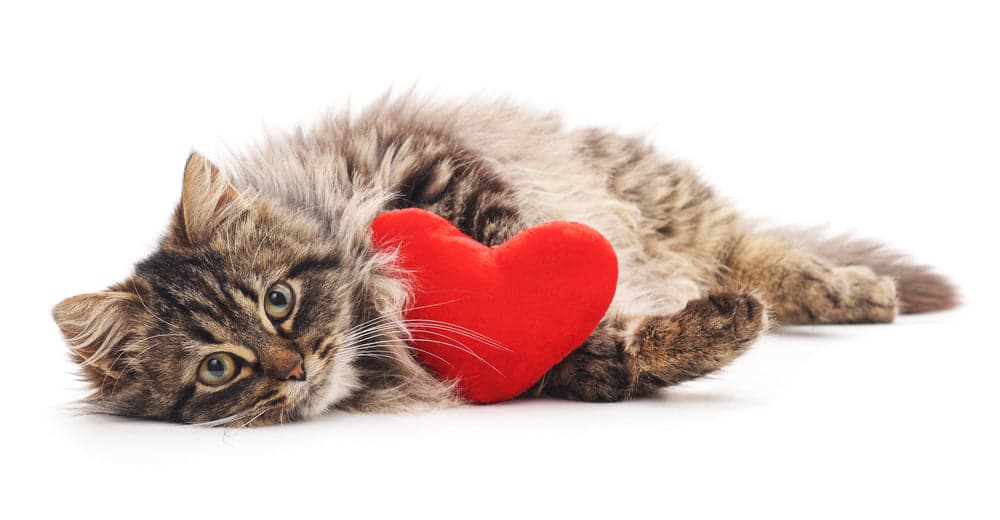
Basepaws and Catstradamus Cat: Earlier Detection For The Most Commone Feline Heart Condition
One of the first cats that Basepaws tested for an HCM mutation was an internet celebrity of HUGE proportion, the fluffy Samson, aka Catstradamus.
Read more

Hyperlipoproteinemia
Hyperlipoproteinemia can be primary (genetic) or secondary (idiopathic) and it has been associated with increased risk from heart disease.
Read more

Leukocyte Adhesion Deficiency (Type I)
Leukocyte adhesion deficiency (LAD) is an immunodeficiency disorder associated with recurrent infections. This genetic disorder has been described in humans, cats, dogs and cattle.
Read more
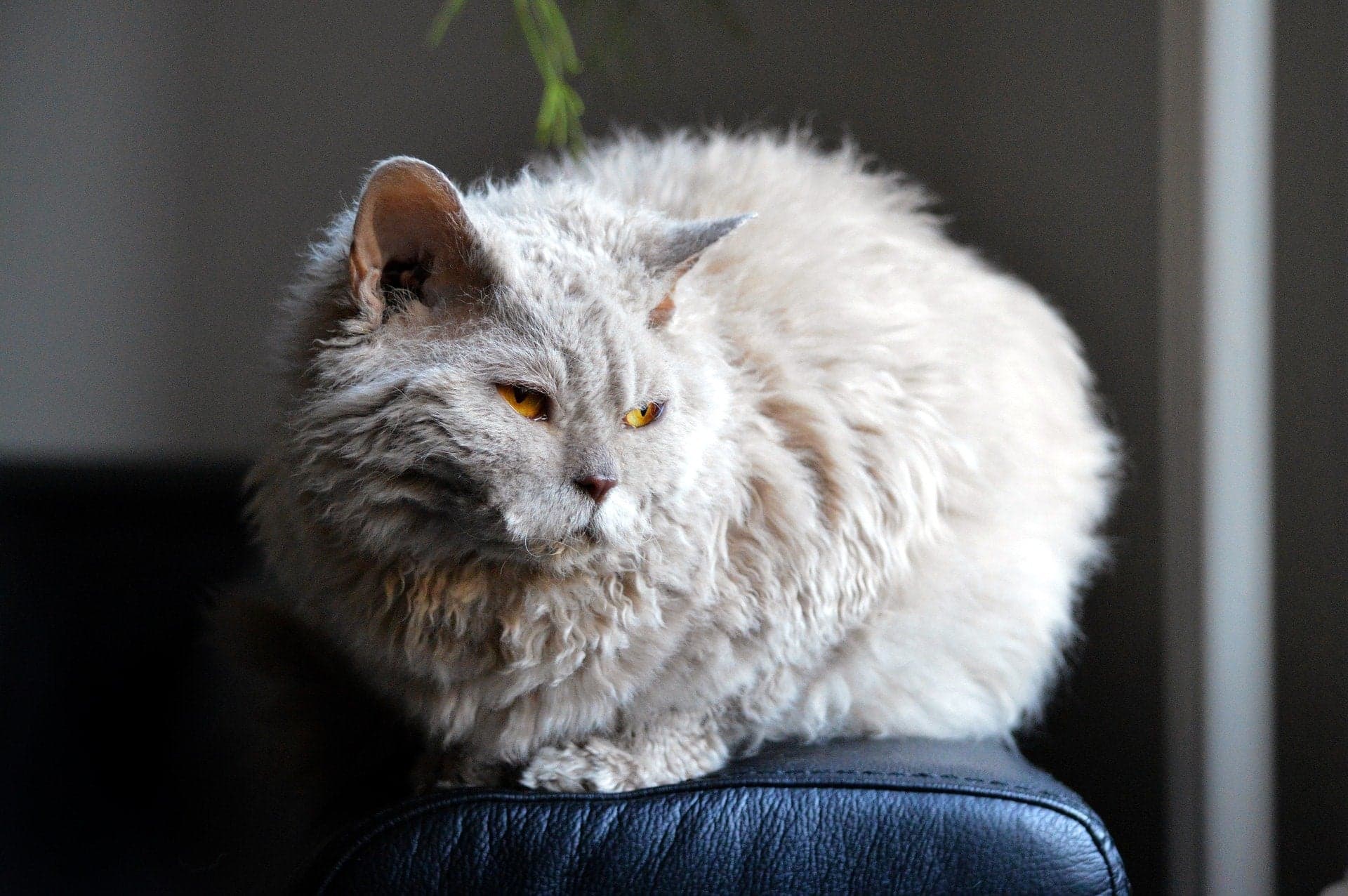
Curly Cat Coat: A Special Kind of Eye Candy
Have you ever wondered about the role of genetics in your cat's charming locks? The time has come to unravel some science behind curly cat coat.
Read more