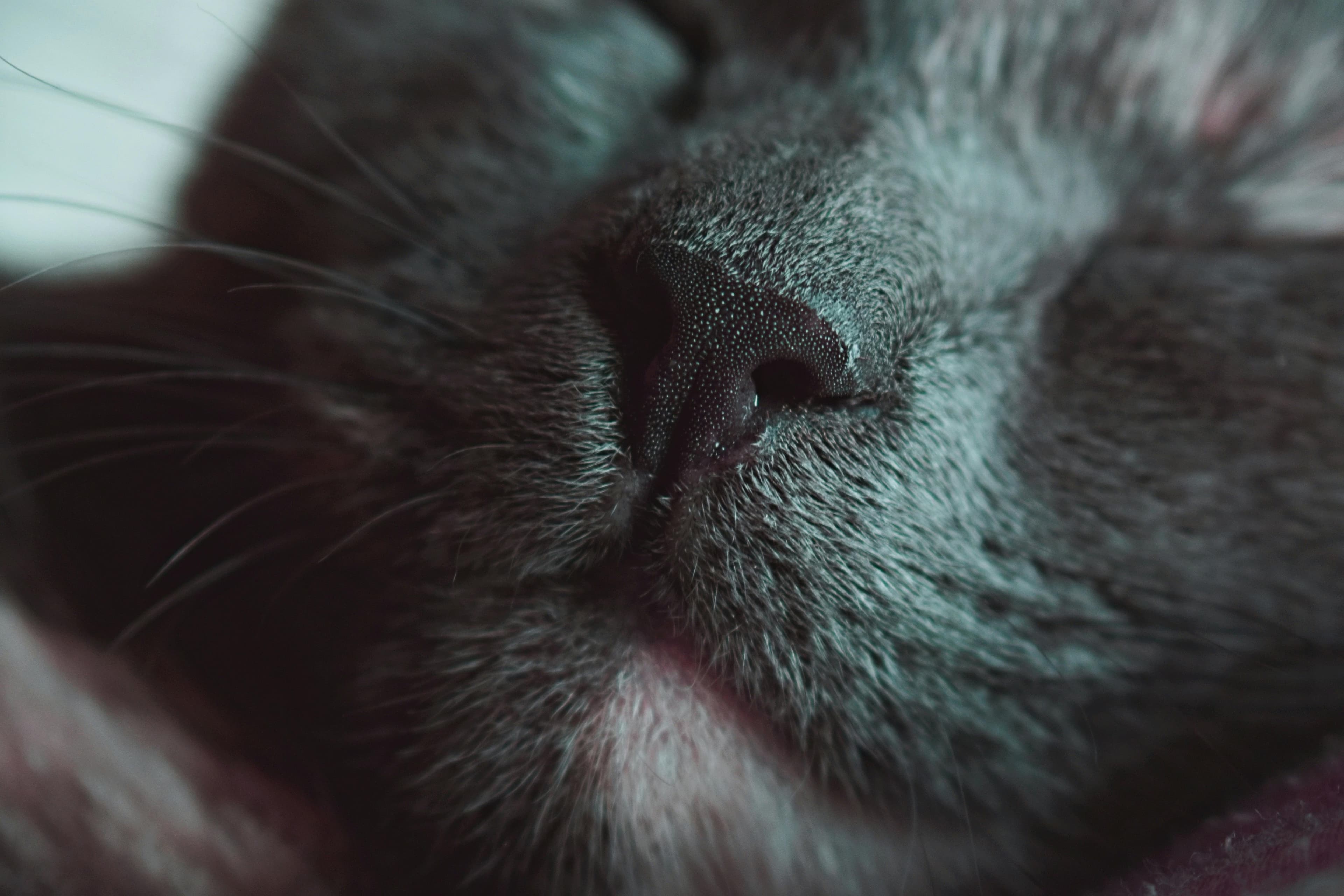
If you’re wondering why your cat’s nose feels dry, you’re not alone! A dry nose in cats is usually normal and not always a sign of illness. In fact, cats’ noses naturally fluctuate between wet and dry throughout the day. There are several harmless reasons why your cat’s nose might feel dry or even warm, and most of the time, it’s nothing to worry about.
This article will explain why a cat’s nose may become dry, when dryness could signal an underlying health concern, and some simple at-home care tips to keep your cat comfortable and healthy.
Should a Cat’s Nose Be Wet or Dry?
Both wet and dry noses can be normal in healthy cats. The moisture level on your cat’s nose changes throughout the day and can be influenced by factors such as temperature, humidity, grooming, or even how much your cat licks their nose.
While a moist nose can help enhance your cat’s sense of smell, it is not the only indicator of good health. A dry nose, on its own, does not necessarily mean your cat is sick.
Normal fluctuations throughout the day
According to Purina, there are several common reasons why your cat’s nose may feel dry or warm, including:
Sleeping or sunbathing – Cats often wake up with dry noses because they are not licking them while asleep. Sun exposure can also dry the surface temporarily.
Grooming or licking – Excessive licking or cleaning can remove moisture from the nose.
Dehydration – If your cat hasn’t been drinking enough water, their nose may feel drier than usual.
Age – Senior cats often have slightly drier noses than younger cats.
When dryness is not a concern
Why is your cat's nose dry? Your cat’s dry nose is usually harmless if it happens in situations like these:
Relaxing in the sun or near a heat source
Staying in a room with low humidity or poor air circulation
Experiencing brief environmental changes (such as seasonal heating or cooling indoors)
As long as your cat is eating, drinking, and behaving normally, a dry nose alone is rarely a cause for alarm.
When to Worry About a Cat’s Dry Nose
If you’re used to touching a cool, damp nose, you may wonder, “Why is my cat’s nose dry?” While dryness is often normal, it’s important to pay attention to any additional symptoms that could signal a health problem.
Red flag symptoms to watch for
A dry nose may require veterinary attention if you notice:
Persistent dryness paired with unusual behavior
Lethargy or weakness
Loss of appetite
Nasal discharge (especially yellow, green, thick, or bloody)
Cracked, crusty, or swollen skin on the nose
Vomiting or diarrhea
Fever (warm ears, skin, or body can be a clue)
Difficulty breathing or noisy breathing
Possible Causes
If your cat has a dry nose along with these symptoms, possible underlying causes may include:
Dehydration or fever
Upper respiratory infections (viral or bacterial)
Autoimmune conditions (e.g., pemphigus complex)
Nasal tumors or polyps
Sunburn (especially in white or light-coated cats)
Foreign object or injury inside the nose
If you see any of these warning signs, it’s crucial to contact a veterinarian immediately for proper diagnosis and treatment.
Why is my cat’s nose dry? This question might pop up in your mind if you are used to touching a wet nose. While a cat’s dry nose is normal, it is important to look for symptoms of discomfort. Red flag symptoms include:
Persistent dry nose with behavioral changes
Lethargy
Loss of appetite
Nasal discharge (especially yellow, green, or bloody)
Cracked, crusty, or swollen skin on the nose
Vomiting or diarrhea
Fever (check for warm skin or ears)
Difficulty breathing
Possible causes of these symptoms could include:
Dehydration or fever
Pemphigus complex (autoimmune condition)
Upper respiratory infections (viral or bacterial)
Tumors or nasal polyps
Sunburn in white or light-colored cats
Foreign object or injury
It is crucial to consult a veterinarian immediately if these symptoms occur along with your cat's crusty nose. Here is a table explaining when your cat’s dry nose is normal and when it needs vet attention.
Normal Dry Nose | Not Normal — Needs Vet Attention |
Just woke up from a nap | Loss of appetite |
After sunbathing or sitting near a heater | Lethargy or weakness |
Moisture removed from grooming/licking | Crusty, flaky, or cracked skin |
Resting in a dry or poorly ventilated room | Swollen, bleeding, or painful nose |
Temporary dehydration after exercise or eating | Thick, colored, or bloody nasal discharge |
Natural for some older cats | Sneezing, coughing, or watery eyes with dry nose |
Nose alternates between dry and moist | Vomiting or diarrhea |
No change in energy, appetite, or behavior | Very warm nose + warm body (possible fever) |
— | Sudden behavior changes or hiding |
Do Cats Have Wet Noses by Default?
Yes — a slightly moist nose is generally considered normal for a healthy cat. This light dampness comes from natural secretions such as sweat, mucus, and even tiny traces of tears or saliva. The thin layer of moisture actually enhances a cat’s already powerful sense of smell, helping them detect scents more accurately.
That said, not all cats have the same level of nose moisture. Some cats naturally have wetter noses than others, and a cat’s nose can also become temporarily damp after drinking water, grooming, or licking.
It’s important to remember that a wet nose alone does not automatically mean a cat is healthy — just as a dry nose does not always mean illness. A cat’s overall behavior, appetite, and energy levels are much better indicators of health.

Cat Has Dry Nose and Not Eating
A cat with a dry nose and no appetite could have underlying issues, such as dehydration, fever, infection, or upper respiratory infection (URI). Additional signs that warrant a veterinarian visit include:
Sneezing, nasal discharge (especially colored)
Lethargy or weakness
Crusty or swollen nose
Vomiting or diarrhea
Eye discharge, coughing
Warm skin or unusual behavior
These symptoms could signal possible serious medical causes such as:
Fever or dehydration
Upper respiratory infection
Autoimmune diseases (like Pemphigus)
Tumors, polyps, or foreign objects
Allergies or injuries
Sunburned Cat Noses: A Hidden Cause of Dryness
Excessive sun exposure can sometimes cause sunburn on a cat’s nose. Cats with white or light-colored fur, or those with sparse fur around the face, are especially vulnerable because they lack the natural pigment protection that darker-coated cats have.
Signs of Sunburn on a Cat’s Nose
Dryness and flaky skin
Redness and swelling
Thickened, scaly, or crusty patches over time
Sensitivity when touched (your cat may pull away)
If left untreated, repeated sunburn can increase the risk of painful skin damage and even certain types of skin cancer, such as squamous cell carcinoma.
How to Prevent Sunburn in Cats
To protect your cat’s nose (and overall skin) from harmful UV rays, try the following:
Limit sun exposure during peak hours (10 a.m. – 4 p.m.), or provide shaded areas with plants, umbrellas, or cat-safe outdoor shelters.
Encourage hydration by offering wet/canned food or using a water fountain to keep your cat’s skin and nose tissues healthier.
Ask your vet about cat-safe sunscreen designed specifically for pets. Never use human sunscreen, as ingredients like zinc oxide can be toxic to cats.
Apply UV-blocking film or shades to sunny windows if your cat likes to sunbathe indoors.
Consider protective clothing such as lightweight, UV-resistant pet shirts if your cat spends supervised time outside.
Tip: If you notice persistent redness, scabs, or non-healing sores on your cat’s nose, schedule a veterinary checkup right away. Early treatment can prevent more serious complications.
How to Treat a Dry Cat Nose
At-Home Care for Mild Dryness
If your cat’s nose feels dry but they have no other symptoms, the dryness is usually mild and manageable at home. You can try:
Gently cleaning the nose with a soft, damp cloth to remove debris or crust.
Encouraging hydration by providing fresh, clean water at all times and offering wet/canned food.
Improving indoor air quality with a humidifier or better air circulation, especially during dry winter months.
Limiting sun and heat exposure by keeping your cat away from direct sunlight, heaters, or radiators.
Protecting sun-sensitive cats (especially white or light-colored cats) by asking your vet about safe, pet-specific sunscreen. Never use human sunscreen, as it can be toxic to cats.
When Medical Treatment Is Needed
If dryness is persistent, severe, or accompanied by other symptoms, your veterinarian may recommend medical treatment based on the underlying cause. Possible treatments include:
Topical ointments for cracked, sunburned, or irritated noses.
Antibiotics or antifungal medications if a bacterial or fungal infection is suspected.
Anti-inflammatory drugs if dryness is related to autoimmune conditions such as pemphigus.
Surgery if a tumor or nasal polyp is identified.
Supportive treatments such as fluids for dehydration or antivirals for respiratory infections.
Always consult your veterinarian before trying any treatments, even over-the-counter ones. Some products safe for humans can be harmful to cats.
Final Thoughts: Know Your Cat’s Normal
When it comes to your cat’s health, the most important thing is knowing what’s normal for your cat. Some cats naturally have drier noses, while others tend to have wetter ones — and both can be healthy. Nose moisture also fluctuates throughout the day based on activity, environment, and sleep.
A dry nose alone is rarely a cause for concern. But if you notice additional symptoms such as lethargy, appetite loss, nasal discharge, or skin changes, contact your vet promptly. Acting early helps ensure not just your cat’s comfort, but their long-term health and well-being.
Frequently Asked Questions
How to treat my cat's dry, chapped nose?
The first step is to consult your veterinarian to rule out issues such as dehydration, infections, or underlying skin conditions. If no medical problem is found, your vet may recommend a pet-safe ointment or balm to gently moisturize the nose. Avoid human lotions or petroleum-based products unless your vet approves them.
Does my cat's warm nose indicate that my cat is ill?
Not necessarily. A cat’s nose can naturally feel warm or dry after sleeping, sunbathing, or spending time near a heat source. Nose temperature and moisture fluctuate throughout the day. Instead of focusing only on the nose, watch for other signs of illness, such as appetite loss, lethargy, vomiting, diarrhea, or sudden behavior changes.
Why does my cat have white crust around her nostrils?
White crust often forms from dried mucus, which may be caused by mild upper respiratory infections, allergies, or irritation from dust and environmental factors. If the crusting persists, worsens, or is paired with sneezing, discharge, or labored breathing, contact your veterinarian.
Is a wet and cold nose on a cat a sign of good health?
No. It’s a common myth that a healthy cat must always have a wet, cold nose. Nose moisture and temperature naturally vary throughout the day. A wet nose alone is not a reliable health indicator — overall behavior, appetite, and activity levels are far more important signs of wellness.
My cat's nose is dry and peeling. What should I do?
A dry, peeling nose can be caused by sunburn, dehydration, or skin irritation. However, it can also signal underlying health issues. If the peeling persists or is accompanied by other symptoms, schedule a veterinary visit for diagnosis and treatment.
Why is my kitten's nose dry and pale?
A pale, dry nose in kittens may suggest dehydration or, more seriously, anemia — which often appears as very pale pink or whitish gums and nose tissue. Other possible causes include sun exposure, respiratory infections, or environmental dryness. Because kittens are more fragile than adult cats, it’s best to have them checked by a vet promptly if you notice persistent paleness or other unusual symptoms.
Reference List
https://www.purina.com/articles/cat/health/symptoms/cat-nose-dry
https://www.petmd.com/cat/conditions/respiratory/upper-respiratory-infection-cats
https://www.hillspet.com/cat-care/healthcare/why-cats-nose-is-dry
https://www.petmd.com/cat/conditions/skin/can-cats-get-sunburn
https://www.medvet.com/pemphigus-foliaceus-in-cats-symptoms-and-treatment/