
Dog flu is the common name for canine influenza, a contagious respiratory virus that spreads from dog to dog. According to the American Veterinary Medical Association, this illness is caused by two strains of influenza A virus that affect dogs: H3N8 and H3N2. You may also see it abbreviated as CIV, which stands for canine influenza virus.
Canine influenza is different from the human flu, and most dogs have little to no natural immunity to it. That’s one reason it can move quickly through groups of dogs, especially in shared spaces.
In this article, we answer the question, “Can dogs get the flu?” We’ll explain the symptoms to watch for, how the virus spreads, and how veterinarians diagnose and treat it. We’ll also discuss whether the canine influenza vaccine is worth considering and when it’s time to make that call to your veterinarian.

What Is Canine Influenza (Dog Flu)?
Canine influenza is a dog-specific flu virus that affects the respiratory tract and can cause coughing, nasal discharge, fever, and low energy. Some dogs may also have a reduced appetite.
The virus spreads easily through respiratory droplets released when an infected dog coughs, barks, or sneezes. It can also spread through shared items like water bowls, leashes, toys, bedding, and even on human hands or clothing after contact with an infected dog. Because of this, outbreaks are more likely in places where dogs gather closely together — such as animal shelters, boarding kennels, daycare centers, grooming facilities, and dog parks.
Symptoms of canine influenza can range from mild to more serious. Some dogs develop signs that resemble kennel cough, with a soft, persistent cough and nasal discharge. Others may experience a high fever, pronounced lethargy, thick nasal discharge, or difficulty breathing. In some cases, the infection can lead to pneumonia, which requires prompt veterinary care.
Most dogs recover within two to three weeks with supportive treatment. However, puppies, senior dogs, and dogs with underlying health conditions may be at higher risk of complications and should be monitored closely if they show symptoms.
Dog Virus Going Around: Is It Really Dog Flu?
What is canine influenza? A ‘dog sickness going around’ isn’t always dog flu—many respiratory bugs cause similar coughing and sneezing, so testing is sometimes needed. Canine influenza is one possible reason for signs like coughing, a runny nose, mild fever, or low energy. But these symptoms can also be caused by other common respiratory illnesses.
Some of the most frequent lookalikes similar to the signs of canine influenza include:
Canine infectious respiratory disease complex (CIRDC) — often called kennel cough, this is a group of infections that affect the respiratory tract.
Canine parainfluenza virus — a contagious virus that causes coughing and nasal discharge.
Canine respiratory coronavirus — a virus that typically causes mild respiratory signs but can contribute to more complex infections.
Because the symptoms overlap, a veterinarian may recommend specific diagnostic tests, such as nasal or throat swabs, to identify the exact virus involved. Getting an accurate diagnosis helps guide treatment decisions and infection control, especially during local outbreaks.
How Do Dogs Get Canine Influenza?
It’s natural to ask, “Can dogs get influenza — and how does it spread?” Dogs catch canine influenza the same way people catch colds—through close contact and respiratory secretions.
The virus spreads easily, especially in places where dogs interact closely. Common routes of transmission include:
Respiratory droplets released when an infected dog coughs, sneezes, or barks
Direct contact with an infected dog, such as nose-to-nose greetings
Shared items like water bowls, toys, bedding, or leashes
Contaminated surfaces and hands (fomites) — the virus can briefly survive on objects, clothing, or human hands and spread to another dog
Dogs can begin shedding the virus before showing obvious symptoms, which makes outbreaks harder to control. Because most dogs have little natural immunity to canine influenza, the infection can move quickly through groups — especially in boarding facilities, shelters, daycare centers, and dog parks.
Good hygiene, isolation of sick dogs, and vaccination (when recommended by a veterinarian) are key steps in reducing the risk of transmission.
How Contagious Is Dog Flu?
Dog flu is highly contagious, particularly in group settings. A single infected dog can quickly spread the virus in places like dog parks, boarding facilities, shelters, daycare centers, or grooming salons.
One reason outbreaks move so fast is that dogs can shed the virus before obvious canine influenza symptoms appear. This means they may seem healthy while already spreading infection to other dogs.
Because most dogs have little natural immunity to canine influenza, the virus can circulate rapidly once it enters a group environment.
How Long Is Dog Flu Contagious?
According to PetMD, dogs with canine influenza can be contagious for several days before they even appear sick. That’s one reason outbreaks can spread so quickly — a dog may be shedding the virus before anyone realizes they are infected.
The length of contagiousness depends on the strain:
Dogs infected with the H3N8 strain typically shed the virus for about 10 days.
Dogs infected with the H3N2 strain can shed the virus for up to 2–3 weeks, and sometimes longer.
Even if dog influenza symptoms are mild, a dog can still spread the virus during this time.
As a practical guideline, it’s wise to keep a sick dog isolated from other dogs for at least 2–3 weeks from the start of symptoms, or as advised by a veterinarian. Limiting contact and thoroughly cleaning bowls, bedding, toys, and shared surfaces can significantly reduce the risk of spreading the infection.
Dog Flu Symptoms

Dog flu symptoms often resemble a more intense case of kennel cough. Affected dogs may develop a persistent cough, runny nose, and low energy.
Here are common signs of canine influenza (not a diagnostic checklist, but a general guide):
Symptom | Notes |
Cough | Soft and persistent, sometimes moist |
Nasal discharge | Clear or thick |
Fever | Mild to high |
Reduced appetite | May skip meals or eat less |
Lethargy | Low energy, less playful |
Watery eyes | Sometimes present |
Difficulty breathing | Severe cases, may indicate pneumonia |
Some dogs may also have watery eyes or mild difficulty breathing.
Signs of Dog Flu vs. Mild Colds
Dog influenza symptoms often look like a bad kennel cough: a persistent cough, runny nose, and low energy. The key difference is that canine influenza can vary widely in severity.
While some dogs recover quickly from mild, cold-like symptoms, others may develop:
A high fever
Thick nasal discharge
Marked lethargy
Loss of appetite
Secondary bacterial infections
Because symptoms overlap with other respiratory illnesses, a veterinarian may recommend testing to confirm the cause, especially during an outbreak.
When Dog Flu Can Be Severe
Dog flu becomes more serious when the infection affects the lungs. In some cases, it can progress to pneumonia, which requires prompt medical attention.
Warning signs of severe illness include:
Labored or rapid breathing
Persistent high fever
Extreme lethargy
Refusal to eat or drink
Signs of dehydration (dry gums, sunken eyes)
These symptoms are red flags and require immediate veterinary care. Early treatment significantly improves outcomes, especially for puppies, senior dogs, and dogs with underlying health conditions.
Severity | Symptoms | Action |
Mild | Persistent cough, runny nose, low energy | Supportive care at home |
Moderate | High fever, thick nasal discharge, loss of appetite | Vet consultation recommended |
Severe | Labored breathing, extreme lethargy, dehydration, pneumonia | Immediate veterinary care |
How Vets Diagnose Canine Influenza

Because many respiratory infections look alike, vets may use canine influenza testing to confirm dog flu—especially during outbreaks
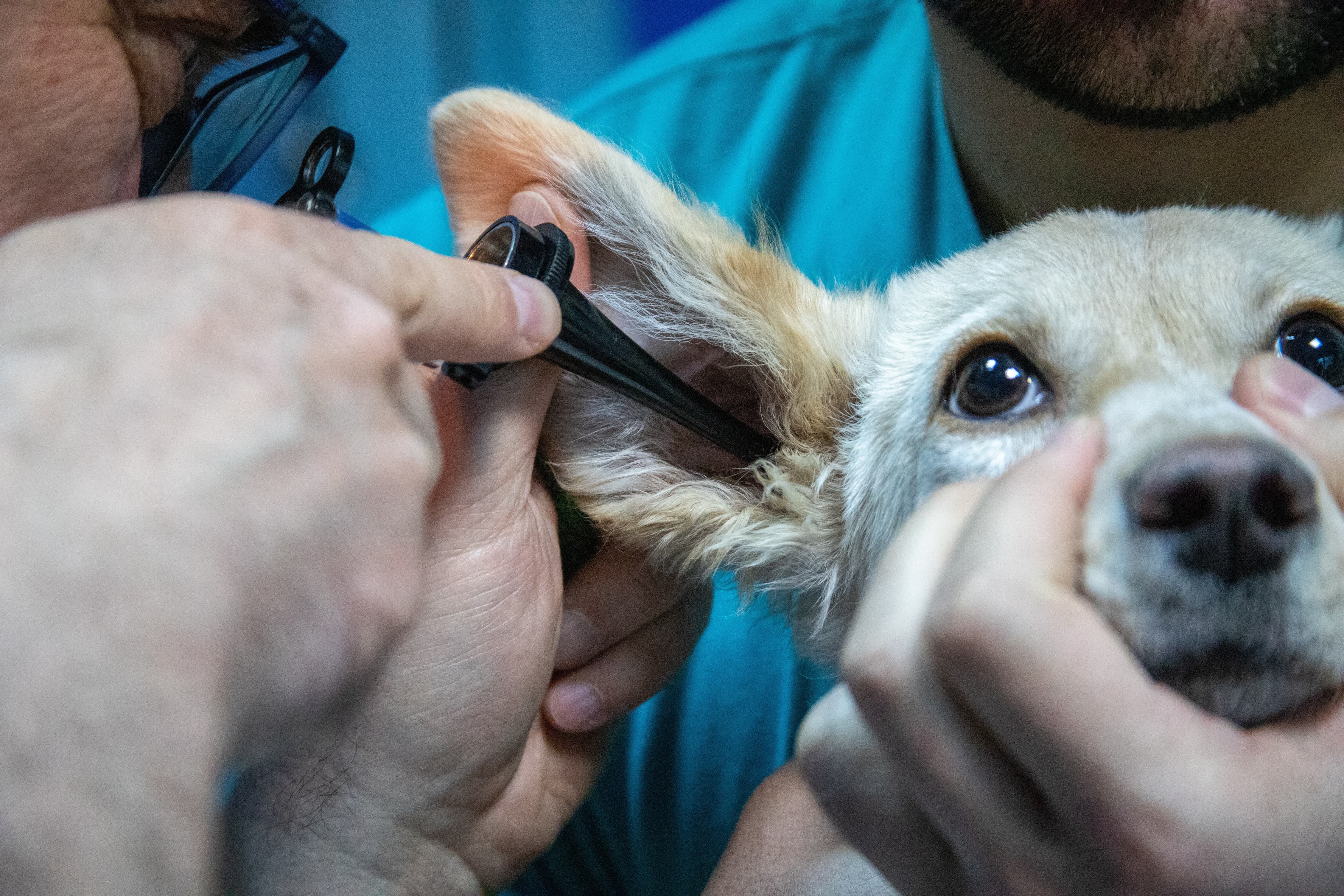
Diagnosis usually involves a combination of clinical signs, recent history, and, when needed, laboratory testing. For example, recent boarding, daycare attendance, shelter stays, grooming visits, or close contact with coughing dogs can provide important clues. During a known outbreak in the area, a veterinarian may make a clinical diagnosis based on symptoms and exposure risk alone, particularly in mild and straightforward cases.
A physical exam typically includes:
Checking body temperature for fever
Evaluating the type and amount of nasal discharge
Listening carefully to the lungs to rule out pneumonia
Assessing hydration and overall energy level
If symptoms are severe, prolonged, or unclear, a veterinarian may recommend respiratory swabs (nasal or throat samples) or blood tests to confirm influenza and help guide treatment decisions.
Timing matters. Testing is generally more accurate early in the course of illness, when the virus is actively shedding. Delayed testing may make confirmation more difficult, which is why it’s best to contact a veterinarian promptly if respiratory symptoms develop.
Canine Influenza Treatment
Most dog flu cases are treated with supportive care, but dogs with pneumonia may need veterinary hospitalization. Since the canine influenza virus must run its course, treatment mainly focuses on keeping your dog comfortable and helping them recover.
Supportive care typically includes:
Plenty of rest in a calm, quiet environment
Good hydration to prevent dehydration
Nutritious meals to maintain energy and support recovery
Humidified air to ease coughing and nasal irritation
Close monitoring for worsening symptoms
Antibiotics do not treat the virus itself but may be prescribed if a secondary bacterial infection, such as pneumonia, is suspected.
Dog Flu Treatment at Home (Mild Cases)
For mild cases, canine influenza treatment includes rest, fluids, and comfort:
Rest: Limit activity and provide a comfortable space for recovery
Hydration: Encourage water intake and consider offering broth or ice cubes if needed
Nutrition: Offer small, appealing meals to stimulate appetite
Comfort measures: Keep your dog warm and provide a humidifier to ease coughing
Medication caution: Do not give human cold or flu medicines unless specifically prescribed by your veterinarian, as many are toxic to dogs
Monitoring is key. If symptoms worsen — such as high fever, labored breathing, or prolonged lethargy — contact your veterinarian promptly, as these may indicate complications requiring professional care.
Treatment for Severe Dog Flu

Severe cases of canine influenza may require hospitalization for close monitoring and intensive supportive care. Dogs experiencing breathing difficulties or pneumonia often need more advanced interventions, which can include:
Oxygen therapy to help with labored breathing
IV fluids to prevent dehydration and maintain electrolyte balance
Medications to manage fever and control secondary bacterial infections
Hospital care ensures your dog is closely monitored and receives immediate treatment if their condition worsens. Early veterinary intervention can significantly improve outcomes in severe cases.
Dog Flu Vaccine
What is CIV vaccine for dogs? The canine influenza (CIV) vaccine, commonly called the dog flu vaccine, is designed to help protect dogs against canine influenza. This preventive vaccine works by priming the immune system to recognize the virus, allowing a dog’s body to respond more effectively if exposed.
While the vaccine does not guarantee complete protection, it can reduce the severity of illness and help limit how much the virus spreads to other dogs. The dog flu vaccine is usually recommended for dogs that frequently interact with other dogs, especially in boarding or daycare settings.
Pros and Cons of Dog Flu Vaccine
The dog flu vaccine is beneficial for dogs that frequently interact with other dogs. Here are the pros and cons of dog flu vaccine.
Pros | Cons |
Reduces severity of illness | Does not prevent infection in all cases |
Limits virus spread in group settings | May not be needed for low-exposure dogs |
Recommended for high-risk dogs (seniors, underlying conditions) | Mild side effects possible: soreness, low-grade fever, lethargy |
Recognized by CDC for outbreak control | Serious reactions are rare |
In short, the CIV vaccine is especially beneficial for dogs that regularly socialize with others or are at higher risk for complications. Your veterinarian can help determine whether it’s appropriate based on your dog’s lifestyle and exposure risk.
Preventing Dog Flu During an Outbreak
If there is a dog virus going around, limiting dog-to-dog contact is one of the best ways to protect your dog and your community. When cases are reported at your dog’s daycare, boarding facility, or in local parks, taking precautions can help reduce the risk of infection.
Practical prevention steps during an outbreak:
Pause group activities such as daycare, dog parks, training classes, and dog shows.
Avoid shared items like water bowls, toys, and bedding. Clean and disinfect bowls, leashes, crates, and frequently touched surfaces.
Practice good hygiene by washing your hands after handling other dogs.
Isolate sick dogs — keep any coughing or ill dogs strictly at home and away from others.
Returning to Social Settings
Before resuming daycare, boarding, or other group activities, follow your veterinarian’s guidance and the facility’s health policies. Many centers require specific isolation periods or veterinary clearance to prevent further spread of the virus.
When to See a Vet for Dog Flu Symptoms
Knowing the symptoms of dog flu is important, but it’s equally crucial to recognize when immediate veterinary care is needed. Seek veterinary attention right away if your dog shows:
Difficulty breathing or labored breathing
Blue or pale gums
Collapse or extreme weakness
Persistent vomiting or inability to keep water down
Severe lethargy or dehydration
Worsening cough
High fever
Certain dogs are at higher risk for complications and should be evaluated promptly, even if signs of dog flu appear mild. This includes puppies, senior dogs, pregnant dogs, and dogs with chronic heart or lung conditions. If your dog is struggling to breathe or seems unusually weak, don’t wait—seek veterinary care right away
Can dogs get the flu? Yes! So when in doubt, call your veterinarian. They can advise whether dog flu treatment or testing is needed based on your dog’s symptoms, exposure history, and local outbreak conditions.
Frequently Asked Questions
Can my dog catch the human flu from me (or can I catch dog flu from my dog)? Can dogs catch the flu from their humans?
No. Canine influenza and human flu are species-specific viruses, so transmission between humans and dogs is extremely rare.
Can cats get canine influenza from dogs?
Cats can be infected with certain strains of canine influenza, but it is uncommon. Transmission is possible in close-contact situations, so keeping sick dogs separate from cats during an outbreak is a sensible precaution.
Can a vaccinated dog still get dog flu?
Yes. While vaccination cannot guarantee complete protection, it usually reduces the severity of illness and may shorten the duration of symptoms, making complications less likely.
Do dogs need antibiotics for canine influenza treatment?
No. Antibiotics do not treat viral infections, including dog flu. They may be prescribed only if a secondary bacterial infection—such as pneumonia—is suspected.
How long should I keep my dog away from other dogs if dog flu is suspected?
It’s safest to isolate your dog for about 2–3 weeks from the start of symptoms, or as directed by your veterinarian, to prevent spreading the virus.
Is ‘CIV vaccine’ the same as the dog flu vaccine?
Yes. CIV stands for canine influenza virus, so the CIV vaccine is the same as the dog flu vaccine.
Can dogs get influenza A? (What does it mean when people say “flu A in dogs”?)
Yes. Canine influenza is caused by influenza A viruses, most commonly the H3N8 or H3N2 strains, which have adapted to infect dogs and spread between them.
My dog is coughing but acting normal—could it still be dog flu?
Yes. Dog flu can start with a mild cough while your dog seems otherwise healthy. Other respiratory infections, like kennel cough, can look similar, so contact your veterinarian if symptoms persist or worsen.
Reference List
https://www.avma.org/resources-tools/pet-owners/petcare/canine-influenza
https://www.webmd.com/pets/dog-flu-symptoms-causes-treatment
https://www.animalhumanesociety.org/resource/canine-infectious-respiratory-disease-aka-kennel-cough
https://www.petmd.com/dog/conditions/respiratory/dog-flu-canine-influenza-dogs
https://trudellanimalhealth.com/blogs/blog/what-is-dog-flu-signs-symptoms-and-how-to-treat-it