

Dog
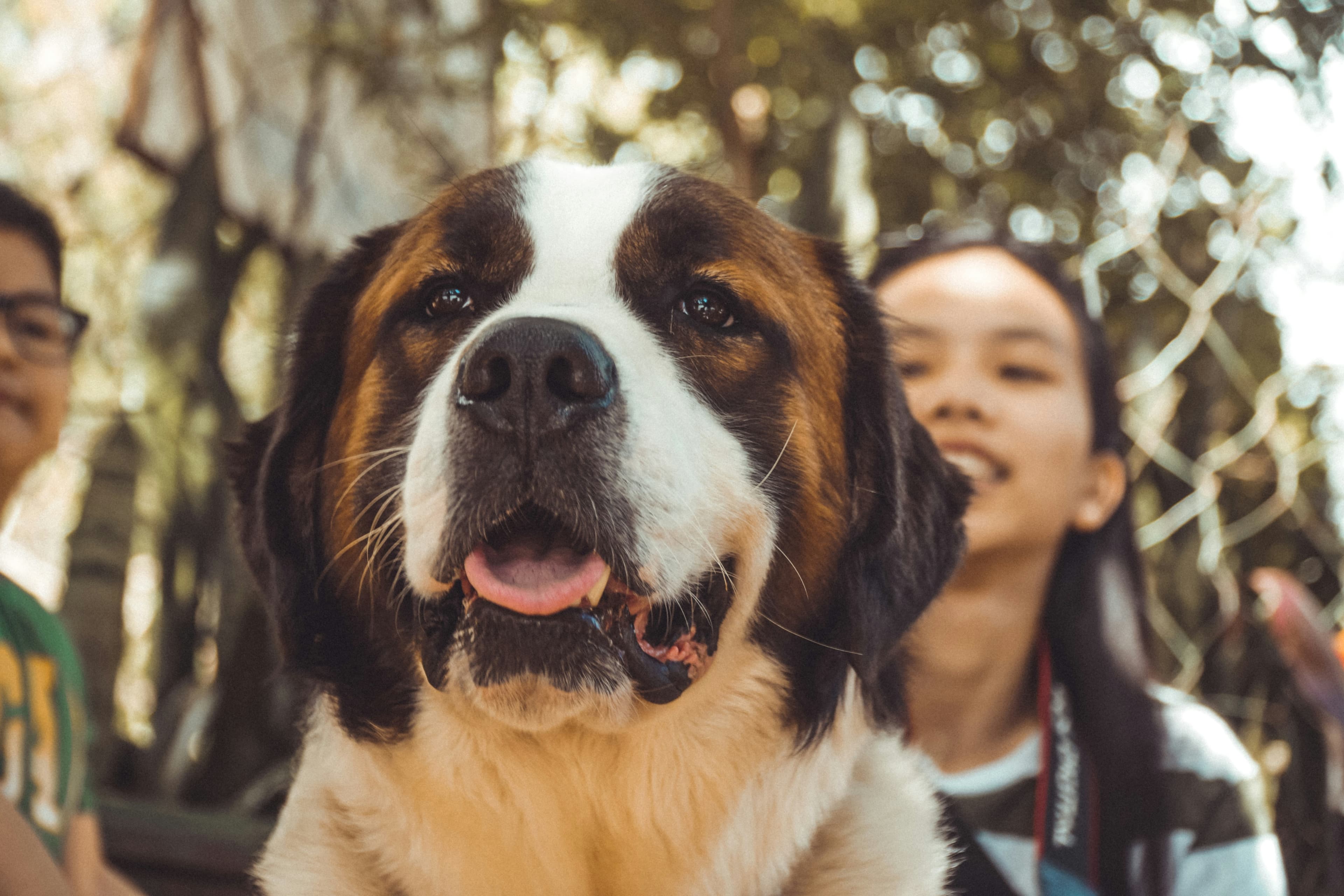
Top 10 Heaviest Dog Breeds
In this article, you will explore a number of the heaviest dog breeds, together with the Neapolitan Mastiff, Newfoundland, Anatolian Shepherd dog, and the extremely good Pyrenees. Every breed is profiled in detail, discussing their origins, physical characteristics, and temperaments.
Read more
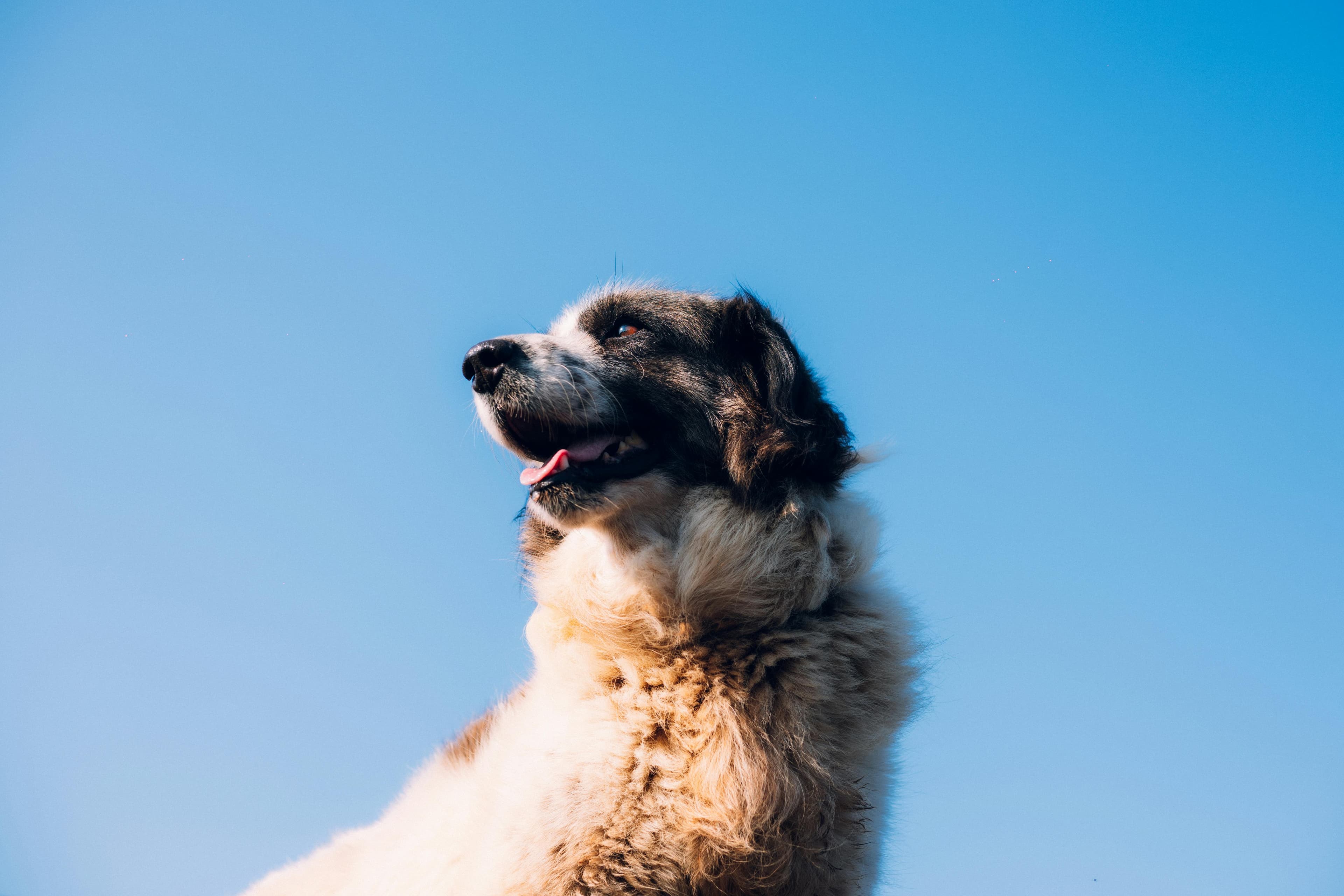

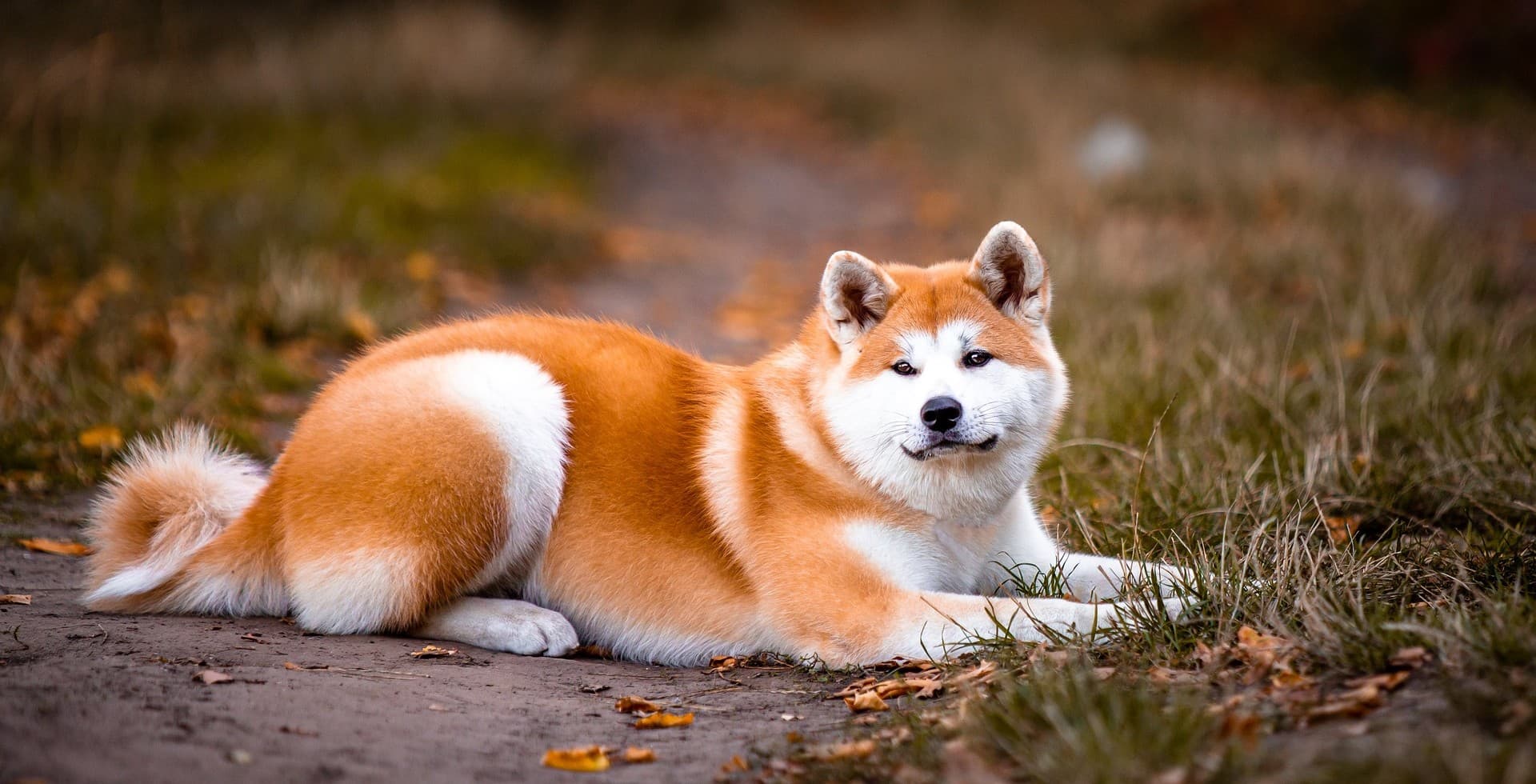
Akita Lifespan: What to Expect
Take a detailed look into the lifespan of Akita dogs with us as we explain the factors that are involved in prolonging their lives such as lifestyle and genetics. We also discuss the typical health issues they face so that you can keep them in check if you want your Akita Inu dog to have a long and healthy life.
Read more

Easter Dog Activities and Safety
Creating a safe environment for your beloved dog this Easter is possible – it just takes a little patience and preparation! With a little prep, you can enjoy this holiday with your family and dog while keeping everyone safe and healthy.
Read more

Size Matters: Discovering the Biggest Dog Breed in the World
Dogs come in all shapes and sizes in the diverse realm of canine companionship, each with unique characteristics and traits. While some dogs are small enough to fit in your lap, others are like living giants, embodying strength, loyalty, and an unmistakable presence.
Read more

Discovering Diversity: How Many Dog Breeds Are There?
There are over 300 recognized dog breeds worldwide, each with its unique characteristics, appearance, and temperament. These breeds vary in size, purpose, and origin, making the world of dogs incredibly diverse and fascinating. So, how many different dog breeds are there in the world? How many dog breeds are there in 2023 that are officially recognised? To uncover the answer to these compelling questions, we must delve deep into the essence of breed classification, the role of geographical locations, and the impacts of crossbreeding.
Read more

Exploring Large Dog Breeds: Mighty Giants And Gentle Companions
Large dog breeds, known for their imposing size and strength, often make wonderful family pets due to their gentle and protective nature. These dogs require ample exercise, space, and proper training to thrive in a loving home. Get insights into a big dog's temperament and care, and discover lazy and lovable large breeds.
Read more
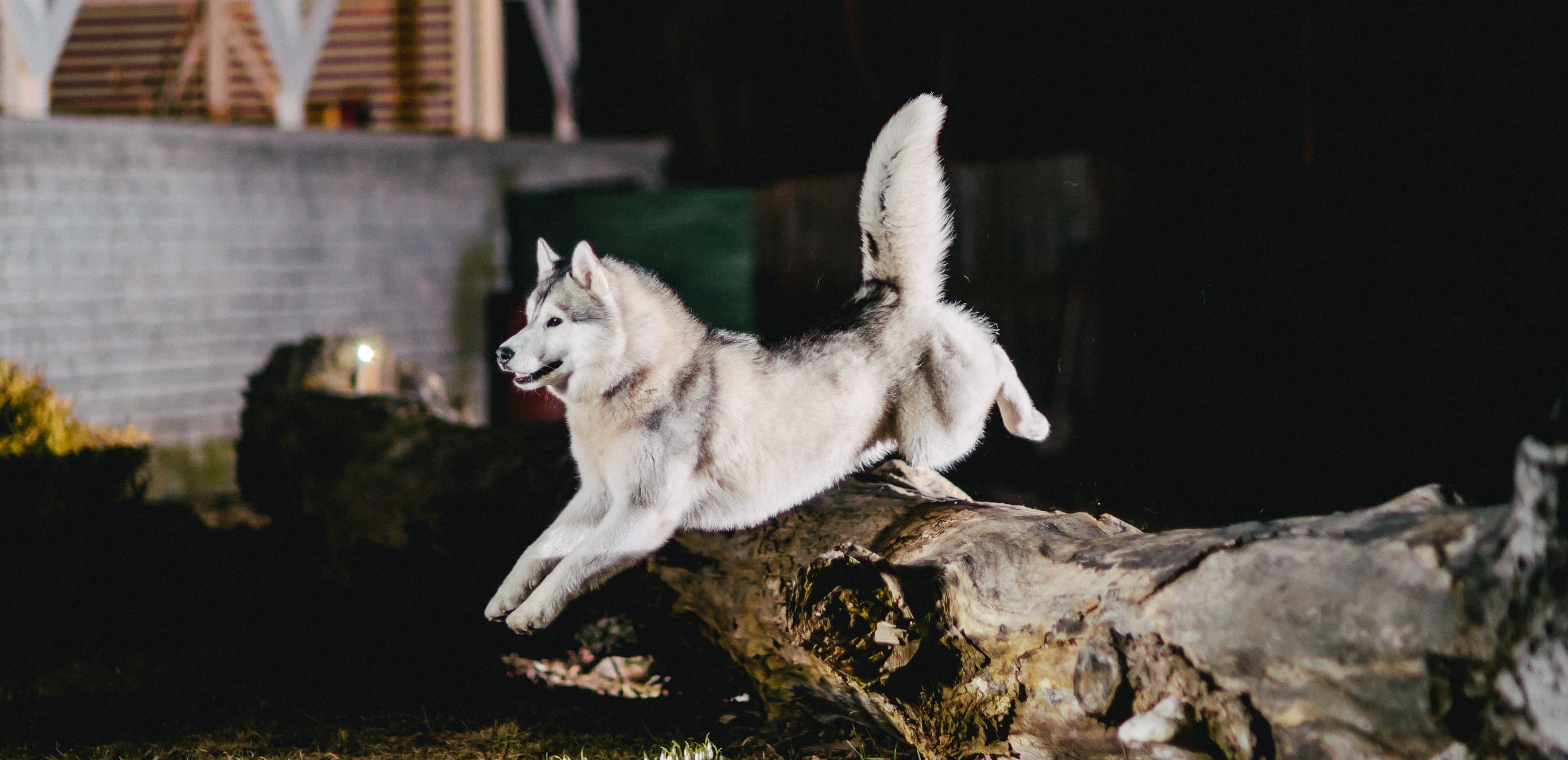
Which Giant Breed Dog Lives the Longest?
Ever wondered which big furry friend stays by your side the longest? Let's chat about giant dog breeds and their unique lifespans. From gentle giants to those with a whole lot of heart, we're diving into the doggie details that make some of them our lifelong buddies. Ready for a friendly journey into the world of big, lovable canines?
Read more
Should You Shave a German Shepherd?
Shaving a German Shepherd can do more harm than good, stripping away their natural protection against heat and parasites, and possibly damaging their coat permanently. To keep your dog healthy and comfortable, focus on regular grooming and providing a cool environment, avoiding the risks of shaving.
Read more

Pet-Safe Holiday Food
We love spoiling our furry friends, especially on holidays, but what happens when the holiday treats are too tempting, and they take something from the table? That’s when holiday joy turns to anxiety, and we wonder if we need to call the vets! Let’s save you some anxiety - this is our quick guide to holiday foods pets can eat.
Read more