
Can Dogs Eat Grapes?
Can dogs eat grapes? No. Grapes are extremely dangerous for dogs and should never be given to them. It doesn’t matter the breed, age, or size of the dog—grapes (and raisins) are toxic to all. Even a small amount can cause severe health issues, including acute kidney failure.
If you suspect your dog has eaten grapes, treat it as an emergency. Take them to a veterinarian immediately, even if they aren’t showing symptoms yet. Signs of grape toxicity may include vomiting, diarrhea, lethargy, loss of appetite, abdominal pain, or changes in urination. Prompt treatment greatly increases the chances of recovery.
Why Are Grapes Bad for Dogs?
We know grapes and dogs don’t mix, but what exactly affects dogs is not fully understood. We understand that grapes contain tartaric acid, tannins, flavonoids, and monosaccharides that could be potential culprits, as dogs cannot metabolize these compounds properly. Although that’s true, we still aren’t sure if it’s a single ingredient, a combination, or something else altogether that makes grapes bad for dogs. Even worse for dogs, grapes toxicity varies between individuals, and the unpredictable nature of the toxicity, scientists and vets can’t yet pinpoint the exact toxin.
Are Grapes Poisonous to Dogs?
Yes, there is no form of grapes dogs can eat. This includes:
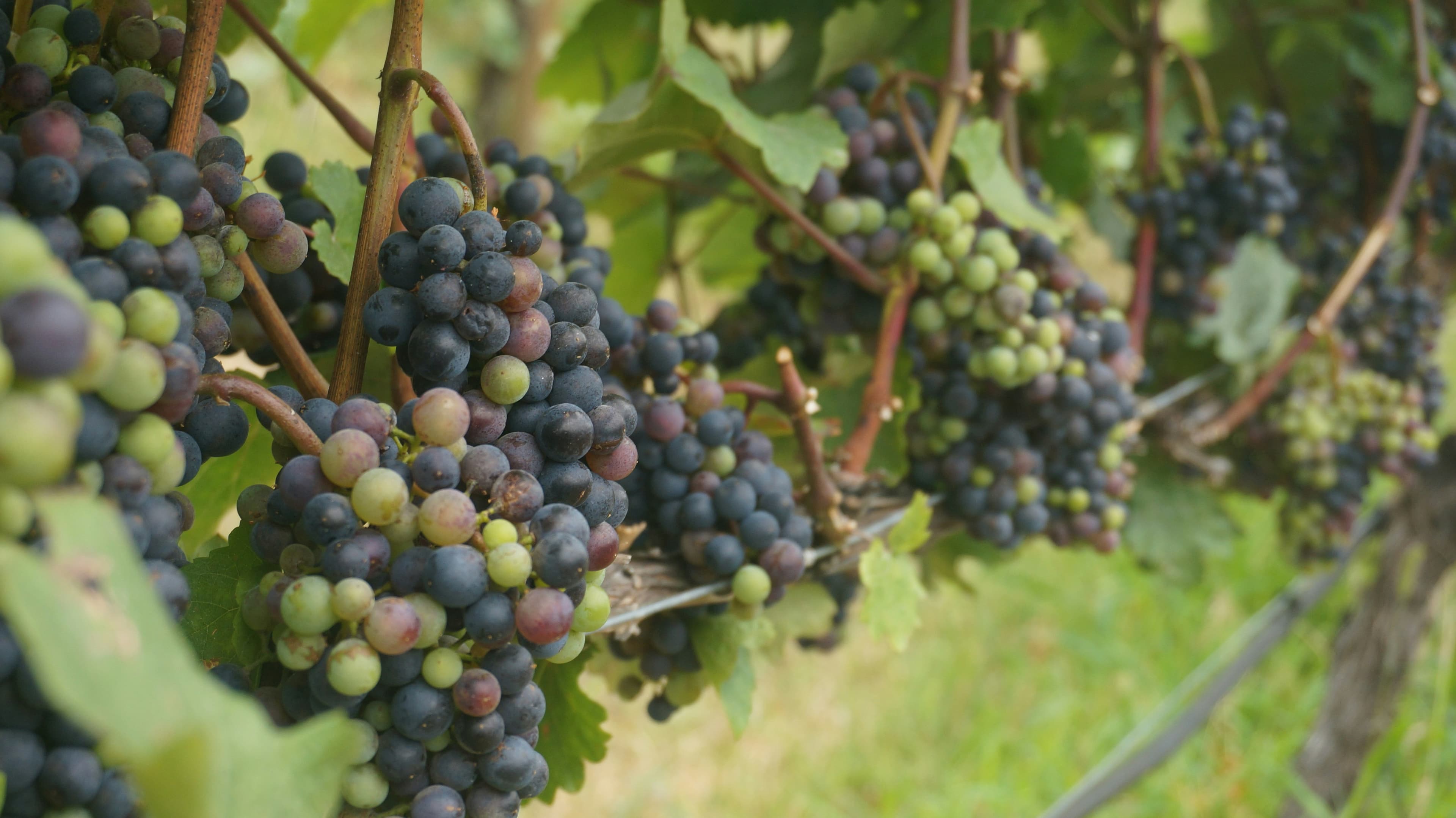
Green, red, or any other color of grapes
Peeled or seedless grapes
Raisins (dried grapes)
Grape juice
Grape jelly or jam
Baked goods containing grapes or raisins (such as muffins, cookies, protein bars)
Grapes become even more dangerous when used in alcoholic beverages like wine or champagne, since alcohol is toxic to dogs as well. Similarly, candies or sweet treats with grape flavoring can be doubly harmful if they also contain other dangerous ingredients, such as artificial sweeteners.
It’s worth noting that grape seeds themselves are not believed to be toxic. Some supplements use grape seed extract safely. However, since the flesh and skin of grapes are the toxic components—and the exact toxic substance is still unknown—it’s best to avoid giving dogs any grape-derived products unless specifically prescribed by a veterinarian. When in doubt, always err on the side of caution.
Can One Grape Kill a Dog?
Yes. There have been documented cases of dogs developing kidney failure after eating just a single grape or raisin. The toxic dose is unpredictable and varies between individual dogs. The risk is not linked to breed, age, or size—a large dog can be just as vulnerable as a small one. Because no safe amount exists, even one grape should be considered dangerous.
Signs of Grape Poisoning in Dogs
If you suspect your dog has eaten grapes or raisins, treat it as an emergency and seek veterinary care immediately. Symptoms can appear quickly and may progress from mild to life-threatening.
Early Symptoms (within a few hours of ingestion):
Vomiting
Diarrhea
Loss of appetite
Lethargy or unusual stillness
Abdominal pain or discomfort
Severe Symptoms (12–48 hours later):
Dehydration (dry nose, pale gums, skin that doesn’t spring back when gently pulled—best checked at the back of the neck)
Changes in urination (increased or decreased output)
Uremic breath (foul, ammonia-like odor, sometimes fishy or urine-like)
Weakness, collapse, or seizures
Acute kidney failure
In severe cases, death
Important: Because the toxic mechanism is still not fully understood, and some dogs show severe reactions to very small amounts, veterinarians strongly recommend immediate treatment—even if your dog seems fine right after eating grapes.
What to Do if Your Dog Eats a Grape
If your dog eats a grape or raisin, it’s a medical emergency. Immediate action can make the difference between recovery and life-threatening complications.
1. Call your veterinarian or the pet poison hotline right away.
ASPCA Animal Poison Control Center: (888) 426-4435
Don’t wait to see if symptoms appear—early treatment is critical.
2. Do not induce vomiting unless directed by a professional.
Inducing vomiting at home can be dangerous, especially if your dog is already weak or distressed.
Veterinarians have safe medications to do this quickly and effectively.
3. Gather key information for your vet:
Your dog’s weight
How many grapes (or grape products) were eaten
When ingestion occurred
Any symptoms you’ve observed so far
Bringing packaging or ingredient labels can also be very helpful.
4. Follow your vet’s instructions carefully. They may recommend:
Inducing vomiting (if safe and within a short time of ingestion)
Administering activated charcoal to limit toxin absorption
Starting IV fluids to protect the kidneys
Hospitalization for monitoring and supportive care
Blood work to check kidney function
Medications to support kidney health and prevent further damage
Note: Some steps can be done at home under veterinary supervision, but many require treatment in a clinic or hospital. As frightening as the situation may feel, acting quickly and calmly—and following your vet’s directions—gives your dog the best chance of recovery.
Tip: If possible, bring a family member or friend with you to the vet. They can provide emotional support and help you remember instructions during a stressful time.

How to Prevent Grape Poisoning in Dogs
Prevention is the best way to keep your dog safe from grape toxicity. Even the most careful owners can make mistakes, so building good habits and securing your home is essential. Here are some effective strategies:
1. Store grapes and raisins securely.
Always keep grapes, raisins, and grape-containing foods in sealed containers and well out of reach. Even one forgotten bag or an open bowl on the counter can be enough for an inquisitive dog to get into trouble.
2. Teach children and guests not to share grapes.
It may seem cute when kids or visitors want to share snacks with your dog, but it can be very dangerous. Explain that grapes are toxic and provide them with safe alternatives. Creating a designated treat box of dog-approved snacks makes it easy for others to give your dog something safe.
3. Double-check packaged foods.
Raisins often show up in granola bars, cereals, trail mixes, baked goods, and even protein snacks. Spills happen—especially with crumbly foods like granola bars. Knowing what’s in your snacks helps you act quickly if your dog gets hold of crumbs or dropped food.
4. Secure trash bins and compost piles.
Dogs are natural scavengers. Use heavy lids or dog-proof bins to prevent access. For particularly determined dogs, you may need extra-secure systems or to store trash in a closed cupboard or behind a barrier.
5. Train your dog to avoid scavenging.
Training can be a powerful safety tool. Commands like “leave it” and “drop it” teach your dog to let go of something dangerous before swallowing it. At home, redirect their attention with a toy, chew, or game. For dogs who scavenge out of boredom, scent games or puzzle feeders can be excellent alternatives that engage their minds and keep them busy.
Extra Tip: If grapes are a staple in your home, consider making a family rule that grapes are eaten only at the table, not while walking around. This reduces the risk of dropped fruit that your dog could snatch up before you notice.
Conclusion: Grapes Are Not Safe for Dogs — Ever
So, can dogs eat grapes? The answer is simple: absolutely not. Grapes and raisins are toxic to dogs in any form and in any amount. Never offer them intentionally, and if your dog manages to sneak one by accident, treat it as a veterinary emergency.
The sooner your dog receives professional care, the greater their chances of avoiding serious complications like kidney failure. Quick action can save their life.
If you want to share a snack with your pup, choose safe alternatives instead—such as blueberries, apple slices (without seeds), or watermelon (seedless). That way, your dog can enjoy a treat, and you can enjoy peace of mind.
Frequently Asked Questions
Is it harmful to feed your dog green seedless grapes?
Yes. There is no safe form of grapes for dogs—green, red, seedless, or with seeds. All grapes are toxic and can cause serious health issues, including kidney failure.
Do grapes taste good to dogs? Are they good for them?
While grapes may taste sweet to dogs, they are never safe or healthy for them. Even a small amount can be dangerous, so grapes should always be avoided.
How many grapes can a dog eat? Will one grape hurt a dog?
Grapes are toxic for dogs and may cause kidney failure. One grape may not hurt a dog's health. However, it is advised to avoid giving even one grape or raisin.
What should I do if my dog ate one grape?
Even if your dog eats one grape, contact the veterinarian and get your pup checked before their health is affected because grapes in any amount are toxic for dogs.
Will one grape hurt a 50-pound dog?
One grape may not hurt, but avoid risking your dog's health, and do not let them eat even one grape.
What fruit can't dogs eat? Can dogs have grapes?
Fruits that are toxic to dogs and should not be eaten include avocados, cherries, grapes, and tomatoes.
Can a dog eat green grapes?
Grapes of any form or color (green, red, dried, seeded, seedless, etc.) are dangerous for dogs, and they should avoid eating them.
Reference List