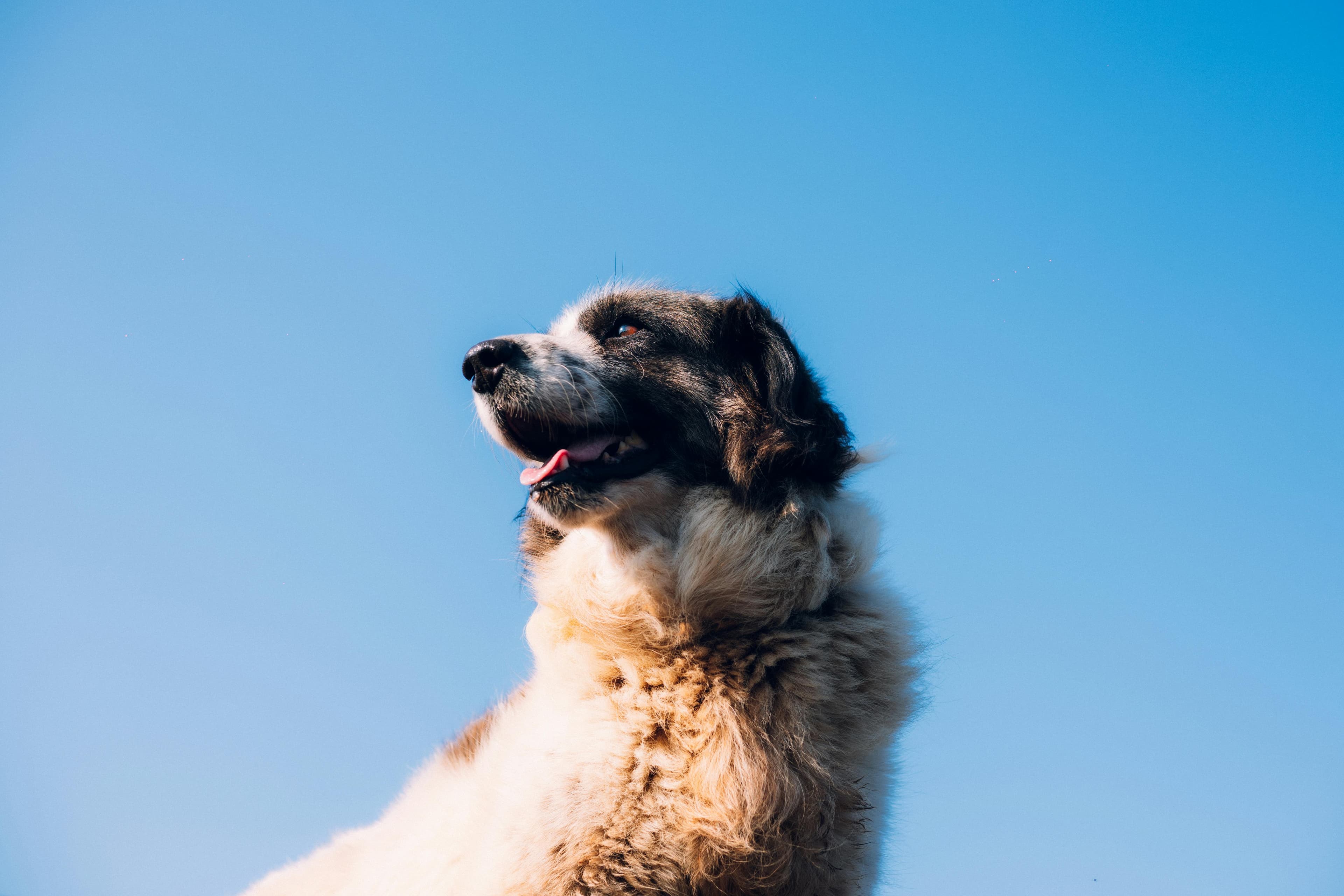

Large dog breeds are typically dogs that weigh over 50 pounds (23 kilograms) and are taller and more powerful than smaller or medium-sized breeds. This guide is for anyone considering bringing a large dog into their life or simply wanting to understand them better. It covers what to expect, including their care needs, daily requirements, and temperament. You’ll also learn how to choose a breed that fits your home, lifestyle, and long-term commitment.
What Are Large Dog Breeds?
Most large dogs weigh between 50–100 pounds (23–45 kg) and stand about 22–27 inches (56–69 cm) tall at the shoulder. Breeds that exceed this size range are often classified as giant breeds. These larger dogs typically require more space, food, and care than medium-sized dogs, along with consistent training and exercise to keep them healthy and well-balanced.
Types of Large Dog Breeds
Large dog breeds can be broadly grouped based on their temperament and original purpose. Some were bred for working roles, such as guarding property, herding livestock, or pulling loads, while others were developed mainly for companionship. Understanding these general categories makes it easier to see how different large dogs are likely to behave and what they are naturally suited for. This can help you narrow down the breed that best fits your lifestyle and daily routine.
Working and Guardian Breeds
Working and guardian dogs were developed to protect property, livestock, and families. They are known for their strong protective instincts, loyalty, and alertness. These breeds are typically confident and dependable, and they often form strong bonds with their owners. At the same time, they are usually naturally cautious around strangers.

Rottweiler
Rottweilers are powerful, muscular dogs with a broad head and a short black coat with distinct tan markings. They typically weigh between 77–132 pounds (35–60 kg), making them a strong and solid large breed. They are loyal, confident, and naturally protective, often forming deep bonds with their family. Their energy levels range from moderate to high, so they need regular exercise and mental stimulation. Because of their intelligence and strength, they are commonly used in guarding, protection work, and other demanding working roles.

Doberman Pinscher
Doberman Pinschers are sleek, athletic dogs with a lean, muscular build and a short, smooth coat. They typically weigh around 66–99 pounds (30–45 kg), making them a medium-to-large, powerful breed. Their temperament is often described as alert, loyal, and highly intelligent, which makes them highly trainable. They have high energy levels and require plenty of daily exercise as well as mental stimulation to stay balanced. Dobermans are commonly used in guarding, protection work, and police or military roles due to their focus and reliability.

German Shepherd
German Shepherds are strong, well-built dogs with a dense coat and an alert expression. They typically weigh around 50–88 pounds (22–40 kg), making them a versatile large breed. According to VCA Hospitals, they are among the most loyal, intelligent, and protective dog breeds. They have high energy levels, so they require regular exercise, structured training, and mental stimulation to stay healthy and well-balanced. German Shepherds are widely used for guarding, police work, and search-and-rescue roles thanks to their intelligence, strength, and strong work ethic.

Bullmastiff
Bullmastiffs are large, solidly built dogs with a broad head and a short, dense coat. They are known for their calm, loyal, and naturally protective temperament, which makes them dependable family guardians. They typically weigh around 100–132 pounds (45–60 kg), giving them a powerful and imposing presence. Their energy levels are moderate, so they do well with steady, regular exercise rather than intense activity. They were originally bred to guard estates and protect property, and they still carry strong instincts for watching over their home and family.
Companion and Family Breeds
Some large dogs are known for their friendly and social nature and make excellent companions and family pets. They tend to adapt well to home life, with temperaments that are often affectionate, gentle, and people-oriented. Compared to working breeds, they are generally more relaxed and less driven by protective or high-intensity instincts. These large breeds do best in homes that can provide plenty of time, attention, and consistent care to keep them happy and well-balanced.

Golden Retriever
Golden Retrievers are well-built dogs with a dense, water-resistant coat and a gentle, friendly expression. They typically weigh around 55–75 pounds (25–34 kg), making them a medium-to-large breed known for balance and versatility. Their temperament is patient, eager to please, and easygoing, which makes them especially well-suited for families. As per PetMD, Goldens are one of the friendliest large dog breeds. They have moderate to high energy levels, so they enjoy daily exercise and outdoor activities. They are also highly trainable but require regular grooming to manage their thick, shedding coat.

Labrador Retriever
According to the American Kennel Club, the Labrador Retriever has ranked as the most popular dog breed in the United States for over 30 consecutive years. Labrador Retrievers are sturdy, well-built dogs with a short, dense coat that helps protect them in various weather conditions. They typically weigh around 55–80 pounds (25–36 kg), making them a strong and athletic large breed. Their temperament is outgoing, friendly, and eager to please, which contributes to their popularity as family dogs. They have high energy levels, so they need plenty of daily exercise and mental stimulation to stay healthy and content. Labs are generally easy to train, but they thrive best with consistent activity and structure to keep them well-behaved.

Bernese Mountain Dog
Bernese Mountain Dogs have a large, sturdy build and a thick, tri-colored coat that helps protect them in cold weather. They are known for their gentle, calm, and affectionate nature, making them excellent family companions. They typically weigh around 70–110 pounds (32–50 kg), giving them a strong but soft presence. Their energy levels are moderate, so they prefer steady, daily activity rather than intense exercise. They also require regular grooming due to their thick coat and are best suited to cooler climates where they can stay comfortable.

Newfoundland
Newfoundland dogs are one of the large dog breeds known for their thick, water-resistant coat and powerful build. They typically weigh around 100–154 pounds (45–70 kg), making them one of the heavier large dog breeds. They are calm, gentle, and patient in temperament, often showing a natural affinity for people and water. Their energy levels are moderate, and they are especially known for their strength and strong swimming ability, which historically made them valuable for water rescue work.
Active and High-Energy Breeds
This next category of large dogs requires plenty of daily exercise as well as consistent mental stimulation to stay happy and balanced. They thrive in active homes where they can take part in regular walks, play sessions, training, and other physical activities that help burn energy and prevent boredom. Without enough engagement, they may develop unwanted behaviors due to frustration or lack of stimulation. These dogs do best with owners who can provide structure, routine, and opportunities for both physical and mental enrichment throughout the day.

Border Collie
Border Collies are widely regarded as one of the most intelligent dog breeds in the world. They typically weigh around 30–45 pounds (14–20 kg), making them a medium-sized but highly athletic breed. Their energy levels are extremely high, and they require frequent mental and physical stimulation to stay balanced and happy. They are highly trainable and excel in obedience and advanced tasks, but they need consistent, structured training from an early age. Border Collies are best suited to active, experienced owners who can provide them with plenty of engagement, purpose, and daily activity.

Siberian Husky
Siberian Huskies are medium-to-large dogs that typically weigh around 35–60 pounds (16–27 kg), giving them a balanced but athletic build. Their temperament is friendly, independent, and highly energetic, which reflects their working origins. They were originally bred for sled pulling and long-distance endurance work in harsh Arctic conditions, so they naturally have strong stamina and a love for running. They require plenty of daily exercise, often 1–2 hours or more, along with secure spaces due to their strong roaming instincts. Their thick double coat needs regular grooming, especially during seasonal shedding, to keep it healthy and manageable.

Belgian Malinois
Belgian Malinois are highly athletic dogs that typically weigh around 55–75 pounds (25–34 kg), with a lean and powerful build. They are extremely intelligent, alert, and driven, which makes them one of the most widely used breeds in police, military, and protection work. They require consistent training, clear structure, and early socialization to properly channel their high energy and strong working instincts. Without sufficient mental and physical stimulation, they can become restless or difficult to manage. According to the AKC, the Belgian Malinois ranks among the top 50 most popular dog breeds in the United States.

German Shorthaired Pointer
German Shorthaired Pointers are lean, athletic dogs that typically weigh around 45–70 pounds (20–32 kg), with a build designed for speed and endurance. They are energetic, friendly, and highly eager to work, reflecting their background as versatile hunting dogs. As companions, they are affectionate and people-oriented, but they require a high level of daily activity to stay content. They need regular exercise, mental stimulation, and opportunities for fieldwork or structured tasks, such as retrieving or scent work, to remain balanced and well-behaved.
Calm and Low-Energy Breeds
Next, we have calm and low-energy large dog breeds, which are generally more relaxed despite their size. These dogs tend to have a laid-back, easygoing temperament and are comfortable with a slower pace of life compared to more active working breeds. While they still need daily walks and basic exercise to stay healthy, they are usually less demanding in terms of physical activity and are more content spending time resting with their family. Their calm nature often makes them well-suited for quieter homes or owners who prefer a more relaxed lifestyle, as long as they still receive consistent care, attention, and companionship.

Great Dane
Great Danes definitely belong to big dog breeds, typically weighing around 110–180 pounds (50–82 kg), with an impressively tall and powerful build. Despite their size, their temperament is calm, gentle, and affectionate, especially with their family. They are often called the “gentle giants” of the dog world because of their friendly and easygoing nature. Their energy levels are relatively low compared to many other large breeds, and they tend to be relaxed and content with moderate daily activity.

Saint Bernard
Saint Bernards are one of the biggest dog breeds, typically weighing around 120–180 pounds (54–82 kg), with a massive and powerful build. Their temperament is calm, gentle, and patient, which makes them especially well-suited for family life. They are known for being affectionate and dependable, particularly around children, where they often show a tolerant and protective nature. Their energy levels are low to moderate, so they are generally content with steady daily walks and a relaxed routine.

Greyhound
Greyhounds are lean, long-legged dogs that typically weigh around 60–88 pounds (27–40 kg) and were originally bred for racing. Despite their incredible speed, their temperament is calm, gentle, and relaxed, especially in a home environment. They are often described as “couch potatoes” because they enjoy lounging and have relatively low energy indoors. Many retired racing Greyhounds make wonderful companions, as they are usually well-mannered and adapt quickly to home life. Adopting one can give these often-overlooked dogs a comfortable and loving home in their later years.

Mastiff
The Mastiff is often considered one of the biggest dog breeds, known for their massive size and heavy-boned build. They typically weigh around 120–220 pounds (54–100 kg), making them one of the heaviest breeds in the world. Their temperament is steady, calm, and quietly confident, and they tend to form strong bonds with their family. Rather than being highly active, they prefer a slower pace of life and are usually content with moderate daily activity. Despite their imposing size, they are widely regarded as gentle and relaxed companions when properly trained and socialized.
Why Choose a Large Dog Breed
Large dog breeds offer strong companionship, a natural sense of protection, and a comforting presence in the home. Their size alone can act as a deterrent, while their loyalty and close bond with their owners make them deeply rewarding pets. They often form strong emotional connections and are known for being dependable and devoted when properly trained and socialized. With the right care, they can bring both security and affection into everyday life.
Are Large Dog Breeds Good for First-Time Owners?
The answer to this question depends on the individual’s lifestyle, experience, and level of commitment. Large dogs require consistent training, proper socialization, and careful management due to their size and strength. They also have daily needs, including regular exercise, mental stimulation, and a balanced diet, which must be met to keep them healthy and well-behaved. When these factors are considered, it becomes easier to determine whether a large dog is the right fit for a home.

How to Choose the Right Large Dog Breed
Choosing the right large dog breed comes down to matching the dog’s needs with your lifestyle, available space, and level of experience. Since different breeds vary in energy levels, temperament, and care requirements, it’s important to consider what you can realistically provide on a daily basis. This section will guide you through the key factors to think about so you can make a practical, well-informed decision before bringing a large dog into your home.
What to Consider Before Choosing a Large Dog Breed
Space and Living Environment
Larger dogs need more space to move comfortably, both indoors and outdoors. Without enough room, they may feel restricted, and daily life can become more challenging for both the dog and the owner. It’s important to consider your living environment, including your home size and access to outdoor areas, before choosing a large breed. Selecting a dog that matches your space helps ensure they can stay comfortable, active, and well-adjusted.
Exercise and Energy Needs
Your daily routine should be able to match your large dog’s activity level. Some breeds require frequent exercise, mental stimulation, and regular engagement throughout the day, while others are content with more moderate, less demanding activity. It’s important to be honest about how much time you can consistently dedicate to walks, play, and training. Choosing a breed that fits your lifestyle helps ensure your dog stays healthy, balanced, and well-behaved.
Grooming and Maintenance
Coat type plays an important role in overall upkeep and daily care. Some large fluffy dog breeds shed heavily and require frequent brushing to prevent matting and reduce loose hair around the home, while others have shorter coats that need only basic grooming. Regular grooming is still essential for all breeds, as it helps maintain healthy skin and coat condition, manage shedding, and keep the dog comfortable. Choosing a breed with a coat type that fits your lifestyle can make long-term care much easier.
Costs (Food, Vet, Supplies)
Large dogs are generally more expensive to maintain compared to smaller breeds. They require more food due to their size, and this can significantly increase monthly feeding costs. Veterinary care can also be higher, as medications, preventatives, and treatments are often based on body weight. In addition, larger beds, collars, crates, and other supplies are typically more costly. Considering these ongoing expenses is an important part of preparing for life with a large dog.
Health and Lifespan
Large breed dogs are generally more prone to certain health issues due to their size and genetics. Common concerns include joint problems such as hip and elbow dysplasia, as well as serious conditions like bloat (gastric torsion), which can be life-threatening if not treated quickly. Some large breeds are also at higher risk of heart conditions and other age-related health issues. In addition, they tend to have shorter average lifespans compared to smaller dog breeds, making long-term health care and regular veterinary check-ups especially important.
Training and Socialization
Early training and socialization are essential for large dogs to help them grow into well-behaved and confident companions. Because of their size and strength, even small behavior issues can become difficult to manage if not addressed early. Teaching basic obedience, leash manners, and calm behavior in different environments helps ensure they are safe and easy to handle in everyday situations. Consistent training also strengthens the bond between the dog and their owner while encouraging good long-term habits.
Common Mistakes to Avoid When Choosing a Large Dog
Many people choose a dog based on appearance alone, without fully considering the responsibilities that come with it. This can lead to overlooking a large dog’s energy levels, exercise needs, and the time required for proper training and socialization. The ongoing costs of food, healthcare, and supplies are also sometimes underestimated. In addition, space limitations and daily care requirements are easy to ignore at first, but they can quickly become challenging if they are not planned for in advance.
Best Large Dog Breeds by Lifestyle
Best for Families
Golden Retriever
Labrador Retriever
Bernese Mountain Dog
Newfoundland dog
Best for Protection
Rottweiler
Doberman Pinscher
Bullmastiff
Mastiff
Best for Active Owners
German Shepherd
Border Collie
Siberian Husky
Belgian Malinois
German Shorthaired Pointer
Best for Low-Energy Homes
Great Dane
Saint Bernard dog
Greyhound
Largest Dog Breeds
Mastiff – It is one of the heaviest dog breeds; they weigh around 120–220 pounds (54–100 kg) and stand about 27–30 inches (69–76 cm) tall.
Great Dane – It is the tallest dog breed, reaching up to 30–34 inches (76–86 cm) and weighing around 110–180 pounds (50–82 kg).
Saint Bernard – It is known as one of the largest dog breeds, weighing about 120–180 pounds (54–82 kg) and standing 26–30 inches (66–76 cm) tall.
Large Dog Breeds Comparison Table
Breed | Weight | Energy Level | Grooming Needs | Best For |
Rottweiler | 110–132 lbs (50–60 kg) | Medium-to-high | Moderate (heavier during shedding season) | Experienced, active dog owners |
Doberman Pinscher | 60–100 lbs (27–45 kg) | Very high | Low (short coat, minimal grooming) | Active, confident owners |
German Shepherd | 50–88 lbs (22–40 kg) | High | Moderate to high (heavier during shedding seasons) | Active owners who can provide training, structure, and daily exercise |
Bullmastiff | 100–132 lbs (45–60 kg) | Low to moderate | Low (short coat, occasional brushing) | Calm households with steady exercise and training |
Golden Retriever | 55–75 lbs (25–34 kg) | Moderate to high | Moderate to high (regular brushing due to thick coat) | Families and active owners |
Labrador Retriever | 55–80 lbs (25–36 kg) | Moderate to high | Moderate to high (heavier during shedding season) | Families and active owners who can provide daily exercise and engagement |
Bernese Mountain Dog | 70–115 lbs (32–52 kg) | Moderate | High (thick double coat, heavy shedding) | Families or owners with space and grooming commitment |
Newfoundland Dog | 100–150 lbs (45–70 kg) | Moderate | High (thick, water-resistant coat, heavy shedding) | Dedicated owners who can manage size and grooming needs |
Border Collie | 30–45 lbs (14–20 kg) | Very high | Moderate (regular brushing, seasonal shedding) | Active, experienced owners |
Siberian Husky | 35–60 lbs (16–27 kg) | High | Moderate to high (thick double coat, heavy shedding) | Active owners with secure space |
Belgian Malinois | 40–66 lbs (18–30 kg) | Very high | Low to moderate (short coat, minimal grooming) | Experienced, active owners with training focus |
German Shorthaired Pointer | 45–70 lbs (20–32 kg) | High | Low to moderate (short coat, easy maintenance) | Active owners with outdoor lifestyle |
Great Dane | 100–175 lbs (45–80 kg) | Moderate | Low (short coat, minimal grooming) | Owners with space who can manage a giant breed — tallest dog breed |
St. Bernard | 120–180 lbs (54–82 kg) | Low to moderate | High (thick coat, heavy shedding) | Owners with space and grooming commitment |
Greyhound | 60–70 lbs (27–32 kg) | Moderate (short bursts of speed, otherwise calm) | Low (short coat, minimal grooming) | Owners seeking a calm, low-maintenance companion |
Mastiff | 120–220 lbs (54–100 kg) | Low to moderate | Low (short coat, may drool) | Experienced owners with space for a giant breed — biggest dog breed in the world |
Conclusion: Is a Large Dog Right for You?
The largest dog breeds need space, time, and consistent care, along with proper training and daily exercise. They thrive with owners who understand their physical, emotional, and behavioral needs and can meet them reliably. While they require commitment, they often reward it with deep loyalty, strong companionship, and a calm, steady presence in the home. If you can provide the right environment and attention, a large dog can become a truly devoted and rewarding companion.
Frequently Asked Questions
What are the best big dog breeds?
Some of the best big dogs include Labrador Retrievers, Golden Retrievers, German Shepherds, and Bernese Mountain Dogs, depending on your lifestyle, experience, and activity level. These breeds are popular for their balance of temperament, trainability, and companionship, but each has different exercise and care needs that should be considered before choosing one.
What is considered a large dog breed?
A large dog breed typically weighs over 55–65 lbs (25–30 kg) and stands taller and stronger than medium-sized dogs, with some of the biggest breeds reaching significantly larger sizes. In general, large dogs require more space, food, and exercise, and their care needs are often more demanding than smaller breeds.
Which large dog breed is good for beginners?
Large beginner-friendly breeds include Great Danes, Labrador Retrievers, Golden Retrievers, and Bernese Mountain Dogs, as they are generally friendly, trainable, and easier to manage with consistent care. However, even beginner-friendly tall dog breeds still need proper training, socialization, and daily exercise to grow into well-behaved and balanced companions.