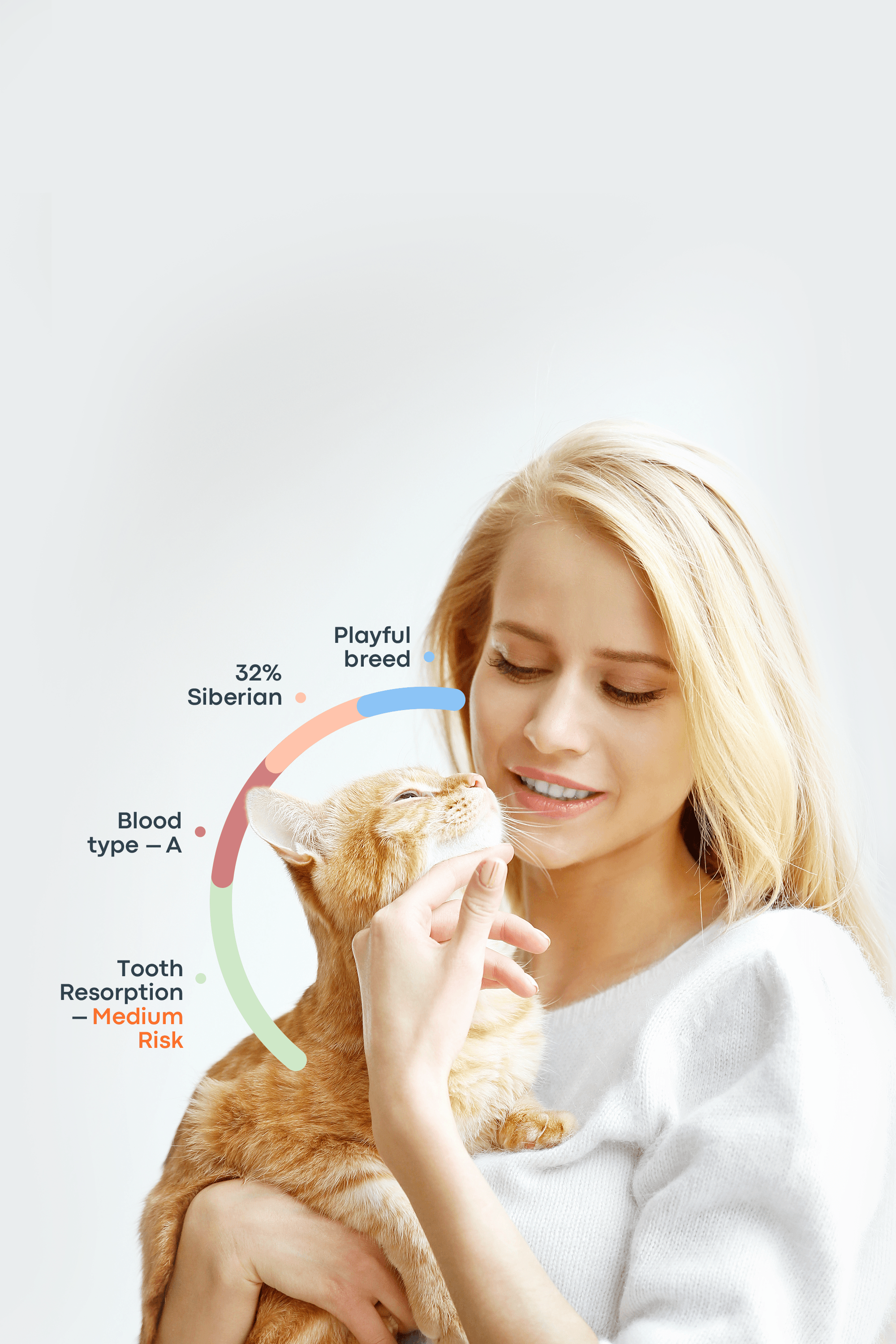
Don't know your cat's breed?
Get our DNA kit!

Have you ever caught your cat sniffing your ears or trying to steal your used earbuds? As strange as it may seem, many cats are fascinated by earwax—and there’s actually a reason behind it. Understanding why your cat behaves this way can help you respond safely. It’s best not to let them lick or play with earwax, as it may carry bacteria. Instead, redirect their curiosity with safe, engaging toys or cat treats that satisfy their need to explore scents and tastes.
Cat urine has a very strong, lingering odor that most people find unpleasant. The smell comes from compounds like ammonia and uric acid, which become more concentrated as the urine dries. Getting rid of it requires more than just a quick wipe—using the right cleaning methods and products is essential to fully neutralize the odor.
Is your female cat yowling, pacing restlessly, or demanding extra attention? These are typical signs that she’s in heat. A cat’s heat cycle, also known as estrus, can be confusing and even stressful for pet owners, especially if it’s their first time experiencing it with their cat. Understanding how the feline reproductive cycle works—and knowing what to expect—can make the process much easier. This guide covers the key signs, what’s happening in your cat’s body, and practical ways to keep her comfortable while maintaining peace at home.