Catnip is a leafy green herb, most often served in dried form, that can send cats around the world into a burst of playful energy—zoomies included—after just a single sniff. To human eyes, it can look like cats are getting “high” on catnip.
But not all cats react the same way. Some cats become energetic and playful, while others appear relaxed or even sleepy. So does catnip always cause excitement, or does catnip calm cats instead? Understanding these different reactions can help pet parents decide when and how to use catnip.
What Is Catnip?
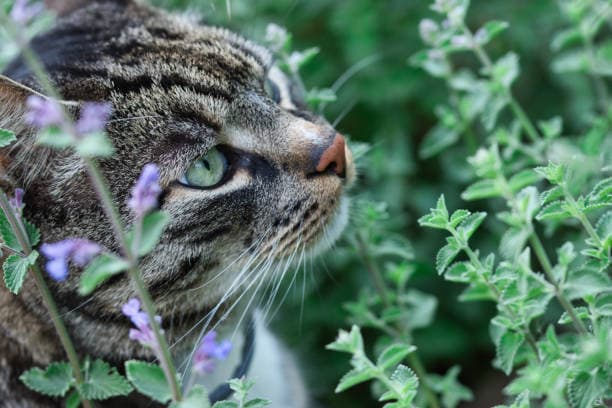
Catnip (Nepeta cataria) is a small green herb that belongs to the mint family. It contains a natural compound called nepetalactone, which is responsible for catnip’s noticeable effects on cats.
When a cat smells catnip, nepetalactone binds to scent receptors in their nasal passages. This interaction stimulates sensory neurons in the brain, leading to the well-known behaviors associated with catnip, such as rolling, rubbing, vocalizing, or bursts of playful energy.
However, not all cats respond the same way. In some cats, nepetalactone produces a calming effect rather than excitement, leading to relaxed behavior or even drowsiness. These differences are largely influenced by genetics and individual sensitivity.
Catnip is widely available and comes in several forms, including dried leaves, sprays, fresh plants, and cat toys that are infused with catnip, making it easy to offer in a way that suits your cat’s preferences.

Does Catnip Calm Cats?
Catnip can have a calming, relaxing effect on some cats—especially when it is eaten rather than smelled. When ingested, the active compound nepetalactone is processed differently in the body, which tends to produce milder, more sedative-like effects compared to the excitement often seen after sniffing catnip.
The calming catnip effects on cats are short-lived and usually last about 5 to 10 minutes, with around 10 minutes being typical. Once the effects wear off, cats enter a temporary period of reduced sensitivity to catnip known as the refractory period, during which they may not respond to catnip again for several hours.
Because of its potential calming effects, catnip may be helpful for managing mild stress in some cats. For example, it can be offered before a vet visit or car ride to help ease anxiety. However, responses vary, and catnip should not be relied on as a treatment for severe fear or ongoing behavioral issues.
Why Reactions Differ
The catnip effects can differ from cat to cat, and some cats do not react to it at all. Research suggests that about 20–30% of cats are not sensitive to catnip, as the response is inherited and determined by genetics.
Age also plays a role. Kittens under about 8 weeks old typically do not respond because their neurological systems are not yet developed enough to process catnip’s active compounds. Senior cats may also show weaker reactions—or none at all—often due to age-related declines in their sense of smell or overall sensory responsiveness.
Individual personality, sensitivity, and how catnip is offered can further influence a cat’s reaction, which is why responses can vary even among cats of the same age or breed.

Is Catnip Bad for Cats?
Catnip is non-addictive, natural, and non-toxic, making it safe for cats to smell, play with, and occasionally eat. Most cats naturally self-regulate their exposure, meaning they typically lose interest once they have had enough.
That said, large amounts of eaten catnip may cause mild digestive upset, such as vomiting or diarrhea, in some cats. For this reason, moderation is still important, even though serious side effects are rare.
In some cases, catnip can temporarily change a cat’s behavior, making them appear overstimulated, cranky, or mildly aggressive until the effects wear off. If your cat reacts this way, it’s best to stop offering catnip and give them space until they return to their normal behavior. Avoid reintroducing catnip if it consistently causes negative reactions.
Side Effects of Catnip on Cats
While generally safe, catnip may cause the following temporary effects in some cats:
Side Effect | Description |
Digestive upset | Vomiting or diarrhea, especially if catnip is eaten in large amounts |
Overstimulation | Hyperactivity, rolling, excessive vocalization |
Mild aggression | Occasional swatting, grumpiness, or cranky behavior |
Temporary desensitization | Reduced response if catnip is used too frequently |
By observing your cat and offering catnip in moderation, you can maximize the fun while minimizing any unwanted side effects.
Is Too Much Catnip Bad for Cats?
While cats cannot fatally overdose on catnip, it is possible for them to have too much. Catnip is not toxic or poisonous, but overindulgence—particularly when eaten—can cause temporary discomfort.
Possible symptoms of too much catnip include:
Lethargy
Nausea or vomiting
Temporary desensitization to catnip
Diarrhea
Most cats naturally self-regulate and stop when they’ve had enough. However, it’s still a good idea to supervise catnip play sessions and offer it in moderation. If a cat consistently shows signs of discomfort, reduce the amount or frequency, or avoid catnip altogether.
Can Cats Have Catnip Everyday?
Cats can have catnip occasionally, but daily exposure is not ideal. When cats eat or play with catnip too often, they can become desensitized, causing their reactions to grow weaker or disappear over time.
To preserve catnip’s effectiveness and keep it feeling special, offering it about once or twice per week is generally recommended.
To keep cats mentally stimulated and prevent boredom, you can rotate catnip with other cat-safe plant-based stimulants, such as silver vine, valerian root, and Tatarian honeysuckle. Not all cats respond to the same plants, so experimenting with safe alternatives can help you discover what your cat enjoys most.
How to Use Catnip
Catnip is widely available in pet stores in several forms, including dried leaves, sprays, fresh plants, and catnip-infused toys. Each form can be used in different ways to entertain or relax your cat:
Form of Catnip | How to Use / Effect |
Dried catnip | Sprinkle on beds, scratching posts, or toys for play |
Catnip spray | Spritz on carriers, new beds, or posts to attract cats |
Fresh catnip | Grow in a pot and offer leaves as a safe, occasional treat |
Catnip toys | Soft toys or balls infused with catnip provide interactive play |
The method of use can influence how catnip affects your cat. Ingesting dried or fresh catnip is more likely to produce a calming effect because the compound is metabolized in the body, often acting as a mild sedative. Inhaled catnip, whether from dried leaves or sprays, typically triggers euphoric behaviors such as rolling, rubbing, drooling, or sudden bursts of energy (“zoomies”).
By understanding the different effects of each form, you can use catnip to either stimulate play or promote relaxation depending on your cat’s needs.
When to Give Cats Catnip
Timing can influence how your cat responds to catnip. If your cat tends to get hyperactive or playful, it’s best to avoid giving catnip right before meal times or during other scheduled activities, as sudden bursts of energy may interrupt routines.
To encourage a calmer, more relaxed response, try offering catnip during quiet periods of the day. For example, early mornings or late evenings—when the household is calm—can be ideal for promoting relaxation. Observing your cat’s natural rhythm and choosing appropriate times can help maximize the benefits of catnip, whether for play or stress relief.
Conclusion
Whether your cat responds to catnip with playful bursts of energy or calm contentment, this easy-to-find herb can enrich the lives of indoor cats. If your cat hasn’t experienced catnip before, start with small amounts and observe their reaction. You can gradually offer more over time, keeping in mind that moderation helps maintain its novelty and effectiveness.
Above all, catnip is safe, natural, and non-toxic, making it a fun and healthy way to stimulate play, reduce stress, and add a little extra joy to your cat’s day.
Frequently Asked Questions
Are catnip toys safe for cats?
Yes. Catnip toys are safe for cats to play with and enjoy, providing entertainment and mental stimulation.
Does catnip calm cats down after the vet?
Catnip can help some cats relax after stressful experiences, such as a visit to the vet, especially if offered in an edible form.
Does catnip make cats sleepy?
Catnip doesn’t usually make cats fully sleepy, but it can promote relaxation. When eaten in larger amounts, it may cause temporary lethargy.
How to use catnip to calm cats?
To encourage a calming effect, offer catnip in edible forms such as dried leaves or fresh herbs, rather than sprays or toys, which tend to stimulate playful behaviors.
Will catnip calm a cat who is aggressive?
Catnip may help reduce mild aggression in some cats, but in others, it can trigger short-term excitability. Monitor your cat’s response carefully.
Is catnip good for cats?
While catnip doesn’t provide direct nutritional or health benefits, it is a safe source of mental enrichment and stimulation, which supports a cat’s overall well-being and happiness.
Does catnip make a cat high?
Catnip can make cats appear “high” because it stimulates certain sensory pathways in the brain, causing behaviors like rolling, rubbing, or sudden bursts of energy.
Can you anesthetize a cat using catnip?
No. Catnip is not strong enough for sedation or anesthesia. Its effects are short-lived and mild, so it should never be used as a substitute for medical anesthesia.