Don't know your cat's breed?
Get our DNA kit!
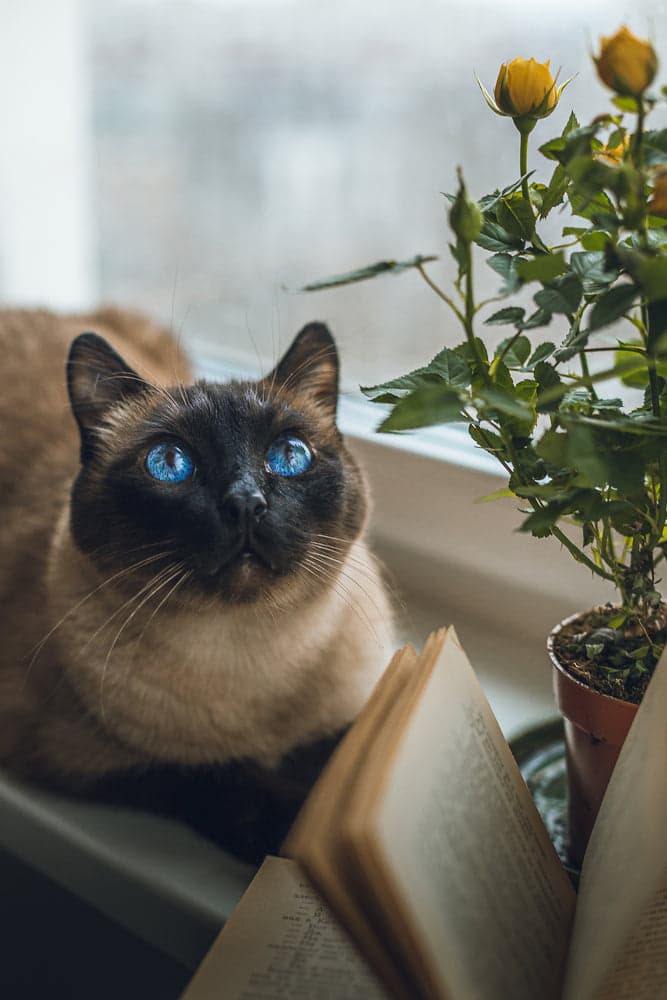
Siamese cats are a popular choice of a pet because they are known for being cuddly, fun, and very affectionate. You may have heard of them being labeled “hypoallergenic”, which means that they tend to cause less of an allergic reaction for allergy sufferers. Are Siamese cats truly hypoallergenic? Cat lovers that are allergic to cats will be happy to find the truth revealed in this blog. And if your fondness for cats has been hindered by allergies in the past, read on to find out what simple steps you can follow to reduce the spread of cat-related allergens in your home!
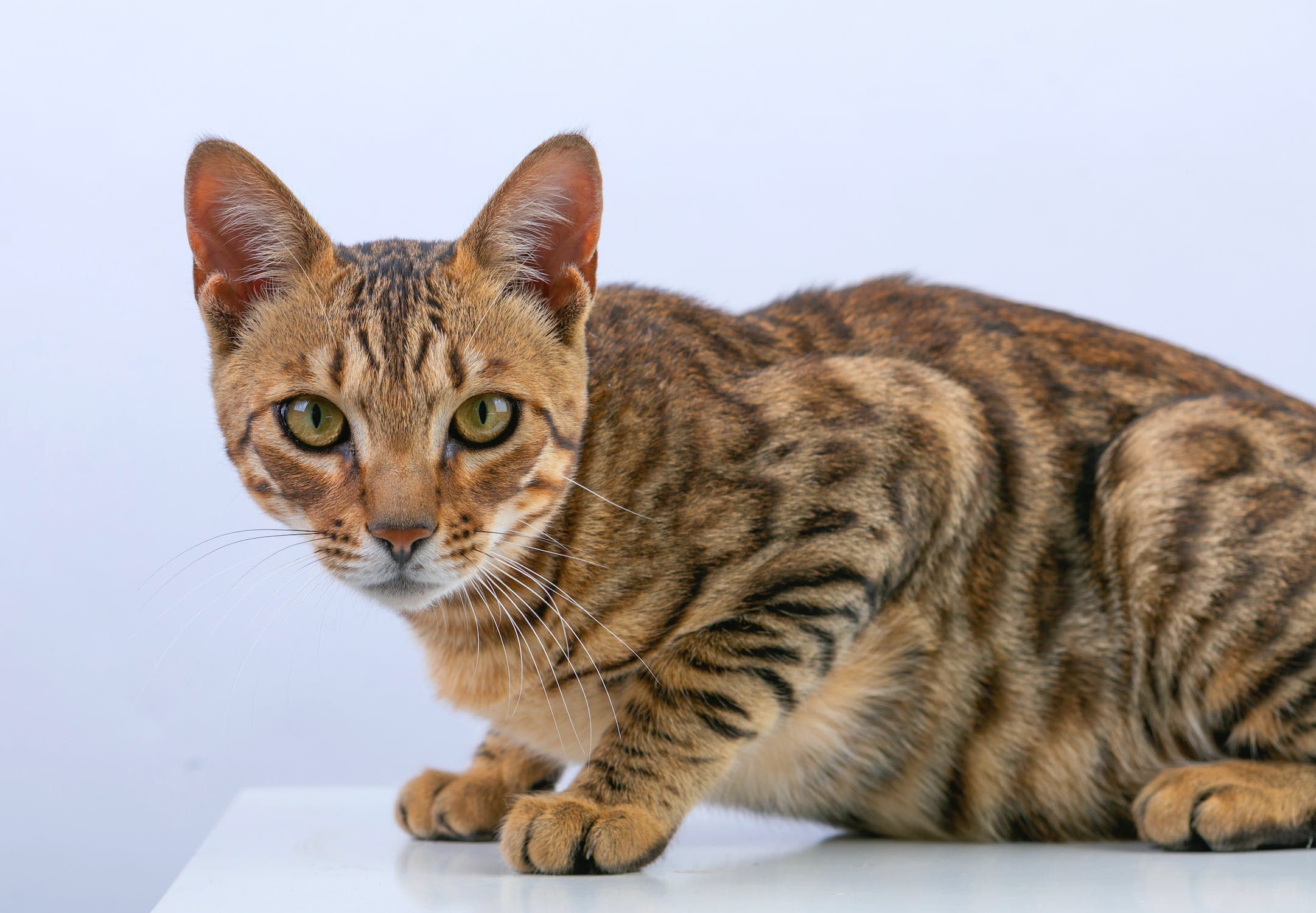
This article offers an engaging look into the world of Bengal cats, their routine, loving nature, and some distinctive Bengal traits such as their beautiful coat, size, eye colors, lifespan, agility, and hypoallergenic nature. You will get tips on how to keep Bengals mentally stimulated and the benefits of their love for water.
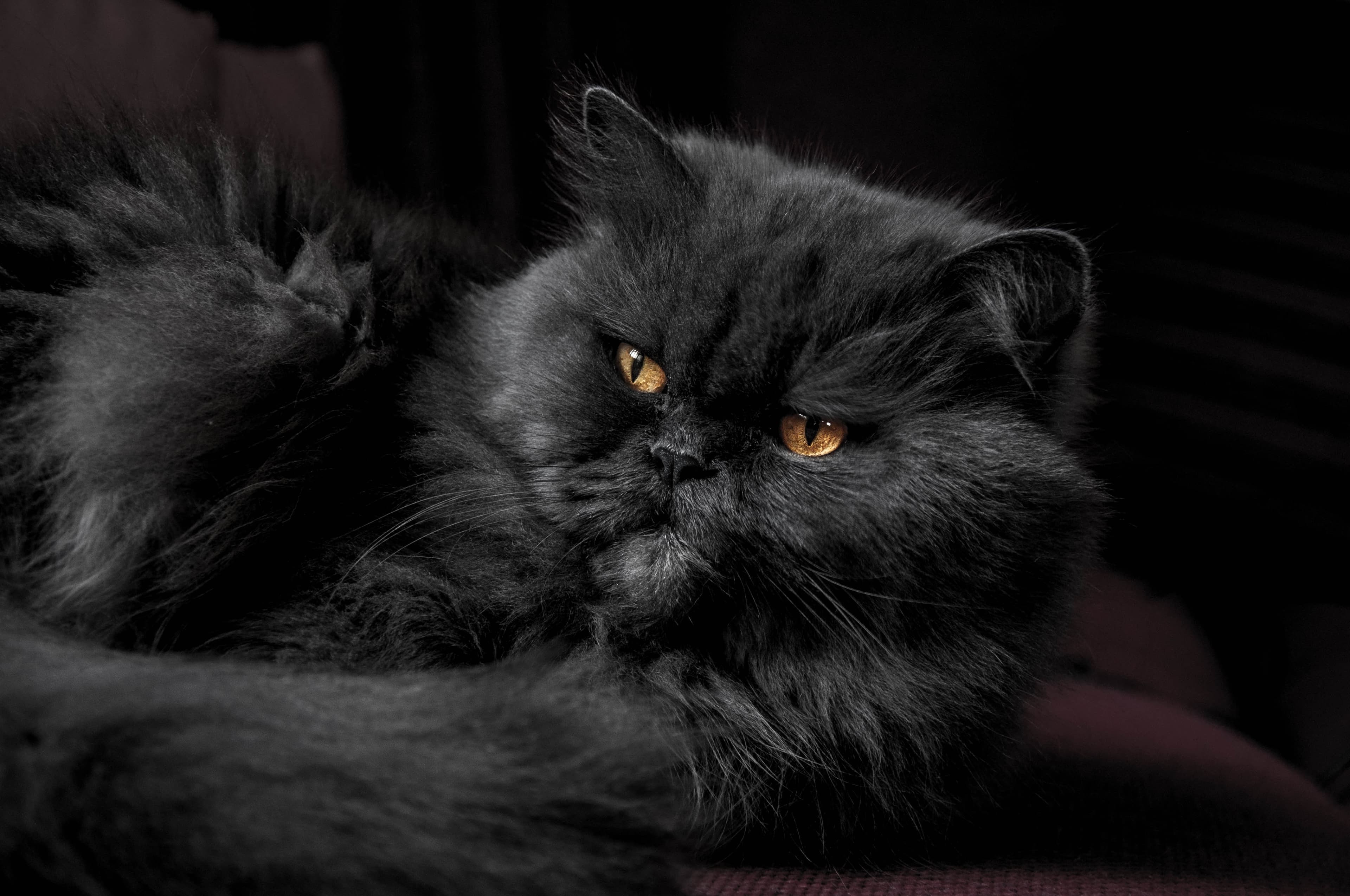
Persian cats stand out not only for their distinctive appearance but also for the genuine companionship they offer. The average Persian cat lifespan ranges from 12 to 16 years, making them cherished members of many families for a significant portion of their lives. In some extraordinary cases, these captivating creatures have defied expectations, living up to 20 years or more. However, achieving such an impressive lifespan requires a comprehensive understanding of the factors that influence their longevity and dedicated care to address their specific needs.
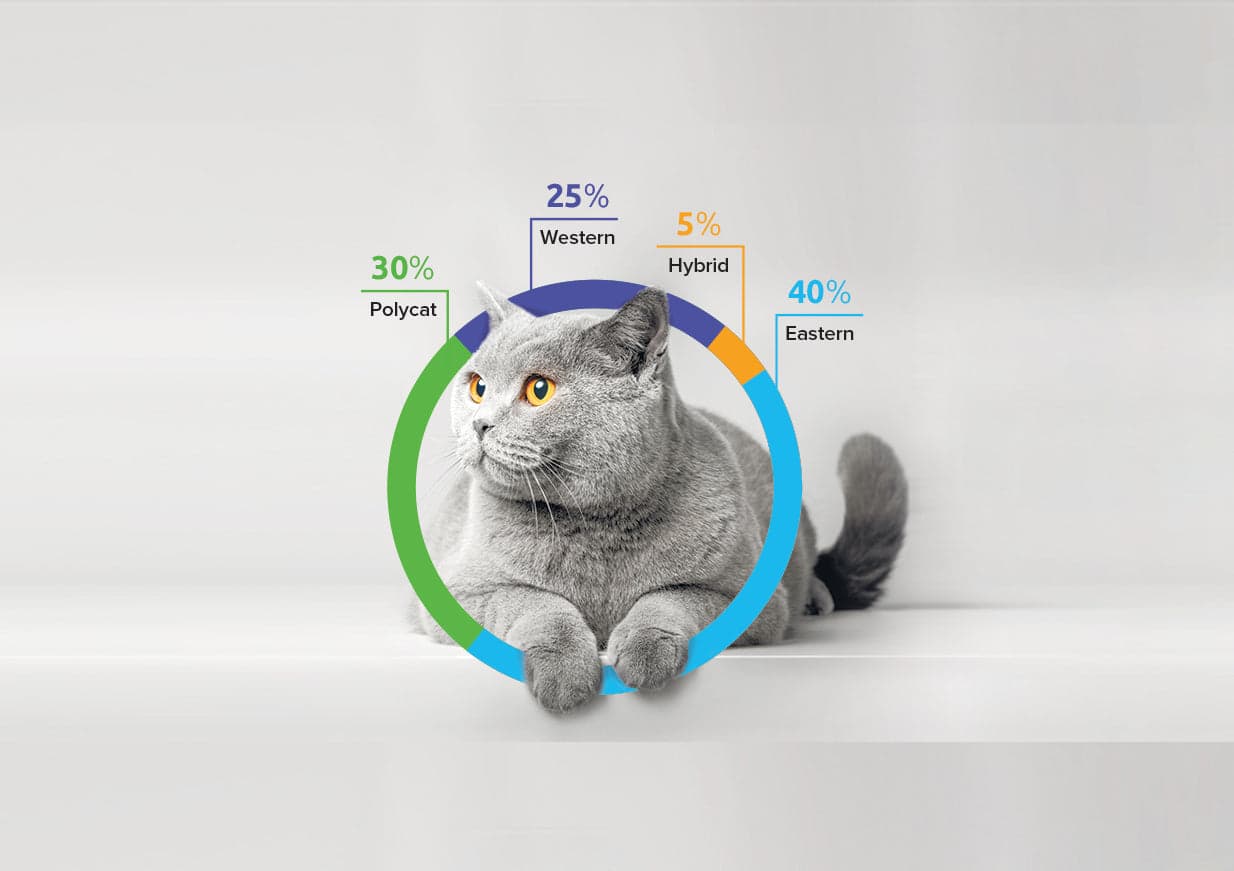
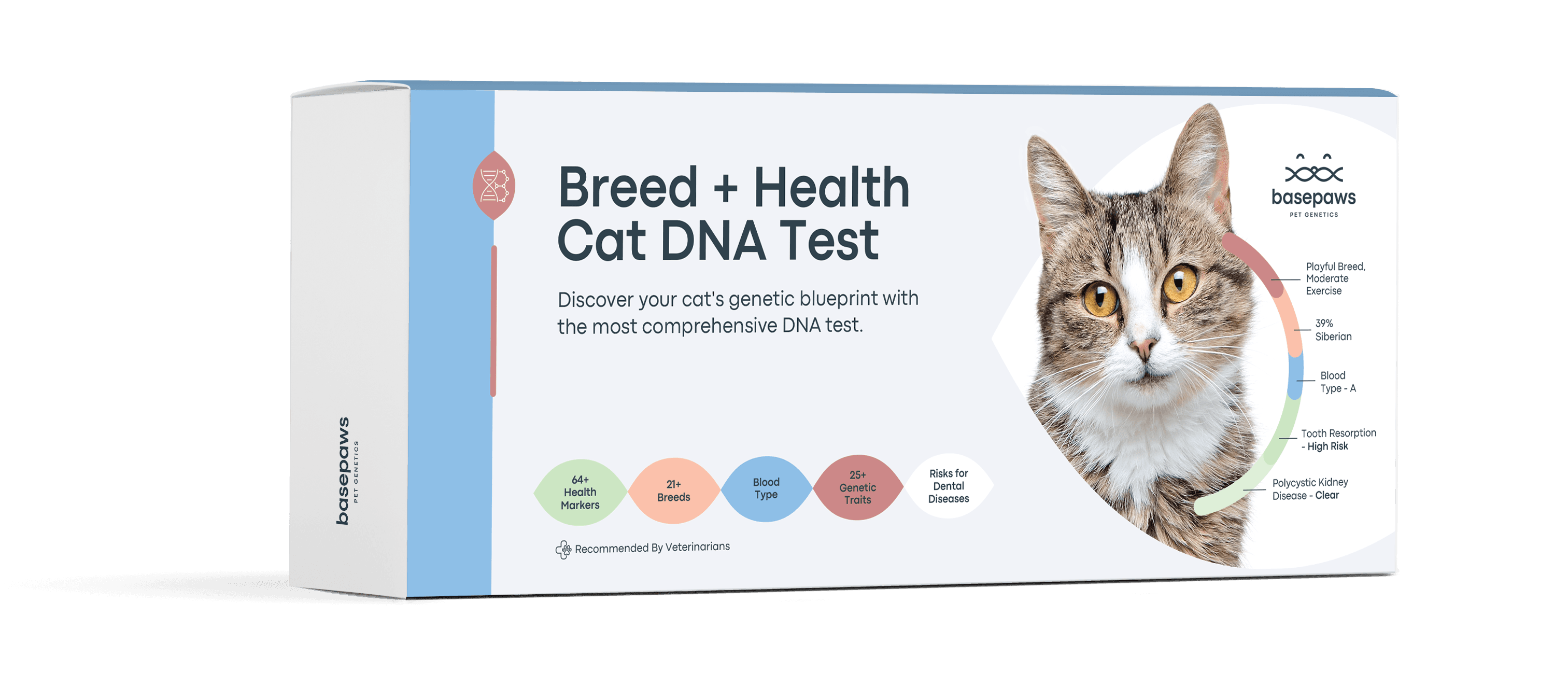
The breed analysis that you receive from a Basepaws Breed + Health Cat DNA test offers an exciting glimpse into your cat’s DNA story, yet much of it remains to be told. This includes a definitive story of ancestry, which is difficult to pin down for cats. In today’s post, we’d like to share some insight into why this is, and to explain the concept of genomic similarity that is at the heart of the Basepaws breed analysis.
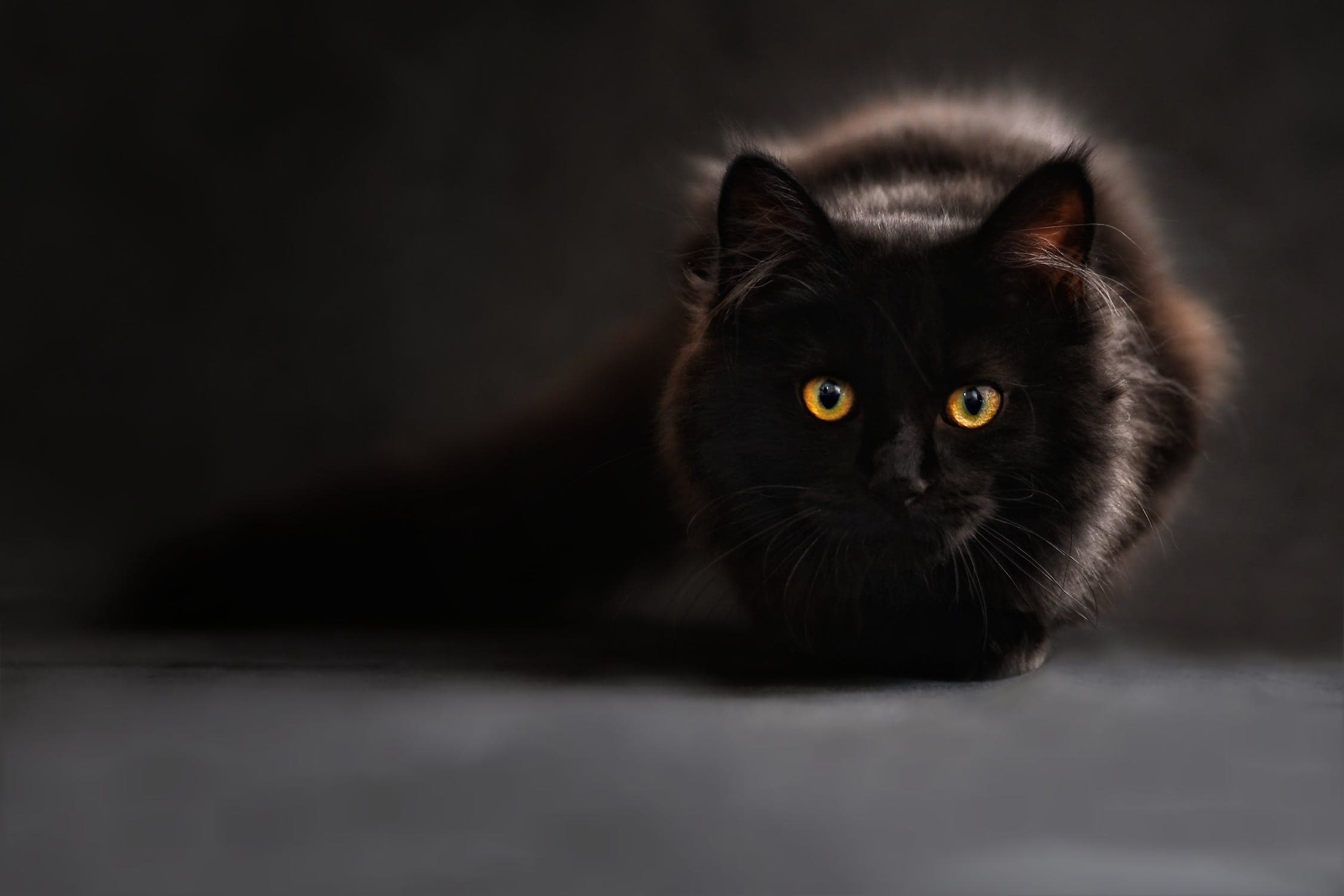
Explore the captivating world of black cats with mesmerizing yellow eyes. From Bombay to Burmese, uncover 10 unique breeds and the allure of their striking eye color. Delve into the science, myths, and care of these enigmatic feline companions.
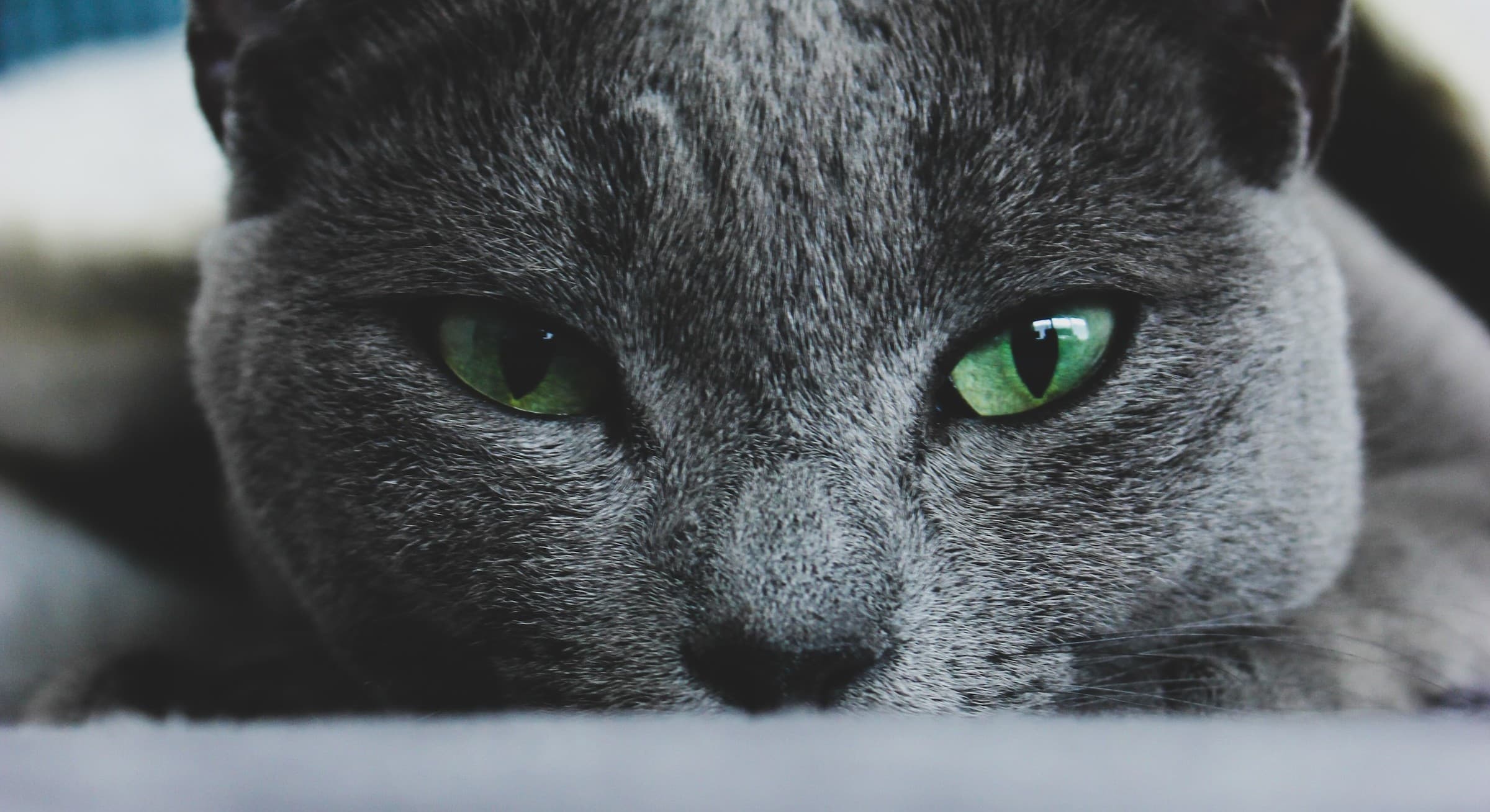
The Russian Blue cat personality is a mystery that every fur parent would like to unravel since their furry pals appear to be one-of-a-kind. These feline babies have intriguing personality traits, from their soft-coated blue fur to their greenish expressive eyes and the mauve or pinkish lavender paw, not to mention their contact with their human families.
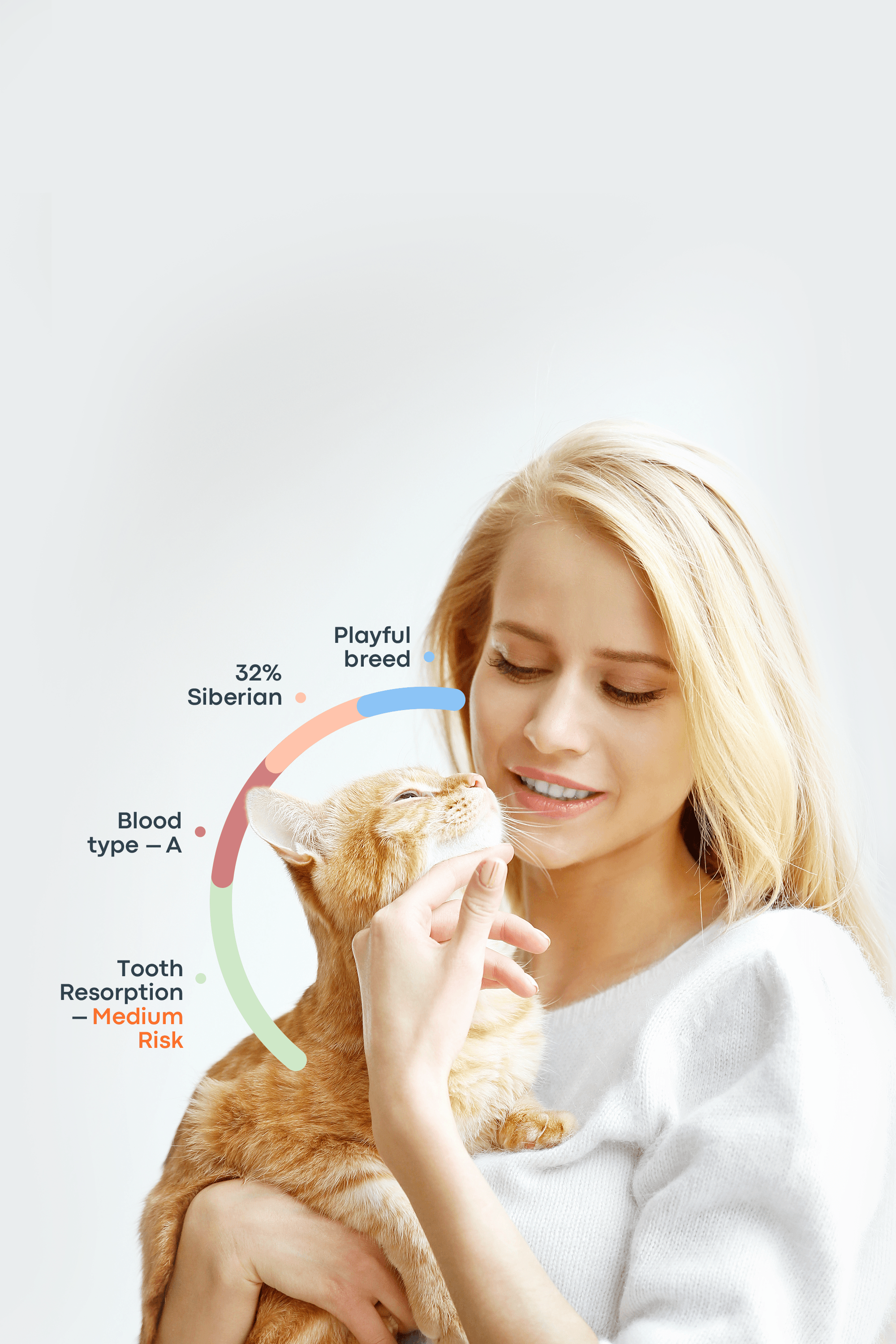
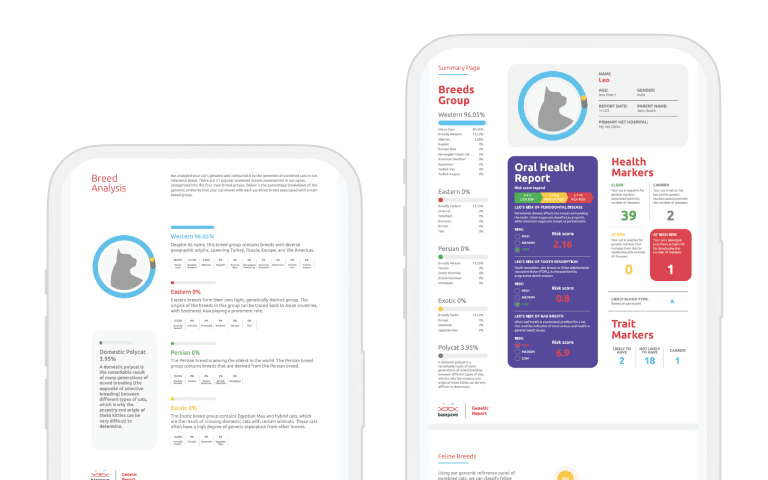
Enter your email to receive a sample cat report and preview the breed and health insights inside.