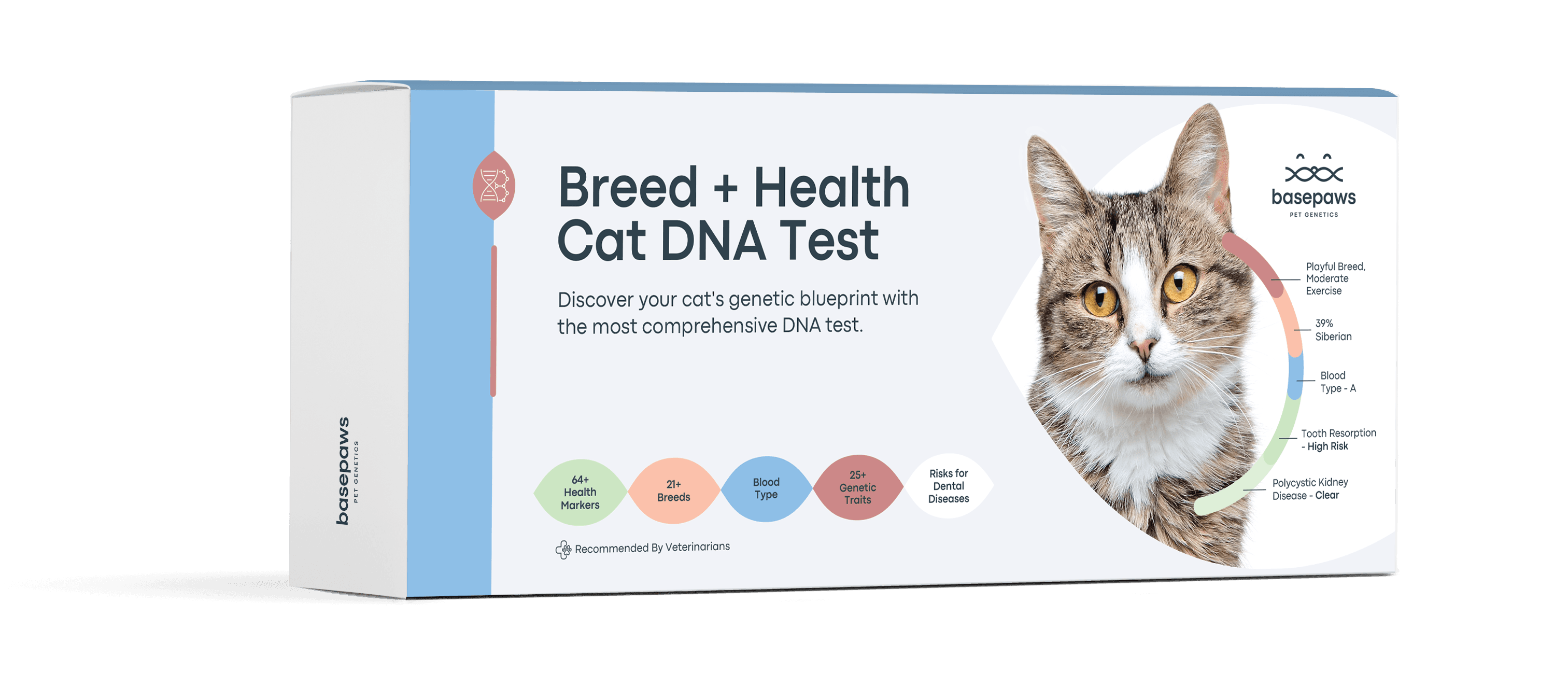
Don't know your cat's breed?
Get our DNA kit!
Hypokalemic periodic polymyopathy is a genetic disease of Burmese and related cats and it's marked by skeletal muscle weakness, often episodic in nature.
Haemophilia in cats is a group of rare hereditary bleeding disorders in which a cat’s blood doesn’t clot appropriately in case of an injury. Here is happens when a cat bleeds, how bleeding disorders develop, and what haemophilia really is.
Alpha mannosidosis is a lysosomal storage disorder which results in the decreased efficiency of the production of an enzyme called alpha-D-mannosidase.
Mucopolysaccharidosis in cats is a group of metabolic disorders characterized by an enzymatic deficiency and improper digestion of glycosaminoglycans (GAGs). There are three types of feline mucopolysaccharidosis described: MPS I, MPS VI and MPS VII.

Diabetes mellitus (DM), or simply diabetes, is a group of metabolic disorders in which blood sugar levels remain high for long periods of time.