Whether you’re a cat person or a dog person, there’s no denying the charm of Persian cats. Their large, expressive eyes and signature perpetual frown make them instantly recognizable, and it’s exactly these unique features that endear them to so many cat lovers.
Persian Cat Personality and Characteristics
Persian cats are famous for their calm and gentle nature. They love fuzzy blankets, cozy beds, and snuggling up with their human companions for a relaxing petting session. Compared to many other breeds, Persians are relatively low-energy, making them ideal for people who want a cat that enjoys lounging and relaxing.
They also make great family pets, as they are friendly and affectionate. However, Persians are delicate and require gentle handling, so it’s important to teach small children how to interact with them carefully.
History of the Persian Cat
As their name suggests, Persian cats originated in Persia, which is modern-day Iran. The exact timeline of their appearance there is unclear, but in the 1600s, Persian cats were introduced to Italy by Pietro della Valle, a successful trader who brought one back from his travels.
Once in Europe, Persian cats were bred with the Turkish Angora, producing a sturdy, short-nosed cat with long, silky fur full of volume. This selective breeding eventually led to the development of the doll-faced and flat-faced varieties, both of which are popular and highly sought after today.
By the 1880s, the breed and its unique varieties were imported to the United States, where they quickly gained popularity among cat enthusiasts.

Persian Cat Types
Although we often use the term “Persian” broadly, there are several distinct variants of Persian cats.
Doll-Face Persian
The doll-face Persian has a nose that is proportionate to their face, slightly extending outward and appearing fairly “normal” compared to other cat breeds. They have large, round eyes and a sweet, gentle expression, which makes them particularly endearing to cat lovers.
Peke-Face Persian
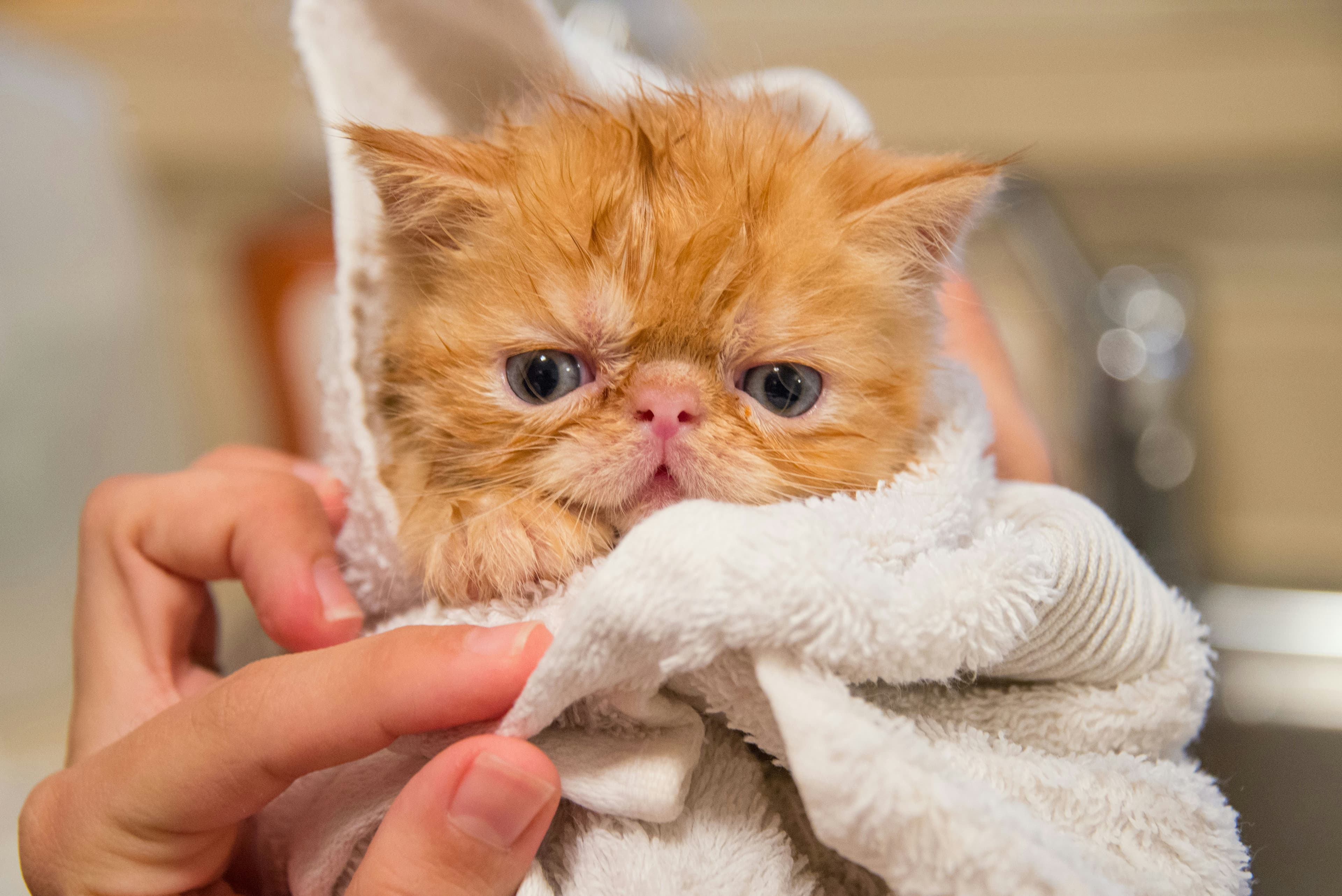
Peke-faced Persians have a flat face with a pushed-in nose, giving them a look similar to a Pekingese dog. Their expression may appear “smooshed” compared to doll-face Persians. This pronounced flatness can put them at a higher risk for certain health issues, such as breathing difficulties.
Exotic Shorthair
Exotic Shorthairs share the flat-faced features of Peke-faced Persians, but their most notable trait is a short, smooth coat. This breed was developed to combine the charming personality and uniqueness of Persians with a low-maintenance, easy-to-care-for coat, making them a practical option for many households.
Persian Cat Colors and Coat Types
Persian cats are known for their luxurious coats, and when it comes to colors and patterns, the possibilities are almost endless. They can be found in virtually every color seen in other cat breeds, including:
Tabby (and its variations)
Solid colors
Bicolor
Himalayan
Tortoiseshell
Smoke
With such a wide variety of colors and patterns, Persian cats offer something for every cat lover, whether you prefer a classic look or a more unique appearance.
Persian Cat Grooming
With their long, luxurious coats, Persian cats require regular grooming to stay healthy and mat-free. Daily brushing is essential to prevent tangles, mats, and hairballs. The good news is that if you maintain a consistent grooming routine, each session can be short and easy, as there won’t be enough time for mats to form between brushes.
Choosing the Right Tools
Not all brushes are created equal for Persians. Their unique coat needs specific grooming tools to be effective. Consider investing in:
Metal combs for detangling
Slicker brushes for gentle removal of loose hair
De-shedding tools to reduce shedding and prevent hairballs
Trimming and Seasonal Care
In addition to daily brushing, Persians may need regular trims, particularly during high-shedding periods, which often coincide with seasonal changes. Keeping up with trims and brushing ensures your Persian’s coat stays smooth, healthy, and beautiful.
Persian Cat Health Issues and Lifespan
Common Health Problems
Persians are a unique and beautiful breed, but their distinctive features can make them prone to breed-specific health issues. Here’s a look at some of the most common conditions:
Health Issue | Description | How Common? | Symptoms | Genetic? | Treatment & Screening |
Polycystic Kidney Disease (PKD) | Inherited condition causing fluid-filled cysts in kidneys, potentially leading to kidney failure | Very common | Lethargy, weight loss, vomiting, increased thirst | Yes | No cure; genetic screening before breeding; manage with diet and fluids |
Brachycephalic Airway Syndrome (BOAS) | Narrowed airways due to flat face, causing breathing difficulties | Common | Noisy breathing, snoring, open-mouth breathing, heat intolerance | Can be | Weight control; surgery in severe cases |
Dental Malocclusion | Misaligned teeth caused by shortened jaw/skull | Moderately common | Plaque buildup, drooling, difficulty eating | Yes | Regular dental exams; tooth extraction and/or orthodontic care |
Hypertrophic Cardiomyopathy (HCM) | Thickening of the heart wall, which can lead to heart problems | Occasional | Lethargy, sudden collapse, labored breathing | Can be | Cardiac ultrasound for screening; medication to manage symptoms |
Eye and Tear Duct Problems | Flat face may block tear ducts, causing excessive tearing | Very common | Eye infections, constant tearing, eye strain | Yes | Daily eye cleaning; vet check-ups; tear duct flushing |
Skin and Coat Disorders | Includes seborrhea, dermatitis, and other skin issues | Fairly common | Itchiness, greasy fur, dandruff, red patches | No (often environmental) | Special shampoos; omega-3 supplements; vet diagnosis |
Persian Cat Lifespan
According to the Royal Veterinary College, University of London, Persian cats have an average lifespan of 13.5 years, though some individuals have lived up to 17 years. A cat’s lifespan is influenced by genetics, diet, environment, and overall lifestyle.
To help your Persian live a long, healthy life:
Schedule regular veterinary check-ups
Maintain dental hygiene to keep teeth clean and strong
Provide a balanced diet and a safe, enriched environment
Care Tips for Owners
Tear Stain Control
Persian cats are prone to eye issues due to their flat faces. One common concern is tear staining, where excess tears leak from the eyes and often appear brown-red in color. This can look alarming if you’re unfamiliar with it.
To manage tear stains and prevent complications:
Clean your cat’s eyes regularly using pet-safe wipes, cotton pads, or a warm, damp cloth
Keeping the eyes clean helps prevent eye infections, as damp fur from excess tears can lead to bacterial buildup and irritation
Feeding Your Persian: Nutrition Tips
A high-quality diet is essential for maintaining a Persian’s coat, health, and overall wellbeing. Persians are naturally heavyset cats and prone to weight gain, which can increase the risk of diabetes and obesity.
To maintain a healthy weight:
Avoid free-feeding; monitor food intake
Adult cats: feed twice daily
Kittens and adolescents: feed up to three times daily
Use shallow food bowls to accommodate their flat faces, making it easier for them to eat comfortably
Select a nutrient-rich, balanced diet and always provide plenty of fresh water.
Ideal Indoor Setup
Persian cats thrive as indoor-only pets due to their long, luxurious coats and calm, docile nature. To keep them happy:
Provide soft bedding and quiet rest spaces for relaxation and alone time
Include vertical climbing areas, such as cat trees, ledges, or perches, to encourage gentle exercise and enrichment
A comfortable indoor environment helps keep your Persian healthy, relaxed, and happy.
Disadvantages of Persian Cats
Like any pet, Persian cats have their pros and cons. Some potential disadvantages of owning a Persian include:
High grooming needs: Their long, luxurious coats require daily brushing and regular trims
Feeding schedule management: Persians benefit from monitored meal times rather than free-feeding
Health concerns: Their flat faces make them prone to issues such as breathing difficulties, tear staining, and dental problems
Interesting Facts About Persian Cats
Persian cats are not only beautiful but also full of fascinating history and unique traits:
They have been favored by royalty for centuries; Queen Victoria was reportedly very fond of the breed
Although commonly called “Persian cats,” they are also known as Iranian cats or Shiraz cats
A Persian cat won the world’s first-ever cat show in 1871, receiving the Best in Show award
Persians continue growing until 3–4 years old, whereas most other breeds stop growing by 12–16 months
There are over 60 recognized coat colors for Persian cats, making them one of the most diverse breeds in appearance
Should You Get a Persian Cat?
Persian cats are best suited for owners who want a quiet, affectionate, and cuddly companion. The ideal owner is also prepared to manage their grooming, diet, and potential health needs, as these cats can require more specialized care than some other breeds.
Pros of Owning a Persian:
Affectionate and loving
Beautiful, luxurious coat
Great for families and calm households
Cons of Owning a Persian:
Prone to certain health issues
Requires regular grooming
Relatively low-energy, may not suit highly active households
Conclusion
Whether you’re considering getting a Persian or simply learning about them, there’s no denying their unique charm. Fluffy, cuddly, and occasionally in need of extra care, Persian cats have a way of capturing the hearts of cat lovers worldwide—ours included! Have Persians won your heart yet?
Frequently Asked Questions
What is it like to raise a Persian cat?
Persian cats are relatively easy to care for. They thrive with love, attention, high-quality food, and regular grooming.
Where can I find an orange Persian cat?
The best way to find a healthy Persian is through an ethical breeder in your area. Avoid impulsive purchases and ensure the breeder follows responsible breeding practices.
Why are Persian cats so mean?
Persian cats are not mean. Their calm and docile nature can sometimes be mistaken for standoffishness, but they are generally friendly and affectionate.
Are Persian cats stupid?
Not at all! Persian cats are intelligent and can learn tricks, routines, and even respond well to training with patience.
Are white Persian cats rare?
No. White is actually one of the most common colors for Persian cats.
What is Persian cat behavior like?
Persians are typically calm and low-energy. While adult Persians enjoy lounging and snuggling, kittens can be playful and energetic, displaying bursts of curiosity and fun.