What Is a Tuxedo Cat?
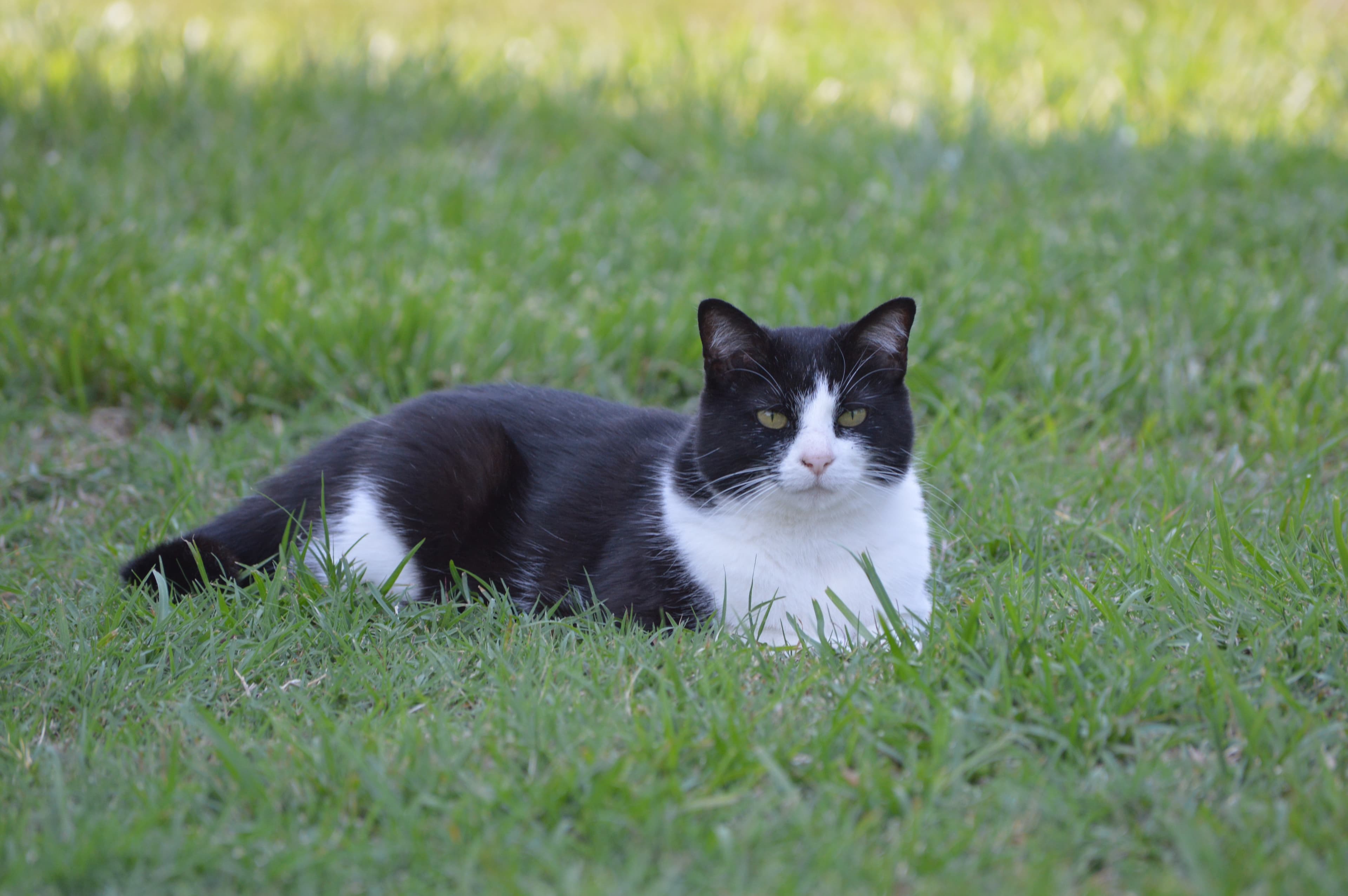
Tuxedo cats are famous for their black-and-white coats that look just like a fancy suit. They’re not a separate breed — this coat pattern can appear in many kinds of cats, from shorthairs to fluffy longhairs.
These cats aren’t just stylish, though. Tuxedo cats are often bold, playful, and friendly. Many owners say they have big personalities and love to be the center of attention.
People have admired tuxedo cats for centuries. In folklore, they were sometimes seen as symbols of good luck or guardians. They’ve also become stars in pop culture, with famous tuxedo cats like Felix, Sylvester, and the magical Mr. Mistoffelees. Even Socks, the White House cat during Bill Clinton’s presidency, wore a tuxedo coat.
With their striking looks and famous tuxedo cat personality, these cats are much more than their markings — they’re charming companions who always stand out.
Tuxedo Cat Genetics
The classic black-and-white look of tuxedo cats comes from a genetic quirk. It’s mainly linked to the piebald gene, which controls where pigment appears on a cat’s coat. This gene blocks color in certain areas, creating the white patches that make the tuxedo pattern.
One common feature of tuxedo cats is a dark “mask” of black fur across the face, with white fur left around the nose, mouth, and chest. This white patch often looks like a shirtfront, adding to their formal, dressed-up appearance.
No two tuxedo cats look exactly the same. Some have neat, symmetrical markings, while others show more abstract or playful patterns. Regardless of the variation, they always keep their signature charm and elegance.
Tuxedo Cat Breeds
A tuxedo cat is a type of bicolor cat with a bold black-and-white coat. To be considered a classic tuxedo, the coat is mostly black, with white markings on the chest, paws, belly, throat, and chin. Some even have a little “goatee” thanks to black fur on the lower jaw.
Tuxedo cats aren’t a breed of their own — the pattern can appear in many breeds. Domestic Shorthairs, British Shorthairs, American Shorthairs, and Maine Coons are just a few examples. The tuxedo look can also show up in mixed-breed cats, since it’s simply a coat pattern rather than a breed trait.

Physical Characteristics of Tuxedo Cats
Genetics behind the tuxedo pattern
Tuxedo cats get their black-and-white coloring from genes that control how pigment spreads in their fur. The piebald gene causes certain areas, such as the chest, paws, and belly, to remain white while the rest of the coat turns black. This happens because the pigment cells “switch off” in specific spots as the kitten develops before birth, creating the signature tuxedo pattern.
Black and White: The Purrfect Pair
Cat lovers adore tuxedo cats for both their looks and personalities. Their black-and-white coats make them look like they’re wearing a formal tuxedo, often with elegant white “gloves.” The sharp contrast makes them naturally photogenic and visually captivating.
But tuxedo cats aren’t just about looks. They are playful, affectionate, and intelligent, with personalities that match their striking appearance. In some cultures, they are even seen as symbols of good luck. With their charm, beauty, and friendly nature, tuxedo cats truly are the purrfect combination of style and personality.
Physical Characteristics of Tuxedo Cats
Beyond their iconic black-and-white coats, tuxedo cats have other features that make them stand out. They usually have a medium-sized, lean body, alert eyes that can be green, gold, or sometimes hazel, and a distinct pink nose. Their tidy, well-groomed appearance adds to their elegance and charm.
While every tuxedo cat has a unique pattern, these traits are common among them, making them instantly recognizable and striking.
Coat Color
Tuxedo cats usually have a black coat, though some may appear dark gray or deep brown. Their signature white markings are most often found on the face, chest, paws, and belly. The amount and placement of white can vary, with some cats showing larger white areas than others. Interestingly, tuxedo patterns can also appear on gray cats, creating a unique look of a grey tuxedo cat.
Face: Some types of tuxedo cats have a white “mask,” often with a blaze down the center of the nose. Others may have white whiskers or “mutton chops” on their cheeks.
Chest: A white patch on the chest, resembling a formal shirtfront or bowtie, is a classic tuxedo feature.
Paws: Most tuxedo cats have white paws, which can look like gloves or spats.
Belly: Many have white on the belly, though the size of this area can vary.
Tail: The tail is usually black but may have white markings or, rarely, be entirely white.
Whiskers: Tuxedo cats can have black, white, or mixed-color whiskers.
Eye Color: Eye colors vary widely and can include green, yellow, blue, or amber, depending on genetics and breed.
Personality of Tuxedo Cats
The tuxedo cats personality is captivating, often described as having “tuxitude” — a mix of confidence, charm, and a cheeky streak. Male tuxedos tend to be energetic, playful, and affectionate lap cats, balancing independence with a desire for attention. Female tuxedos often show a nurturing, protective side, along with sharp intelligence.
Breed can also influence behavior. American Shorthair tuxedos are typically laid-back and adaptable, Maine Coons are sociable and playful, and Turkish Angoras are curious and actively explore their surroundings. Across breeds, tuxedo cats are celebrated for their wit, curiosity, and social nature, making them delightful companions.

Tuxedo Cats and Their Bond with Their Humans
Tuxedo cats often form strong connections with their human families. They love cuddles, seek out companionship, and enjoy being involved in family life. Their affectionate tuxedo cat behavior makes them excellent lap cats and loyal companions.
The Social Behavior of Tuxedo Cats
Tuxedo kittens are usually outgoing and enjoy interacting with humans and other pets. Their playful energy makes them especially well-suited for homes with children, as they eagerly join in games and activities.
Training Tuxedo Cats: What You Need to Know
Tuxedo cats are intelligent and quick learners, making training a rewarding experience. They respond best to positive reinforcement, such as treats, praise, or play. With patience and consistency, tuxedo cats can learn tricks, follow commands, and even master litter box habits, fitting the black and white cat personality. Starting training early helps, and professional cat trainers can also provide guidance if needed.
Health and Care for Tuxedo Cats
How to Care for a Tuxedo Cat
Caring for a tuxedo cat involves attention to diet, grooming, exercise, and preventive health measures to keep them happy and healthy.
Regular Vet Checkups: Essential for preventive care and early detection of health issues.
Balanced Diet: Supports energy, immunity, and keeps their coat sleek and shiny. Portion-controlled, high-quality food suited to age and activity level is ideal. Avoid free-feeding.
Hydration: Fresh water should always be available. Some cats prefer running water, so a cat fountain can help. Wet food or adding broth to dry food can also increase hydration.
Grooming: Short-haired tuxedos, like American Shorthairs, benefit from weekly brushing, while long-haired tuxedos need more frequent grooming to prevent mats and tangles.
Dental Care: Use dental treats, brushing, or water additives to prevent oral disease.
Exercise & Enrichment: All tuxedo cats benefit from regular play, interactive toys, and puzzle feeders. Maine Coons enjoy interactive games, while British Shorthairs need both physical and mental stimulation.
Claw Care: Regular nail trims and scratching posts help maintain healthy claws and protect furniture.
Weight Management: Indoor tuxedos need help staying active. Provide toys, climbing structures, and puzzle feeders. Offer healthier treats like freeze-dried meat and monitor weight regularly.
Preventive Health: Routine flea and tick prevention, deworming, vaccinations, and vet visits protect against common health risks and catch problems early.
With proper care, tuxedo cats can live long, healthy, and happy lives while remaining the elegant, charming companions they’re known to be.
Tuxedo Cat Lifespan by Breed
How long do tuxedo cats live? Here’s a table showing their average lifespan.
Breed | Lifespan | Tuxedo Pattern Common (Yes/No) | Notes |
American Shorthair | 15-20 years | Yes | Hardy, low-maintenance, tuxedo pattern is common. |
British Shorthair | 14-20 years | Yes | Calm, stocky build, tuxedo pattern is fairly common. |
Maine Coon | 12-15 years | Yes | This is a fluffy tuxedo cat. They are gentle giants with thick coats that need a lot of grooming. The tuxedo pattern is quite common. |
Turkish Angora | 13-18 years | Yes | Slender, elegant, playful, the tuxedo pattern is seen occasionally. |
Japanese Bobtail | 15-18 years | Occasionally | Unique tails and tuxedo variations. Playful cats with cheerful personalities. |
Cornish Rex | 12-15 years | Occasionally | Curly coats, high-energy cats. The tuxedo pattern is not very common. |
Munchkin | 12-15 years | Yes | Short-legged, playful. Tuxedo coat patterns are fairly common. |
Cymric (Longhair Manx) | 12-16 years | Occasionally | Tail-less breed. Tuxedo pattern is seen sometimes, though not too common. |
Should You Adopt a Tuxedo Cat?
Tuxedo cats make wonderful companions, but like any pet, they come with both pros and cons. Their affectionate, intelligent, and playful nature makes them great for families with children, and their moderate energy levels mean they adapt well to apartment living. Calm breeds like the British Shorthair are especially suited for elderly owners who want a loving yet low-maintenance companion.
On the flip side, some tuxedo cats can be a little mischievous. Breeds like the Japanese Bobtail often need plenty of playtime and stimulation to stay entertained. Long-haired tuxedos, such as Maine Coons, also require regular grooming, which may be challenging for busier households.
Overall, tuxedo cats combine striking looks with adaptable personalities and loyal temperaments. For most people, they’re a delightful choice that brings both elegance and joy into the home.
Tuxedo Cats and Other Pets: What to Expect
Tuxedo cats are often sociable, and this extends to how they interact with other animals. While each female and male tuxedo cat personality is unique, many tuxedos adapt well to living with other pets. With the right introductions, they can even become close companions with dogs or other cats.
To ensure harmony, it’s important to introduce pets gradually and supervise their early interactions. With patience and consistency, tuxedo cats can thrive in multi-pet households.
Tuxedo Kittens: What to Expect
Bringing home a tuxedo kitten means welcoming a bundle of energy, curiosity, and playfulness. They’ll want to explore every corner of your home, so it’s important to create a safe environment free from hazards while also keeping them busy with toys and activities.
Early training and socialization are key to raising a well-adjusted cat. Introduce your kitten to people, encourage gentle play, and provide plenty of games to stimulate their mind and body. Establishing a routine for feeding, playtime, and naps will also help shape good habits.
With patience, consistency, and lots of love, a tuxedo kitten will grow into a lively yet affectionate companion — full of charm and personality.
History of Tuxedo Cats
Tuxedo cats have inspired myths and stories around the world for centuries.
In ancient Egypt, cats were closely linked to the goddess Bastet, who symbolized protection and home life. Black-and-white cats even appear in tomb art, and many Egyptians believed they had the power to guard households against evil spirits.
In the United States, a playful joke claims that only tuxedo cats are allowed at the Metropolitan Opera in New York because of their formal “attire.” Of course, this isn’t true — cats aren’t allowed, though service dogs are.
In the United Kingdom, folklore has long described black-and-white cats as clever problem-solvers and “charmed” companions, especially those living in old countryside homes.
In Japan, the black-and-white version of the maneki-neko (the famous “beckoning cat” statue) is believed to bring double blessings: protection from evil and good financial fortune.
Some myths even claim that tuxedo cats can turn invisible during equinoxes or vanish at will, adding to their air of mystery. Others suggest tuxedo cats are naturally friendlier and more playful than other cats — though personality really depends on the individual cat, not just the coat pattern.
It’s important to remember that tuxedo cats are not a breed but a color pattern found in many different breeds. Still, their elegance, charm, and the legends surrounding them have helped make tuxedo cats unforgettable figures in both history and folklore.
Famous Tuxedo Cats in Pop Culture
Fun Facts and Trivia
Tuxedo cats have made their mark not only in homes but also in history, literature, and pop culture.
Simon the Sailor Cat: During World War II, a tuxedo cat named Simon was awarded the Dickin Medal for bravery after protecting food supplies aboard a British ship.
Historical Companions: Famous figures like Beethoven, Shakespeare, and Sir Isaac Newton were said to have owned tuxedo cats.
The White House Tuxie: President Bill Clinton’s cat, Socks, became a beloved First Cat during his time in office.
The Millionaire Cat: In 1998, a tuxedo cat named Sparky inherited $6.3 million, making him one of the richest cats in the world.
Record Breakers: A tuxedo cat is even said to be the only cat to have reached Mount Everest.
Pop Culture Icons: Beloved tuxies include Sylvester from Looney Tunes, The Cat in the Hat from Dr. Seuss, and Mr. Mistoffelees from the Broadway musical Cats.
From war heroes to cartoon legends, tuxedo cats continue to capture hearts everywhere.
Frequently Asked Questions
What breed is a tuxedo cat?
Tuxedo cats are not a distinct breed; rather, the tuxedo pattern can appear in many different breeds. It is commonly seen in cats such as the American Shorthair, British Shorthair, and Maine Coon.
Are tuxedo cats aggressive?
Tuxedo cats are not inherently aggressive. Their behavior depends more on their individual personality, socialization, and environment rather than their coat pattern.
Are tuxedo cats smart?
Tuxedo cats are considered intelligent, curious, and quick learners, similar to other cats. Their coat pattern doesn't affect their intelligence.
Are tuxedo cats friendly?
Yes, tuxedo cats are often described as friendly, affectionate, playful, and intelligent companions. Note that their tuxedo pattern is not a breed itself and does not influence their personality as much as their environment, socialization, and individual personalities do.
Are tuxedo cats affectionate?
Yes, tuxedo cats are often affectionate, enjoying cuddles and human companionship, though personality can vary by individual.