

Basepaws Research
Exploring the Impact of Carnations on Feline Health: Are Carnations Toxic To Cats?
Carnations are a common flower in areas such as Europe, North Africa, and certain parts of North America. Their typical bloom time is in late July to early August, and they generally go to seed in September. Maybe people enjoy their cheerful blooms in their gardens and as colorful bouquets indoors. But, if you are a cat parent, you may wonder if carnations are toxic to your furry little friend. So, are carnations safe for cats or maybe cats and carnations aren’t a good mix?
Read more
Microarrays vs Next Generation Sequencing NGS
Our world here at Basepaws revolves around your cat's DNA. In order to analyze feline genes, we must first decode the information within them. Many labs still rely on microarray techniques for genotyping studies due to a number of advantages. We, however, employ data-rich DNA sequencing in all aspects of our work.
Read more

New Genetic Trait Updates to the Basepaws Report
We're sharing details about an exciting improvement to the Basepaws report—one that helps us capture an even clearer picture of the colorful and unique "landscape" of your kitty's genome! Get all the details about this new update related to the genetic traits that are responsible for your cat's fabulous appearance in today's blog.
Read more

New Basepaws Research Initiative!
Today, we are thrilled to announce our new research initiative - the Basepaws Feline Diabetes Mellitus (DM) Research Project!
Read more
Are Peace Lilies Toxic To Cats? Peace Lily And Cats Safety Rules
Are peace lilies poisonous to cats? The short answer is yes. Peace lily poisoning in cats is rarely fatal, but a traumatic experience for your feline nonetheless. The symptoms of peace lily toxicity in cats are excruciating and frightening, so it's every pet parent’s duty to shield their kitties from this possible hazard.
Read more
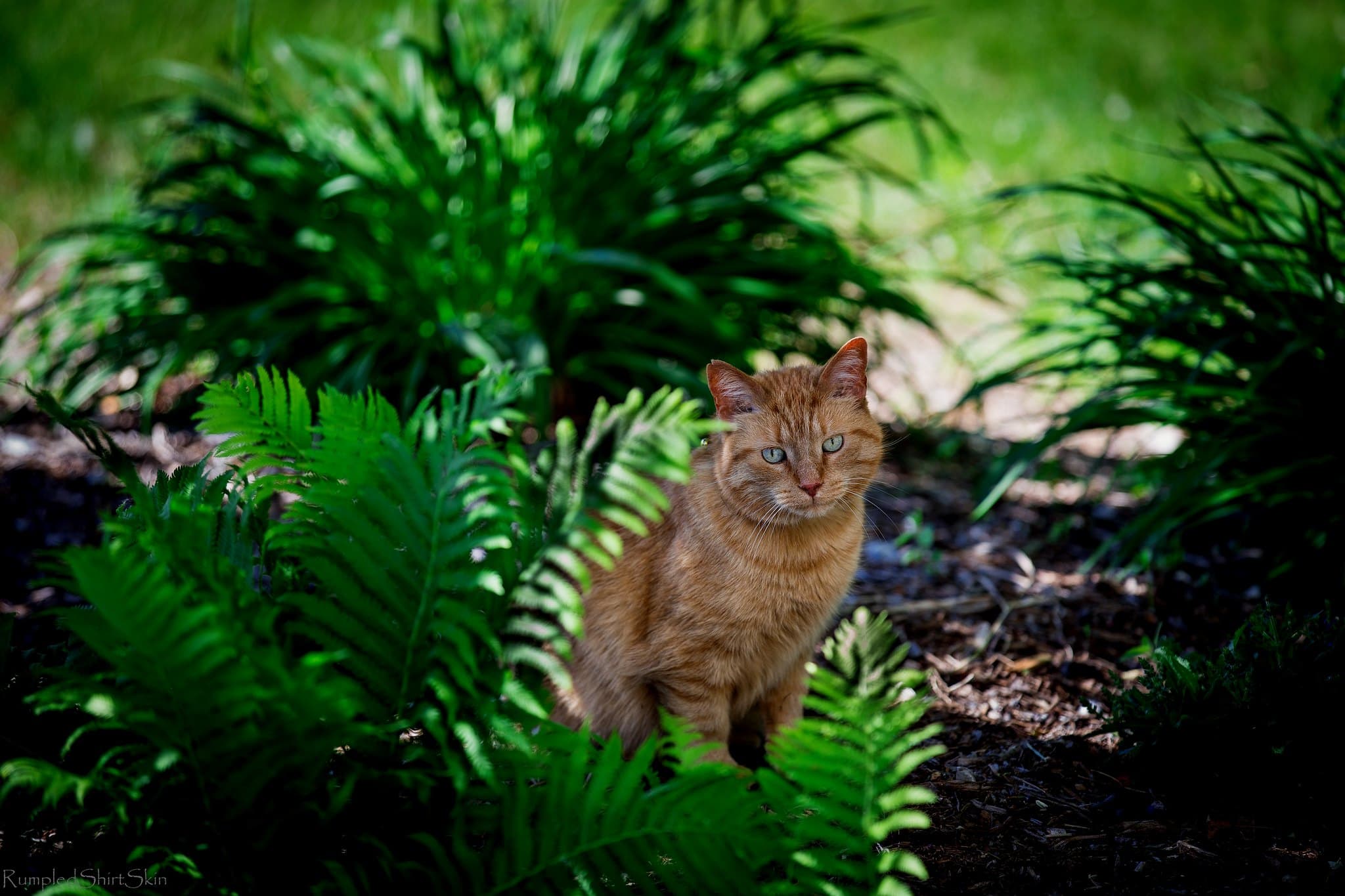
Are Ferns Toxic To Cats? Possible Risks Ferns Pose To Cats
Cats' natural curiosity and tendency to explore can sometimes lead them to investigate and potentially nibble on plants, which can result in various health issues. For ferns, there may be concerns about their toxicity to cats and the appropriate response if a cat consumes their leaves. This article aims to safeguard your feline companion from harmful plants and provide guidance on addressing fern ingestion by your cat.
Read more
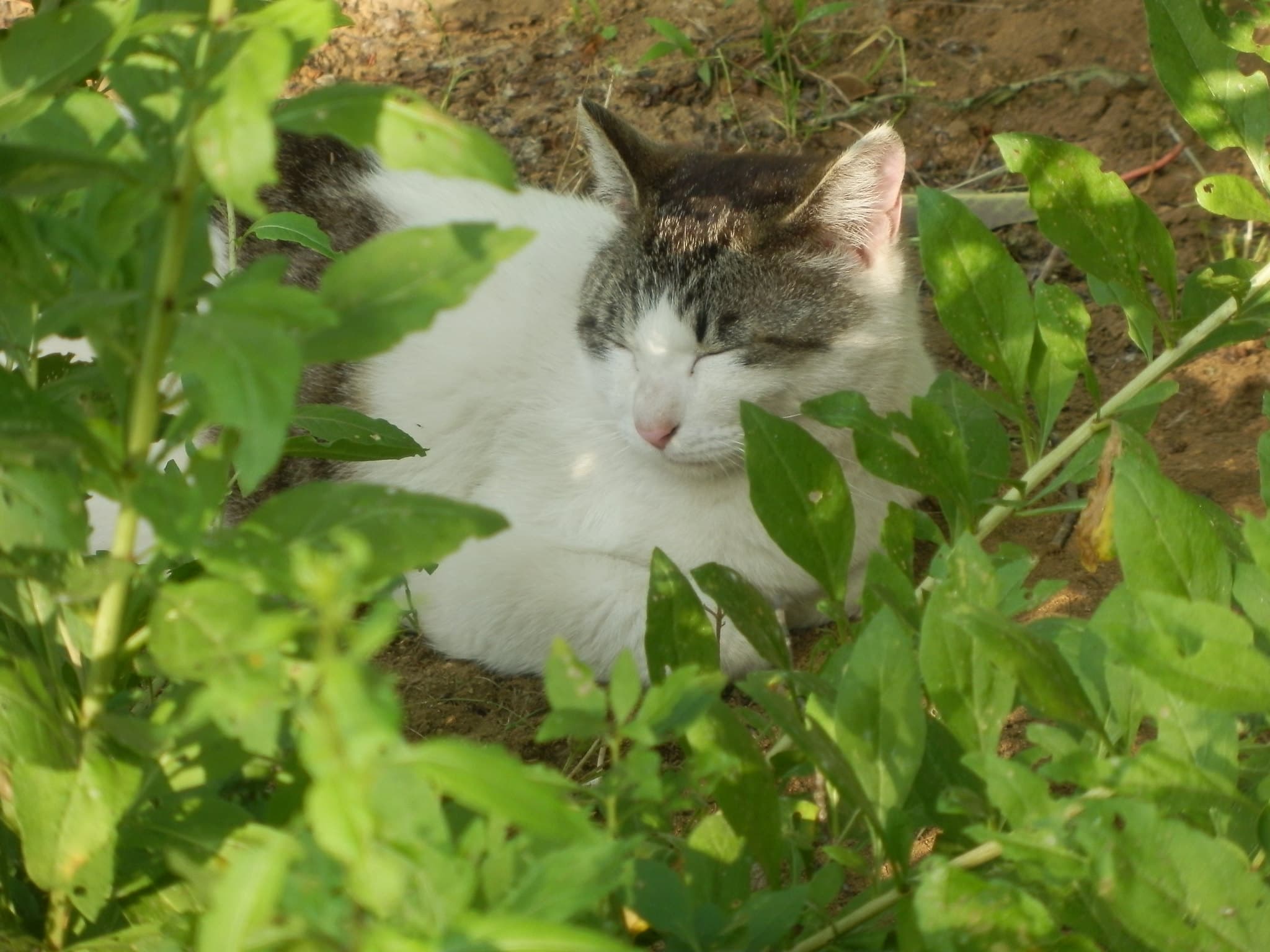
Are Pothos Toxic to Cats? What To Know About Pothos And Cats
Pothos are popular houseplants renowned for their attractiveness and hardiness. Pothos plants are an easy way to decorate with greenery and brighten your living space, but if you are a pet owner, beware. Despite their beauty, pothos are toxic to cats.
Read more