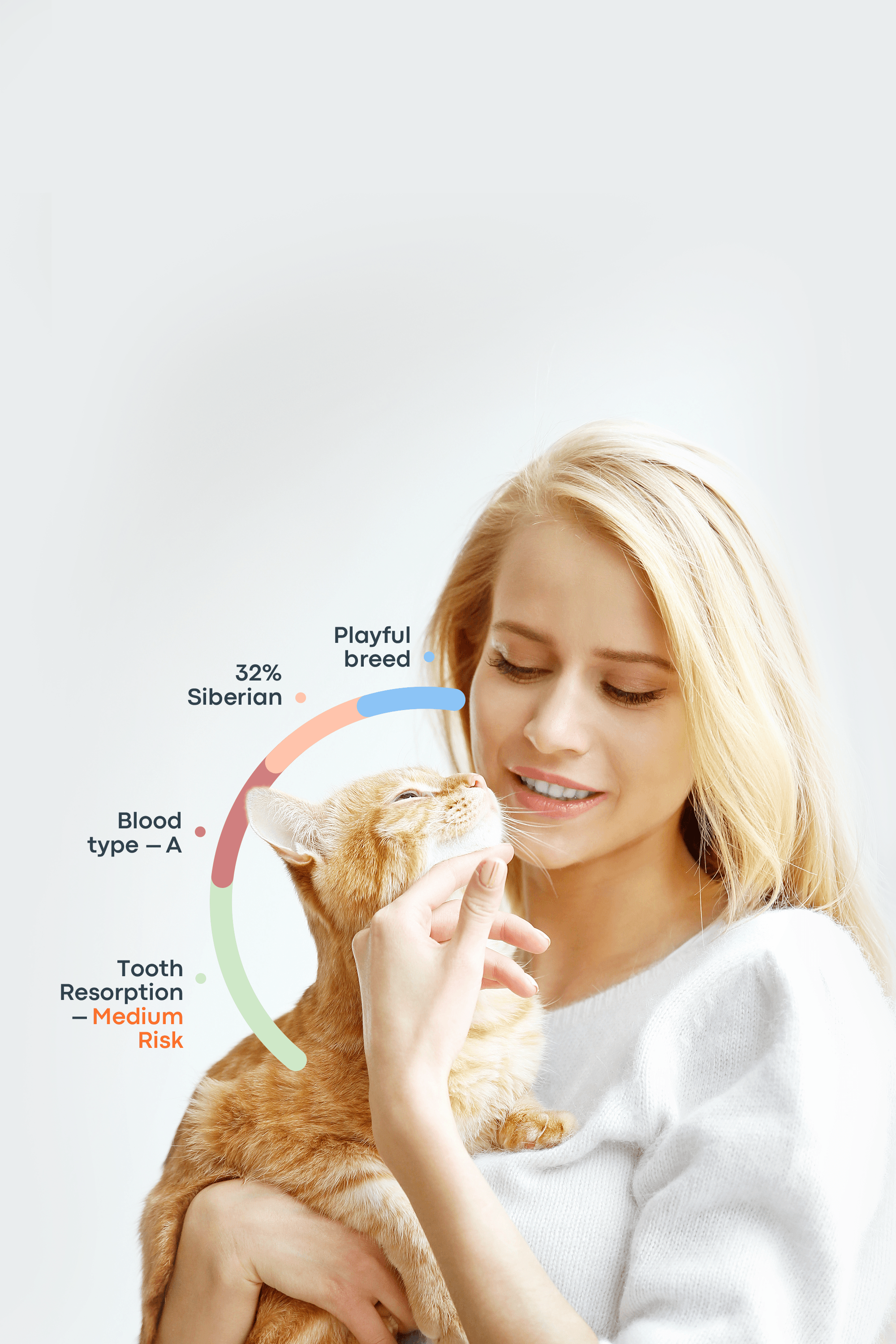
Don't know your cat's breed?
Get our DNA kit!
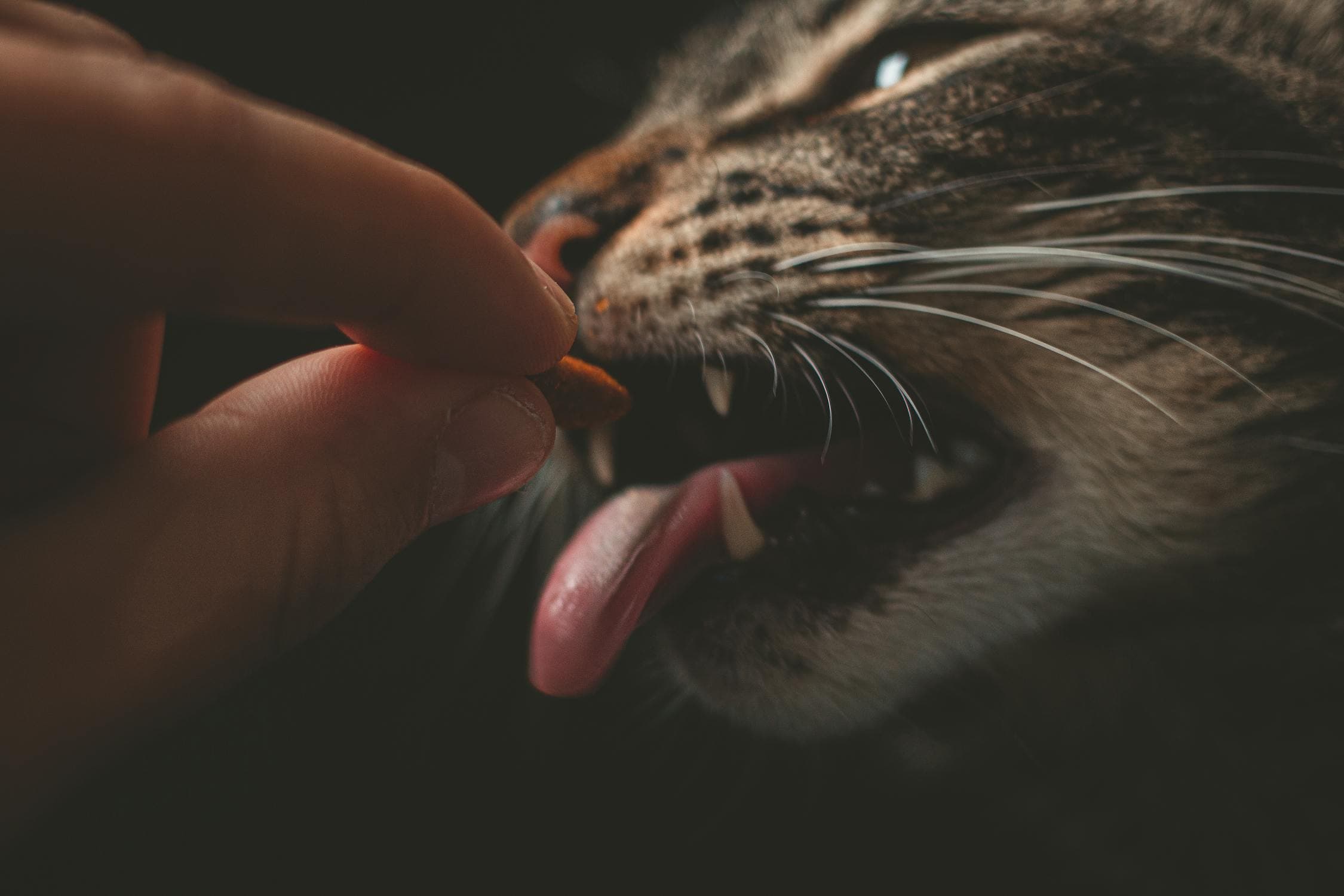
It’s common for us, humans, to be concerned whether cats can eat the same meal as we. You may ask “What can cats eat? Can cats eat human food?” Well, your cat can eat some human meals and not be affected, but also, some can be poisonous to your cat.
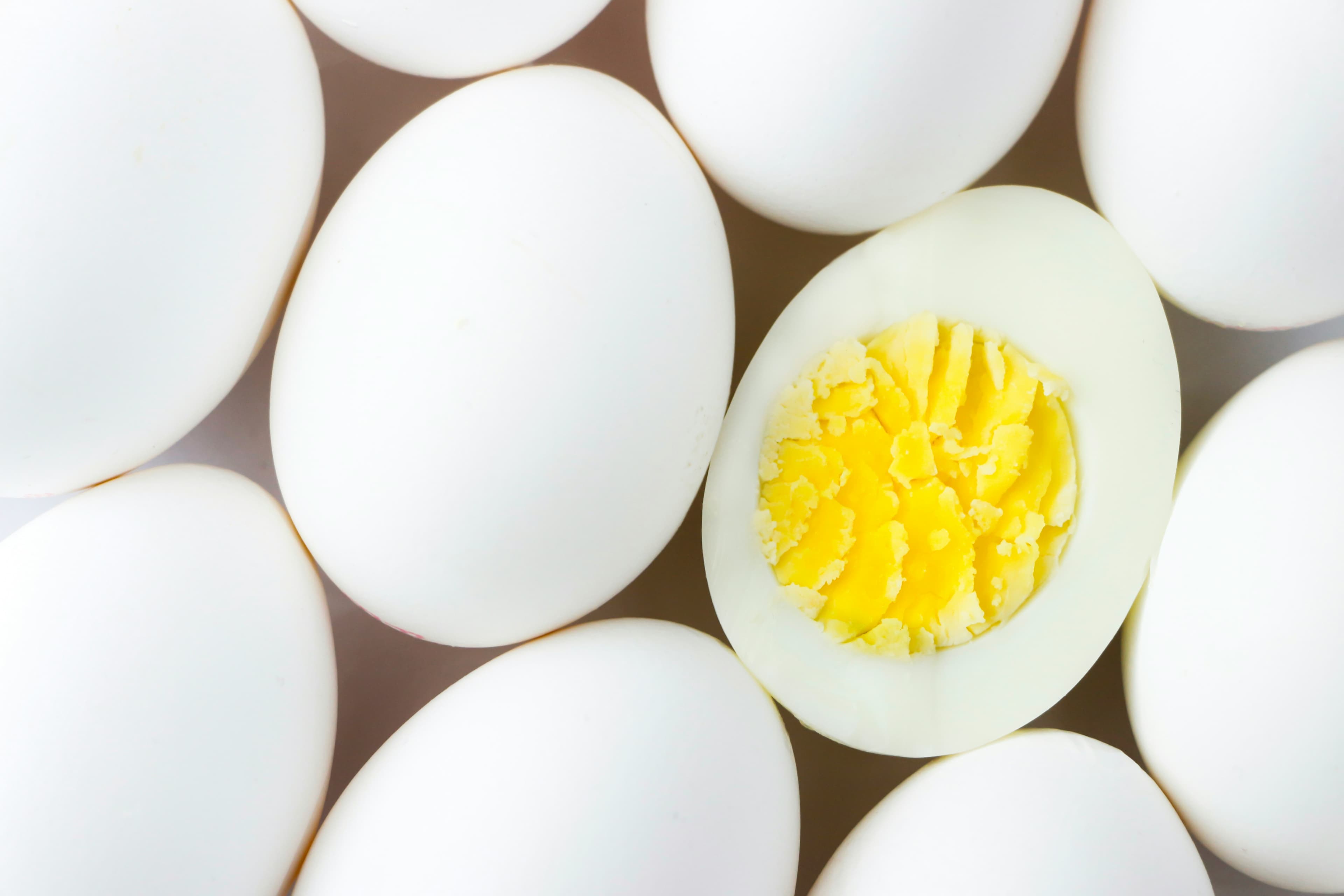
Cats love protein, and eggs are an excellent source of it. In this article, we are discussing the benefits and risks of feeding your cats eggs. Moreover, understanding the correct way to give them and how much so that they won’t cause health issues to your feline friend.

Have you ever found yourself scratching your head over why your cat won't eat wet food? It's a common concern among pet owners, and we're going to dive into the possible reasons behind this puzzling behavior.

Can cats have bread? Is bread healthy and safe for my cat? Should bread be part of my cat’s nutritional plan? These questions are very common! While cats can have bread in moderation, it shouldn’t be part of their nutritional plan. Naturally, cats are carnivores and this should be reflected in their diet.

Grapes are considered to be potentially very harmful to cats. Although the exact cause of toxicity is not fully understood, grapes have been consistently linked with acute kidney failure in cats, as well as in dogs.
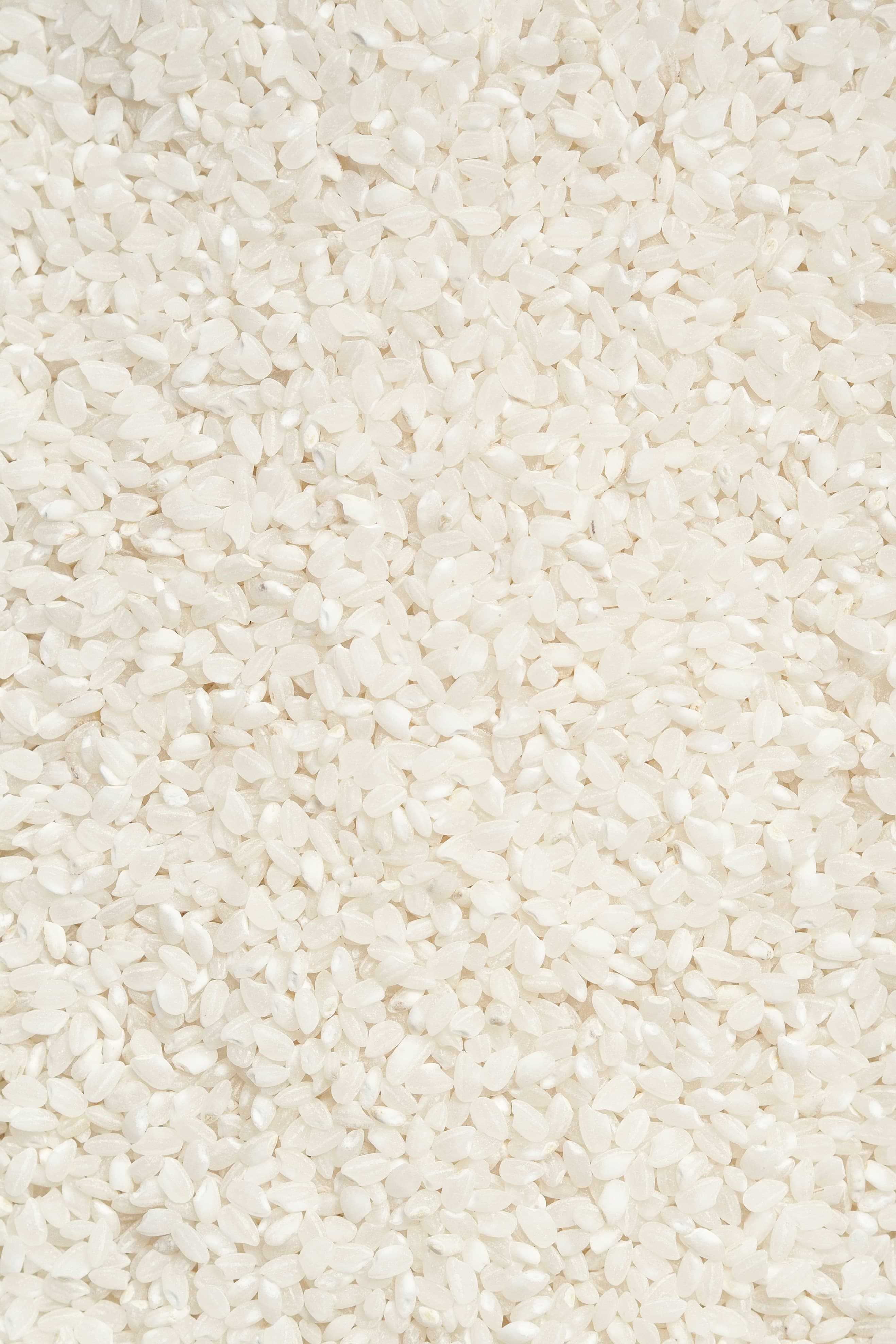
Yes, cats can eat rice, but the real question is whether they should. Cats are obligate carnivores, meaning their diet in the wild consists almost entirely of meat.
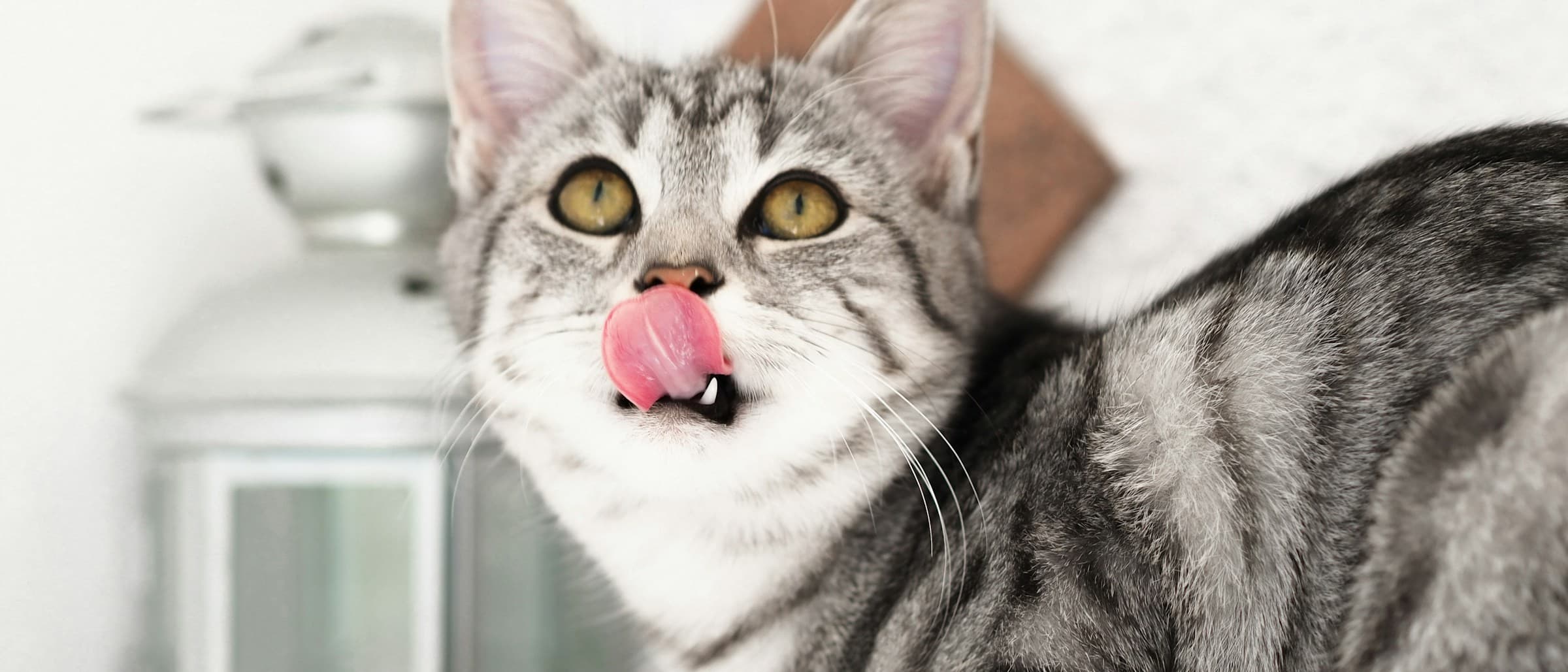
Understanding how long a cat can go without food is crucial for cat owners. A healthy cat can survive about 48 hours without food but may develop some serious conditions if this period extends. Factors like age, health, and hydration levels play significant roles. If your cat stops eating, it may face serious health issues like hepatic lipidosis, emphasizing the need to address any changes in eating habits promptly.

Carrots are one of the human foods you can share with your cat. In this article, we show you the nutritional benefits of feeding your cat carrots.