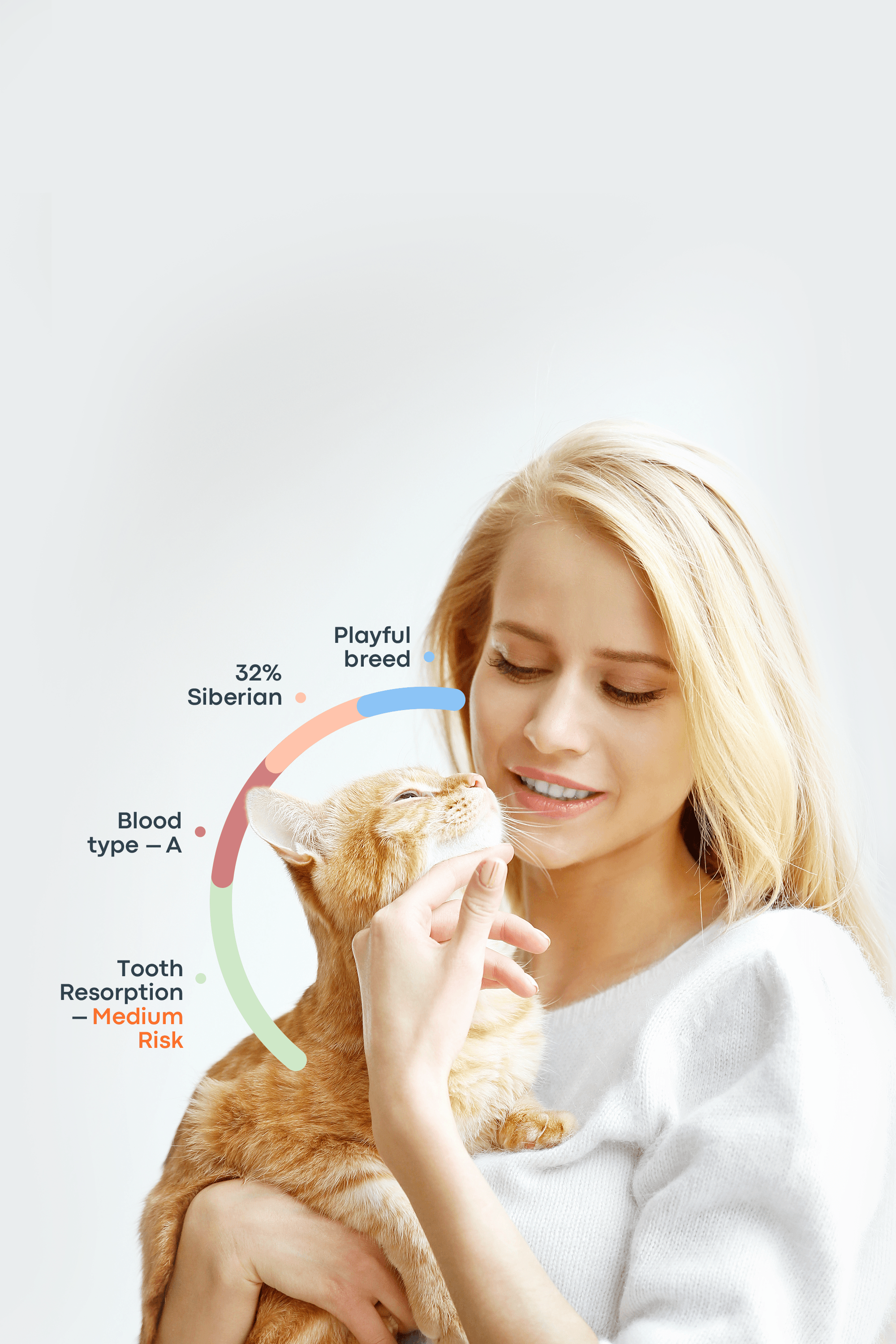
Don't know your cat's breed?
Get our DNA kit!
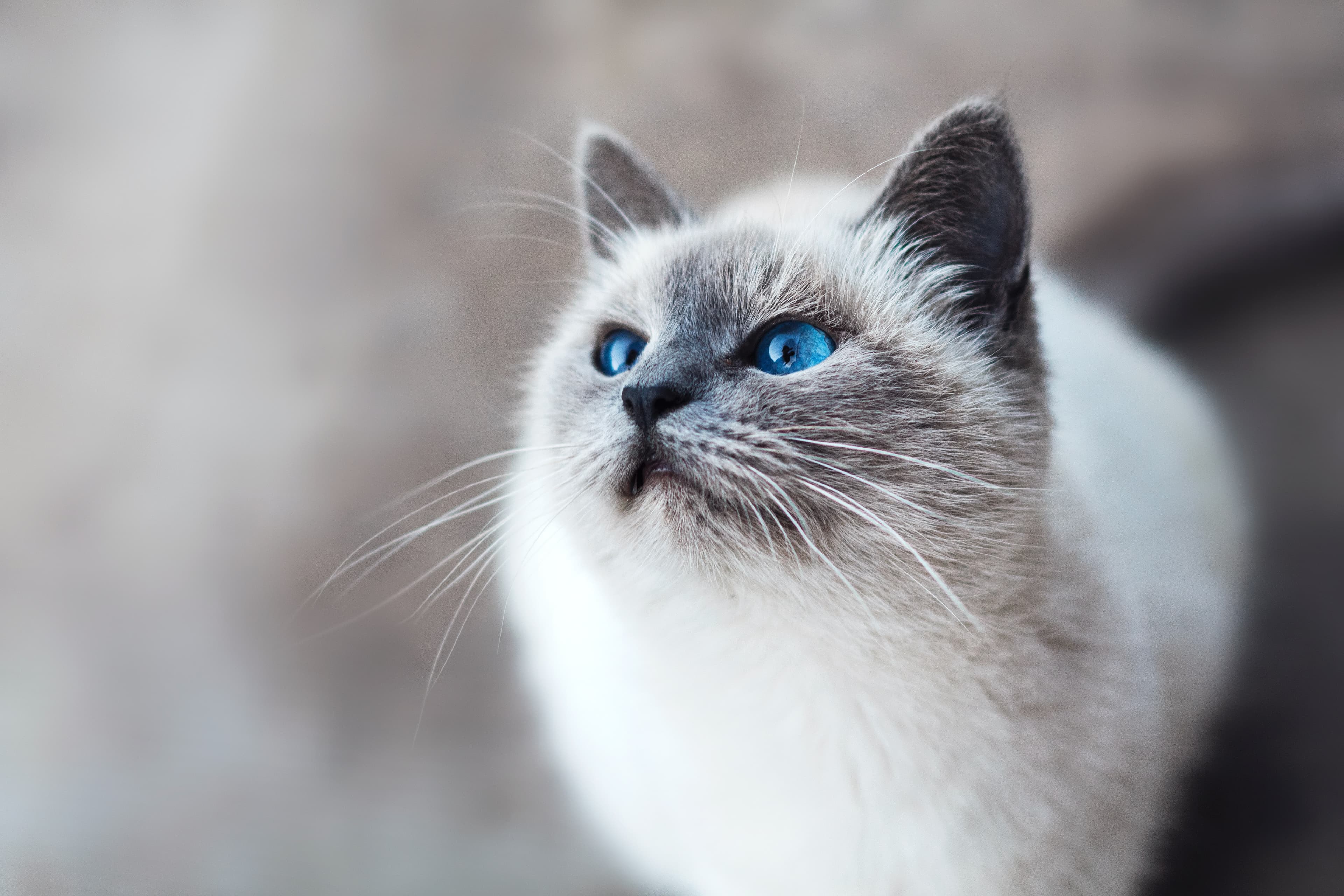
Some time ago it was considered that felines do not really distinguish colors. Scientists back in time thought that cats can only perceive black-and-white gradients.

So, you’ve got in a situation where your cat tends to stare at you a lot, and you're tired of guessing what it means? To communicate with a person, cats often use not only voice and movements but also their eyes.
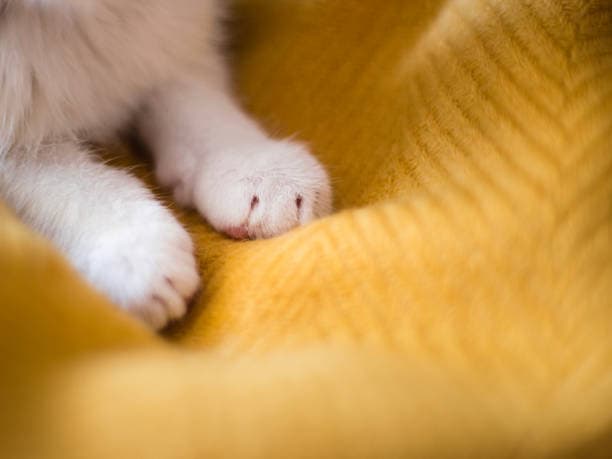
Have you ever wondered why your feline friend pushes its paws against your lap or a soft blanket? It's a behavior known as kneading, and it's a sign of love and affection.
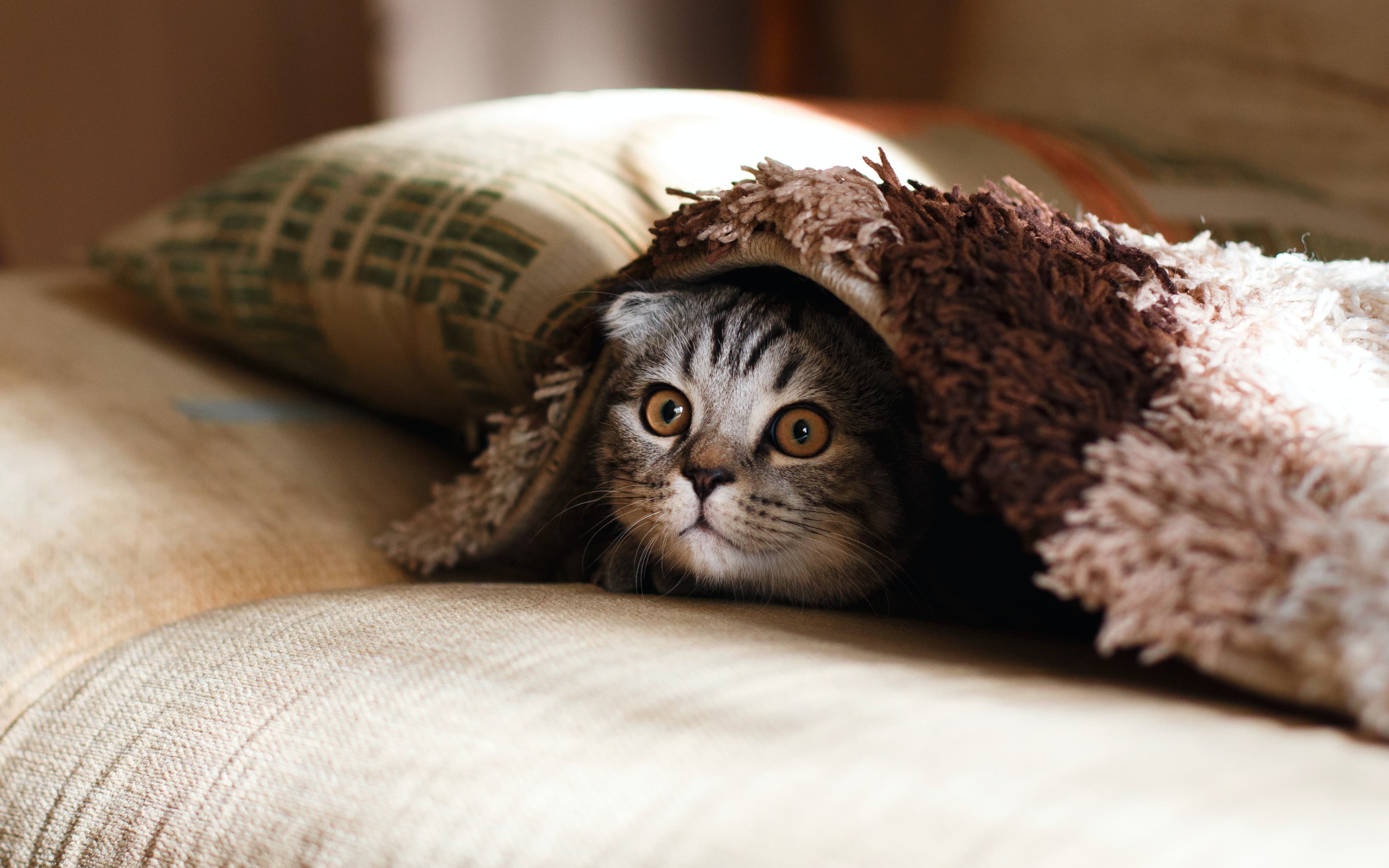
A cat purring is a distinct vibrating sound of varying duration, often in a low pitch, that is generated by vibrations in the range of 20 to 50 hertz (according to Elisabeth von Muggenthaler, a bioacoustic specialist at the Fauna Communication Institute in North Carolina). This mode is pleasant to the human ear, it does not cause anxiety and irritation. This article will help answer two main questions. “Why do cats purr?” and “How do cats purr?”

Discover how much sleep cats need, why they sleep so much, and the impact of their sleeping patterns on their overall health and well-being.

A kitten is born blind and helpless, but in only six months, it becomes an active and agile teenager, a small but well-armed predator with strong instincts that help him avoid dangers and survive in a complex and unpredictable world.
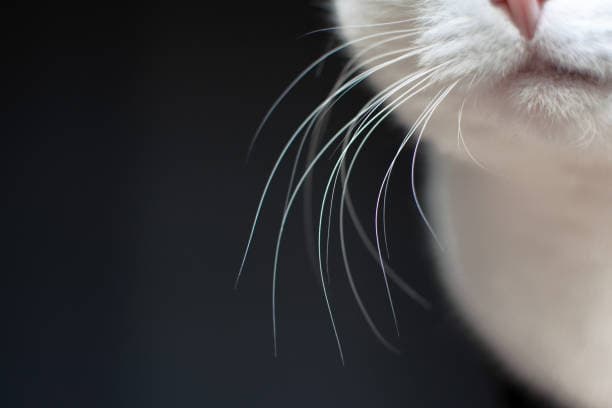
The muzzles of our feline friends, as well as the ones of other animals (rodents, dogs, seals), have long and thick whiskers. Animal whiskers, as they're commonly called, say a lot about their health.
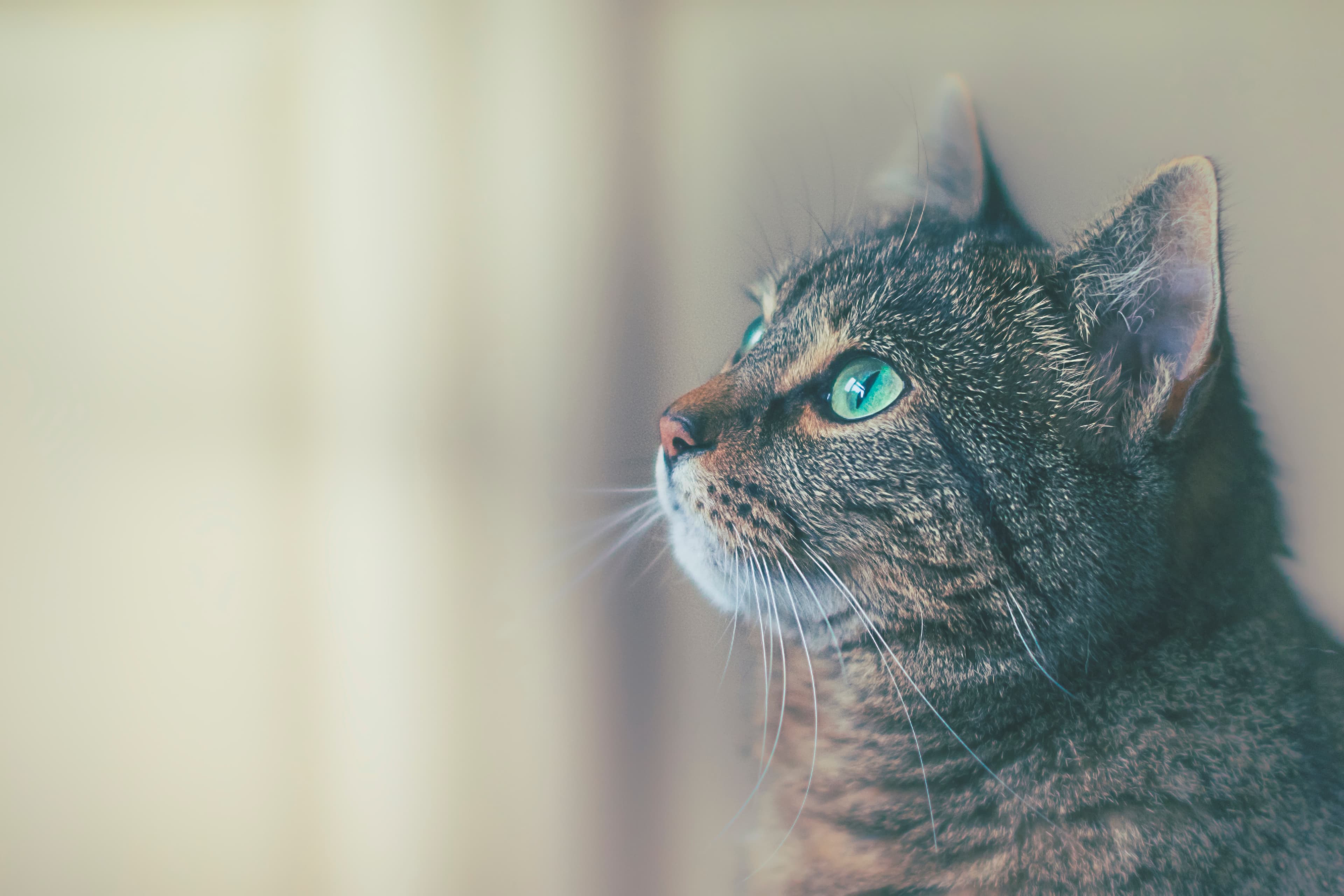
Cats have been with us since time immemorial. The expression of the cat's face is not as expressive as that of a dog, so the owners want to know what their pet is thinking at the moment and whether he is thinking at all.