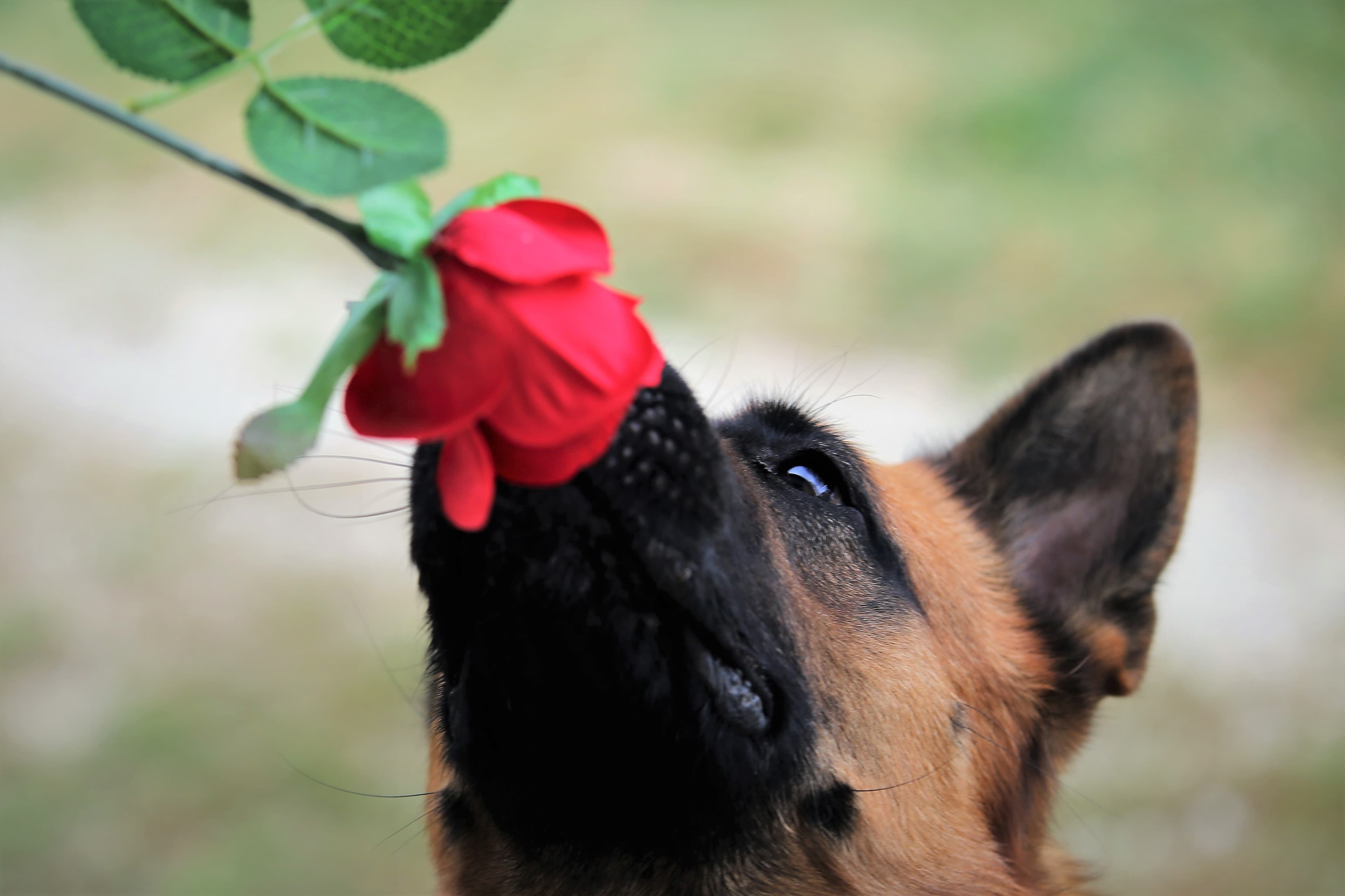

We all love giving our dogs a gentle nose boop. But when your hand comes away slightly damp, it’s natural to wonder, “Why are dogs’ noses wet all the time?” That cool, shiny nose actually serves several important purposes. Nose moisture helps dogs regulate body temperature, trap scent particles more effectively, and gather information about the world around them.
A dry nose isn’t automatically a cause for concern. Nose moisture can change throughout the day depending on factors like sleep, hydration, weather, and activity level. As a dog parent, it’s more helpful to understand what’s normal for your dog rather than focusing on moisture alone. Always look at the bigger picture—appetite, energy level, behavior, and other symptoms usually provide far more insight into their health than the condition of their nose by itself.
Why Are Dogs Noses Wet?

Dogs’ noses are wet because moisture helps them smell better. A damp surface traps tiny scent particles from the air, making it easier for dogs to detect, identify, and track smells in their environment. Because dogs are olfaction-first animals, they rely far more on scent than on sight or sound to understand the world around them.
Dogs also have a specialized structure called the Jacobson’s organ, also known as the vomeronasal organ. This organ allows them to detect chemical signals that regular smell alone can’t pick up. It helps dogs interpret information such as another animal’s emotional state, territorial markings, and reproductive cues.
In addition, dogs have an extraordinary number of scent receptors—tens of millions more than humans—and a much larger portion of their brain is dedicated to processing smells. Their noses also produce mucus, and they often lick their noses to keep them moist, which further improves scent detection. All of these features work together with a wet nose to give dogs the remarkable sniffing ability we admire so much.
How Dogs’ Noses Get Wet
Cause | How It Works |
Mucus Secretion | Nasal glands produce thin mucus; traps scent, cools nose |
Licking the Nose | Cleans nose, spreads fresh mucus, sends scents to Jacobson’s organ |
Environmental Moisture | Moisture from grass, puddles, or water bowls adds wetness |
Cooling & Humidifying Air | Evaporative cooling; humidifies inhaled air for comfort |
Mucus Secretion
The main reason for a dog's wet nose is that their nasal glands constantly produce a thin layer of mucus. This light, watery coating acts like a natural “odor catcher,” helping scent particles stick to the surface of the nose so dogs can detect smells more clearly and accurately.
Nasal mucus also contributes to gentle evaporative cooling. As the moisture slowly dries, it releases a small amount of heat, which helps keep dogs comfortable—especially during mild activity or warm weather. You may also notice dogs licking their noses, which helps spread fresh mucus and maintain the ideal level of moisture.
This steady mucus production is completely normal and healthy. It plays a key role in a dog’s powerful sense of smell and supports how they explore, interpret, and interact with the world through scent.
Licking the Nose
Another reason a dog’s nose often stays wet is frequent licking. Dogs lick their noses to keep them clean, removing dirt, dust, and old mucus so fresh scents can stick more effectively to the surface.
Licking also plays an important role in how dogs process smells. When a dog licks their nose, some of the scent-filled mucus is moved to the roof of their mouth, where the Jacobson’s organ (vomeronasal organ) is located. This specialized organ analyzes chemical signals, allowing dogs to gain more detailed information about other animals, people, and their environment.
In simple terms, licking helps dogs “send” smells for deeper analysis. That’s why it’s completely normal to see dogs lick their noses many times throughout the day.
Environmental Moisture
Sometimes, the answer to “Why are dog noses wet?” is as simple as their surroundings. When dogs sniff grass, water bowls, puddles, or other damp surfaces, moisture can easily transfer onto their noses. This is completely normal and harmless, especially for curious dogs who explore the world nose-first.
That said, it’s important to be mindful of what your dog is sniffing or drinking from. Keep toilet lids closed, as toilet water may contain harmful bacteria or cleaning chemicals. Providing clean, fresh water and maintaining a safe environment helps ensure that everyday nose moisture stays a normal—and healthy—part of your dog’s routine.
Cooling and Humidifying Air
A dog’s moist nose also plays a role in cooling and humidifying the air they breathe. Along with panting and heat release through their paw pads, a slightly wet nose supports gentle heat loss, helping dogs regulate their body temperature.
As air passes over the moist surface of the nose, it becomes slightly humidified. This added moisture helps protect the airways, prevents dryness, and makes breathing more comfortable—especially in dry environments or during mild physical activity. While it’s a small contribution compared to panting, it’s another example of how a wet nose supports a dog’s everyday comfort and respiratory health.
Should a Dog's Nose Be Wet or Dry?

It’s natural to wonder, “Is a dog’s nose supposed to be wet?” The simple answer is that a dog’s nose can be wet or dry, and both can be completely normal. Many dogs naturally have moist noses due to mucus production, frequent licking, and contact with environmental moisture. At the same time, a dry nose doesn’t automatically mean something is wrong.
Some dogs wake up with dry noses after sleeping, while others may have drier noses because of weather changes, indoor heating, low humidity, or mild dehydration. These temporary changes are common and usually harmless.
What matters most is your dog’s overall behavior and well-being. Pay attention to their energy level, appetite, water intake, and body language. If your dog is acting normally—eating well, drinking water, playing, and resting comfortably—a dry nose by itself is not a reason to panic.
If you notice dryness, you can offer fresh water, check indoor humidity, and monitor for improvement. However, if a dry nose is accompanied by other symptoms such as cracking, unusual discharge, fever, lethargy, or loss of appetite, it’s best to consult a veterinarian. A dog’s nose is just one small clue—not the whole story—when it comes to their health.
Dog Wet Nose vs Dry Nose
Feature | Wet Nose | Dry Nose |
Common times | After drinking water, sniffing, humid day | After sleep, near heater or sunny window, low humidity |
Normal? | Yes | Yes, usually |
Significance | Helps with smell detection & cooling | Usually harmless; temporary moisture change |
When to worry | Thick discharge, sores, unusual color | Accompanied by lethargy, fever, loss of appetite |
A dog’s nose naturally shifts between wet and dry throughout the day and may also change with the seasons or indoor humidity levels. After drinking water, actively sniffing, or spending time outdoors on a humid day, a wet nose is completely normal and expected.
A dry nose can be just as normal. Many dogs have drier noses after a nap, when they’ve been resting near a heater or a sunny window, or even briefly after exercise. These short-term changes usually don’t signal a health problem—they’re simply part of how a dog’s body responds to everyday activities and environmental conditions.
When a Dry Nose Can Signal Trouble

Many dog parents wonder, “Should my dog’s nose be wet?” While a dry nose is often normal, it can sometimes indicate a health issue—especially if it occurs alongside other signs of illness.
If your dog appears lethargic, has a reduced appetite, shows discomfort, or exhibits other unusual behaviors, dehydration or fever could be contributing factors. Nasal dryness combined with changes in behavior, energy, or eating habits is a signal to contact your veterinarian. Remember, a dry nose alone usually isn’t cause for concern, but paired with other symptoms, it can provide important clues about your dog’s health.
Is a Wet Nose a Sign of a Healthy Dog?
A wet nose doesn’t automatically mean a dog is healthy, just as a dry nose doesn’t automatically mean they are sick. Some perfectly healthy dogs may have a dry nose at certain times of the day, while a dog with an illness—such as a stomach upset or infection—may still have a cool, damp nose.
What truly matters is your dog’s overall behavior: how they are acting, eating, drinking, and interacting with you. These broader signs provide far more insight into their health than the moisture of their nose alone.
Signs It’s Time to See a Vet

If you’ve been asking, “Why is my dog’s nose so wet?”, it’s usually normal—but there are times when veterinary care may be needed. Watch for the following warning signs:
Abnormal discharge: Thick, yellow or green mucus, blood, or a foul smell.
Skin changes: Cracking, crusts, sores, ulcers, or unusual color changes (beyond normal seasonal variations like “snow nose”).
Systemic signs: Lethargy, fever, reduced appetite, breathing difficulties, repeated sneezing, or pawing at the nose.
For mild cases, you can offer fresh water and increase room humidity to see if your dog improves. If they seem otherwise healthy, observe them for the next 12–24 hours. Contact your veterinarian immediately if any red flags appear—or anytime you feel unsure about your dog’s health.
Key Takeaways for Busy Pet Parents
Here’s a quick summary to help answer the question, “Why do dogs have wet noses?”
Wet noses help dogs smell better and support gentle cooling.
Nose moisture comes from multiple sources: mucus production, licking, and contact with damp surfaces.
Dry noses can be normal, especially after sleep, near heat sources, or in low-humidity environments.
Focus on overall behavior, not just nose moisture, when assessing your dog’s health.
See a veterinarian if you notice unusual discharge, cracks, sores, or other concerning changes.
A dog’s nose is just one piece of the puzzle—observing their energy, appetite, and behavior will give you the clearest picture of their health.
Frequently Asked Questions
What does it mean if my dog has his nose warm but still wet?
A warm yet wet nose is usually normal. It can reflect your dog’s recent activity, the room temperature, or environmental factors. As long as your dog is acting normally, there’s no cause for concern.
Is a healthy dog's nose always wet and cold?
No. Healthy dogs can have noses that are wet or dry, warm or cool. The moisture and temperature of a dog’s nose alone do not reliably indicate health.
What causes a dog's nose to be dry at times?
A dog’s nose can become dry due to sleep, exposure to heat sources, low humidity, or temporary dehydration. These changes are usually normal and short-lived.