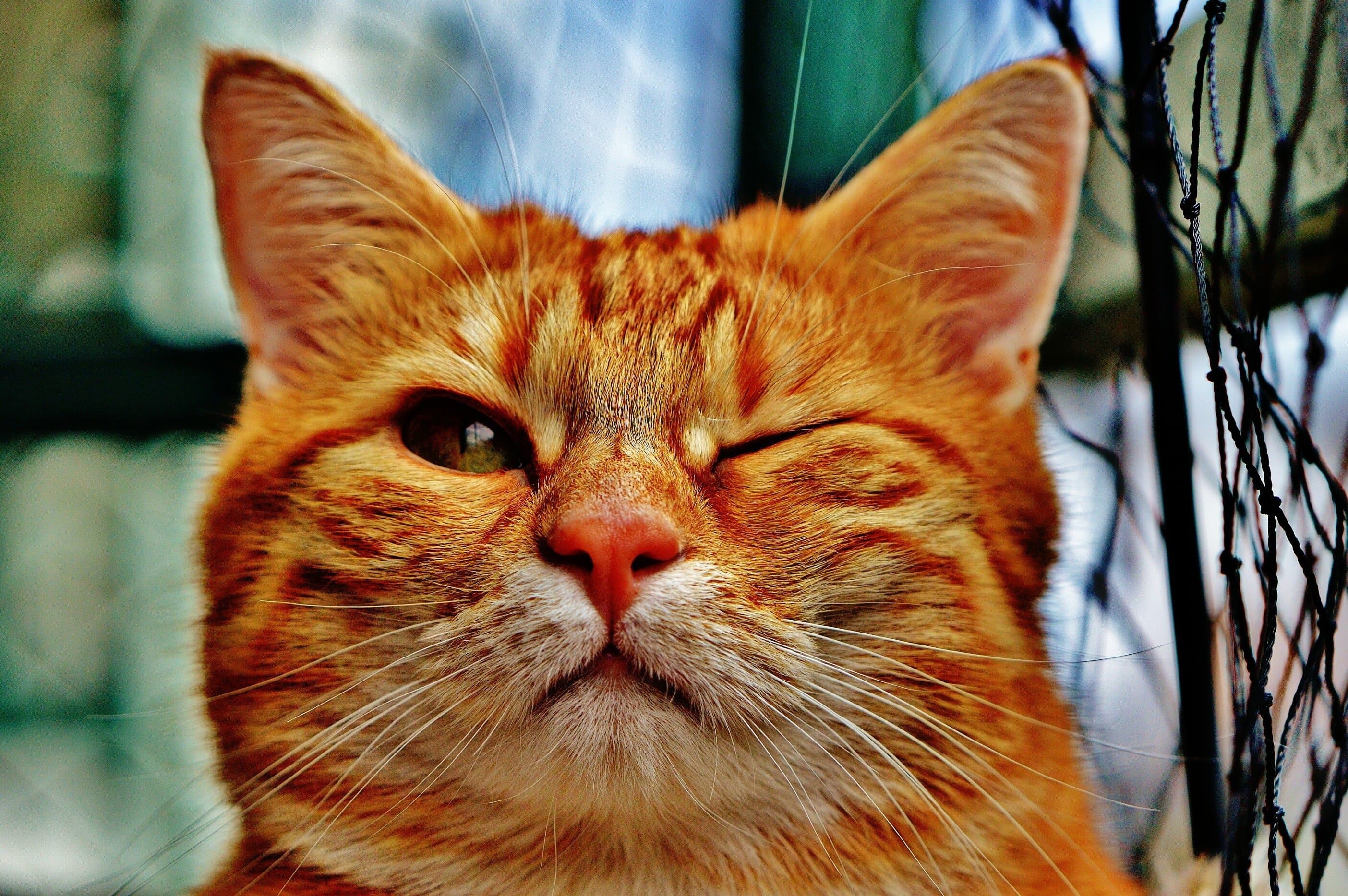
If you have been noticing your cat squinting one eye, it can be unsettling—especially if it seems to come on suddenly. While gentle squinting can sometimes be a sign of relaxation, persistent or frequent squinting in just one eye usually indicates an underlying issue.
This behavior may develop suddenly or progress gradually over several days. If your cat has been squinting for more than a day or two, it could be a sign of pain or discomfort. Causes can range from minor irritations or allergies to infections or even injuries.
Why is my cat squinting one eye? This is an important question! As a cat guardian, you need to distinguish between harmless, casual squinting and signs of a medical issue. Recognizing the difference is key to ensuring your cat gets the care they need to feel better.
Normal Vs. Abnormal Squinting in Cats
Aspect | Normal Squinting | Abnormal Squinting |
Eye appearance | Bright, clear, no discharge | Red, cloudy with discharge, or swelling |
Frequency | Occasional, brief | Frequent, constant |
Both or one eye | Often both eyes, during relaxation | Often, one eye only indicates injury, pain, or discomfort |
Body language | Relaxed, purring, blinking slowly, calm, playful, eating normally | Pawing at the eyes or face, appearing distressed or uncomfortable, mewing, hiding, refusing food |
Context | While resting, when relaxed, when playing with other cats or the owner, or in bright light | Comes out of nowhere and persists |
Discharge/tearing | None or minimal | Yellow, green, or reddish-brown discharge, excess tearing |
Frequency | Occasional or brief | Constant or frequent |
Duration | A few seconds or a couple of minutes | Lasts for hours, worsens as the condition progresses |
Other symptoms | None present. The cat is normal, playing and eating normally | Lethargic behavior, hiding, not playing, appears uncomfortable or in pain |
Need for vet visit? | Not necessary unless other symptoms arise | Yes |
Common Medical Causes of a Cat's One-Eye Squinting
Eye Infections and Inflammation
One of the most common reasons your cat may be squinting one eye is an eye infection.
Conjunctivitis – Also known as pink eye, conjunctivitis is the most frequent cause of squinting in cats. It’s typically caused by bacteria, though viruses can trigger it as well.
Feline Herpesvirus (FHV-1) – This virus is a common cause of recurring eye infections, especially in young kittens or cats experiencing stress. If your cat’s eye appears red, swollen, or produces watery or sticky discharge, FHV-1 could be the culprit.
Other Conditions – Inflammatory conditions such as uveitis (inflammation inside the eye) and blepharitis (inflammation of the eyelids) can also lead to squinting, irritation, and discomfort. These issues often indicate underlying pain that requires veterinary attention.
In multi-cat households, it’s important to note that some infections—particularly conjunctivitis caused by bacteria or viruses—can be highly contagious and spread easily between cats.
Eye Injuries and Physical Trauma
Another common reason your cat may be squinting one eye is physical trauma. Even something as minor as brushing against a bush, getting dust or litter in the eye, or a playful swat from another cat can cause irritation or injury. Tiny particles like seeds or grit can scratch the sensitive surface of the eye, leading to corneal ulcers or abrasions.
More serious causes include accidents, scratches from other animals, or medical conditions like entropion, where the eyelid rolls inward and causes the eyelashes to rub against the eye. These issues can cause significant discomfort, prompting your cat to squint, tear up, or show signs of redness.
It’s important to know that even seemingly minor injuries can escalate quickly. For instance, an untreated corneal ulcer may worsen and potentially lead to vision loss. Similarly, a foreign object—like a piece of grass or debris—can become lodged under the eyelid, causing persistent pain and irritation. If your cat shows any signs of eye injury, a prompt visit to the vet is essential.
Eyelid and Tear Duct Issues
Eyelid and tear duct problems are another potential reason your cat may be squinting one eye. For example, entropion—a condition where the eyelid rolls inward—causes the eyelashes to constantly rub against the surface of the eye. This leads to irritation, discomfort, squinting, redness, and excessive tearing.
Blocked tear ducts or abnormal tear production can also trigger squinting. When tear ducts don’t drain properly, you might notice constant tearing, wetness under the eye, or crusty buildup around the eye area. This persistent moisture can irritate the surrounding skin and even lead to infection.
Certain breeds, particularly flat-faced cats like Persians and Himalayans, are more prone to congenital eye issues due to their facial structure. Additionally, blepharitis—inflammation of the eyelids—can cause soreness, itching, and lead to squinting or frequent pawing at the face.
These conditions often result in ongoing discomfort and should be evaluated by a veterinarian to prevent long-term eye damage.

Allergic and Environmental Irritants
Cats that are sensitive to environmental allergens may squint frequently, especially in one eye. Common irritants like smoke, household cleaners, dust, and pollen can cause eye redness, watering, and discomfort. In allergic cats, squinting is often accompanied by other symptoms such as sneezing, respiratory issues, or skin problems like itching and hair loss.
For some cats, allergies may be seasonal, flaring up during spring or summer when pollen levels are high. Others may experience year-round symptoms triggered by dust mites, mold, cleaning agents, or even certain foods. Along with squinting, you may notice signs like wheezing, vomiting, changes in stool, or fur loss.
It’s important never to use human antihistamines or eye drops on your cat, even if their eyes appear irritated. Instead, aim to keep your cat’s environment as clean and allergen-free as possible. If allergy symptoms persist, consult your veterinarian for safe and effective treatment tailored to your cat’s specific needs.
Systemic Illnesses That Affect the Eyes
Several other systemic health issues could affect a cat’s eyes. Primary among these are diabetes and hypertension, and both can adversely impact your cat’s eye health. Hypertension or high blood pressure can result in damage to the blood vessels in the eyes. This is called hypertensive retinopathy, and one of its symptoms is eye squinting. Never ignore this condition, as it could result in partial or complete blindness.
Uncontrolled diabetes can result in cataracts or hardening of the eye’s lens. It can also change the retina’s blood vessels. The affected cat might squint or paw at their face. Over time, they could suffer from partial or complete vision loss.
In cats with poor immunity, toxoplasmosis is another health issue that can cause eye problems. The main symptoms of this condition are fever, lethargy, and lack of appetite, although some cats may also have uveitis or inflammation of the eye uvea. Affected cats squint in bright light or show a lack of coordination due to partial or complete blindness.
While these causes of eye squinting are not as common, it is important that you see your vet immediately, especially if the eye squinting is accompanied by behavioral changes, appetite issues, sudden or unexplained weight loss, etc.
Tumors or Growths Near the Eye
Tumors or abnormal growths near or within the eye can also cause squinting in cats. While this is a relatively rare or lesser-known cause, it’s more commonly seen in older cats. A tumor may press against the eyeball or distort the shape of the eyelid, leading to discomfort and visible squinting.
Cats with eye tumors may also show other signs, such as persistent eye discharge, excessive tearing, pawing at the eye, or even bumping into objects due to impaired vision.
Although ocular tumors are not among the most common causes of squinting, chronic or unexplained symptoms should never be ignored. A thorough veterinary exam—possibly including imaging—is essential to determine the cause and prevent further complications.
Cat Squinting One Eye No Other Symptoms
If a cat squinting one eye but otherwise seems healthy—eating, playing, and behaving normally, with no redness, discharge, or swelling—there’s usually no need for immediate concern. Minor irritants such as dust, fur, wind exposure, or mild allergies can cause temporary squinting that often resolves on its own.
Monitor your cat closely over the next 24 to 48 hours. If the squinting remains mild and no additional symptoms appear, simply observing your cat may be sufficient. However, if the squinting worsens, persists beyond a couple of days, or is accompanied by signs like redness, discharge, pawing at the eye, or changes in appetite or energy, it’s time to contact your vet.
Prompt veterinary attention can help prevent a minor issue from developing into a more serious condition.
Cat Squinting One Eye No Discharge
Sometimes, cats may squint one eye without any visible discharge. This “dry squinting” typically involves your cat blinking repeatedly or holding one eye partially or fully closed, without any signs of goop, crusting, or excessive tearing. Mild eye infections, small corneal ulcers, or a foreign object like dust or a tiny hair can all lead to this kind of squinting.
It is important for cat owners to remember that just because there is no discharge does not mean there is no problem. The absence of obvious symptoms can still hide underlying discomfort or irritation.
Monitor your cat carefully when trying to decipher the “cat squinting eyes” meaning. If the squinting continues for more than 36 hours, or if new symptoms like redness, swelling, or behavioral changes appear, it is best to consult your vet.

Why Do Cats Squint Their Eyes When Looking at You?
Slow blinking and gentle cat one-eye squinting are sometimes a form of emotional communication in cats. Your cat uses their eyes not only to observe the world but also to express trust, affection, and contentment—both toward other cats and toward you.
During calm moments or playtime, your cat might slowly blink or gently squint at you as a way of saying, “I feel safe with you.” This is often referred to as a “cat kiss”—a silent, loving gesture where your cat expresses affection through their eyes rather than their paws, tongue, or whiskers.
You’ll often notice that this kind of squinting is accompanied by a relaxed, open body posture. It’s very different from the tense or protective stance seen in cats experiencing discomfort or pain.
Tip: When your cat slow-blinks at you, try slow-blinking back. This small but meaningful gesture can strengthen your bond and become a comforting, affectionate ritual between you and your feline friend.
Questions Your Vet May Ask During the Exam
If your cat’s squinting seems related to a medical issue, it’s important to schedule a vet visit promptly to prevent complications and ease your cat’s discomfort. To help your veterinarian diagnose the problem accurately, preparing some key information before the appointment can be very useful. Consider noting the following details:
When did the squinting start?
Try to recall the exact day or period when the behavior began.
Has this happened before?
If yes, when did it occur, how long did it last, and what treatments or home care helped at that time?
Is your cat otherwise acting normally?
Observe whether your cat is eating, playing, grooming, and sleeping as usual.
Have there been any recent changes at home?
This might include new pets or a baby, new plants, different household cleaners or aromatherapy oils, changes in food or litter, or any other environmental factors that could affect your cat.
Can you provide visual evidence?
If possible, take clear photos or short videos of your cat squinting. Cats often behave differently at the vet’s office, so visual documentation from home can help your veterinarian better understand the issue.
Conclusion
If your cat is squinting one eye, it might be as harmless as a gentle “cat kiss” or irritation from dust or allergens. However, persistent “cat closing one eye” behavior can sometimes indicate a more serious underlying issue that requires veterinary care. Trust your instincts—if something feels off, it’s always best to have your cat evaluated by a professional.
We hope this guide has helped you understand the possible causes of your cat’s one-eye squinting and the appropriate steps to take. With a little vigilance, you can help keep your feline friend comfortable, healthy, and happy.
Frequently Asked Questions
What’s going on if my kitten squints one eye in the morning and then, a couple of days later, starts squinting the other eye?
In most cases, allergens cause a kitten squinting one eye one day and the other eye the next day. This type of squinting is often accompanied by eye crusting or a bit of discharge. If the situation persists, please, see a vet.
What does it mean if a cat can barely open one of its eyes and it is not injured?
If there’s no obvious injury, your cat might be experiencing a mild eye infection, irritation caused by a foreign object (like dust or debris), or an underlying health condition affecting the eye. Even if the cause seems minor, it’s important to have your cat examined by a veterinarian promptly to prevent potential complications, including vision loss.
Reference List
https://www.petmd.com/cat/conditions/eyes/c_ct_congenital_eye_defects
https://veterinaryvisioncenter.com/hypertensive-retinopathy-in-dogs-and-cats/
https://beyondpets.com/pet-health-plus/eye-infections-in-cats/
https://www.petmd.com/cat/conditions/eyes/c_ct_conjunctivitis
https://vcahospitals.com/know-your-pet/corneal-ulcers-in-cats