Is this breed part of your cat’s ancestry?
Discover your cat's connection to this breed and 20 others

Discover your cat's connection to this breed and 20 others
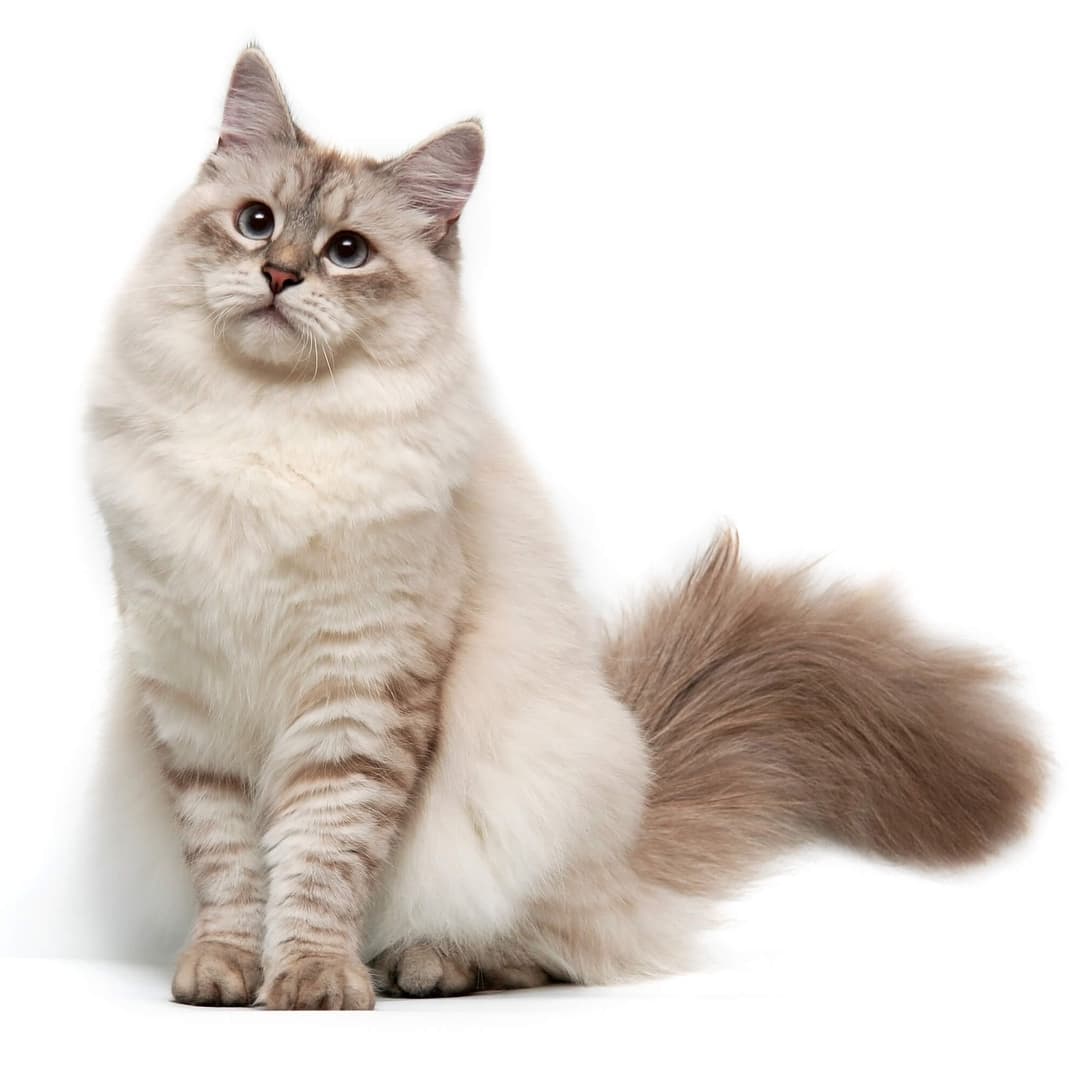
The Siberian cat is an ancient natural breed from Russia, developed to thrive in harsh northern climates. Medium to large in size, this sturdy forest cat is known for its dense, water-resistant triple coat, strong build, and excellent cold-weather resilience. Siberian cat temperament is affectionate, social, and playful. They form strong bonds with their people and often display dog-like traits, such as loyalty and following family members from room to room. Intelligent and adaptable, they do well in active households, including families, singles, and multi-pet homes that can provide regular interaction and playtime.
The Russian Siberian cat is an ancient, natural, landrace breed, meaning they developed through natural adaptation rather than human-controlled breeding. Built for harsh winters, they evolved strength, agility, and their well-known triple coat over centuries. Cats resembling the Siberian appear in Russian stories and records dating back to around 1000 AD. In the late 19th century, Harrison Weir described Russian longhaired cats in his 1889 book ‘Our Cats and All About Them’, helping introduce the breed to Europe.
Once prized as hardy mousers in forests, farms, and homes, Siberian cats gradually became valued household companions in Russia. Today, the breed is recognized by The International Cat Association (TICA).
Siberian cats are often described as hypoallergenic because they may produce lower levels of the Fel d 1 allergen compared to other breeds. Some allergy sufferers report fewer reactions, but sensitivity varies. Even small amounts of Fel d 1 can still trigger symptoms in susceptible individuals.
Disclaimer: The term "hypoallergenic" refers to cat breeds that are less likely to trigger allergic reactions, not breeds that are completely allergy-free. These cats may shed less, have hair instead of fur, or produce lower levels of dander—all factors that can reduce, but not eliminate, allergic responses in sensitive individuals.
The Siberian cat breed has a strong, athletic build with a sturdy body, rounded features, and a thick, weather-resistant coat. They look powerful yet agile, with an alert expression and smooth, graceful movement.
Siberian Cat Size
Weighs 8–17+ lbs (3.6–7.7+ kg)
Stands 9–11 in (23–28 cm) tall
The Siberian has a luxurious triple coat adapted for cold climates. It includes a soft, dense undercoat for insulation, a thicker middle layer for warmth, and longer guard hairs that help repel moisture and protect against harsh weather. The coat is naturally water-resistant and, despite its fullness, tends to mat less than many other longhaired breeds with regular grooming.
Beyond the coat, they have a rounded face with expressive eyes, large paws often tipped with tufts of fur, and strong hind legs that are slightly longer than the front legs. These features give them excellent balance, strength, and surprising agility.
Siberian cats come in nearly every color and pattern. All colors are accepted, including tabby varieties, colorpoint patterns, and the striking white Siberian cat. The elegant black Siberian cat is also quite popular.
Caring for a Siberian Forest cat is rewarding, but they do best with regular attention and an engaging home environment. They are social cats that enjoy daily interaction and often like to be involved in whatever their people are doing. They benefit from cat trees, climbing shelves, puzzle toys, and other enrichment that keeps them active and mentally stimulated. Intelligent and curious, they usually respond well to positive reinforcement training.
Many can learn fun behaviors such as fetch, simple commands, or even leash walking with patience. Their thick coat requires regular brushing, especially during seasonal shedding periods when loose fur increases. Despite its full appearance, the coat is often easier to maintain than other longhaired breeds because it naturally resists matting.
Siberian cats are generally considered a hardy and resilient breed with a strong natural background. They are often healthy overall, though they can still be prone to certain inherited or common feline health issues such as:
Hypertrophic Cardiomyopathy
Feline hypertrophic cardiomyopathy (HCM) is a heart condition that causes the heart muscle to thicken, making it harder for the heart to pump effectively. Some cats show no early signs, while others may develop rapid breathing, fatigue, weakness, or fainting. Siberian cats can be affected, so regular veterinary checkups and heart screening from responsible breeders are important. While there is no cure, treatment can help manage symptoms and support quality of life.
Polycystic Kidney Disease
Polycystic kidney disease (PKD) is a genetic condition where fluid-filled cysts form in the kidneys over time. It is less common in Siberian cats than in some other breeds, but it can still occur. Routine screening and veterinary care can help with early detection and monitoring.
Pyruvate Kinase Deficiency
Pyruvate kinase deficiency is an inherited blood disorder that can lead to anemia. Symptoms may include low energy, weakness, pale gums, and reduced stamina. There is no cure, but supportive veterinary care can help manage the condition and maintain comfort.
Feline Lower Urinary Tract Disease
Feline lower urinary tract disease (FLUTD) can affect Siberian cats, although they are not considered highly predisposed. Signs may include straining to urinate, frequent litter box visits, blood in the urine, or urinating outside the box. Treatment depends on the underlying cause and may involve dietary adjustments, increased hydration, medication, and timely veterinary care.
Dental Issues
Dental problems, including gum disease, can develop in Siberian cats, especially with age. Signs may include bad breath, red or swollen gums, drooling, or difficulty eating. Consistent dental care and regular veterinary checkups can help prevent and manage these issues.
Provide a Siberian cat with a complete and balanced diet that meets Association of American Feed Control Officials (AAFCO) guidelines. Choose high-quality wet and dry foods formulated to deliver the right nutrients for overall health.
Because this is an active, muscular breed, they benefit from protein-rich meals that help maintain energy levels and support lean muscle. Including wet food in their diet is especially useful, as it adds extra moisture, helping with hydration and supporting kidney and urinary health over time.
Caloric needs in a Siberian cat can vary based on life stage, activity level, metabolism, and overall health, especially since the breed may be prone to conditions like hypertrophic cardiomyopathy (HCM) and weight-related issues. Because of this, it is best to consult a veterinarian to determine the appropriate daily feeding amount and diet. A vet can provide personalized guidance to support heart health, maintain a healthy weight, and promote long-term well-being.
Choose high-quality cat food with real animal protein as the main ingredient
Feed measured portions to help maintain a healthy weight
Include wet food regularly to support hydration and kidney health
Provide fresh, clean water at all times
Adjust portions based on age, activity level, and body condition
Limit treats and offer them in moderation
Transition to new foods gradually to avoid digestive upset
Consult a veterinarian about diet changes or special nutritional needs
Siberian cats are affectionate, loyal, and highly social companions that enjoy staying close to their families. Common Siberian cat traits include a dog-like tendency to greet their people at the door and follow them from room to room. They balance independence with warmth, feeling comfortable on their own but also actively seeking attention and play. Their gentle, adaptable nature, combined with patience and curiosity, often makes them a great fit for families with children and other pets.
The Siberian is curious, intelligent, and thrives in an environment that offers plenty to explore. They enjoy climbing, jumping, and investigating high shelves, windows, and tucked-away corners of the home. Without enough playtime and mental stimulation, boredom can lead to scratching, mischief, or other unwanted behaviors. They are typically moderately vocal, often communicating through soft, gentle sounds while staying closely engaged with their people.
The main Siberian cat characteristics include charm, intelligence, and playful energy. Try these activities to keep them engaged and active:
Cat Trees and Vertical Spaces: Set up tall cat trees, shelves, and other elevated areas to encourage climbing, jumping, and exploration
Puzzle Toys and Feeders: Offer puzzle toys and interactive feeders to challenge their smart, curious minds and provide mental stimulation
Wand Toys: Use wand toys for active play sessions that satisfy their natural hunting instincts and keep them physically engaged
Fetch-Style Games: Try fetch-style games, as many Siberian cats enjoy chasing and bringing toys back
Window Perches: Add window perches so they can watch birds, people, and outdoor activity, which helps prevent boredom
Catio or Outdoor Space: Provide a secure catio or enclosed outdoor area for fresh air and safe exploration
Regular checks help identify dryness, flakes, or irritation on a Siberian’s skin. Skin problems are uncommon in this breed, but early changes are still important to note. Signs such as persistent itching, redness, or hair loss may indicate an underlying issue. Ongoing or worsening symptoms typically require veterinary evaluation.
Brush your Siberian kitten 2–3 times per week to keep their coat clean and healthy. Increase grooming during seasonal shedding periods when loose fur becomes more noticeable. Their coat naturally resists matting, but regular brushing still helps prevent tangles. Consistent care also keeps the coat soft, shiny, and in good condition.
A soft, damp cloth can be used to gently clean away any eye discharge. This helps keep the area clear and reduces buildup around the eyes. Redness, swelling, or irritation may signal a problem that needs attention. Persistent or worsening signs are usually assessed by a veterinarian.
Check your cat’s ears weekly for dirt, odor, or wax buildup. Clean them gently only when needed to avoid irritation. Always use a veterinarian-approved ear cleaner for safety. Contact a vet if you notice strong odor, redness, or excessive debris.
Nails can become sharp or overgrown, sometimes making a clicking sound on hard surfaces. Gently pressing the paw reveals the nail tips and helps determine when trimming is needed. Only the very tip of the nail should be trimmed to avoid the sensitive quick. Scratching posts or pads support natural nail wear and help maintain healthy scratching behavior.
Brush your Siberian’s teeth several times a week to help prevent plaque buildup. Use only toothpaste made specifically for cats, as human toothpaste is unsafe. Dental treats can be offered as a supplement but should not replace brushing. Regular dental care helps support healthy gums and overall wellbeing.
Living Space: Apartment-friendly with space to play, but also suits larger homes.
Activity Needs: Moderate to high.
Grooming: Weekly brushing, more during shedding. Moderate care.
Temperament: Affectionate, loyal, intelligent, playful, dog-like.
Best For: First-time owners, individuals, and families.
Many owners appreciate the Siberian cat personality, which combines intelligence with a friendly, social nature. They tend to form close bonds and prefer regular companionship rather than long periods alone. These cats are curious and engaged, often enjoying interactive play and staying involved in daily household activities. A stimulating environment helps them stay content and well-balanced.
Adoption is often the most meaningful way to welcome a Siberian into your home, giving a cat the chance for a safe and loving life. Fees typically range from $100 to $200, while breeder prices can reach $1,200 to $3,000 or more. Planning for ongoing costs like quality food, grooming, and veterinary care helps ensure your cat is supported and well cared for from the very beginning.
Their coat is relatively easy to manage but still requires consistent brushing, especially during shedding seasons. For safety, Siberian cats are best kept primarily indoors, with secure options like a catio providing fresh air and enrichment.
How big does a Siberian Cat get?
Siberian cats are medium to large, typically weighing 8–17+ pounds (3.6–7.7+ kg) and standing around 9–11 inches (23–28 cm) tall.
Are Siberian Cats hypoallergenic?
No cat is completely hypoallergenic. However, Siberian cats may produce lower levels of the Fel d 1 allergen, so some people with allergies find them easier to tolerate.
How long do Siberian cats live?
Most Siberian cats live between 12 and 18 years, with some reaching their late teens when well cared for.
How much do Siberian cats cost?
From breeders, Siberian cats usually cost about $1,200–$3,000 or more. Adoption is often more affordable, typically ranging from $100 to $200, while also giving a cat a home.
What is the difference between Siberian cats vs. Neva Masquerades?
Neva Masquerades are generally considered a colorpoint variety of the Siberian cat. They have blue eyes and darker point markings, while other Siberian cats come in a wide range of colors and patterns. Their size, temperament, and care needs are very similar.
Are Siberian cats high maintenance?
Siberian cats are moderately high maintenance. They need regular grooming, consistent interaction, and daily play, although their coat is often easier to care for than that of many other longhaired breeds.
https://www.petmd.com/cat/general-health/hypoallergenic-cat-breeds
https://panacea-vet.com/en/blog/feline-polycystic-kidney-disease-pkd-cats/
https://www.petmd.com/cat/conditions/urinary/feline_idiopathic_lower_urinary_tract_disease
https://www.aafco.org/consumers/understanding-pet-food/ingredient-standards/
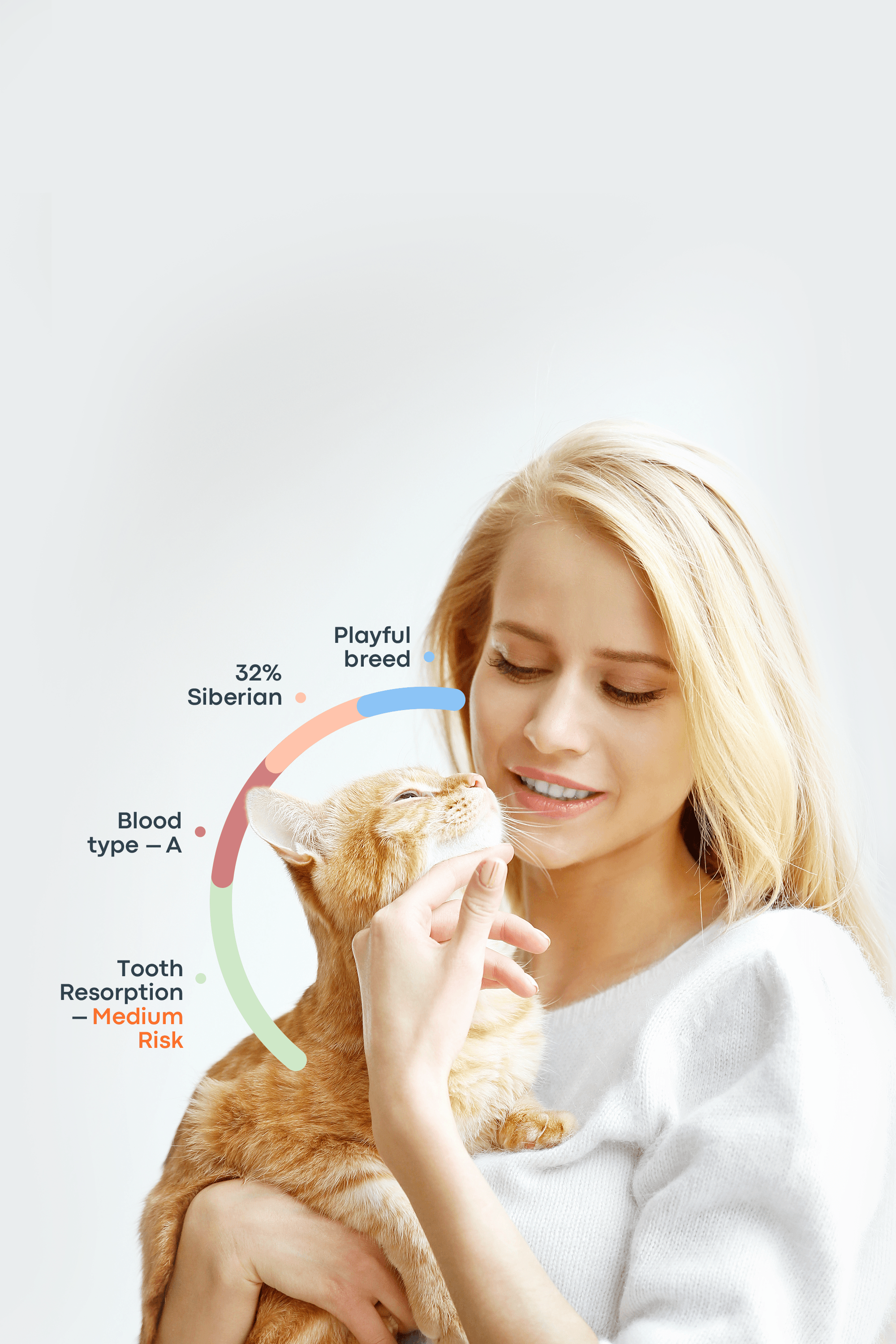
Recommended by top vets with decades of experience
21 breeds
64 genetic health markers
50 genetic trait markers

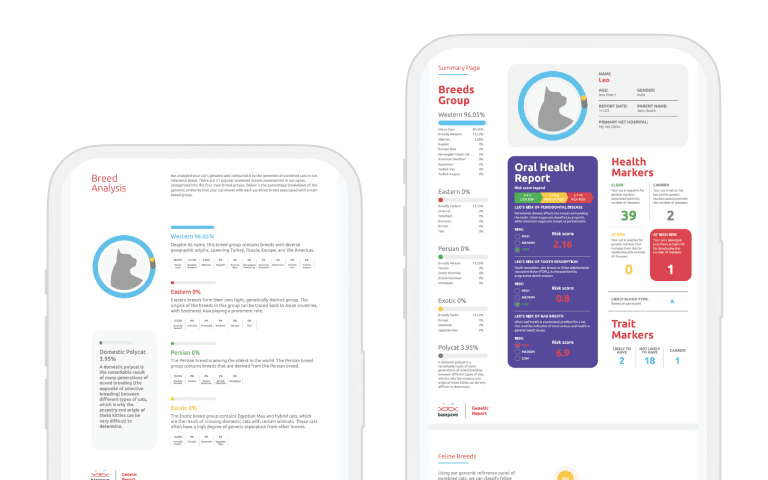
Enter your email to receive a sample cat report and preview the breed and health insights inside.