Is this breed part of your dog’s ancestry?
Discover your dog's connection to this breed and 200+ others



Discover your dog's connection to this breed and 200+ others
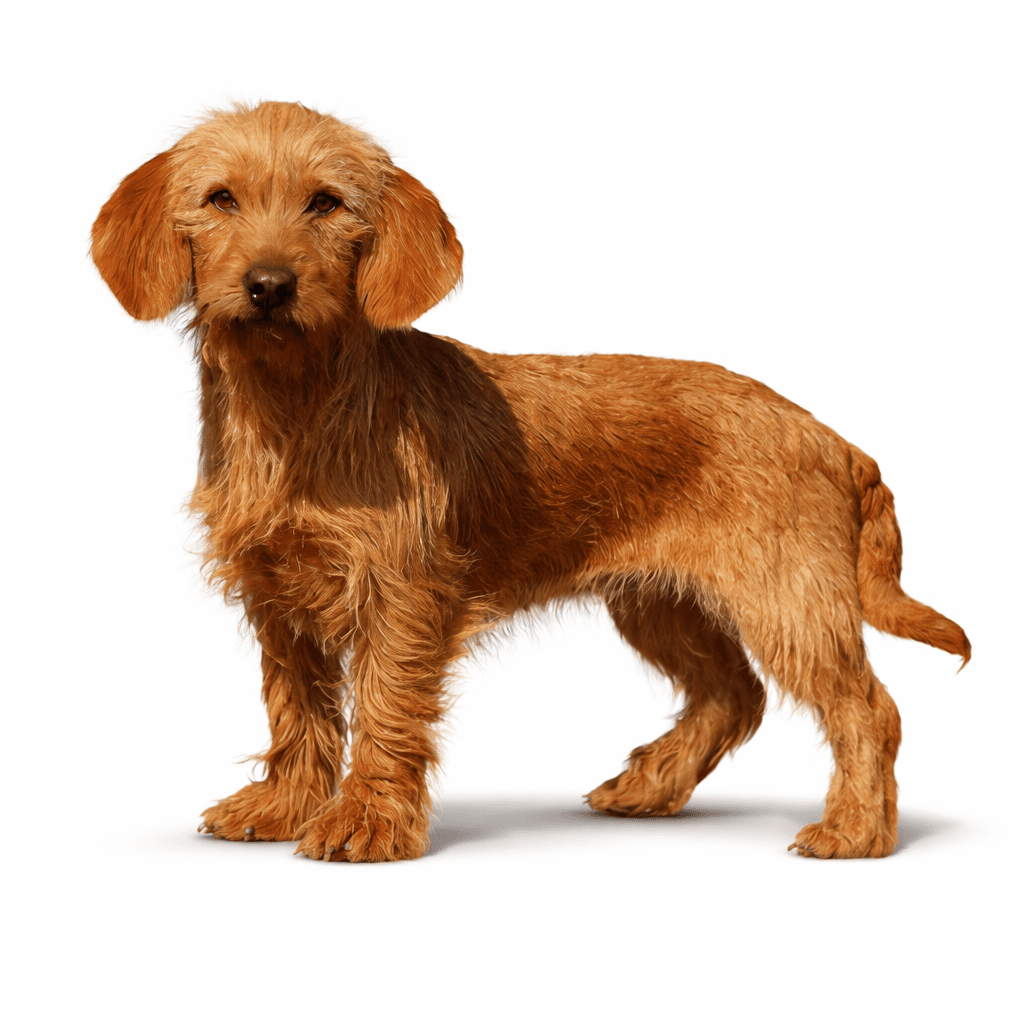
The Basset Fauve de Bretagne is a purebred scent hound breed that originated in France. They descend from the now-extinct Grand Fauve de Bretagne, a larger hunting dog that helped shape the smaller, more agile breed seen today. Developed in the Brittany region, these dogs were bred specifically for hunting in dense, rugged terrain where endurance and a sharp nose were essential. Breeders aimed to create a compact yet sturdy hound with strong tracking instincts, determination, and plenty of stamina. The Basset Fauve de Bretagne proved highly effective at tracking and flushing small game like rabbits, but they were also capable of following larger animals such as deer and wild boar. Today, they are appreciated not only for their hunting skills but also for their friendly, energetic nature, making them suitable companions for active households that can meet their exercise needs.
As mentioned earlier, the Basset Fauve de Bretagne breed originates from Brittany, France. They were developed from the now-extinct Grand Fauve de Bretagne, a much larger hunting dog. After the French Revolution, hunting practices changed, and hunters on foot needed a shorter-legged hound that could move easily through dense brush and flush game from burrows. This shift led to the creation of a more compact, agile dog that could work efficiently in challenging terrain.
Over time, the breed gained popularity throughout France for their reliability and strong hunting instincts. They are also known by several other names, including Fauve de Bretagne, Basset Fauve, and Fawn Brittany Basset. They were introduced to the United States in the early 2000s, with important imports around 2001 led by breeders such as Cindy Hartman. The American Kennel Club (AKC) added the breed to its Foundation Stock Service in 2015, and they received full recognition in January 2026, marking an important milestone in the breed’s development and global presence. Today, they remain relatively rare outside of Europe but are steadily gaining attention among hunting enthusiasts and active dog owners. Their versatility, friendly nature, and manageable size make them appealing as both working dogs and family companions.
Basset Fauve is a small to medium scent hound with a sturdy, slightly elongated body, strong legs, and a rough, dense coat. Their fawn coloring, alert eyes, high-set, curved tail, low-set ears, and scruffy facial features give them a lively, rustic appearance that reflects their working background.
Basset Fauve de Bretagne Size
Weighs 25–40 lb (11.3–18 kg)
Stands 12–15 in (30.5–38 cm) tall
Basset Fauve de Bretagne has a harsh, wiry coat that lies flat and should never appear woolly or overly long. Accepted colors include fawn, gold wheaten, and red wheaten, with a small white spot on the chest allowed; other colors are not considered standard.
Adult size can vary based on genetics, sex, diet, and daily activity levels. Males are typically slightly larger and more robust, while females tend to be a bit lighter and more refined in build.
Basset Fauve de Bretagne dogs thrive with active families but can adapt to a more moderate lifestyle as long as they get daily exercise. Because they have a strong prey drive, a secure, fenced yard is essential to prevent them from chasing scents or small animals. Early socialization and consistent, positive training are important, and activities like scent games or tracking exercises can help channel their natural instincts while managing their occasional stubbornness.
The Basset’s grooming needs are relatively simple. Weekly brushing helps remove loose hair and keeps their coat tidy and healthy. They also benefit from occasional hand stripping—typically once or twice a year—to maintain the correct harsh texture of their coat. Clippers should be avoided, as they can soften the coat and alter its natural look over time. Regular ear checks and nail trimming are also recommended to keep them comfortable and healthy.
Health data on the Basset Fauve de Bretagne remains somewhat limited, as it is still a relatively rare and less extensively studied breed. Even so, they are generally considered hardy dogs. Responsible breeding practices, including proper genetic testing and health screening, play a key role in reducing risks and helping prevent inherited conditions.
Progressive Retinal Atrophy (PRA)
Progressive retinal atrophy (PRA) is a rare inherited eye disease in the Basset Fauve de Bretagne that affects only a small number of dogs. It causes gradual degeneration of the retina, leading first to night blindness and eventually to loss of daytime vision. There is no cure, but responsible breeding and genetic testing can significantly reduce the risk of passing it on.
Epilepsy has been historically reported in the French Basset Hound and is usually inherited. Affected dogs may experience seizures of varying severity. While there is no cure, many dogs respond well to medication and can live stable, comfortable lives with proper veterinary care.
Canine cardiomyopathy affects the heart muscle and can reduce its ability to pump blood effectively. Some dogs may show signs such as fatigue, reduced stamina, coughing, or breathing difficulties. Although there is no cure, early diagnosis and medication can help manage symptoms and improve quality of life. Regular veterinary checkups are important for early detection.
Thyroid Issues
Thyroid problems—most commonly hypothyroidism—can affect a small percentage of Basset Fauve de Bretagnes. This condition slows metabolism and may lead to weight gain, lethargy, a dull coat, or hair thinning. It is typically easy to manage with daily medication, along with a balanced diet, regular exercise, and routine vet monitoring.
Glaucoma is another low-incidence condition in the Fauve de Bretagne breed. It occurs when pressure builds up inside the eye, which can cause pain and potentially lead to vision loss if untreated. Common signs include redness, squinting, and cloudy eyes. Early diagnosis is important, and genetic testing can help identify dogs at risk.
Patella luxation occurs when the kneecap slips out of its normal position. It can cause limping, skipping steps, or an uneven gait in the Brittany Basset. Veterinarians can detect this condition through a physical exam, and grading systems are used to assess its severity. In some cases, X-rays may be recommended. Early screening is important for both responsible breeding decisions and effective management if the condition develops.
Feed your Bretagne dog a high-quality, balanced diet to support their overall health and energy levels. Choose a vet-approved formula that matches their life stage, whether they are a puppy, adult, or senior, as nutritional needs change over time. Make sure the food meets Association of American Feed Control Officials (AAFCO) standards for complete and balanced nutrition. Portion control is important, as this breed can gain weight if overfed, especially when activity levels are lower.
Most adult Basset Fauve de Bretagne dogs eat roughly 2–3% of their body weight per day, divided into two meals. Exact portions vary depending on activity level, metabolism, age, and overall body condition, so adjustments may be needed over time.
Weight range: 25–30 lb (11–14 kg)
Food per meal: 1–1.5 cups
Weight range: 31–35 lb (14–16 kg)
Food per meal: 1.5–2 cups
Weight range: 36–40 lb (16–18 kg)
Food per meal: 2–2.25 cups
Highly active or working dogs may require slightly larger portions, while less active dogs may need less to maintain a healthy weight. Always monitor their body condition and consult a veterinarian to fine-tune portion sizes if needed.
Basset Fauve de Bretagne puppies have different nutritional needs and should be fed a high-quality puppy formula designed for growth and development. They typically require three to four smaller meals per day to support their energy levels and steady growth. Portion sizes should be carefully measured to avoid overfeeding, as rapid weight gain can put stress on their developing joints. As they mature, you can gradually transition them to two meals a day and adjust portions based on their size, activity level, and body condition.
Monitor your Basset Fauve de Bretagne’s weight regularly to help prevent obesity and related health issues.
Serve measured meals instead of free feeding to maintain proper portion control and routine.
Limit high-calorie treats and keep them to a small part of the daily diet.
Provide fresh, clean water at all times to support hydration and overall health.
The Basset Fauve de Bretagne temperament is sociable, affectionate, and people-oriented. These dogs form strong bonds with their family and generally enjoy being involved in daily activities. They are lively and confident, but they can also be independent and strongly driven by scent. Because of their natural tracking instincts, a secure, well-fenced yard is important to prevent them from wandering off in pursuit of an interesting trail.
The Basset Fauve de Bretagne shows classic hound behavior, guided by scent and curiosity. They tend to follow interesting smells with intense focus, sometimes tuning out their surroundings once they catch a scent. As a result, off-leash reliability can take time, patience, and consistent training to achieve. They are not excessive barkers, but they do have a typical hound voice and may vocalize when excited or when following a trail.
Basset Fauve de Bretagnes are active, scent-driven animals that thrive on both physical exercise and mental stimulation. Providing a variety of engaging activities helps keep them happy, prevents boredom, and supports their natural instincts.:
Scent-Based Activities
Set up scent work games by hiding treats or toys and letting your dog track them down using their nose
Create simple tracking trails outdoors and encourage your dog to follow the scent step by step
Physical Exercise & Agility
Use agility exercises with tunnels and low jumps to build coordination and confidence
Plan structured walks with new routes and allow plenty of time for sniffing to provide mental stimulation
Interactive Games
Play hide-and-seek by hiding yourself or a toy and asking your dog to find it
Training & Enrichment
Try rally obedience to add variety and turn basic training into a fun, engaging activity.
Basset Fauve de Bretagne has relatively low-maintenance skin care needs. Their wiry coat provides natural protection, but it’s still important to watch for signs of allergies, such as itching, redness, or dry patches. Regular skin checks help catch issues early and prevent them from becoming more serious.
Basset Fauve de Bretagne needs weekly brushing to keep their coat clean and free of debris. Hand stripping once or twice a year helps maintain the proper harsh, wiry texture. This natural texture protects the dog from weather and rough terrain, so it should not be altered with clippers.
Check your Basset Fauve de Bretagne’s eyes regularly for any changes. Watch for signs of PRA, such as difficulty seeing in low light, as well as irritation like redness or discharge. Early detection and veterinary care can help manage potential issues more effectively.
Clean your Basset Fauve de Bretagne’s ears regularly, as their pendulous ears can trap moisture and debris. This buildup increases the risk of infections, so routine cleaning and inspection are essential to keep the ears healthy and odor-free.
Trim your Basset Fauve de Bretagne’s nails regularly to prevent splitting and discomfort. Overgrown nails can affect their posture and movement, making walking less comfortable. Keeping nails at a proper length supports healthy mobility.
Brush your dog’s teeth daily to help control plaque and tartar buildup. Consistent dental care supports not only oral health but overall well-being, reducing the risk of gum disease and related health issues over time.
Living Space: Apartment-friendly with regular walks
Activity Needs: 30–45 minutes daily
Grooming: Weekly brushing + grooming as needed + hand stripping once or twice annually
Temperament: Affectionate and people-focused
Best For: First-time owners
Before bringing home a Basset Fauve de Bretagne, take a moment to assess your lifestyle. Make sure you can manage a scent-driven hound that requires consistent leash use and a securely fenced area to prevent wandering. Plan for daily exercise and mental stimulation, especially scent-based activities that keep their mind engaged. It’s also important to create a safe home environment and ensure everyone in the household is ready to commit to ongoing training, supervision, and routine care.
A Basset Fauve de Bretagne typically costs between $1,000 and $2,500 from a reputable breeder, depending on lineage and availability. In addition to the purchase price, budget for ongoing expenses such as food, veterinary care, grooming, and training. This breed thrives on companionship, so they may not do well if left alone for long periods. Early training and socialization are important to help them develop good manners and adapt to different environments. It’s also a good idea to prepare essential supplies in advance, including a secure leash, identification tags, a comfortable bed, and enrichment toys.
How big does a Basset Fauve de Bretagne get?
A Basset Fauve de Bretagne stands about 12–15 inches (30.5–38 cm) tall at the shoulder. They typically weigh between 25 and 40 pounds (11.3–18 kg), with males often being slightly larger than females.
Is a Basset Fauve de Bretagne hypoallergenic?
No, the Basset Fauve de Bretagne is not hypoallergenic. Although they have a wiry coat, they still shed and can trigger allergies in sensitive individuals.
How long does Basset Fauve de Bretagne live?
Basset Fauve de Bretagne dogs typically live around 12–14 years. With proper care, a balanced diet, and regular veterinary checkups, some may live even longer.
How much does Basset Fauve de Bretagnes cost?
A Basset Fauve de Bretagne usually costs around $1,000 to $2,500 from a reputable breeder, depending on lineage, location, and availability. Adoption is often a more affordable option and may also include initial vaccinations or basic care.
Are Basset Fauve de Bretagne high maintenance?
Basset Fauve de Bretagnes are not considered high maintenance. They require moderate daily exercise, relatively simple grooming, and consistent, patient training to manage their independent, scent-driven nature.
https://www.akc.org/expert-advice/dog-breeds/basset-fauve-de-bretagne-history/
https://bassetfauve.org/committee/health/health-survey-results-2024/
https://www.akc.org/expert-advice/nutrition/dilated-cardiomyopathy-dogs-update/
https://vcahospitals.com/know-your-pet/luxating-patella-in-dogs
https://www.aafco.org/consumers/understanding-pet-food/ingredient-standards/
Recommended by top vets with decades of experience
21 breeds
64 genetic health markers
50 genetic trait markers

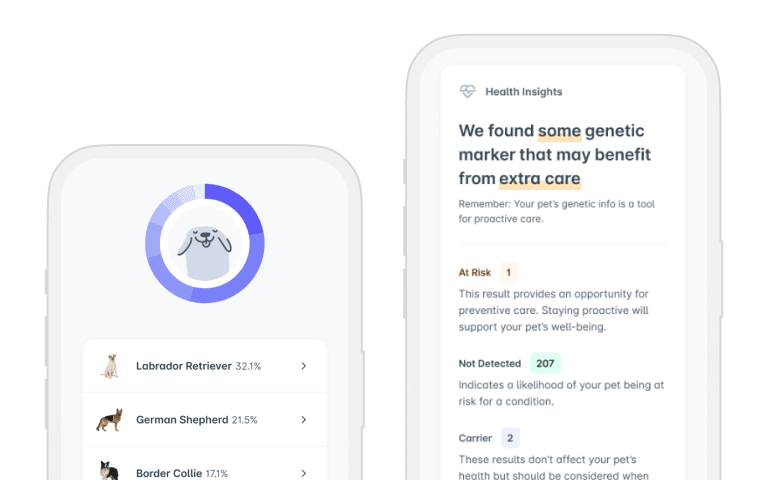
Enter your email to receive a sample dog report and preview the breed and health insights inside.