Is this breed part of your dog’s ancestry?
Discover your dog's connection to this breed and 200+ others



Discover your dog's connection to this breed and 200+ others
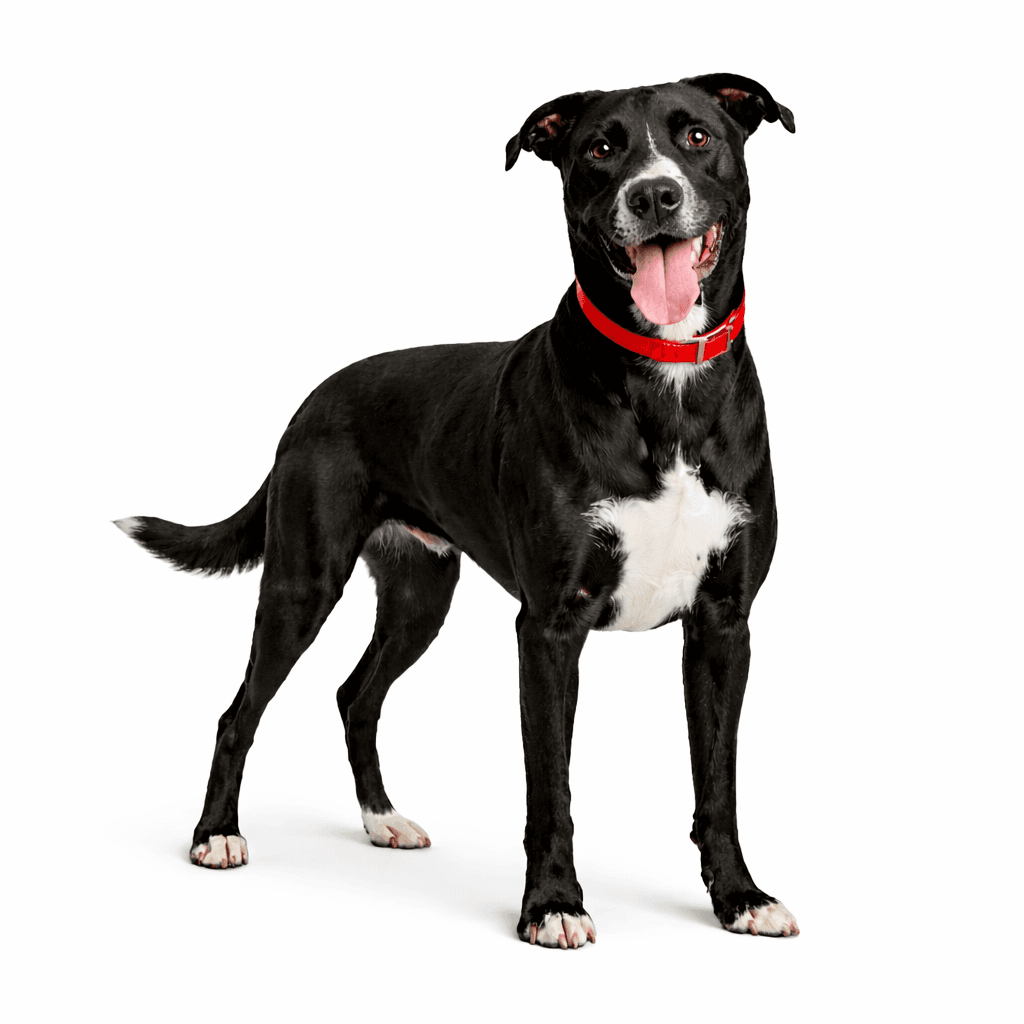
Borador is a mixed breed created by crossing a Labrador Retriever with a Border Collie, combining the best qualities of two highly regarded working breeds. They are intelligent, energetic, and eager to stay active, often learning quickly and enjoying tasks that challenge both their mind and body. Because they inherit both retrieving and herding instincts, they may chase moving objects, try to “herd” people or other animals, or show a strong love for fetch. With consistent training, mental stimulation, and daily exercise, they can develop into well-balanced, loyal companions that do best in active households.
The Borador dog is a cross between the Labrador Retriever and the Border Collie. Breeders began intentionally developing this mix in the early 2000s, aiming to combine intelligence, strong trainability, and a family-friendly temperament in one active companion.
Both parent breeds contribute rich working backgrounds: Border Collies are widely respected for their exceptional herding ability, while Labrador Retrievers were developed as reliable retrieving dogs that worked closely with hunters. As a result, Boradors often enjoy both fetch-based activities and structured tasks that keep them mentally engaged. Because the Borador is a hybrid rather than a standardized purebred, it is not officially recognized by the American Kennel Club (AKC).
Borador is a medium- to large-sized, athletic dog with a lean, muscular build and an alert expression. The type of Labrador Retriever used in breeding can influence their appearance—American lines tend to be leaner, while English lines are stockier, which can affect the Borador’s overall size and structure.
Because Boradors inherit traits from both the Labrador Retriever and the Border Collie, their appearance can vary from one dog to another. Some have the broader head and sturdy frame of a Labrador, while others show the slimmer build and more refined facial features of a Border Collie.
Borador Size
Weighs 45–80 lb (20.4–36.3 kg)
Stands 19–24 in (48.3–61 cm) tall
A Borador’s coat is usually smooth or slightly coarse and sheds moderately throughout the year. It is typically short to medium in length and fairly dense. Common colors include black, yellow, chocolate (liver), black-and-white, and red-and-white, along with various bicolor patterns. Some black Lab Border Collie mix dogs resemble a Border Collie with distinct markings, while others look more like a solid-colored Labrador.
Most Labrador Border Collie mix dogs have bright, alert eyes and an attentive expression that reflects their intelligence and eagerness to work. Their ears may hang loosely like those of a Labrador Retriever or sit partially upright like those of a Border Collie.
Because Borador is a hybrid, coat texture, markings, and overall appearance can vary depending on which parent’s traits are more dominant.
F1 Borador: Labrador Retriever x Border Collie. These dogs often show more predictable traits, with a balanced mix of temperament, coat type, and build from both parents.
F1B Borador: A cross between an F1 Borador and either a Labrador Retriever or Border Collie. The puppy may resemble the backcrossed parent more closely in coat type, build, and behavior.
F2 Borador: Borador x Borador. Appearance, coat texture, and markings can vary more widely, making traits less predictable than in first-generation crosses.
Backcrossing to a Labrador Retriever or Border Collie can intensify traits of that parent breed. In later generations of the Borador, both appearance and temperament often become less predictable.
The Border Collie Lab mix is energetic, intelligent, and people-oriented, making them a great match for active households. They typically need 60–90 minutes of daily exercise, including walks, running, fetch, or activities like agility that challenge both their body and mind. They are not ideal for apartment living unless their exercise needs are fully met, as they thrive best in homes with space and owners who can keep up with their activity level.
Thanks to the intelligence of the Border Collie and Labrador Retriever, Boradors learn quickly and respond well to consistent, positive training. Training should begin early, as they can pick up bad habits just as fast as good ones. Early socialization is also important to help them grow into confident, well-behaved companions.
Their short to medium coat sheds moderately throughout the year. Regular brushing—ideally a few times a week—helps control loose hair, supports skin health, and keeps the coat looking its best.
Like all dogs, the Borador may develop certain health conditions, some inherited from the Labrador Retriever and Border Collie. Responsible breeders help reduce these risks by screening parent dogs with hip and elbow evaluations, eye exams, and DNA testing before breeding.
Hip dysplasia can occur in the Borador because both parent breeds are prone to this joint condition. Signs include limping, stiffness, and difficulty rising, jumping, or running. Management may involve weight control, joint supplements, physical therapy, pain relief medication, and, in severe cases, surgery.
Elbow Dysplasia
Elbow dysplasia is another joint disorder that may affect the Borador, particularly due to the Labrador Retriever lineage. Dogs may show front-leg lameness, stiffness after rest, or reluctance to exercise. Treatment typically includes pain management, controlled exercise, joint support, and sometimes surgical correction.
Boradors with epilepsy may experience recurring seizures, which can involve shaking, confusion, or temporary loss of awareness. Veterinarians usually manage the condition with anti-seizure medication and ongoing monitoring.
Bloat or Gastric Dilatation-Volvulus (GDV)
As a medium- to large-sized dog, the Borador may be at risk of GDV, a serious and potentially life-threatening condition. To help reduce the risk, feed smaller, more frequent meals, avoid intense exercise right after eating, and consider using slow-feeder bowls if they tend to eat quickly.
Ear Infections
Ear infections can occur in the Borador, especially if they inherit the floppy ears of the Labrador Retriever or swim often. Signs may include head shaking, scratching, odor, or redness. Regular ear checks, gentle cleaning, and routine veterinary care can help prevent issues.
Inherited Eye Conditions
The Borador may inherit eye problems from either parent breed, including Progressive Retinal Atrophy (PRA) and cataracts. Regular eye exams are important for early detection and management.
A Borador should eat a high-quality, nutritionally balanced dog food suited to their age, size, and high activity level. Look for formulas that list real meat—such as chicken, turkey, lamb, or salmon—as the first ingredient and meet the standards set by the Association of American Feed Control Officials (AAFCO) for complete and balanced nutrition. Adult Boradors typically do well on two meals per day, while younger dogs benefit from more frequent feeding.
Borador puppies should eat a high-calorie, large-breed puppy formula designed to support steady growth and proper bone development. Feeding three to four smaller meals a day helps maintain consistent energy levels and reduces the risk of overeating.
Most adult Boradors eat about 2–3% of their body weight per day, divided into meals. Exact portions can vary depending on activity level, metabolism, age, and overall body condition, so it’s important to adjust feeding as needed to maintain a healthy weight.
Weight range: 45–55 lb (20–25 kg)
Food per meal: 1.5–2 cups
Weight range: 56–70 lb (25–32 kg)
Food per meal: 2–2.5 cups
Weight range: 71–80 lb (32–36 kg)
Food per meal: 2.5–3 cups
Boradors are active but can gain weight if overfed—adjust portions and monitor body condition.
Include glucosamine and omega-3s to support joint health.
Use slow feeders if they eat too quickly to prevent digestive issues.
Always provide fresh water, especially after exercise or in warm weather.
The Border Collie black Lab mix is highly intelligent and eager to interact with people. Many inherit strong retrieving instincts from the Labrador Retriever and herding instincts from the Border Collie. Boradors have a strong work drive and enjoy having a purpose, whether it’s training, dog sports, or structured play. With proper training and early socialization, they usually do well with children and develop into loyal, affectionate family companions.
As a Border Collie Lab mix, Borador is active and mentally driven, so boredom can quickly lead to unwanted behaviors. Without enough exercise or stimulation, they may chew household items, dig, or develop excessive barking. Their Border Collie heritage can also lead to herding behaviors, such as nipping or trying to “round up” children or other pets. Boradors often form strong bonds with their families and may be prone to separation-related issues if left alone for long periods, so they do best in homes where they receive regular interaction.
Boradors thrive on high-energy activities that challenge both body and mind. Many enjoy games like fetch, swimming, and dock diving, influenced by their Labrador Retriever background. They also do well in agility, obedience training, hiking, and running, all of which match their strong work ethic. Activities like scent work, interactive toys, and puzzle games provide valuable mental stimulation and help prevent boredom.
Skin care for the Borador is usually simple. Check their skin for irritation, debris, or redness after outdoor activities like swimming or hiking. Bathe them as needed using a gentle dog shampoo to keep the coat and skin clean without stripping natural oils.
Your Borador will benefit from regular brushing to remove loose hair and keep the coat healthy. Brushing several times a week is usually enough, but daily brushing can help during seasonal shedding periods when hair loss increases.
Eye care for the Borador includes watching for signs of inherited conditions such as Progressive Retinal Atrophy (PRA) or Cataracts. Look for cloudiness, redness, or discharge, and schedule regular veterinary checkups to catch issues early.
Check your Borador’s ears regularly for dirt, redness, or odor, especially if they have floppy ears. Clean them gently to reduce the risk of infection, and always dry their ears thoroughly after swimming or bathing.
Trim your Borador’s nails every 3–4 weeks. Check them regularly for overgrowth, as long nails can cause discomfort, affect posture, and make walking difficult.
Brush your dog’s teeth daily to reduce plaque buildup and lower the risk of gum disease. Regular dental checkups and professional cleanings also help maintain good oral health.
Living Space: Can adapt to apartment living with enough exercise, but does best in homes with space
Activity Needs: 60–90 minutes daily
Grooming: Regular brushing several times a week (daily during shedding seasons)
Temperament: Affectionate, intelligent, and people-focused
Best For: Active owners or families willing to provide training and exercise
The Borador is an intelligent, energetic, and loyal companion that thrives with active owners. These dogs do best with people who can provide consistent daily exercise, structured training, and mental stimulation. They are not well-suited to sedentary households, but in the right environment, they become devoted family pets and enthusiastic working partners.
A Borador puppy typically costs around $200–$500 USD, though prices can vary depending on the breeder, location, and lineage. Adoption is often a more affordable option and gives a dog a second chance at a home. Ongoing costs include high-quality food, routine veterinary care, grooming supplies, and training. Because of their intelligence and energy, they may also benefit from activities like agility or obedience classes, which can add to overall expenses. With proper care, time, and financial commitment, a Borador can be a rewarding and long-term companion.
How big does a Borador get?
A full grown Borador dog typically weighs 45–80 lb (20.4–36.3 kg) and stands 19–24 inches (48.3–61 cm) tall. Size can vary depending on the influence of the Labrador Retriever and Border Collie parents.
Is a Borador hypoallergenic?
No, the Borador is not hypoallergenic. Their short to medium coat sheds moderately and may trigger allergies in sensitive individuals.
How long do Boradors live?
Boradors typically live 10–14 years, depending on genetics, diet, lifestyle, and overall care.
How much do Boradors cost?
A Borador puppy typically costs around $200–$500 USD, though prices can vary based on breeder quality, location, and availability. Adoption from a shelter or rescue is often more affordable and gives a dog a second chance.
What is the difference between Boradors vs. Border Collie?
The Borador is a mixed breed—usually larger and more muscular, often with retrieving instincts—while the Border Collie is a purebred dog known for their lean build and strong herding ability.
Are Boradors high maintenance?
Boradors are moderately high-maintenance. They require daily exercise, mental stimulation, regular grooming, and consistent training to stay happy, well-behaved, and healthy.
Recommended by top vets with decades of experience
21 breeds
64 genetic health markers
50 genetic trait markers
