Is this breed part of your dog’s ancestry?
Discover your dog's connection to this breed and 200+ others



Discover your dog's connection to this breed and 200+ others
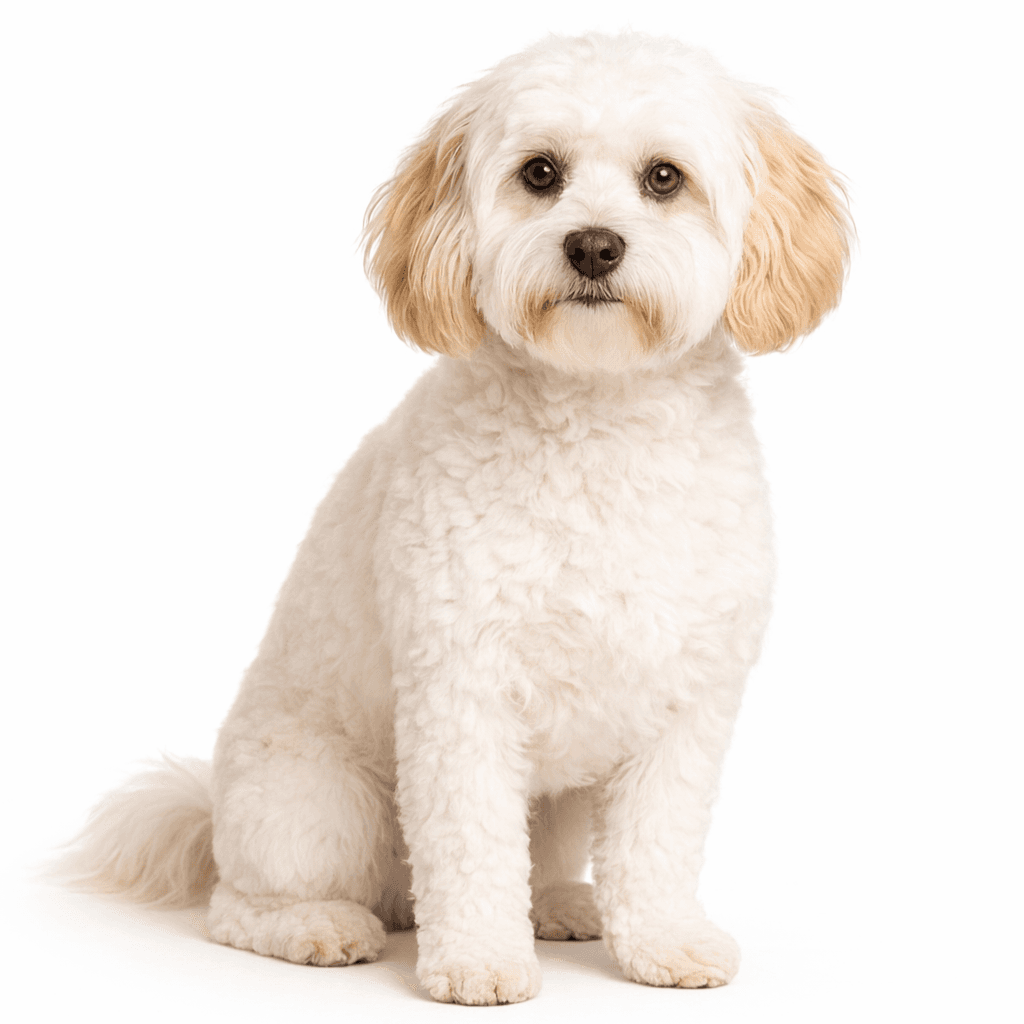
What is a Cavachon? The Cavachon is a small companion dog created by crossing a Cavalier King Charles Spaniel with a Bichon Frise. This mixed breed is known for their friendly personality, playful nature, and soft, teddy-bear appearance that often gives them a “forever-puppy” look. Cavachons were bred primarily for companionship, which is why they tend to be affectionate, social, and highly adaptable to family life. Thanks to their gentle temperament and love of attention, Cavachons are widely regarded as one of the most family-friendly designer dog breeds.
The Cavachon is a mix of Cavalier King Charles Spaniel and Bichon Frise that originated in the United States and was first intentionally bred in 1996. Breeders developed this cross to combine the Cavalier’s gentle nature with the Bichon’s playful personality and lower-shedding coat. The breed gained popularity during the 1990s designer-dog boom as a friendly companion. Cavachons are often described as low-shedding and sometimes labeled hypoallergenic, though no dog is completely allergy-free.
The Cavalier King Charles Spaniel is historically associated with the British royal family, while the Bichon Frise has roots connected to the Mediterranean region and French nobility. As a hybrid dog, the Cavachon is not recognized by the American Kennel Club (AKC), but it can be registered with designer dog organizations such as the International Designer Canine Registry (IDCR).
Disclaimer: The term "hypoallergenic" refers to dog breeds that are less likely to trigger allergic reactions, not breeds that are completely allergy-free. These dogs may shed less, have hair instead of fur, or produce lower levels of dander—all factors that can reduce, but not eliminate, allergic responses in sensitive individuals.
What is a Cavachon dog like? As a designer dog created by crossing a Cavalier King Charles Spaniel with a Bichon Frise, the Cavachon does not have official size classifications. The Cavachon adult dog size can vary depending on which parent breed’s traits are more dominant.
Cavachon Size
Cavachon weights 15–25 lb (6.8–11 kg)
Stands roughly 12–13 in (30–33 cm) tall
These size differences often depend on the size of the Cavalier King Charles Spaniel and Bichon Frise used in breeding. Diet, exercise, and genetics may also influence the final size of a Cavachon adult dog.
Typically, Cavachon characteristics include a soft coat that ranges from wavy to lightly curly. Many Cavachons shed very little but still require regular brushing to prevent tangles and mats. Coat colors commonly include white, cream, apricot, red, Blenheim, tri-color, pied, or white with tan or black markings. Their fluffy coat, rounded face, and expressive eyes often give them a youthful, “forever-puppy” appearance.
Their traits may also vary depending on generation:
F1 Cavachon: Cavalier King Charles Spaniel × Bichon Frise. This first-generation cross often shows a balanced mix of traits from both parent breeds.
F1B Cavachon: Cavachon × Cavalier King Charles Spaniel or Bichon Frise. This backcross may emphasize characteristics of the parent breed used in the cross, such as coat texture or shedding level.
F2 Cavachon: Cavachon × Cavachon. These later-generation dogs may show greater variation in size, coat type, and appearance.
Because the Cavachon is a mixed dog, characteristics such as size, coat type, and other Cavachon characteristics can vary from one dog to another—even among littermates.
Cavachons are affectionate, people-oriented companion dogs that tend to do well with families and first-time owners. They usually enjoy being around people and may struggle when left alone for long periods.
They are typically eager to please, and their gentle temperament makes them responsive to basic obedience training, early socialization, and consistent guidance.
Their soft coats—often wavy or lightly curly—require regular care. Routine brushing helps prevent tangles and mats, while occasional trims, ear cleaning, and dental care support their overall health.
Like many designer breeds, Cavachons can inherit health conditions from both parent breeds. Responsible breeders often screen for these issues, but potential owners should still be aware of several possible health concerns.
Mitral Valve Disease (MVD)
A progressive heart condition commonly seen in Cavalier King Charles Spaniels. Signs may include heart murmurs, coughing, fatigue, and reduced exercise tolerance. Regular veterinary heart checks are recommended.
Syringomyelia (SM)
An inherited neurological condition in which fluid-filled cavities develop near the spinal cord. Affected dogs may show signs of neck or head pain, phantom scratching at the air, sensitivity to touch, or reluctance to be handled.
A condition where the kneecap slips out of place. This issue is common in small breeds and may cause limping, skipping steps while walking, or difficulty jumping.
Atopy (Environmental Allergies)
Allergies to environmental triggers can lead to itchy skin, excessive licking, ear infections, or hot spots.
Cataracts
Cloudiness of the eye lens that may gradually affect vision.
Dry Eye Syndrome (Keratoconjunctivitis Sicca)
A condition where the eyes do not produce enough tears, potentially causing irritation and corneal damage if untreated.
Ear Infections
Their floppy ears can trap moisture, creating an environment where bacteria or yeast may grow. Routine ear cleaning helps reduce this risk.
Dental Disease
Like many small breeds, Cavachons may be prone to plaque buildup, overcrowded teeth, and gum disease. Regular tooth brushing and veterinary dental cleanings are important.
Regular veterinary checkups, health screenings, and choosing a reputable breeder who tests their breeding dogs can help reduce these risks. As a crossbreed, Cavachons may also benefit from what is often called hybrid vigor, which can sometimes contribute to improved overall health.
The Cavachon lifespan is typically 10–15 years, although some dogs may live 16–18 years with proper care, a balanced diet, and regular veterinary support.
A full-grown Cavachon does best on a balanced small-breed diet with high-quality protein, healthy fats, and essential nutrients to support their energy, coat, and overall health. Meals should be portion-controlled and typically served twice per day to help maintain a healthy weight and steady digestion. Cavachon puppies should be fed a puppy-specific small-breed formula, which provides higher protein and fat for growth, and they usually need three to four smaller meals per day to help regulate blood sugar and maintain stable energy levels.
Choose a high-quality small-breed formula, following the AAFCO standards, that provides balanced protein and fat. Meals should be served in measured portions at consistent times, and treats should be offered in moderation to prevent overfeeding.
The amount a Cavachon dog should eat depends on their weight, activity level, metabolism, and the calorie density of their food. In general, dogs need about 30 calories per pound (66 kcal/kg) of body weight per day, though individual needs may vary. Treats should be included in the daily total to avoid overfeeding.
Weight range: 11–15 lb (5–6.8 kg)
Food per meal: 0.38–0.5 cup
Weight range: 16–22 lb (7.3–10 kg)
Food per meal: 0.5–0.75 cup
More active Cavachons may require slightly more food, while less active dogs may need smaller portions to maintain a healthy weight. Diet adjustments may also depend on age, weight, and metabolism. Many owners support joint, heart, and skin health with nutrients such as omega-3 fatty acids (e.g., salmon oil), glucosamine or chondroitin, and antioxidants.
Be careful not to overfeed a full-size Cavachon full-grown, as they often maintain a puppy-like appearance and may beg for treats. Excess weight can worsen heart and joint issues. Dental treats and dry kibble may also help support oral hygiene.
A Cavachon’s diet should match their age, size, and activity level to support healthy energy levels and overall wellbeing.
Some Cavachons may benefit from joint-support supplements such as glucosamine or chondroitin if they develop joint issues, but these should only be used under veterinary guidance.
Omega-3 fatty acids (such as fish or salmon oil) may help support healthy skin, coat, and heart function.
Avoid overfeeding food or treats, as maintaining a healthy, lean body condition helps reduce stress on the joints and supports long-term health.
The Cavachon temperament is typically sweet, gentle, and outgoing. These dogs are known for their affectionate nature and often do well with families, seniors, and first-time owners.
Because Cavachons are very people-oriented, they usually prefer being around their owners and may develop separation anxiety if left alone for long periods. Providing regular companionship, enrichment, and a consistent routine can help them feel more secure.
Cavachons are highly social dogs and usually get along well with other pets while also being friendly with children. Thankfully, there are relatively few common Cavachon behavior problems.
They typically have a low prey drive and only mild watchdog tendencies, though they may bark at unfamiliar people before greeting them in a friendly way. Cavachons are also quite sensitive to the tone of human voices, which is why they respond best to gentle, positive training methods rather than harsh corrections.
Fetch: A simple game that helps Cavachons stay active while strengthening their bond with their owner.
Hide-and-seek: Encourages mental stimulation and uses their curiosity to keep them engaged.
Scent games: Let them use their nose to search for treats or toys, which provides both fun and enrichment.
Short agility courses: Light obstacle courses can help build coordination and confidence.
Therapy-dog training: Cavachons often do well in therapy work because of their gentle, people-oriented nature.
Even though they enjoy games, Cavachons often prefer lap time and family interaction over long or strenuous hikes.
Their skin can be sensitive, so watch for signs of allergies and use mild or hypoallergenic shampoos. Most Cavachons should be bathed every 4–6 weeks, unless more frequent bathing is recommended by a veterinarian.
Cavachon shedding is generally low, but their coat still needs regular maintenance. Brushing 3–4 times per week is usually enough, though longer coats may need daily brushing to prevent tangles and mats. Popular grooming styles include the Teddy Bear cut and Puppy cut. Cavachons that inherit more traits from the Bichon Frise may have curlier coats, while those leaning toward the Cavalier side often have softer, silkier fur.
Tear stains can appear around their eyes and should be gently cleaned with a damp cloth. Cavachons are somewhat prone to this type of staining, so routine cleaning can help keep the area clear.
Their floppy ears should be checked weekly. Use a dog-safe ear cleaner when needed, and make sure the ears are fully dried after baths to help prevent moisture-related infections.
Nails should be trimmed about once a month or as needed. Take care not to cut the quick, which can be easier to hit in small dogs.
Living Space: Cavachons adapt well to apartments or small homes if they receive daily walks and mental stimulation. A fenced yard is helpful but not required.
Activity Needs: Moderate. They enjoy short walks and playtime but often prefer lap time and family interaction over long hikes.
Grooming: Their coat needs regular brushing and occasional professional grooming to prevent mats.
Temperament: Affectionate and people-oriented; they may develop separation anxiety if left alone too long.
Best For: Families, retirees, or people working from home who can provide companionship and regular care.
Cavachons are well suited for families with children and homes with other pets, though supervision with toddlers is recommended because these dogs can be delicate. Early socialization and gentle handling help them grow into confident companions.
Because Cavachons thrive on human interaction, they may struggle in homes where people are away for long hours or travel frequently. These sensitive dogs do best with owners who can provide consistent companionship, praise, and a stable routine.
How big does a Cavachon get?
They typically weigh 15–25 lb (6.8–11.3 kg) and stand about 12–13 in (30.5–33 cm) tall as adults.
Is a Cavachon hypoallergenic?
No dog is completely hypoallergenic, but Cavachons are generally low-shedding. Dogs with curlier coats may shed less and can be easier for some allergy-sensitive people to tolerate.
How long do Cavachons live?
The Cavachon life expectancy is usually 10–15 years, though some may live 16–18 years with proper care.
How much do Cavachons cost?
A Cavachon puppy typically costs $1,000–$5,000, depending on the breeder, lineage, and location. Ongoing expenses such as food, veterinary care, grooming, and insurance should also be considered.
What is the difference between Cavachons vs. Cavapoos?
Cavachons are a Cavalier Bichon mix, while Cavapoos are a Cavalier King Charles Spaniel × Poodle cross. Cavapoos are often more energetic and may have curlier coats, while Cavachons are typically calmer and known for their gentle, playful personality.
Are Cavachons high maintenance?
Cavachons are considered a moderate-maintenance breed. They require regular grooming and daily interaction but have moderate exercise needs.
https://basepaws.com/dog-breeds/cavalier-king-charles-spaniel
https://www.pdsa.org.uk/pet-help-and-advice/pet-health-hub/conditions/mitral-valve-disease-in-dogs
https://vcahospitals.com/know-your-pet/keratoconjunctivitis-sicca-kcs-or-dry-eye-in-dogs
https://www.aafco.org/consumers/understanding-pet-food/ingredient-standards/
https://vcahospitals.com/know-your-pet/keratoconjunctivitis-sicca-kcs-or-dry-eye-in-dogs
https://vcahospitals.com/know-your-pet/luxating-patella-in-dogs
https://veterinarypartner.vin.com/default.aspx?pid=19239&id=4952547
https://www.pdsa.org.uk/pet-help-and-advice/pet-health-hub/conditions/mitral-valve-disease-in-dogs
Recommended by top vets with decades of experience
21 breeds
64 genetic health markers
50 genetic trait markers
