Is this breed part of your dog’s ancestry?
Discover your dog's connection to this breed and 200+ others



Discover your dog's connection to this breed and 200+ others
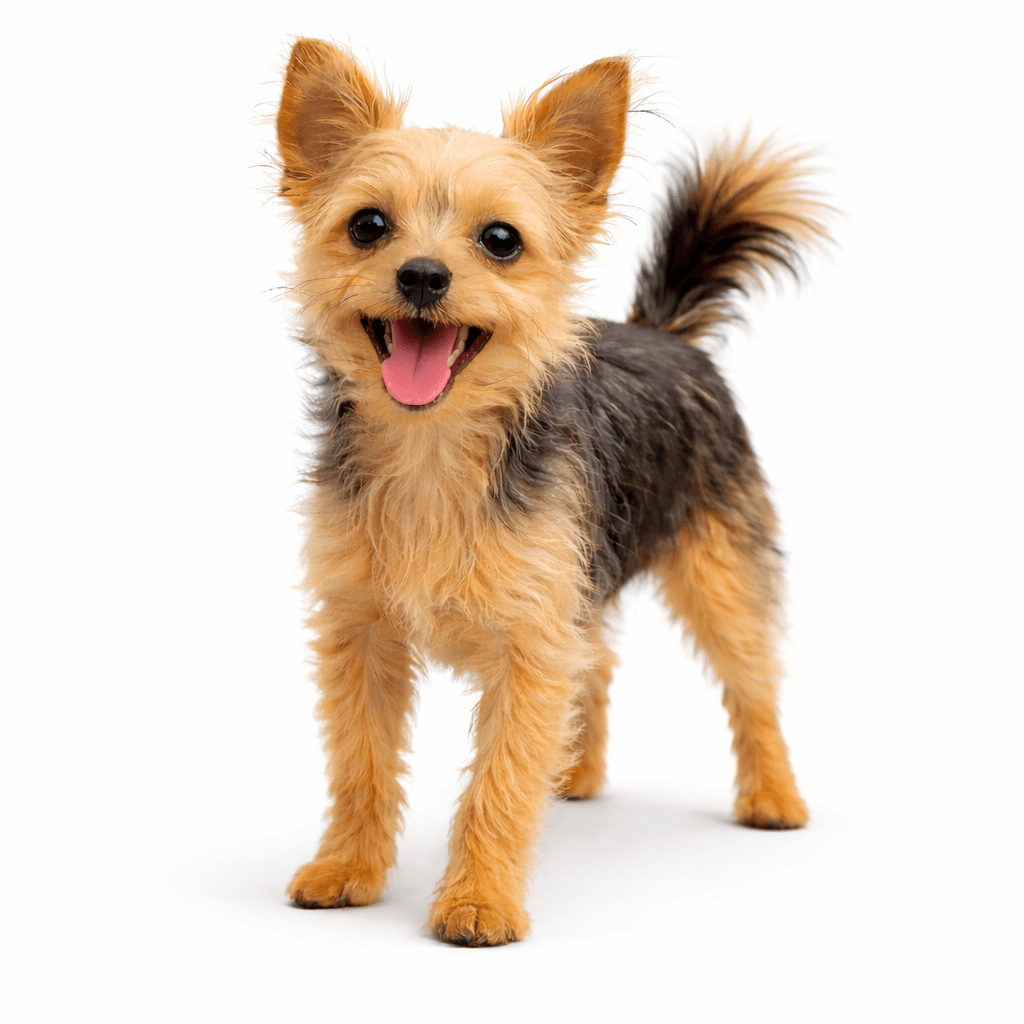
What Is a Chorkie? A Chorkie is a small mixed-breed dog created by crossing a Chihuahua with a Yorkshire Terrier. Despite their tiny size, they often have a bold, lively personality. Chorkies are usually affectionate, energetic, and alert, forming strong bonds with their family and enjoying close interaction and attention.
The Chorkie, a Yorkshire Terrier and Chihuahua mix (often called a Yorkie Chihuahua mix), is a small designer dog with no clearly documented origin, which is common for many hybrid breeds. The cross became popular in the United States in the early 1990s, suggesting that it likely first appeared around that time. They are also sometimes described as hypoallergenic because they tend to shed less than many other breeds, though no dog is completely allergen-free. The Chorkie is not recognized by the American Kennel Club (AKC) because it is a hybrid rather than a purebred dog.
Both parent breeds have well-known histories. The Chihuahua, widely recognized as the smallest dog breed, has been documented since the 19th century. The Yorkshire Terrier originated in 19th-century England, where they were bred to control rodents in factories and mills. When combined, these two breeds produce the Chorkie, a small companion dog valued for their affectionate personality and ability to adapt well to apartment living.
Disclaimer: The term "hypoallergenic" refers to dog breeds that are less likely to trigger allergic reactions, not breeds that are completely allergy-free. These dogs may shed less, have hair instead of fur, or produce lower levels of dander—all factors that can reduce, but not eliminate, allergic responses in sensitive individuals.
What Is the Chorkie Dog Breed Like? As a designer dog created by crossing a Chihuahua with a Yorkshire Terrier, the Chorkie dog breed does not have official size standards. Their appearance and size can vary depending on which parent breed’s traits are more dominant.
Chorkie Size
Chorkie weight: typically 8–10 lb (3.6–4.5 kg)
Height: about 6–10 in (15–25.4 cm) tall
Some dogs from very small breeding lines may be smaller, sometimes weighing around 3.5 lb (1.5 kg) and standing about 5–9 inches (12–22 cm) tall. Final size depends largely on genetics, especially the size and coat type of the Chihuahua parent, as well as breeding lines and overall care.
The Chorkie dog breed can show a wide range of coat colors because of its mixed heritage. Many Chorkie puppies inherit light cream or golden shades that reflect Chihuahua coloring, but other common variations include tan, fawn, brown, blue, silver, and mixed patterns. A black Chorkie is also fairly common.
Their coat is usually medium to long, smooth, and silky, though some dogs may inherit shorter or slightly wavy hair. Coat texture and length often depend on whether the puppy takes after the Yorkshire Terrier’s longer coat or the Chihuahua’s shorter coat.
Because e Chorkie is a hybrid, they are not recognized by the American Kennel Club (AKC). However, breeders often describe them by generation:
F1 Chorkie: Chihuahua × Yorkshire Terrier, a first-generation cross that typically shows a fairly balanced mix of traits from both parent breeds. These dogs often have more predictable size and appearance compared with later generations.
F1B Chorkie: A Chorkie crossed back with either a Yorkshire Terrier or a Chihuahua. This type of breeding is often done to emphasize certain traits, such as coat texture, size, or temperament inherited from the chosen parent breed.
F2 Chorkie: Chorkie × Chorkie crosses (second generation). Because both parents are already mixed, these dogs may show greater variation in size, coat type, color, and personality compared with F1 dogs.
Since the Chorkie dog breed is a mix, traits such as coat type, color, and Chorkie weight can vary widely—even among Chorkie puppies from the same litter.
Chorkies are small but energetic dogs that benefit from daily play and short walks. Because of their tiny size, they should always exercise in a safe environment and be handled gently.
They can be vocal, so early socialization and consistent training help reduce excessive barking. Training may require patience, as they can inherit some stubborn tendencies from the Yorkshire Terrier side.
Chorkies usually prefer constant companionship and may struggle when left alone for long periods. For this reason, they often do best in homes where someone is around most of the day. Grooming needs vary depending on the coat type they inherit.
The Chorkie lifespan is typically 12–15 years, though some individuals may live longer with attentive care, proper nutrition, and regular veterinary visits. As with most small dogs, lifespan depends largely on genetics, lifestyle, and preventive healthcare.
The Chorkie dog breed may be prone to several health conditions, partly due to inherited traits from the parent breeds and their small size.
This condition occurs when the windpipe weakens and narrows, causing coughing or breathing difficulties. Using a harness instead of a collar can help reduce pressure on the throat.
Teeth Overcrowding and Periodontal Disease
Small dogs often develop dental problems because their teeth are crowded in a small jaw, so daily dental care is very important for the Chorkie dog breed. Regular brushing and professional dental cleanings help prevent gum disease and tooth loss.
Some Chorkies may develop thyroid imbalances, which can affect energy levels, weight, and coat health. Veterinary monitoring and treatment can help manage the condition.
Skin Allergies
Skin allergies may cause itching, redness, or irritation. These reactions can be triggered by food, environmental allergens, or grooming products.
Hypoglycemia (Puppies)
Young Chorkie puppies may experience low blood sugar, especially if they miss meals. Feeding small, frequent meals usually helps maintain stable energy levels.
This orthopedic condition occurs when the kneecap slips out of place, which may cause limping or discomfort.
Some dogs may inherit heart conditions that affect normal heart function. Regular veterinary exams can help detect these issues early.
To support the best health and maximize the Chorkie lifespan, regular veterinary checkups are essential. If you notice unusual symptoms, early evaluation can help prevent complications.
A Yorkie and Chihuahua mix has a small mouth and delicate teeth, so they should be fed kibble formulated specifically for small dog breeds. Choose a high-quality food that meets Association of American Feed Control Officials (AAFCO) nutritional standards to ensure it provides balanced protein, healthy fats, vitamins, and minerals.
A Chorkie puppy should be fed several small meals throughout the day to help prevent hypoglycemia. A healthy Chorkie adult usually does well with two to three measured meals per day. Free feeding is not recommended, as this breed can gain weight easily.
Fresh water should always be available and replaced daily to support proper hydration and overall health.
The amount a Chorkie should eat depends on their weight, activity level, metabolism, and the calorie density of their food. In general, small dogs need about 30–40 calories per pound (66–88 kcal/kg) of body weight per day, though individual needs may vary. Treats should be included in the daily calorie total to avoid overfeeding.
Weight range: 8–10 lb (3.6–4.5 kg)
Food per meal: 0.25–0.4 cup
More active Chorkies may require slightly larger portions, while less active dogs may need smaller meals to maintain a healthy weight. Diet adjustments can also depend on age, metabolism, and overall health. Many owners support skin, coat, and joint health with nutrients such as omega-3 fatty acids, antioxidants, and high-quality protein sources.
Be careful not to overfeed a full-grown Chorkie, as this small breed can gain weight quickly. Maintaining a healthy weight helps reduce stress on their joints and supports overall well-being.
Treats should make up no more than 10% of daily calories for both young Chorkies and a full grown Chorkie.
Introduce new food gradually to help prevent digestive upset.
Dental chews can support oral hygiene, as Chorkies are prone to dental issues.
Omega-3 fatty acids may help support healthy skin and coat, especially for dogs prone to sensitivity or allergies.
Chorkie characteristics can vary widely, which is part of what makes this mixed breed so engaging. In general, Chorkies are intelligent, energetic, affectionate, and bold. Many owners describe them as having a “big dog personality” despite their small size.
This confident temperament often means they form strong bonds with one or two favorite people and may act protective of their family. Chorkies are also known for being vocal, playful, and occasionally mischievous, traits that reflect both their Chihuahua and Yorkshire Terrier heritage.
Chorkies often express their needs through clear behaviors that attentive owners can learn to recognize. For example, they may bark frequently when they feel wary of strangers or unfamiliar situations.
If left alone for long periods, some Chorkies may develop separation anxiety, which can lead to destructive behaviors such as chewing furniture, shoes, or toys. They can also inherit a stubborn streak from the Yorkshire Terrier, which may make training and socialization more challenging. Some Chorkies may act overly confident around larger dogs, so supervision during interactions is important.
Fetch: A simple game that helps Chorkies burn energy and practice basic commands like “bring” or “drop.”
Walks: Short daily walks provide exercise and mental stimulation while allowing them to explore new scents.
Snuffle mats: These encourage natural foraging behavior by letting dogs search for hidden treats or kibble.
Puzzle toys: Interactive toys that challenge their problem-solving skills and help keep them mentally engaged.
Trick training: Teaching small tricks such as “sit,” “spin,” or “paw” strengthens training skills and builds confidence.
Agility: Low-impact agility obstacles or mini courses can help improve coordination and focus.
Tug of war: A controlled tug game can be a fun way to build engagement and release energy.
Hide and seek: Owners can hide treats or toys around the house, encouraging the dog to search and use their nose.
Other indoor games: Short interactive games indoors help keep Chorkies active and entertained, especially on days when outdoor activity is limited.
Chorkies often have sensitive skin that can dry out easily. Avoid bathing too frequently, as this can strip natural oils and cause irritation.
Grooming depends on coat type. Long-haired Chorkies usually need daily brushing, while shorter coats may only need weekly brushing. If the coat becomes difficult to manage, many owners choose a short “puppy cut.”
Trim hair around the eyes regularly to prevent irritation. Watch for tear staining or dryness, and gently clean the area with a warm, damp cloth or veterinarian-approved wipes.
Check the ears weekly for redness, wax buildup, or unusual odor. Clean them when needed with a veterinarian-approved ear-cleaning solution.
As a half Yorkie half Chihuahua, Chorkies often need regular nail trims because their nails do not wear down naturally. Use a dog-safe nail clipper or visit a groomer or veterinarian. Keep styptic powder nearby in case of minor bleeding.
Chorkies are prone to dental issues, so regular oral care is important. Brush their teeth several times a week with dog-safe toothpaste to help prevent plaque and tartar buildup.
Living Space: Best suited for apartments or small homes; may not be ideal for chaotic households, homes with very small children, or large pets.
Activity Level: Enjoys short walks and indoor play sessions; not a good match if you want a dog to accompany you on runs or long jogs.
Grooming Commitment: Requires regular brushing and grooming; may not suit someone with little time for coat care.
Temperament: Ideal for those wanting a vocal, affectionate, and loyal companion; less suitable if you prefer a quiet, independent breed.
Best For: Generally beginner-friendly but may not be ideal for owners who dislike training or dealing with a vocal dog.
The Chihuahua Yorkie Mix is a small dog with a lively personality and a strong attachment to their family. Their affectionate nature, alert temperament, and compact size make them a popular choice for people living in apartments or smaller homes. Chorkies can also be relatively affordable compared with many purebred dogs, typically costing around $500–$1,500 from a breeder, while adoption from shelters or rescues may cost about $75–$300.
However, they thrive best with owners who can provide attention, consistent training, and regular grooming. With proper care, socialization, and companionship, a Chorkie can be a loyal and entertaining companion for many years, though owners should also budget for ongoing costs such as food, veterinary care, grooming, and supplies.
How big does a Chorkie get?
Chorkies are usually 6–10 inches (15–25.4 cm) tall at the shoulder and typically weigh around 8–10 pounds (3.6–4.5 kg), though size can vary depending on genetics.
Is a Chorkie hypoallergenic?
Chorkies are often described as hypoallergenic, meaning they may produce fewer allergens than some breeds. However, no dog is completely allergen-free, and some people with pet allergies may still react to them.
How long do Chorkies live?
Most Chorkies have a lifespan of about 12–15 years, though some may live longer with good care and regular veterinary visits.
What is a Chorkie dog?
A Chorkie is a mixed-breed dog created by crossing a Yorkshire Terrier with a Chihuahua, combining traits from both small companion breeds.
How much do Chorkies cost?
From a reputable breeder, a Chorkie typically costs $500–$1,500, though prices can vary by location, breeder reputation, and lineage. F1 Chorkie puppies (a direct cross between the two parent breeds) may cost more.
What is the difference between Chorkies vs. Shorkies?
A Chorkie is a cross between a Yorkshire Terrier and a Chihuahua, while a Shorkie is a mix of a Shih Tzu and a Yorkshire Terrier.
Is the Chihuahua Yorkie mix high maintenance?
Not usually. The Chihuahua–Yorkshire Terrier mix is generally manageable for many owners, though they still benefit from regular grooming, training, and daily interaction.
https://vcahospitals.com/know-your-pet/tracheal-collapse-in-dogs
https://www.petmd.com/dog/conditions/mouth/periodontal-disease-dogs
https://vcahospitals.com/know-your-pet/hypothyroidism-in-dogs
https://www.petmd.com/dog/conditions/systemic/hypoglycemia-dogs
https://www.aafco.org/consumers/understanding-pet-food/ingredient-standards/
Recommended by top vets with decades of experience
21 breeds
64 genetic health markers
50 genetic trait markers
