Is this breed part of your dog’s ancestry?
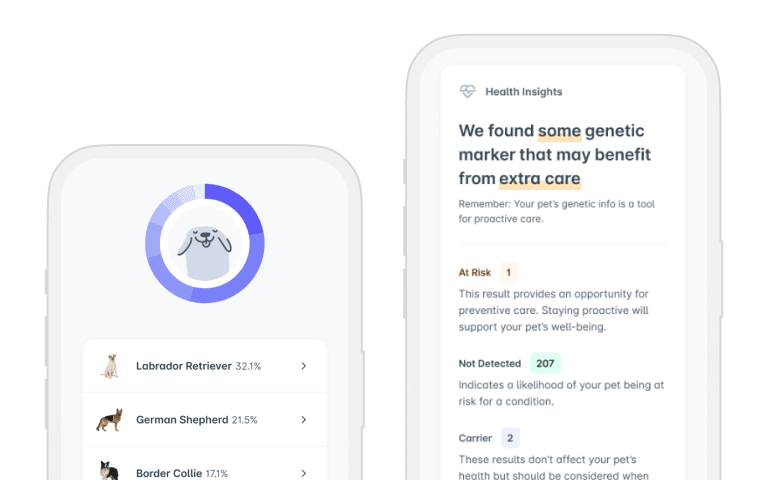
Discover your dog's connection to this breed and 200+ others

Discover your dog's connection to this breed and 200+ others
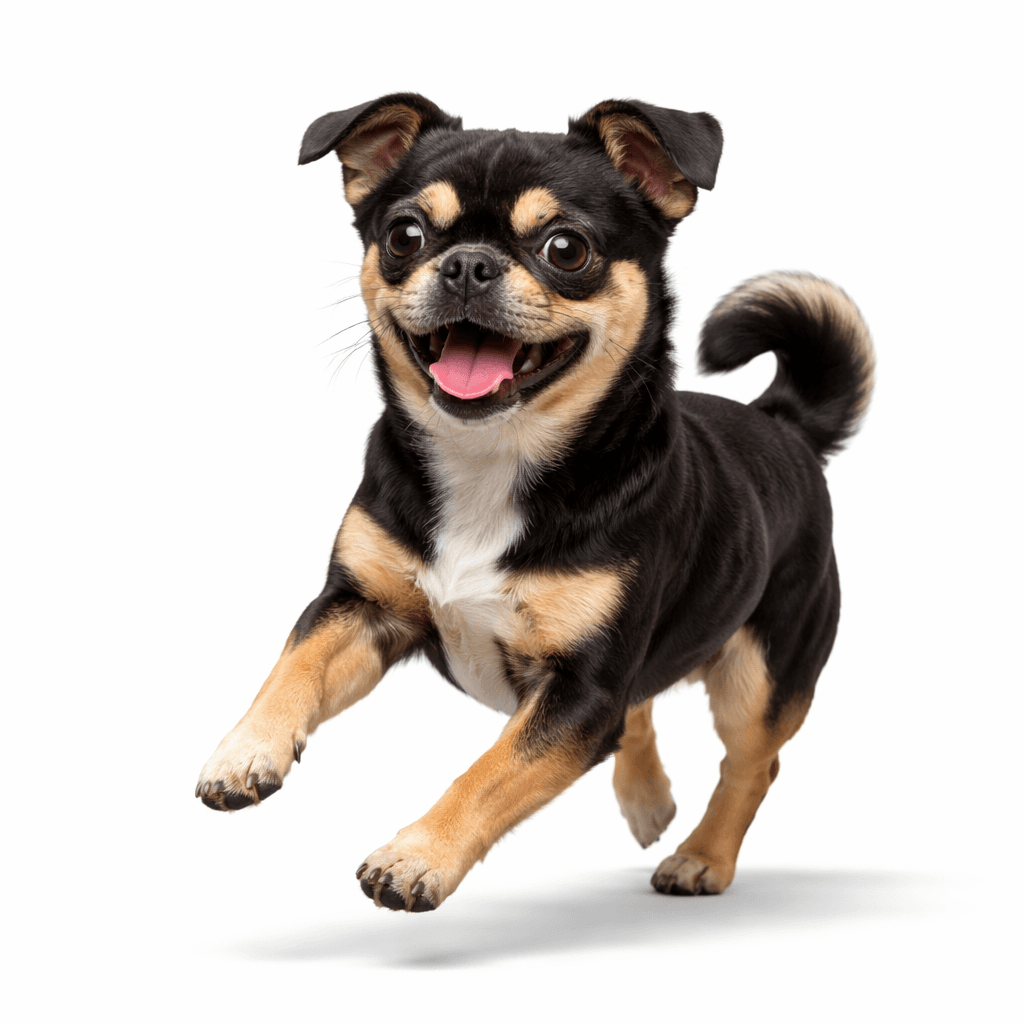
A Chug dog is a designer crossbreed created by mating a Chihuahua with a Pug. These small companion dogs are known for being affectionate, lively, and full of personality. Because they inherit traits from both parents, each Chug dog can look and behave a little differently. Some resemble a small Pug, while others take after the Chihuahua, but most share expressive eyes, a playful nature, and moderate exercise needs that suit apartment living. Despite their charm, future owners should also be aware of a few challenges. Chugs are small and somewhat fragile, and some may inherit breathing difficulties common in Pugs. They often form strong attachments to their owners and may develop separation anxiety if left alone too long. In addition, Chugs are not hypoallergenic, and many shed seasonally.
The Cug breed is a mix of the Pug and the Chihuahua. Breeders hoped to combine the Pug’s affectionate personality with a slightly longer muzzle from the Chihuahua, which could help reduce some brachycephalic breathing issues. The exact origin of the Pug Chihuahua mix is unknown, but the cross likely appeared in the United States during the designer dog boom of the early 2000s.
Pugs originated in ancient China and later spread to Europe through trade, where they became popular companion dogs. They were famously favored by Queen Victoria. Chihuahuas come from Mexico and have long been valued as tiny companion animals, though their early history is still debated.
The Pug Chihuahua mix is not recognized by the American Kennel Club (AKC) or most major kennel clubs because they are a hybrid crossbreed.
As a designer dog created by crossing a Chihuahua with a Pug, the Chug does not have official size classifications. The size of a full-grown Chug dog can vary depending on which parent breed’s traits are more dominant.
Chug Size
Weighs 6–18 lb (2.7–8 kg)
Stands 8–12 in (20.3–30.5 cm) tall
These differences usually depend on the size of the parent dogs and the genetics inherited from each side of the Chihuahua Pug mix. Most Chugs are small, compact, and surprisingly sturdy for their size.
Typically, the black Chihuahua Pug mix has a short, smooth coat, although slightly longer coats may appear if the Chihuahua parent is long-haired. Common coat colors include black Chug dog, brown, fawn, cream, white, silver, apricot, and brindle, often appearing in solid or mixed patterns. Many Chugs have large, expressive eyes and a rounded head, but their muzzle length can vary. Some inherit the shorter Pug-like muzzle, while others develop a longer Chihuahua-like nose, which may help reduce breathing difficulties. Their ears may be upright or folded depending on which parent they resemble more.
Their traits may also vary depending on generation:
F1 Chug: Chihuahua × Pug. This first-generation cross often shows a balanced mix of traits from both parent breeds.
F1B Chug: Chug × Chug. Second-generation dogs may show greater variation in size, coat type, and facial features.
F2 Chug: Chug × Chihuahua or Pug. This cross may emphasize characteristics of the parent breed used in breeding.
Because the Chihuahua Pug mix is a hybrid, characteristics such as size, coat type, and facial structure can vary widely—even among puppies from the same litter.
A Pug and Chihuahua mix is generally easy to care for. These small dogs need only low to moderate exercise, usually about 20–30 minutes a day, such as short walks or indoor playtime. Because of their size and energy level, they often do well in apartments and can be a good match for seniors or people with limited mobility. However, many Chugs form strong attachments to their owners and may develop separation anxiety if left alone for long periods.
Due to their small and delicate bodies, Chugs should be supervised around young children to prevent accidental injuries. They can also be sensitive to heat, especially if they inherit a shorter muzzle from the Pug parent, and they may feel cold easily because of their small size.
The Chug dog breed can be prone to several health conditions, many of which are inherited from their parent breeds. Responsible breeding, regular veterinary care, and early screening can help reduce risks and support long-term health.
Brachycephalic Airway Syndrome
Some Chugs inherit the shortened muzzle of the Pug, which can lead to brachycephalic airway syndrome. This condition may cause noisy breathing, reduced exercise tolerance, and difficulty regulating body temperature. Because of this, Chugs may be more vulnerable to heat stress or heat stroke and should be kept cool in hot weather. Owners should consult a veterinarian if they notice labored breathing or excessive panting.
Patellar luxation occurs when the kneecap slips out of place. Dogs may show signs such as limping, skipping steps while walking, or sudden changes in gait. Mild cases may only require monitoring, while severe cases may require surgery.
Obesity
Chugs can gain weight easily due to their small size and relaxed nature. Excess weight can put additional strain on their joints and worsen breathing issues. A balanced diet, portion control, and regular exercise help maintain a healthy weight.
Eye Conditions
The Chug dog breed may develop several eye problems, including corneal ulcers, dry eye, glaucoma, cataracts, proptosis, and cherry eye. Signs may include redness, excessive tearing, squinting, or cloudiness. Veterinary attention is important if any eye changes appear.
Dental Disease
Small breeds like Chugs often have crowded teeth, which can trap food and lead to plaque buildup. Without proper dental care, this may progress to gum disease or tooth loss. Regular tooth brushing and veterinary dental checkups are strongly recommended.
Collapsed Trachea
Some Chugs may develop a collapsed trachea, a condition common in small dogs. It can cause a persistent dry cough, especially during excitement or exercise. Using a harness instead of a collar can help reduce pressure on the airway.
Allergies and Ear Infections
Chugs may experience skin allergies, parasites, or ear infections. Signs can include itching, redness, ear odor, or discharge. Regular grooming and routine veterinary visits can help detect and manage these issues early.
Behavioral Concerns
Some Chugs may develop anxiety or excessive barking, particularly if they are not properly socialized or if they are left alone for long periods. Early training, consistent routines, and positive reinforcement can help support good behavioral health.
Because Chugs vary genetically, F2 dogs may sometimes show a higher risk of inherited conditions. With proper care, the typical Chug lifespan is about 10 to 13 years.
For small designer dogs like Chugs, the best diet is high in protein, calorie-dense, and made with small kibble suitable for tiny mouths. Choose foods that meet Association of American Feed Control Officials (AAFCO) nutritional standards to ensure a balanced diet. Avoid free-feeding, as it can lead to obesity, which strains the joints and heart. Regularly weigh your dog and adjust portions as they grow from a Chug puppy into adulthood and later into their senior years.
A Chug puppy should usually be fed three to four small meals a day to help prevent low blood sugar. A full-grown Chihuahua Pug mix typically does best with two to three measured meals daily, depending on size and activity level. Avoid table scraps, use a slow feeder if your dog eats too quickly, and always provide fresh, clean water.
The amount a Chug should eat depends on their weight, activity level, metabolism, and the calorie density of their food. In general, small dogs need about 30 calories per pound (66 kcal/kg) of body weight per day, though individual needs can vary. Treats should make up no more than 10% of daily calories to prevent overfeeding.
Weight range: 6–12 lb (2.7–5.4 kg)
Food per meal: about 0.25–0.5 cup
Weight range: 13–18 lb (5.9–8.2 kg)
Food per meal: about 0.5–0.75 cup
More active Chug dogs may require slightly larger portions, while less active or older dogs may need smaller amounts to maintain a healthy weight. Always adjust portions based on age, body condition, and veterinary guidance.
A balanced diet designed for small dogs can help support overall health and improve the Pug Chihuahua mix lifespan.
Dental chews can help reduce plaque buildup and keep teeth cleaner, but they should not replace regular tooth brushing and routine veterinary dental checkups.
If your dog gains weight easily, your vet may recommend a weight-control formula.
Some Chugs may benefit from joint supplements such as glucosamine, especially if they show signs of knee issues or have a family history of joint problems.
High-fat, spicy, or heavily seasoned foods can upset a Chug’s sensitive digestive system and should be avoided.
The Chug dog personality is affectionate, playful, and loyal. Many Chugs become “Velcro dogs,” forming a strong bond with one person and wanting to stay close to them most of the time. They can also be sensitive to their owner’s emotions and may develop separation anxiety if left alone for long periods.
Chugs are often described as goofy and expressive, with a lively and entertaining nature. They tend to be vocal and may alert their owners to unfamiliar sounds. Without proper training and early socialization, some may show territorial behavior, resource guarding, or develop what is often called small dog syndrome.
Despite their compact size and suitability for apartment living, Chugs still need regular exercise and mental stimulation. Interactive toys, short walks, and training sessions can help prevent boredom, destructive behavior, and weight gain.
Chugs often form strong attachments to their owners, so separation anxiety is common if they are left alone for long periods. When bored or understimulated, they may start chewing, barking, or other attention-seeking behaviors. Because of their small size, they are not naturally tolerant of rough handling and can be fragile around toddlers who may not yet know how to interact gently with small dogs.
With early socialization, Chugs can learn to live peacefully with other pets. Some may develop a confident, bossy attitude often called the Napoleon Complex, especially without consistent training. Although they are considered a good apartment dog, they still need regular walks, playtime, and mental stimulation to stay healthy and well-behaved.
Play and toys: Chugs enjoy games like fetch and chasing small toys. Puzzle toys are also helpful for keeping their minds active and preventing boredom.
Daily walks: Short walks throughout the day provide light exercise and mental stimulation while helping support joint health.
Training: Regular obedience training helps build good manners and confidence. Teaching tricks and simple commands can also provide valuable mental stimulation.
Indoor activities: On rainy days, indoor games such as hide-and-seek or toy puzzles can help keep your dog entertained and active.
Social interaction: Encourage supervised play with other dogs and friendly people to add enrichment and support healthy social behavior.
Some Chugs inherit wrinkled skin from their Pug parents. These folds should be cleaned regularly to prevent moisture buildup and skin infections. Use vet-approved pet wipes and check the skin for redness, irritation, or unusual odor.
For a short-coated, brushing once or twice a week is usually enough. Long-coated Chugs may require more frequent grooming. Use a soft brush or a gentle de-shedding tool designed for small dogs with sensitive skin.
Many Chugs have large, prominent eyes similar to their parent breeds, which makes them more vulnerable to irritation or injury. Clean around the eyes regularly with vet-approved wipes or a soft damp cloth. Watch for redness, discharge, cloudiness, or excessive pawing at the eyes and contact a veterinarian if these signs appear.
Chugs can be prone to ear infections, partly due to traits inherited from the Pug. Clean their ears weekly using a veterinarian-approved ear solution and check for signs such as odor, redness, or discharge.
Trim the nails of your half Chihuahua half Pug every 2–4 weeks to keep them short and comfortable. Nails should not click on the floor when the dog walks. Use nail clippers designed for small breeds to ensure safe trimming.
Living Space: A Pug mixed with Chihuahua adapts well to apartments or small homes but should be supervised due to their small, fragile build.
Activity Needs: They need low to moderate exercise, such as 20–30 minutes of daily walks and light play.
Grooming: Most Chugs require weekly brushing, regular dental care, and occasional wrinkle or eye cleaning if they inherit Pug-like features.
Temperament: They are affectionate, playful, and people-oriented, often bonding closely with one person and sometimes barking or developing separation anxiety.
Best For: Chugs suit owners who can provide daily attention, gentle training, and consistent care, including apartment dwellers and first-time dog owners.
So, what is a Chug dog like to live with? For the right household, they can be loyal, entertaining companions who thrive on attention, affection, and close time with their people.
Is a Pug mixed with Chihuahua right for you? For many households, the answer is yes. These small dogs are known for their loving nature and entertaining personalities, making them enjoyable companions for people who want an affectionate and lively pet.
Because Chugs thrive on companionship, they usually do best in homes where someone is present for much of the day. With proper care, attention, and training, they can become devoted companions and typically live 10–13 years.
How big does a Chug get?
An adult Chug typically weighs 6–18 lb (2.7–8 kg) and stands about 8–12 inches (20.3–30.5 cm) tall at the shoulder. Their exact size can vary depending on the size of their Chihuahua and Pug parents.
Is a Chug hypoallergenic?
No, Chugs are not hypoallergenic. They shed moderately like most small breeds and still produce dander and saliva that may trigger allergies in sensitive individuals.
How long do Chugs live?
Chugs generally live 10–13 years with proper care, a balanced diet, and routine veterinary checkups.
How much do Chugs cost?
Chugs typically cost around $500–$1,500 USD from a reputable breeder. Prices can vary based on location, breeder reputation, and the puppy’s lineage
What is the difference between Chugs vs. Chorkies?
Chugs are a Chihuahua × Pug mix, while Chorkies are a Chihuahua × Yorkshire Terrier mix. Chugs usually have a stockier body and shorter muzzle similar to a Pug, while Chorkies tend to be smaller, more delicate, and often have a longer, silky coat.
Are Chugs high maintenance?
Chugs are considered moderate maintenance. They need daily exercise, regular dental care, nail trimming, ear cleaning, and light grooming. However, their small size generally makes their overall care manageable for most owners.
https://www.eliteveterinarycare.com/blog/little-dog-syndrome-is-it-actually-a-thing
https://www.petmd.com/dog/conditions/respiratory/brachycephalic-airway-syndrome-dogs
https://www.petmd.com/dog/general-health/collapsing-trachea-dogs-everything-you-need-know
https://www.petmd.com/dog/grooming/2how-care-your-wrinkly-dog
https://www.aafco.org/consumers/understanding-pet-food/ingredient-standards/
Recommended by top vets with decades of experience
21 breeds
64 genetic health markers
50 genetic trait markers

Enter your email to receive a sample dog report and preview the breed and health insights inside.