Is this breed part of your dog’s ancestry?
Discover your dog's connection to this breed and 200+ others

Discover your dog's connection to this breed and 200+ others
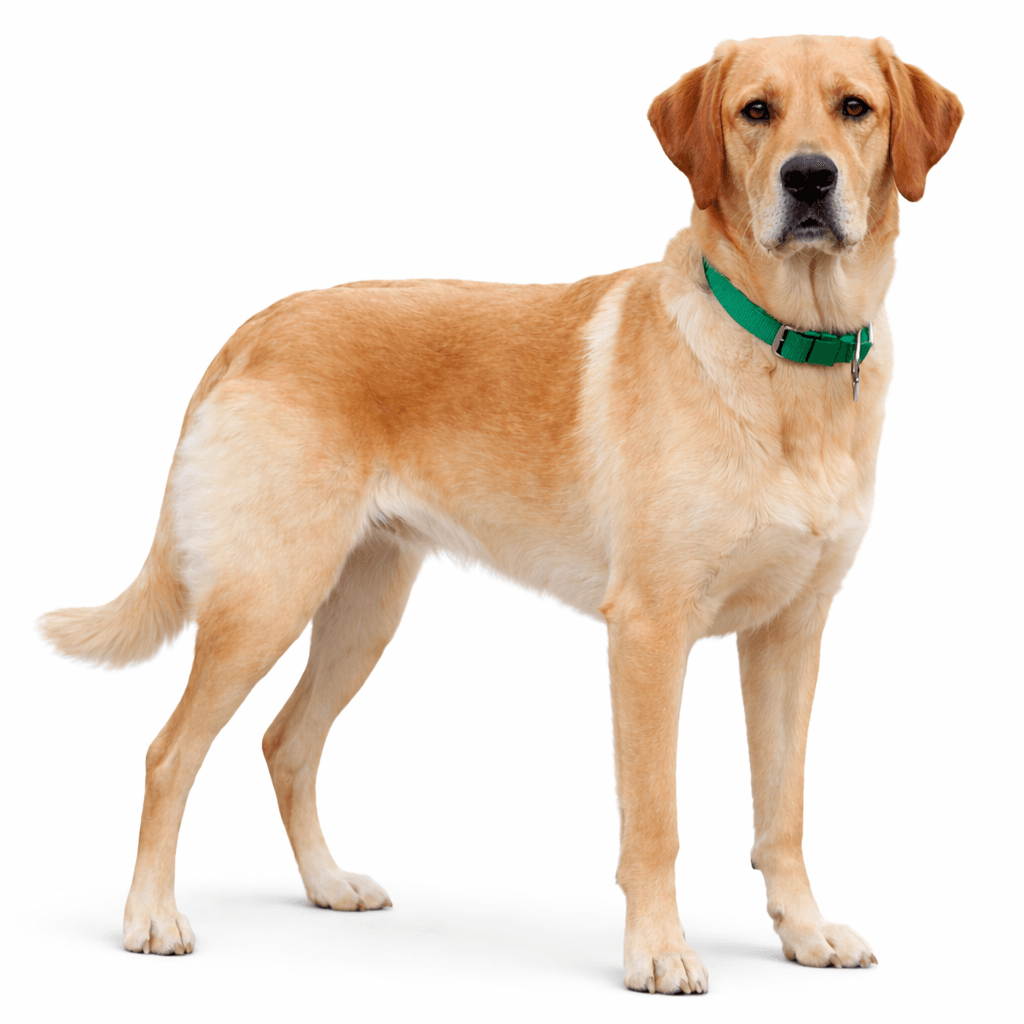
The Goldador is a friendly and intelligent mixed-breed dog created by crossing a Golden Retriever and a Labrador Retriever—two of the most popular family dogs in the world. This hybrid was originally developed for service and assistance work, and many Goldadors also succeed as therapy dogs. They are known for their gentle temperament, strong trainability, and steady focus. Because of these traits, Goldadors often thrive as reliable companions in family homes as well as in support and working roles.
The Goldador is a modern hybrid developed in the early 2000s by crossing the Golden Retriever and the Labrador Retriever. Breeders created this mix to produce a dependable guide and assistance dog. The Golden Retriever was developed in 19th-century Scotland to retrieve game for hunters. They are gentle, patient, and eager to please, and today they often work as search-and-rescue, therapy, and guide dogs while also making excellent family pets.
The Labrador Retriever originated in Newfoundland, Canada, where they helped fishermen retrieve nets and fish. Labs are outgoing, intelligent, and highly trainable, which is why they are widely used in service roles, detection work, field trials, and as loyal companions.
The mix Labrador Golden Retriever combines the intelligence, sensitivity, and steady temperament of both breeds, making them well suited for assistance work and family life. The American Kennel Club (AKC) does not recognize the Goldador as an official breed because it is a crossbreed.
Goldadors are medium- to large-sized, athletic dogs with a sturdy build and a friendly, open expression. Their coats are short to medium in length, dense, and usually straight.
Goldador size
Weight: 55–80 lb (25–36.3 kg)
Height: 21–24 in (53.3–61 cm)
Males are typically slightly larger and heavier than females. The size of Goldadors can vary depending on whether their parents come from working or show lines.
Goldadors come in several coat colors, including black, yellow, chocolate, cream, and different shades of gold. Some resemble a darker Labrador, while others have the rich golden tones of a Golden Retriever. Coat color largely depends on the dominant genetics inherited from the parents.
Several factors influence a Goldador’s adult size. Parent size plays the biggest role, especially if either the Golden Retriever or Labrador Retriever parent is larger. Breeding lines can also affect build – American lines are often leaner and taller, while English lines tend to be stockier. Proper nutrition and balanced exercise during puppyhood also help support healthy growth and final size.
Because Goldadors are a mixed breed, their coat type, shedding level, and overall appearance can vary by generation:
F1 Goldador: Golden Retriever + Labrador Retriever. Puppies typically show a balanced mix of traits from both parents.
F1B Goldador: An F1 Goldador dog + Golden Retriever or a Labrador Retriever, increasing traits from the chosen parent breed.
F2 Goldador: A Goldador + Goldador (F1 × F1). Puppies may show more variation in appearance, coat type, and traits.
Goldadors are energetic, affectionate dogs that form strong bonds with their families. Their friendly nature makes them attentive companions, but their large size means they need enough space to move comfortably.
Goldadors require about 60–90 minutes of daily exercise, along with mental stimulation to prevent boredom and destructive behaviors.
Because they descend from the Golden Retriever and Labrador Retriever, Goldadors are intelligent and highly trainable. They respond best to positive, consistent training, while harsh methods can damage their confidence.
Goldadors generally do well in homes with responsible children or other pets. In the right environment, they become loyal, dependable, and affectionate companions.
The Golden Retriever Lab mix may inherit certain health risks from both parent breeds. Choosing a responsible breeder who health-screens the parent dogs can help reduce the chances of these conditions appearing in puppies.
Bloat (GDV)
Like many large, deep-chested dogs, Golden Lab mix dogs can develop bloat—a sudden and life-threatening twisting of the stomach. Feeding two or three smaller meals per day and avoiding vigorous exercise right after eating may help lower the risk.
Hip and Elbow Dysplasia
These inherited joint conditions occur when the joints do not form properly. Over time, they can cause pain, stiffness, and reduced mobility.
Progressive Retinal Atrophy (PRA)
PRA is a genetic eye disorder that gradually damages the retina. It often begins with night blindness and can eventually lead to vision loss, which is why genetic testing of breeding dogs is important.
Exercise-Induced Collapse (EIC)
Some Golden Lab mix dogs may experience weakness or wobbling after intense activity. Episodes usually improve with rest, but they should always be evaluated by a veterinarian.
Hereditary Nasal Parakeratosis (HNKP)
HNKP affects the nose and can cause dryness, crusting, or rough skin. It is more common in Labrador Retriever lines and is usually manageable with proper care.
Centronuclear Myopathy (CN)
This rare inherited muscle disorder can cause early muscle weakness and poor stamina. Signs often appear in puppyhood and may require supportive veterinary care.
Cardiac Issues
Some Golden Retriever Lab mix dogs may develop inherited heart conditions. Symptoms can include fatigue, coughing, or reduced exercise tolerance, and veterinarians typically manage them with medication and monitoring.
Diabetes
Golden Lab mix dogs can also be prone to diabetes. Common signs include increased thirst, frequent urination, and weight changes. Treatment often involves insulin therapy, diet management, and regular veterinary checkups.
Feed your Lab and Golden Retriever mix dog, a high-quality large-breed dog food that meets standards set by the Association of American Feed Control Officials (AAFCO). Look for a formula labeled “complete and balanced” to ensure it provides all essential nutrients.
Choose a diet suited to the dog’s life stage. Large-breed formulas for Golden Retriever Lab mix puppies support steady growth and protect developing joints, adult diets maintain muscle and energy, and senior formulas help manage weight and support aging joints.
Divide the daily food into two measured meals rather than one large portion, which may help lower the risk of bloat. Avoid vigorous exercise right before or after meals to support healthy digestion.
Most Goldadors eat about 2–3% of their body weight per day, divided into two or three meals. These are general guidelines for an adult Goldador, and portions should be adjusted based on activity level, metabolism, and body condition with guidance from a veterinarian.
Weight range: 55–65 lb (25–29 kg)
Food per meal: 2–2.5 cups
Weight range: 66–75 lb (30–34 kg)
Food per meal: 2.5–3 cups
Weight range: 76–80 lb (35–36 kg)
Food per meal: 3–3.5 cups
For a Lab Golden Retriever mix puppy, choose a high-quality large-breed puppy formula that supports steady growth, brain development, and healthy skin and coat. During early puppyhood, divide the daily food into three consistent meals to support digestion and stable energy levels.
Goldadors can gain weight easily. Extra weight strains the hips and elbows and increases the risk of joint problems, so measure meals and limit high-calorie treats.
Choose diets with omega-3 fatty acids and glucosamine to help reduce inflammation and support cartilage, especially for large, active dogs.
Use a body condition score rather than weight alone. You should be able to feel the ribs easily without them being clearly visible. Adjust portions if needed.
Keep clean water available at all times and refill bowls daily.
Goldador puppies are affectionate, social, and highly intelligent. They are strongly food-motivated, which makes training easier and rewarding. They typically suit active families and often excel in service or working roles. Goldador puppies usually show low aggression but high enthusiasm, greeting people and new experiences with eager energy.
Goldadors can develop unwanted behaviors if they become bored or under-stimulated. They may chew household items, jump on people, or act overly excitable. To prevent this, they need daily mental stimulation along with regular exercise.
Like their parent breeds, Goldadors also have a strong retrieval instinct. They often enjoy carrying toys, sticks, or other objects in their mouths.
Golden Retriever and Labrador mix dogs thrive on active play. They enjoy activities like fetch, swimming, hiking, and steady jogging with their owners, which help burn energy and strengthen their bond with people. Goldadors also do well in canine sports such as agility, obedience, and tracking. At home, enrichment toys and short training sessions can help keep their minds engaged and prevent boredom.
The half Lab half Golden Retriever mix needs simple, consistent skin care. Bathe them every 3–4 weeks using gentle dog shampoo to avoid stripping natural oils. Check the skin regularly for dryness, redness, or irritation, especially after outdoor activity.
Goldadors have dense, water-resistant coats that shed year-round. Brush them 2–3 times per week, and more often during seasonal shedding. A slicker brush or de-shedding tool helps remove loose undercoat and reduce hair around the home.
Check your Goldador’s eyes regularly for redness, cloudiness, or irritation. Gently wipe away discharge with a soft, damp cloth. Contact a veterinarian if you notice persistent redness, squinting, or heavy discharge.
Goldadors have floppy ears that can trap moisture and debris. Clean them regularly to help prevent wax buildup and infections. If they swim often, dry the ears carefully after baths or swimming.
Trim your Goldador’s nails every few weeks. If you hear nails tapping on the floor, they are likely too long.
Brush your Goldador’s teeth 2–3 times per week using dog-safe toothpaste. Regular dental care helps prevent plaque buildup, gum disease, and bad breath.
Living Space: Apartment-friendly with regular walks
Activity Needs: 30–45 minutes daily
Grooming: Daily brushing + grooming every 4–6 weeks
Temperament: Affectionate and people-focused
Best For: First-time owners
Goldadors thrive in active households that enjoy walking, hiking, swimming, or outdoor play. Consistent mental stimulation helps prevent boredom-related behaviors like chewing or excessive excitement. With engaged owners, they grow into loyal, energetic family companions. Goldadors can suit first-time owners because they are intelligent, eager to please, and generally easy to train. However, they require daily exercise, structured training, and regular companionship, and they do not do well when left alone for long periods.
Golden Retriever Lab mix puppies typically cost $1,000–$2,500 from reputable breeders. Ongoing expenses such as food, grooming, veterinary care, training, and supplies should also be considered when planning to own one.
How big does a Goldador get?
Most Labrador Golden Retriever mixes weigh about 55–80 lb (25–36.3 kg) and reach 21–24 in (53.3–61 cm) in height.
Is a Goldador hypoallergenic?
No. Goldadors shed throughout the year and are not considered hypoallergenic, which may affect people with allergies.
How long do Goldadors live?
With proper care and a healthy lifestyle, Goldadors generally live 10–12 years.
How much do Goldadors cost?
Goldador puppies usually cost $1,000–$2,500 from reputable breeders. Prices may vary depending on lineage, breeder reputation, and location.
What is the difference between Goldadors vs. Labradors?
A Goldador is a cross between a Golden Retriever and a Labrador Retriever, while a Labrador Retriever is a purebred dog. Because Goldadors are mixed, their appearance and temperament can vary more than those of Labradors.
Are Goldadors high-maintenance?
Goldadors require a moderate level of care. They need regular exercise, training, and companionship to stay happy and well-adjusted.
Recommended by top vets with decades of experience
21 breeds
64 genetic health markers
50 genetic trait markers
