Is this breed part of your dog’s ancestry?
Discover your dog's connection to this breed and 200+ others

Discover your dog's connection to this breed and 200+ others
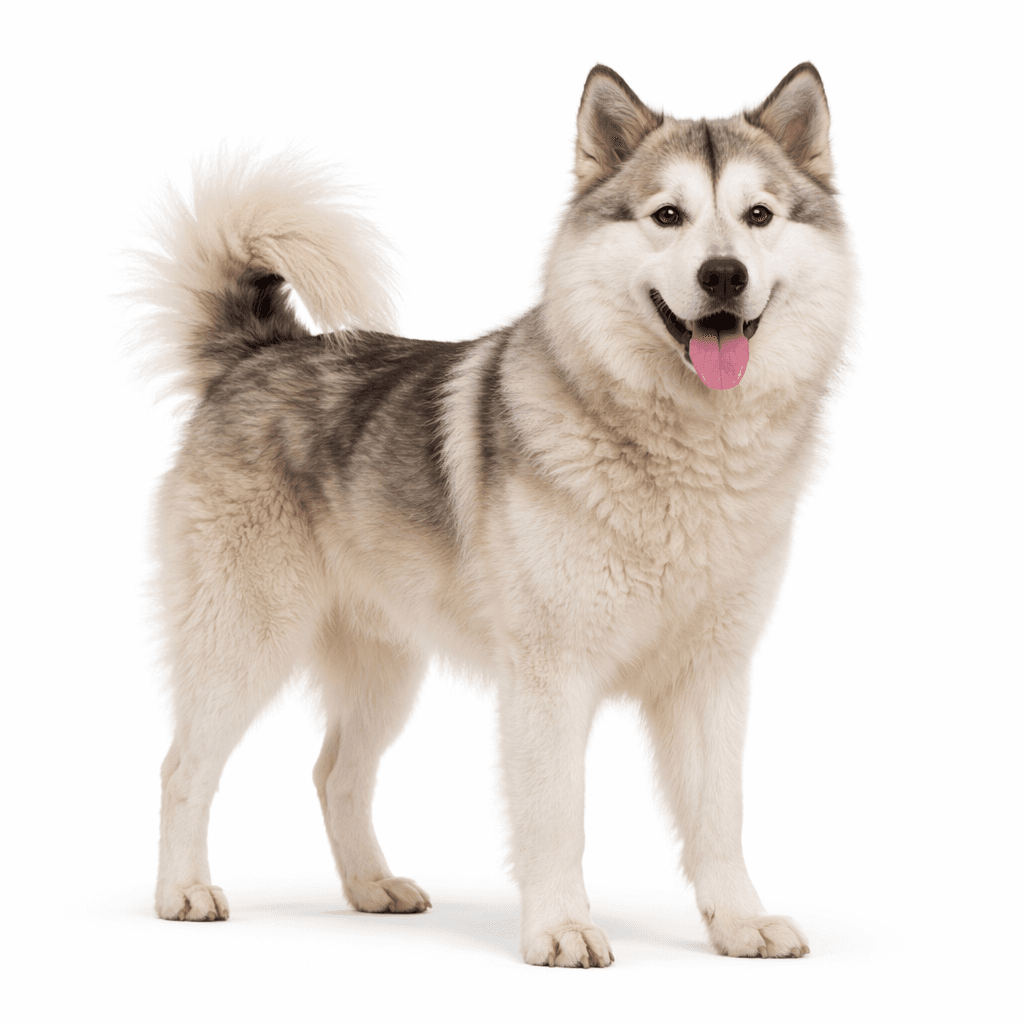
The Greenland Dog is an ancient Arctic breed, originally developed for pulling sleds across icy terrain. Known for their strength, stamina, and independent nature, they are exceptionally well-suited to cold weather and demanding working conditions. This breed thrives with active, experienced owners who can provide regular physical exercise, mental challenges, and consistent guidance.
The Greenland Sled Dog breed traces its origins to the Arctic, where the Paleo-Eskimo and Thule people bred dogs closely related with the Canadian Eskimo Dog for sled work and survival. Over centuries, these dogs remained genetically isolated, preserving their primitive traits and resilience. They may also share ancient ancestry with the now-extinct Taimyr Wolf.
The Greenland Sled Dog is a true purebred, not a mixed breed. While it shares close genetic and historical ties with the Canadian Eskimo Dog, it differs in purpose, build, and temperament. Greenland Dogs are generally larger and more muscular, bred to serve as strong protectors, whereas Canadian Eskimo Dogs are typically more focused on hunting. In terms of temperament, Greenland Dogs tend to be more assertive and stubborn. Bred for endurance, strength, and working closely with humans in harsh Arctic conditions, the Greenland Sled Dog excels at pulling sleds over long distances and thriving in extreme climates.
Although the American Kennel Club (AKC) does not officially recognize this breed, the Greenland Sled Dog is acknowledged by several other kennel clubs worldwide, including the United Kennel Club (UKC).
The Greenland Dog is a large, powerful working dog with a strong, muscular build, deep chest, and sturdy legs designed for endurance. Their thick double coat, erect triangular ears, and curled, bushy tail give them a rugged, wolf-like appearance suited to Arctic life.
Greenland Dog Size
Weighs 55–88 lb (25–40 kg)
Stands 21–27 in (53.3–68.6 cm) tall
Adult size in Greenland Dogs depends on genetics, gender, diet, and daily activity levels. Males are generally larger and more heavily built, while females tend to be slightly lighter and more refined in appearance.
Greenland Dogs have a dense double coat that protects them in extreme cold. The outer coat is thick and coarse, while the undercoat is soft and insulating. Coat colors can vary widely, including white, black, gray, or mixed patterns. Unlike many other breeds, no specific color is preferred under the breed standard, but merle and albino colors are not permitted.
The Greenland Dog needs ample space, structure, and a suitable climate to thrive. They do best in rural homes with large, secure fencing at least 6 feet high, as their strength and independent nature make them prone to wandering. They prefer cold weather and can struggle in heat, so owners in warmer climates must take precautions to keep them comfortable and safe.
Greenland Dogs require an experienced owner who can provide firm, consistent leadership using positive reinforcement. Their independence and strong pack instincts mean they respond best to clear guidance and structure. Regular grooming is also important, particularly during heavy seasonal shedding, as frequent brushing helps manage their thick double coat and keeps it healthy.
Greenland Dogs are generally hardy and resilient, shaped by their working heritage in harsh Arctic conditions. They often hide pain or discomfort, as stoicism is common in working breeds. Regular health screenings and routine veterinary checkups are essential to detect issues early and maintain long-term health.
Hip/Elbow Dysplasia
Hip or elbow dysplasia is a genetic condition that causes loose joints, pain, and arthritis. Signs include stiffness, limping, and difficulty rising. Affected dogs require strict weight management, appropriate exercise, and medication, with surgery in severe cases. Responsible breeding, balanced nutrition, and avoiding rapid growth in puppies can help reduce the risk.
Lens Luxation
Lens luxation occurs when the eye’s lens becomes displaced due to weakened or broken supporting fibers. The lens may move forward or backward, causing severe pain, cloudiness, and rapid glaucoma. This is a medical emergency, and surgery is often needed to prevent blindness. Genetic testing and careful screening of parent dogs before breeding can reduce the risk.
Glaucoma
Glaucoma in Greenland Dogs is often linked to hereditary issues such as lens luxation. It causes increased eye pressure, leading to pain and possible blindness. Early detection through regular eye exams and responsible breeding practices, including testing parent dogs, can help lower the risk.
Gastric Dilation Volvulus (Bloat)
Gastric Dilatation-Volvulus (GDV), or bloat, is a life-threatening condition that can affect Greenland Dogs due to their large, deep-chested build. It involves the stomach twisting and swelling rapidly. Preventive measures include feeding smaller meals, avoiding exercise immediately after eating, and minimizing stress around mealtimes.
Feed your Greenland Dog a high-quality, balanced diet that meets Association of American Feed Control Officials (AAFCO) standards. Adjust portions based on their activity level and workload, providing higher protein and calorie content during periods of heavy work or in colder months. Use life-stage appropriate food, puppy, adult, or senior, to support healthy growth, maintenance, and aging throughout their life.
Adult Greenland Dogs typically need about 2–3% of their body weight per day, divided into two meals. Exact portions depend on activity level, metabolism, and overall body condition.
Weight range: 66–80 lb (30–36 kg)
Food per meal: 3–4 cups
Weight range: 81–90 lb (36–41 kg)
Food per meal: 4–4.5 cups
Weight range: 91–100 lb (41–45 kg)
Food per meal: 4.5–5 cups
Highly active or working Greenland Dogs may require more calorie-dense food or slightly larger portions, especially in cold conditions, while less active dogs may need smaller portions to maintain a healthy weight.
The Greenlandic Sled Dog needs a higher calorie intake during sled season or periods of heavy work.
Limit treats to under 10% of their daily calories to maintain a healthy weight.
Monitor your pet’s weight and body condition regularly, as their needs change with activity levels.
Always provide fresh water, especially after exercise or work.
Consider joint-support nutrients if your veterinarian recommends them for your Greenlandic Sled Dog.
The Greenland Dog temperament can be described as independent, strong-willed, and built for stamina. They are highly vocal and tend to howl rather than bark, particularly when in groups. These dogs are friendly but not protective and have a low guarding instinct. Their strong pack instincts influence their behavior, making them thrive with other dogs while requiring clear, consistent leadership from their owners.
Greenland Dogs have a strong prey drive and may instinctively chase children or smaller animals, so supervision is important. They are prone to roaming, making secure fencing essential. While generally social, they can be territorial with unfamiliar dogs. Without sufficient mental and physical stimulation, they may become destructive, engaging in behaviors such as digging, chewing, or attempting to escape.
Greenland Dogs thrive when given a job, so fun activities often double as work.
Sledding: Pull a sled over snow for exercise and mental stimulation.
Skijoring: Tow you on skis for a fast and exciting workout.
Bikejoring and Canicross: Pull you on a bike or while running in warmer weather to burn energy.
Hiking: Use natural scenting instincts while exploring trails.
Cart Pulling: Safely use their strength even without snow.
Greenland Dogs have cold-adapted skin built for harsh Arctic climates, but you should monitor for dryness or irritation in warmer conditions. Heat and low humidity can strip moisture from their skin, so keep them cool and hydrated.
Weekly brushing helps keep a Greenland Dog’s coat healthy, with heavy daily brushing during seasonal shedding or “coat blow.” Use an undercoat rake to remove loose fur, and a high-velocity dryer can help clear the dense undercoat more effectively.
Check your Greenland Dog’s eyes regularly for redness, cloudiness, or discomfort, as these may indicate conditions like lens luxation or glaucoma.
Inspect and clean your Greenland Dog’s ears regularly to prevent wax buildup and infections.
Trim your dog’s nails frequently, as even active dogs may not wear them down naturally. Long nails can cause discomfort, affect movement, and increase the risk of injury.
Brush your Greenland Dog’s teeth regularly and provide dental chews to prevent plaque buildup, gum disease, and other oral health issues.
Living Space: Not suited for apartment living. They thrive best with a large, securely fenced yard where they can run and play.
Activity Needs: At least 2 hours of daily exercise and mental stimulation.
Grooming: Daily brushing, with more frequent grooming during shedding season.
Temperament: Boisterous, bold, energetic, independent, friendly, and loyal.
Best For: Outdoor enthusiasts and active, experienced dog owners who can provide firm leadership.
The Greenland Dog is not suited for apartments or city living, as they require space and an outdoor lifestyle. They also need strong leadership, clear structure, and consistent handling, making them better suited to experienced owners rather than first-time dog owners. These dogs thrive when given a job or regular work to do, which keeps them mentally and physically fulfilled.
Prospective owners should also consider the financial and ongoing care requirements of a Greenland Dog. These dogs typically cost between $500 and $800 from reputable breeders, and their upkeep includes high-quality dog food, regular veterinary care, grooming, training, and suitable outdoor equipment for exercise or sled work. They benefit from enrichment activities such as long runs, pulling carts, or structured play to stay healthy and happy. Planning for these needs in advance ensures that the dog can thrive in a safe, stimulating environment.
How big does a Greenland Dog get?
The Greenland Dog is a large breed, typically standing about 21–27 inches (53.3–68.6 cm) tall and weighing around 55–88 pounds (25–40 kg), with males usually larger than females.
Is a Greenland Dog hypoallergenic?
No, Greenland Dogs are not hypoallergenic. They shed heavily and can trigger allergies in sensitive individuals.
How long do Greenland Dogs live?
Greenland Dogs typically live about 12–14 years with proper care and a healthy lifestyle.
How much do Greenland Dogs cost?
A Greenland Dog typically costs $500–$800, depending on breeder, pedigree, and availability.
Are Greenland Dogs high maintenance?
Greenland Dogs are moderately to highly demanding. They require substantial exercise, ample space, and consistent training, with increased grooming during shedding seasons.
Recommended by top vets with decades of experience
21 breeds
64 genetic health markers
50 genetic trait markers
