Is this breed part of your dog’s ancestry?
Discover your dog's connection to this breed and 200+ others



Discover your dog's connection to this breed and 200+ others

What is a Labradoodle? The Labradoodle is a friendly, intelligent, and affectionate crossbreed between the Labrador Retriever and the Poodle. Known for its playful personality and low-shedding coat, this breed has become a favorite among families and dog lovers worldwide. Labradoodles combine the Labrador’s loyalty and gentle nature with the Poodle’s intelligence and trainability, making them excellent companions for both active households and first-time dog owners. With their eager-to-please attitude and social temperament, Labradoodles thrive on human interaction, exercise, and mental stimulation. They’re often used as therapy or assistance dogs thanks to their kind and intuitive nature.
What were Labradoodles bred for? The Labradoodle was first bred in 1989 by Wally Conron, a breeder for the Royal Guide Dog Association of Australia. His goal was to create a guide dog suitable for people with dog allergies. To achieve this, he crossed the Labrador Retriever, known for its intelligence and gentle nature, with the Poodle, famous for its low-shedding coat and high trainability.
The result was a dog that combined the best traits of both breeds — friendly, smart, and easier on allergy sufferers. Conron’s experiment was a success: one of the first Labradoodle puppies, named Sultan, became an excellent guide dog for a woman whose husband was allergic to most dogs.
The Labradoodle breeds’ popularity quickly grew during the 1990s and early 2000s, particularly in the United States, as families and dog lovers were drawn to their affectionate temperament and low-shedding coats. This success also inspired the rise of other “Doodle” breeds, such as the Goldendoodle (Golden Retriever + Poodle) and Bernedoodle (Bernese Mountain Dog + Poodle).
Because the Labradoodle is a cross between the Labrador Retriever and the Poodle rather than a standardized purebred, it is not officially recognized by the American Kennel Club (AKC), though it remains one of the most popular companion hybrids worldwide.
Among Labradoodle facts, one of the most notable is that although no dog is truly hypoallergenic, their low-shedding coats make them a popular choice for people with mild allergies. Thanks to their Poodle heritage, they typically shed very little, which helps reduce the spread of dander in the home. The degree of “allergy-friendliness” can vary depending on the dog’s coat type and generation — for example, F1B Labradoodles (bred back to a Poodle) tend to have curlier, low-shedding coats that produce fewer allergens.
Disclaimer: The term "hypoallergenic" refers to dog breeds that are less likely to trigger allergic reactions, not breeds that are completely allergy-free. These dogs may shed less, have hair instead of fur, or produce lower levels of dander—all factors that can reduce, but not eliminate, allergic responses in sensitive individuals.
Labradoodle dogs come in three main sizes, depending on the type of Poodle used in breeding:
Miniature Labradoodle
Weighs 15–25 lb (7–11 kg)
Stands 16–18 in (40–45.7 cm) tall
Medium Labradoodle
Weighs 30–45 lb (13.6–20.5 kg)
Stands 19–21 in (48–53 cm) tall
Standard Labradoodle
Weighs 50–75 lb (23–34 kg)
Stands 22–24 in (56–61 cm) tall
Overall, Labradoodles have an athletic, well-balanced build, showing traits from both parent breeds.
Labradoodles also have three main coat types:
Hair coat: Straighter and more similar to a Labrador’s coat; tends to shed more.
Fleece coat: Soft, wavy, and often low-shedding — the most popular type.
Wool coat: Dense and curly like a Poodle’s, usually the most allergy-friendly.
They come in a wide range of colors, including cream, apricot, red, black, and chocolate, and can also display parti (two-tone) or phantom (darker base with lighter markings) patterns.
The Labradoodle’s generation can also affect its appearance and coat type:
F1 Labradoodle: A first-generation cross between a Labrador and a Poodle; coat type and shedding can vary widely.
F1B Labradoodle: A Poodle Labradoodle bred back to a Poodle or a Labrador; often has a curlier, more predictable coat.
F2 Labradoodle: Bred from two Labradoodles; features tend to be more consistent across the litter.
Overall, Labradoodles are known for their adorable, teddy bear-like appearance, with expressive eyes and a warm, friendly look that matches their personality.
Labradoodles thrive on human companionship and don’t enjoy being left alone for long periods. Without enough attention or stimulation, some may develop separation anxiety, so it’s important to include them in daily activities and provide consistent interaction.
These dogs have a moderate to high energy level and need around 1–2 hours of exercise each day. Regular walks, playtime, and mentally stimulating activities — such as training sessions, puzzle toys, or scent games — help keep them happy and well-behaved.
Smaller Labradoodle varieties can adapt to apartment living, provided they get enough daily exercise, while medium and standard Labradoodles typically thrive in homes with a yard or more open space.
Labradoodles are also great family dogs. They usually get along well with children and other pets, especially when properly socialized from an early age. Their friendly, affectionate nature makes them eager to please and a joy to have as part of the family.
Like all breeds, Labradoodles can be prone to certain health conditions — many of which are inherited from their Labrador Retriever and Poodle parent lines. Choosing a responsible breeder is key to reducing the risk of genetic diseases. Always ask breeders for proof of health testing, including screening for Progressive Retinal Atrophy (PRA), hip dysplasia (through OFA or PennHIP), and heart conditions.
Below are some of the most common health issues seen in Labradoodles:
Hip and Elbow Dysplasia
A condition where the hip or elbow joints don’t fit properly in their sockets. This can cause pain, stiffness, or an unusual “bunny-hopping” gait. It’s relatively common in both Poodles and Labradors.
Cruciate Ligament Injuries
Active medium- to large-sized Labradoodles may injure the knee ligaments, leading to lameness. Treatment may include physical therapy or surgery.
Eye Diseases (PRA, Cataracts, Glaucoma)
These conditions can cause vision loss or blindness over time. Regular veterinary eye exams are important to detect early signs and manage progression.
Addison’s Disease
A hormonal disorder where the adrenal glands fail to produce enough cortisol and aldosterone. Symptoms may include weakness, vomiting, or lethargy, but it can be managed with lifelong medication once diagnosed.
Atopy and Skin Allergies
Labradoodles often have sensitive skin and may experience itchiness, redness, or hair loss due to allergies. Vets can recommend medicated shampoos, diet changes, or allergy treatments to help manage symptoms.
Gastric Dilatation-Volvulus (Bloat)
A serious emergency condition where the stomach fills with gas and twists on itself, cutting off blood flow. It’s more common in larger Labradoodles. Symptoms include a swollen abdomen, restlessness, or unproductive retching — immediate veterinary care is essential.
Heart Disease
Some Labradoodles are prone to conditions like mitral valve degeneration or arrhythmias. Regular heart check-ups are recommended, especially for older dogs.
Ear Infections
Due to their floppy ears and hair growth inside the ear canal, Labradoodles are susceptible to ear infections. Check their ears weekly for redness, odor, or discharge, and keep them clean and dry after swimming or bathing.
Labradoodles can sometimes have sensitive stomachs and allergies similar to Poodles, so it’s important to feed them a balanced, high-quality diet that meets the Association of American Feed Control Officials (AAFCO) nutritional standards. Choose a formula suitable for your dog’s age, size, and activity level — such as puppy, adult, or senior food. Look for options that list real meat as the first ingredient and avoid foods with excessive fillers, artificial additives, or low-quality byproducts.
Because some Labradoodles tend to eat quickly, using a slow feeder bowl or puzzle feeder can help prevent bloat and improve digestion.
The amount you feed your Labradoodle depends on their age, weight, metabolism, and activity level. A Labradoodle puppy will require more frequent, calorie-dense meals to support growth and maintain steady blood sugar levels. Full-grown Labradoodles usually thrive on two meals per day, while seniors may need fewer calories to prevent weight gain — your veterinarian can help tailor a plan for your dog’s specific needs.
Weight range: Up to 20 lb (9 kg)
Food per meal: 0.75–1.25 cups
Weight range: 21–40 lb (9–18 kg)
Food per meal: 1.25–1.75 cups
Weight range: 41–60 lb (18–27 kg)
Food per meal: 1.75–2.25 cups
Weight range: 61–80 lb (27–36 kg)
Food per meal: 2.25–2.75 cups
These amounts are general guidelines — always adjust based on your Labradoodle’s activity level and body condition.
Provide high-quality proteins to support muscle health and energy.
Include omega-3 fatty acids (from fish oil or flaxseed) for a shiny coat and healthy skin.
Alternate between dry and wet foods to support dental health and hydration.
Introduce new foods gradually to avoid stomach upset.
Only add vitamin or mineral supplements if recommended by your veterinarian.
Watch for signs of food sensitivities — some Labradoodles inherit allergies similar to Poodles, including sensitivities to grains, chicken, or certain additives.
Labradoodles are known for being friendly, social, outgoing, and affectionate. They are excellent with children and other pets, especially when socialized from a young age. Their intelligence and intuition make them well-suited for therapy and service work, and they often respond quickly to cues and commands.
This breed is sensitive to tone and emotion, so positive reinforcement works best. Harsh corrections or punishment can cause fear or stress, which hinders learning. Are Labradoodles good dogs? With the right attention, guidance, and affection, Labradoodles make wonderful family pets.
Labradoodles crave companionship and can develop separation anxiety if left alone for long periods. While they are not typically excessive barkers, they may become vocal when excited or seeking attention.
Crate training can be an effective way to:
Provide a safe and secure space
Establish boundaries
Help prevent destructive behavior
Are Labradoodles easy to train? Well, boredom can lead to mischief, so keeping them mentally and physically engaged is essential. Labradoodles are often food-motivated, which makes training easier when paired with treats and rewards.
Labradoodles are highly intelligent dogs that thrive when given mental stimulation, consistent training, and emotional support. They love activities that challenge both their body and mind. Popular games and exercises include:
Fetch and frisbee
Hiking and running
Agility and obedience training
Hide-and-seek or scent games
They also enjoy water-based activities, such as swimming or dock diving, which are great for exercise and cooling off in warmer months. Regular play and interactive activities help keep a Labradoodle happy, healthy, and well-behaved.
Although Labradoodles are often described as low-shedding, they are not low-maintenance dogs. Their grooming needs vary depending on coat type, with curlier coats generally requiring more attention to prevent mats and tangles. Regular grooming keeps your Labradoodle comfortable, healthy, and looking their best.
Labradoodles have sensitive skin, so bathe them only as needed, typically every 4–8 weeks. Always use a mild dog shampoo — never human products. After outdoor activities, check for dryness, redness, or flaking, which can indicate irritation or allergies.
Brush your Labradoodle 2–3 times per week, or daily during shedding or mat-prone seasons. Focus on friction zones such as behind the ears, under the legs, and around the tail base. Professional grooming every 6–8 weeks, including a trim, helps maintain comfort, hygiene, and coat health.
Check your Labradoodle’s ears weekly for odor, redness, or moisture. Clean them after swimming or bathing with a vet-recommended ear cleaner, but avoid inserting cotton swabs deeply into the ear canal. Floppy ears make Labradoodles prone to ear infections, so consistent care is essential.
Do a weekly check for odor, redness, or moisture in the ear. Clean the ears after swimming or bathing using a vet-recommended ear cleaner. Avoid inserting swabs deeply into the air. As adorable as Labradoodle's floppy ears are, they are predisposed to ear infections.
Trim nails when they touch the floor or start clicking while walking. Regular trimming supports proper posture and prevents discomfort. Introducing puppies to nail trims early helps reduce stress for both dog and owner over time.
Living Space: Works best in a house with a yard; can adapt to apartments with enough exercise.
Activity Needs: 60–90 minutes of daily walks and play.
Grooming: Brush several times a week; professional grooming every 6–8 weeks.
Temperament: Friendly, intelligent, and social.
Best For: Active families and committed owners.
If you’re considering adding a Labradoodle to your family, there are several important factors to keep in mind. Labradoodles thrive on companionship and interaction, so they do not do well when left alone for long periods. They are best suited for families, active retirees, or households where they can participate in therapy or assistance work, as their social and affectionate nature makes them excellent companions.
Although Labradoodles are low-shedding, they require regular brushing, professional grooming, and consistent coat care to stay healthy and comfortable. Prospective owners should also consider the financial commitment, as Labradoodle puppies typically range from $1,000 to $4,000, with additional ongoing expenses for food, grooming, veterinary care, and pet insurance. With proper care, Labradoodles generally live 12–15 years, and some may even reach 16 years or longer, providing long-term companionship and joy for their families.
How big does a Labradoodle get?
Mini Labradoodles are 15–25 lb (7–11 kg) and 16–18 in (40–45.7 cm) tall, the mediums are 30–45 lb (13.6–20.5 kg) and 19–21 in (48–53 cm) tall, and the standards are 50–75 lb (23–34 kg) or more and 22–24 in (56–61 cm) tall or above.
Is a Labradoodle hypoallergenic?
There is no such thing as a truly hypoallergenic dog, but Labradoodles are low-shedding.
How long do Labradoodles live?
12-15 years, but some can live to 16 years or beyond.
How much do Labradoodles cost?
Puppies can cost $1000-4000, but that doesn't account for vet fees, pet insurance, food, enrichment, or grooming.
What is the difference between Labradoodles vs. Goldendoodles?
Labradoodles are a Labrador Retriever mixed with a Poodle; a Goldendoodle is a Golden Retriever mixed with a Poodle.
Are Labradoodles high maintenance?
Yes, they have high grooming needs and do not deal well with being left alone.
Do Labradoodles shed?
They can shed, but are less likely to if they have a curly coat.
Recommended by top vets with decades of experience
21 breeds
64 genetic health markers
50 genetic trait markers

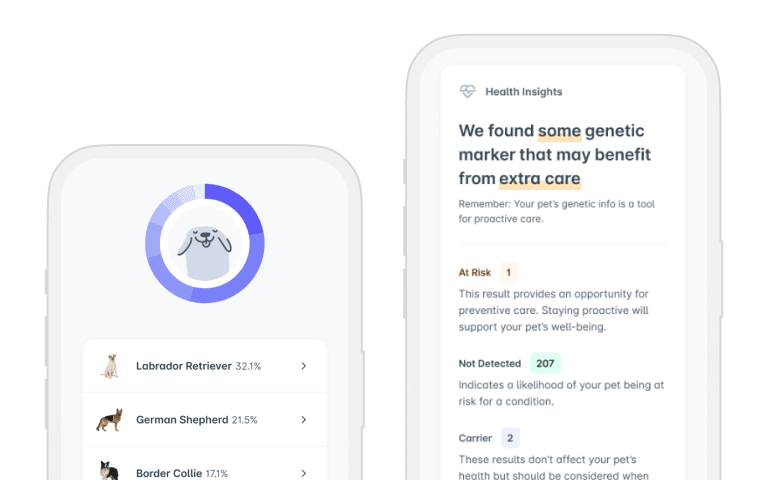
Enter your email to receive a sample dog report and preview the breed and health insights inside.