Is this breed part of your dog’s ancestry?
Discover your dog's connection to this breed and 200+ others

Discover your dog's connection to this breed and 200+ others
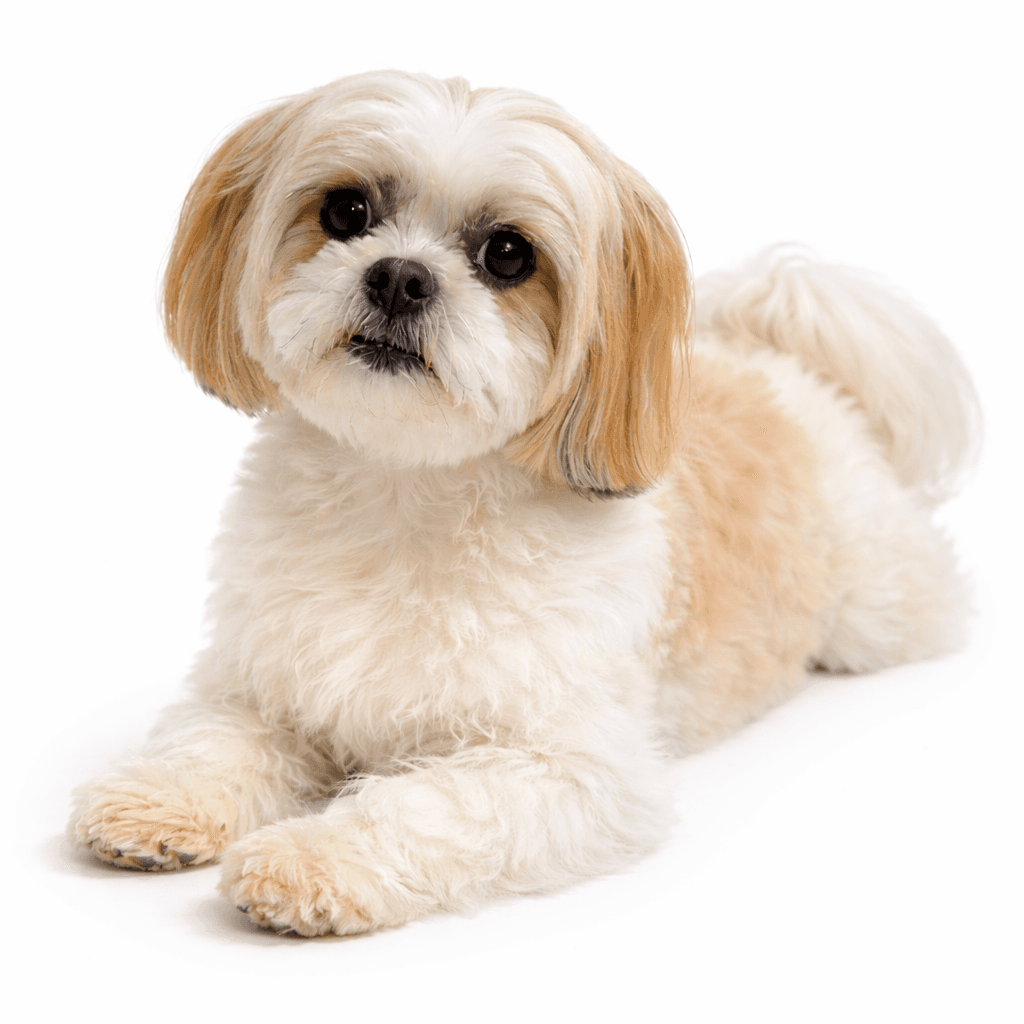
What is a Malshi dog? The Malshi is a small designer dog breed created by crossing a Maltese with a Shih Tzu. This hybrid combines the Maltese’s gentle temperament with the Shih Tzu’s affectionate and people-oriented personality, making them a popular companion dog. Malshis belong to the toy-sized group and are known for their friendly, adaptable nature. They form strong bonds with their families and enjoy spending most of their time close to their people, whether relaxing beside them or following them around the home. Their compact size and loving temperament make them well suited for apartments and smaller living spaces.
The Maltese Shih Tzu mix, commonly called a Malshi, is a designer dog created by crossing a Maltese with a Shih Tzu. The cross emerged in the United States in the 1990s, when breeders aimed to develop a devoted companion dog with a friendly temperament and strong family appeal.
Both parent breeds have ancient histories. The Maltese originated on the island of Malta and was long associated with European nobility, while the Shih Tzu developed in China, where they were cherished in imperial courts and Buddhist monasteries as companion dogs.
Because the Malshi is a hybrid cross, it is not recognized as a purebred by the American Kennel Club (AKC). Malshis are often described as low-shedding or hypoallergenic, which may make them easier for some people with allergies to tolerate.
Disclaimer: The term "hypoallergenic" refers to dog breeds that are less likely to trigger allergic reactions, not breeds that are completely allergy-free. These dogs may shed less, have hair instead of fur, or produce lower levels of dander—all factors that can reduce, but not eliminate, allergic responses in sensitive individuals.
As a designer dog created by crossing a Maltese with a Shih Tzu, the Malshi does not have official size standards. Their appearance and size can vary depending on which parent breed’s traits are more dominant.
Malshi Size
Weights: typically 6–12 lb (2.7–5.4 kg)
Stands: about 10–12 in (25.4–30.5 cm) tall
Final size often depends on genetics and the size of the parent dogs. If one parent is smaller or larger within its breed standard, it may influence the puppy’s eventual height and weight. Breeding lines and overall care can also affect growth and development.
The Maltese Shih Tzu dog typically has a long, silky coat that feels soft and flowing. The texture may be straight like the Maltese coat or slightly wavy like the Shih Tzu’s. Because of its length and softness, the coat can easily tangle or mat without regular brushing and grooming.
Malshis come in a wide range of coat colors thanks to their mixed heritage. Common shades include white, gold, brown or chocolate, black, and blue, along with bicolor combinations such as white and gold or black and white. Many dogs show softly blended markings rather than sharp color contrasts.
Because the Maltese Shih Tzu is a hybrid cross, breeders often describe dogs by generation:
F1 Malshi: Maltese × Shih Tzu, a first-generation cross that usually shows a balanced mix of traits from both parent breeds.
F1B Malshi: An F1 Malshi bred back to either a Maltese or a Shih Tzu. This type of breeding is often used to emphasize certain characteristics, such as coat texture or size.
F2 Malshi: Malshi × Malshi crosses (second generation). Because both parents are already mixed, these dogs may show greater variation in size, coat texture, color, and temperament.
Since the Maltese Shih Tzu is a mix, traits such as coat type, color, and final size can vary noticeably—even among puppies from the same litter.
Living with a Malshi means sharing life with a companion-focused dog that loves close contact and may struggle when left alone for long periods. Their small size and moderate energy level make them well suited to apartments and smaller homes.
Malshis benefit from early socialization and consistent, positive reinforcement training. They are intelligent and eager to please, though they may occasionally show a stubborn streak. Patient, reward-based training usually works best.
Regular grooming is essential. Malshis typically need daily brushing to prevent tangles in their long, silky coat, along with professional grooming every 4–6 weeks. Routine care should also include dental hygiene, nail trimming, and occasional ear cleaning.
Patellar luxation occurs when the kneecap slips out of its normal position. Signs may include occasional limping, skipping steps, or briefly holding up a hind leg. Mild cases can sometimes be managed with weight control and monitoring, while more severe cases may require veterinary treatment or surgery.
Hip dysplasia is a joint condition in which the hip socket does not form properly, leading to joint looseness and gradual wear. Affected Malshis may show stiffness, difficulty rising, reduced activity, or a bunny-hopping gait when moving.
Dental Disease
Dental problems are common in small breeds like the Malshi. Signs may include bad breath, gum inflammation, and tooth loss if left untreated. Daily tooth brushing and regular veterinary dental cleanings can help prevent plaque buildup and support long-term oral health.
Eye Issues (PRA, Cataracts)
Malshis may be prone to inherited eye conditions such as Progressive Retinal Atrophy (PRA) and cataracts. These conditions can gradually affect vision. Possible signs include cloudy eyes, difficulty seeing at night, or bumping into objects.
Respiratory Issues (Brachycephalic Traits)
Because of the Shih Tzu influence, some Malshis may inherit shorter snouts that can lead to mild breathing difficulties. This may cause snoring, noisy breathing, or sensitivity to heat and heavy exercise. Keeping the dog at a healthy weight and avoiding overheating can help reduce strain on their breathing.
When deciding what to feed a full grown Maltese Shih Tzu, choose a high-quality small-breed dog food that meets the nutritional standards set by the Association of American Feed Control Officials (AAFCO). These standards help ensure the food provides complete and balanced nutrition for a dog’s life stage.
Because Malshis are toy-sized dogs with fast metabolisms, they do best on nutrient-dense food that provides protein, healthy fats, vitamins, and minerals in small portions. Malshi adults generally need a balanced diet with about 22% protein, moderate carbohydrates, around 10% fat, and adequate fiber for digestion. Malshi puppies should remain on a nutrient-rich small-breed puppy formula and be fed several small meals daily to help maintain steady energy levels and reduce the risk of hypoglycemia.
Fresh, clean water should always be available, as proper hydration supports digestion, metabolism, and overall health.
Most Mal-shi dogs typically eat about 2–3% of their body weight per day, split into meals.
Weight range: 6–8 lb (2.7–3.6 kg)
Food per meal: 0.25–0.5 cup
Weight range: 9–10 lb (4–4.5 kg)
Food per meal: 0.5–0.75 cup
Weight range: 11–12 lb (5–5.4 kg)
Food per meal: 0.75–1 cup
These are general guidelines, so portions should be adjusted based on the dog’s activity level, metabolism, and body condition, ideally with guidance from a veterinarian.
Malshis are prone to dental disease because of their small mouths, so daily tooth brushing and dental chews should be part of their routine.
Measure food portions carefully and adjust amounts based on the dog’s size, age, and activity level.
Limit treats to no more than 10% of daily calories, and choose small, low-calorie options when training.
You should be able to feel (but not see) the ribs, and the dog should have a visible waist when viewed from above.
This hybrid combines the gentle charm of the Maltese with the friendly, outgoing nature of the Shih Tzu. Malshis are usually playful, affectionate, and adaptable companions. They often do well with seniors who have limited mobility and with families that have older, responsible children.
Although they are generally sociable, Malshis can become clingy if left alone too often. Their intelligence and desire to please usually make them responsive to training, especially when positive reinforcement methods are used.
Malshis often form strong bonds with their families, which can make them prone to separation anxiety if left alone for long periods. They may bark to alert their owners and can be cautious around strangers at first. Early, positive socialization helps build confidence and can reduce excessive barking. Despite their alert nature, this breed is not considered aggressive.
Malshis benefit from short daily walks to stay physically active and mentally stimulated. Indoor play, such as gentle fetch or tug games, can also help burn energy and strengthen the bond with their owner. Puzzle toys are useful for keeping their intelligent minds engaged and reducing boredom. Short obedience training sessions can provide additional mental stimulation and reinforce good behavior.
Prevent matting, as tangled hair can trap moisture and irritate the skin. Daily brushing helps keep the coat smooth and allows you to check for redness, dryness, or hot spots. Bathe your Malshi about every 3–4 weeks, or as needed, to keep them clean without stripping the skin’s natural oils.
Brush your Malshi daily to prevent tangles and mats. Professional grooming every 4–8 weeks helps maintain coat health and shape. Many owners choose shorter styles, such as the teddy bear cut, to make grooming easier. Even though Malshis shed less than many breeds, they still require regular coat care.
Check the eyes regularly for tear staining and gently clean the area to prevent buildup. Keep the hair around the eyes trimmed to reduce irritation and improve visibility. Contact a veterinarian if you notice cloudiness, redness, discharge, or signs of discomfort.
Malshis often have floppy ears that can trap moisture and increase the risk of infection. Inspect their ears regularly for redness, odor, or unusual discharge. Ask a veterinarian how often to clean them and which ear-cleaning solution is appropriate.
Trim nails regularly, usually every few weeks, depending on growth. Keeping nails short helps prevent discomfort and supports proper movement. Overgrown nails may split, snag, or affect the dog’s gait.
Dental care is important for Malshis because small breeds are prone to plaque buildup and gum disease. Daily tooth brushing, dental chews, and regular veterinary dental checkups help keep their teeth and gums healthy.
Living Space: Apartment-friendly; benefits from regular walks
Activity Needs: About 30–45 minutes of activity per day
Grooming: Daily brushing and professional grooming every 4–6 weeks
Temperament: Affectionate and people-focused; may develop separation anxiety
Best For: First-time owners, seniors, families with older, responsible children, and people who spend most of their time at home
Prospective Malshi dog breed owners should know that this breed thrives on companionship and daily interaction. Malshis are not well suited to homes where they would be left alone for long hours, as they can develop separation anxiety. They usually do best with retirees, remote workers, or families who can provide regular attention and gentle training.
Malshi puppies typically cost $1,200–$2,500 USD, depending on the breeder, location, and health testing of the parent dogs. Adoption through shelters or rescue organizations is often more affordable. Owners should also be prepared for ongoing costs such as grooming every 4–6 weeks, quality food, and routine veterinary care.
How big does a Malshi get?
A Malshi full grown dog typically stands about 8–12 inches (20.3–30.5 cm) tall and weighs 6–12 pounds (2.7–5.4 kg).
Is a Malshi hypoallergenic?
Malshis are often described as low-shedding and may be easier for some allergy sufferers to tolerate. However, no dog is truly hypoallergenic, and reactions can vary from person to person.
How long do Malshis live?
The typical Malshi lifespan is 12–15 years, especially when they receive proper care, regular veterinary checkups, and a balanced diet.
How much do Malshis cost?
Malshi puppies usually cost $1,200–$2,500 USD, depending on factors such as breeder reputation, location, and health testing. Adoption through a rescue or shelter is often less expensive.
What is the difference between Malshis vs. Shi Tsu?
A Malshi is a hybrid created by crossing a Maltese with a Shih Tzu, while the Shih Tzu is a recognized purebred dog with established breed standards.
Are Malshis high maintenance?
Malshis are considered moderately high-maintenance because of their daily grooming needs and their strong preference for companionship and attention.
https://www.aafco.org/consumers/understanding-pet-food/ingredient-standards/
https://vcahospitals.com/pediatric/puppy/health-wellness/puppy-tear-stains
https://vcahospitals.com/know-your-pet/luxating-patella-in-dogs
https://www.petmd.com/dog/conditions/musculoskeletal/hip-dysplasia-dogs
https://vcahospitals.com/pediatric/puppy/health-wellness/puppy-tear-stains
Recommended by top vets with decades of experience
21 breeds
64 genetic health markers
50 genetic trait markers
