Is this breed part of your dog’s ancestry?
Discover your dog's connection to this breed and 200+ others

Discover your dog's connection to this breed and 200+ others

What is a Puggle dog? A Pug Beagle mix. The Puggle is a small but sturdy designer dog known for their friendly personality and lively spirit. They are typically affectionate, playful, and loyal, often forming strong bonds with their family. Thanks to their curious Beagle side and cuddly Pug nature, Puggles tend to enjoy both active playtime and relaxing close to their people, which makes them a popular companion for many households.
A Puggle is a hybrid dog created by crossing a Pug with a Beagle. The Puggle dog breed was first intentionally developed in the 1980s in Wisconsin. The goal was to combine the Beagle’s intelligence and curiosity with the affectionate temperament of the Pug while attempting to reduce the respiratory issues often associated with Pugs. Because it is a mixed breed, its appearance, size, and temperament can vary depending on which parent breed’s traits are more dominant.
Because they are a mixed breed, Puggle traits and Puggle characteristics can still vary widely from one dog to another, depending on which parent breed’s genes are more dominant.
The breed became especially popular in the early 2000s and quickly gained attention as one of the most recognizable designer dogs. The Puggle dog breed is not recognized by the AKC or other major kennel clubs, but they can be registered with hybrid registries such as the American Canine Hybrid Club (ACHC) and the International Designer Canine Registry (IDCR).
As a designer dog created by crossing a Pug with a Beagle, the Puggle dog does not have official size classifications. Adult size and appearance can vary depending on which parent breed’s traits are more dominant.
Typical Puggle
Weighs about 15–30 lb (6.8–13.6 kg)
Stands roughly 13–15 in (33–38 cm) tall
These differences are largely influenced by the size of the parent dogs used in breeding. Genetics, nutrition, and activity level may also affect the dog’s final weight and overall body condition.
Typically, Puggle dog coats are short, smooth, and double-layered, which means they are relatively easy to maintain with regular brushing. Common coat colors include fawn, tan, red, black, and lemon, sometimes combined with darker markings such as a black mask around the muzzle or eyes. Their appearance usually combines Beagle features like floppy ears and expressive eyes with the Pug’s compact build and slightly wrinkled face.
Their traits may also vary depending on generation:
F1 Puggle: Pug × Beagle. This first-generation cross often shows a balanced mix of traits from both parent breeds.
F1B Puggle: Puggle × Pug or Beagle. This backcross may emphasize characteristics of the parent breed used in the cross.
F2 Puggle: Puggle × Puggle. These second-generation dogs may show greater variation in size, coat type, and facial features.
Because the Puggle dog is a mixed breed, characteristics such as size, coat type, and overall appearance can vary from one dog to another—even within the same litter.
Puggles are friendly, social dogs with a playful, sometimes clownish personality. They enjoy being around people and often form strong bonds with their families. While they are moderately active and enjoy playtime or walks, they also love cuddling, which makes them a good fit for many households.
Training can require patience. Their Beagle nose and Pug stubborn streak may make recall and focus more challenging at times. However, with consistent reward-based training, proper mental stimulation, and controlled food motivation, Puggles can learn well and stay engaged. Regular activity and enrichment also help prevent boredom-related behaviors such as excessive barking and can support a healthy weight.
Puggles can inherit certain health conditions from their parent breeds. Responsible breeding, maintaining a healthy weight, regular veterinary checkups, and good dental care can help reduce many risks. The average lifespan of a Puggle is 10–15 years, though some may live longer with proper care.
Hip Dysplasia
A condition where the hip joint does not fit properly in the socket, which can lead to pain, stiffness, and limping. Screening programs such as OFA or PennHIP are often used by breeders to assess hip health.
This occurs when the kneecap slips out of place, potentially causing lameness, hopping, or changes in gait. Mild cases may require monitoring, while more severe cases can need veterinary treatment.
Respiratory Issues (Mild Brachycephaly)
Because Puggles inherit traits from the Pug, some may have mild breathing issues caused by narrow nostrils or excess soft tissue. Signs can include snoring, noisy breathing, or reduced tolerance for exercise or heat.
Pug Dog Encephalitis (PDE) / Necrotizing Meningoencephalitis (NME)
A serious neurological disease seen primarily in Pugs. While Puggles have a lower risk than purebred Pugs, genetic factors can still play a role. Symptoms may include seizures, behavioral changes, or vision problems.
Musladin-Lueke Syndrome (MLS)
A genetic disorder found mainly in Beagles that affects connective tissue. In rare cases, Beagle Pug mix may inherit it. Signs include stiff movement, thickened skin, and unusual facial features.
Eye Problems (Cherry Eye, PRA, Proptosis)
Puggles may develop eye conditions such as cherry eye, progressive retinal atrophy (PRA), or eye injuries. Signs to watch for include redness, swelling, cloudiness, or vision changes.
A hormonal disorder that can cause lethargy, weight gain, and skin or coat problems. It is usually manageable with lifelong medication prescribed by a veterinarian.
Dental Problems
Small dogs like Puggles may be prone to dental disease. Regular tooth brushing, dental chews, and routine veterinary cleanings can help prevent gum disease and tooth loss.
This immune-related condition is a common cause of hypothyroidism in dogs. It occurs when the immune system attacks the thyroid gland, leading to reduced hormone production and symptoms such as fatigue, weight gain, and skin changes.
Puggles do best with a consistent feeding routine. Providing meals at the same times each day with measured portions helps maintain a healthy weight. Puzzle feeders or slow-feeder bowls can also slow down eating and prevent overeating.
Because full-grown Puggles can be prone to obesity, they benefit from a balanced, portion-controlled diet. Adult Puggles typically do well with two meals per day, while Puggle puppies usually need three smaller meals throughout the day to support steady energy and stable blood sugar levels.
Calorie needs vary based on factors such as age, activity level, size, and overall health, so it’s important to consult a veterinarian for exact feeding amounts. Their diet should consist of AAFCO-approved dog food formulated for small to medium breeds. Free-feeding is generally not recommended, but dividing meals into smaller portions can help if a dog tends to eat too quickly.
The amount a Puggle should eat depends on their weight, activity level, metabolism, and the calorie density of their food. Individual needs can vary, so treats and training rewards should be included in the daily total to avoid overfeeding. Adult Puggles are typically fed two meals per day.
Weight range: 15–19 lb (6.8–8.6 kg)
Food per meal: about 0.5–0.75 cup
Weight range: 20–24 lb (9–10.9 kg)
Food per meal: about 0.75–0.9 cup
Weight range: 25–30 lb (11.3–13.6 kg)
Food per meal: about 0.9–1.25 cups
More active Puggles may require slightly more food, while less active dogs may need smaller portions to maintain a healthy weight. Always adjust portions based on age, body condition, and veterinary guidance.
A Puggle’s diet should include lean protein and healthy fats to support muscle health and energy.
Avoid foods with excessive fillers or high fat, which can contribute to weight gain.
Omega-3 fatty acids can support skin, coat, and joint health.
Some Puggles may benefit from joint supplements, as the breed can be prone to dysplasia.
Portion control is important to help prevent obesity.
Offer healthy snacks such as carrot pieces or apple slices (without seeds) as occasional low-calorie treats.
The Puggle temperament is social, affectionate, and often well-suited to families with children or other pets, especially when they are properly socialized early in life. They enjoy being around people and usually form strong bonds with their family.
Are Puggles smart? As a Pug mixed with Beagle, they are intelligent but can also be quite stubborn. Because of this, they benefit from patient, consistent training. Positive reinforcement methods—such as treats, toys, or praise—tend to work best.
Early training and regular mental stimulation help prevent unwanted behaviors. Without enough activity or attention, Puggles may develop habits such as barking, chewing, or digging out of boredom or stress.
Puggles are fun-loving, loyal, expressive, and often a bit comedic. Some may take after the Beagle side and be more curious and vocal, while others may resemble the Pug side and be calmer and more cuddly. Regardless of which traits are stronger, Puggles are typically family-oriented dogs that enjoy attention and companionship.
Games like fetch, scent-tracking, or hide-and-seek with toys can be great activities for a Puggle. Short walks or light hikes can also provide both exercise and mental stimulation.
They usually prefer short bursts of play followed by rest or cuddle time. Because some Puggles may have mild breathing limitations inherited from the Pug side, high-intensity exercise and long runs are not recommended. Moderate, regular activity is typically the best approach.
Although grooming needs are fairly low, Puggles still benefit from a consistent routine to stay healthy and comfortable.
If a Puggle has facial wrinkles, clean them daily with a damp cloth or pet-safe wipe to prevent irritation or infection. Always dry the folds thoroughly afterward, especially after bathing.
Brush the coat once a week to remove loose hair and help control shedding. Bathe them about once a month or as needed using a gentle dog shampoo to protect the skin’s natural oils.
Check the eyes regularly for redness, discharge, or cloudiness. If you notice any unusual signs, contact a veterinarian promptly.
Their floppy ears can trap moisture, which may lead to infections. Clean the ears weekly and avoid letting water enter the ear canal during baths.
Trim nails every few weeks to prevent discomfort and posture problems. Some active dogs may naturally wear their nails down, but they should still be checked regularly.
Living Space: The Puggles dog breed is compact and adaptable, which means they can live comfortably in apartments or smaller homes if they receive enough daily attention and activity.
Activity Needs: Their exercise needs are moderate. Most Puggles benefit from daily walks, short play sessions, and mental enrichment to keep them engaged and prevent boredom.
Grooming: Grooming needs are moderate. Puggles shed regularly and usually require weekly brushing, basic coat care, and wrinkle cleaning if facial folds are present.
Temperament: Affectionate, social, and playful; they often form strong bonds with their family but may show a stubborn streak and can be vocal at times.
Best For: Owners or families who can provide daily interaction, consistent training, and moderate exercise.
Are Puggles good dogs? For many households, the answer is yes. The Puggles dog breed is known for being friendly, loyal, and entertaining, which makes them a good companion for families or individuals who enjoy an affectionate and playful dog.
Because Puggles can become bored when left alone for long periods, they may bark or develop unwanted behaviors if their mental and social needs are not met. With proper attention, training, and care, they can thrive in both city and suburban homes.
How big does a Puggle get?
Most Puggles grow to about 13–15 inches (33–38 cm) tall and weigh 15–30 pounds (6.8–13.6 kg).
Is a Puggle hypoallergenic?
No. Puggles are not hypoallergenic, and they do shed, although their short coat is generally easy to maintain.
How long do Puggles live?
The Puggle life expectancy is usually 10–15 years. In some cases, the Puggle lifespan may be longer depending on genetics, overall health, diet, and lifestyle.
How much do Puggles cost?
A Puggle puppy typically costs $800–$3,000, depending on the breeder and their breeding practices. This price usually does not include ongoing costs such as veterinary care, insurance, food, grooming, or enrichment.
Are Puggles high maintenance?
Puggles are generally low-maintenance, but they still need regular brushing, daily walks, and consistent training to stay healthy and avoid boredom-related behaviors.
https://ofa.org/diseases/hip-dysplasia/hip-screening-procedures/
https://www.aafco.org/consumers/understanding-pet-food/ingredient-standards/
https://vcahospitals.com/know-your-pet/luxating-patella-in-dogs
https://todaysveterinarypractice.com/ophthalmology/ocular-proptosis/
https://vcahospitals.com/know-your-pet/hypothyroidism-in-dogs
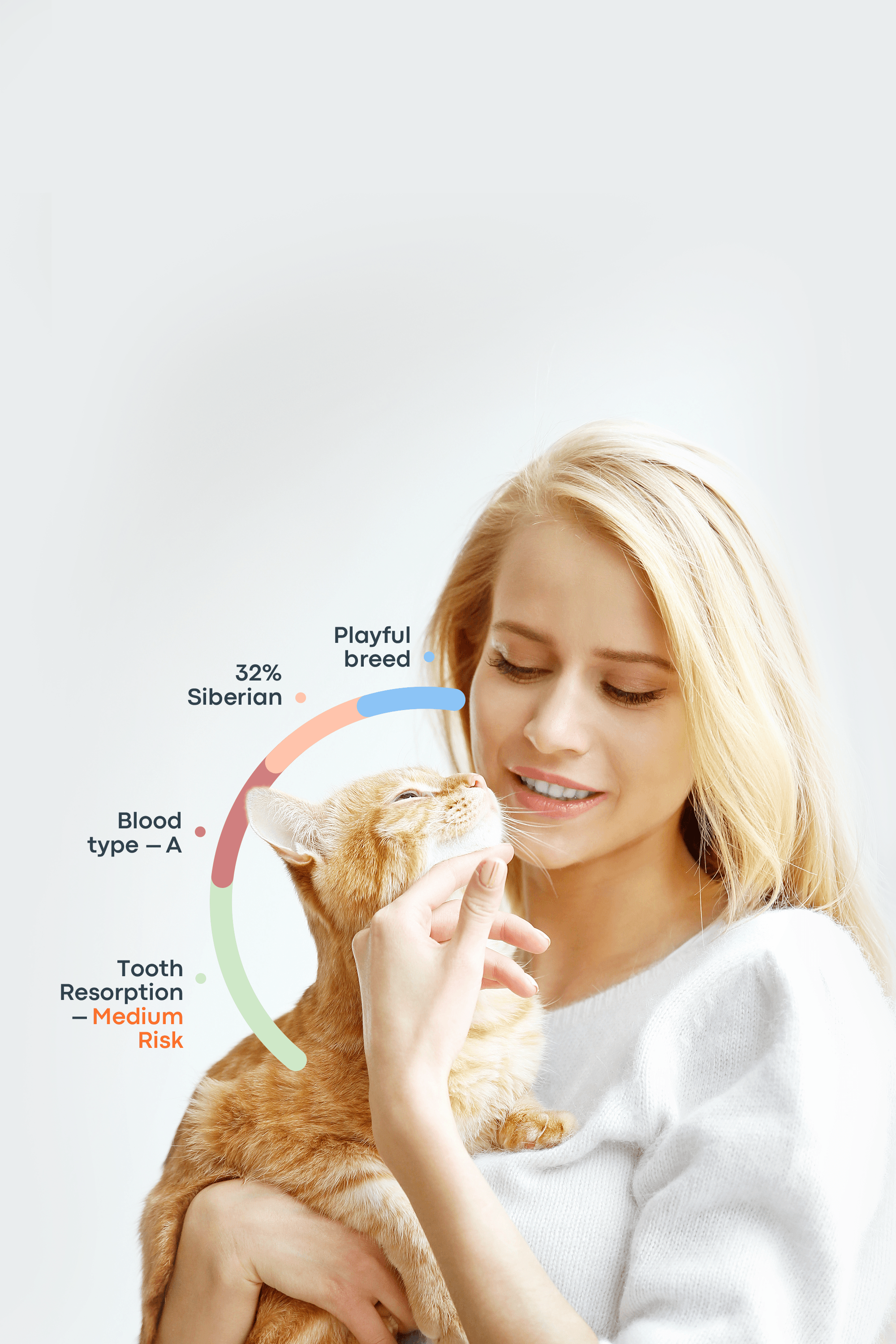
Recommended by top vets with decades of experience
21 breeds
64 genetic health markers
50 genetic trait markers
