Is this breed part of your dog’s ancestry?
Discover your dog's connection to this breed and 200+ others

Discover your dog's connection to this breed and 200+ others
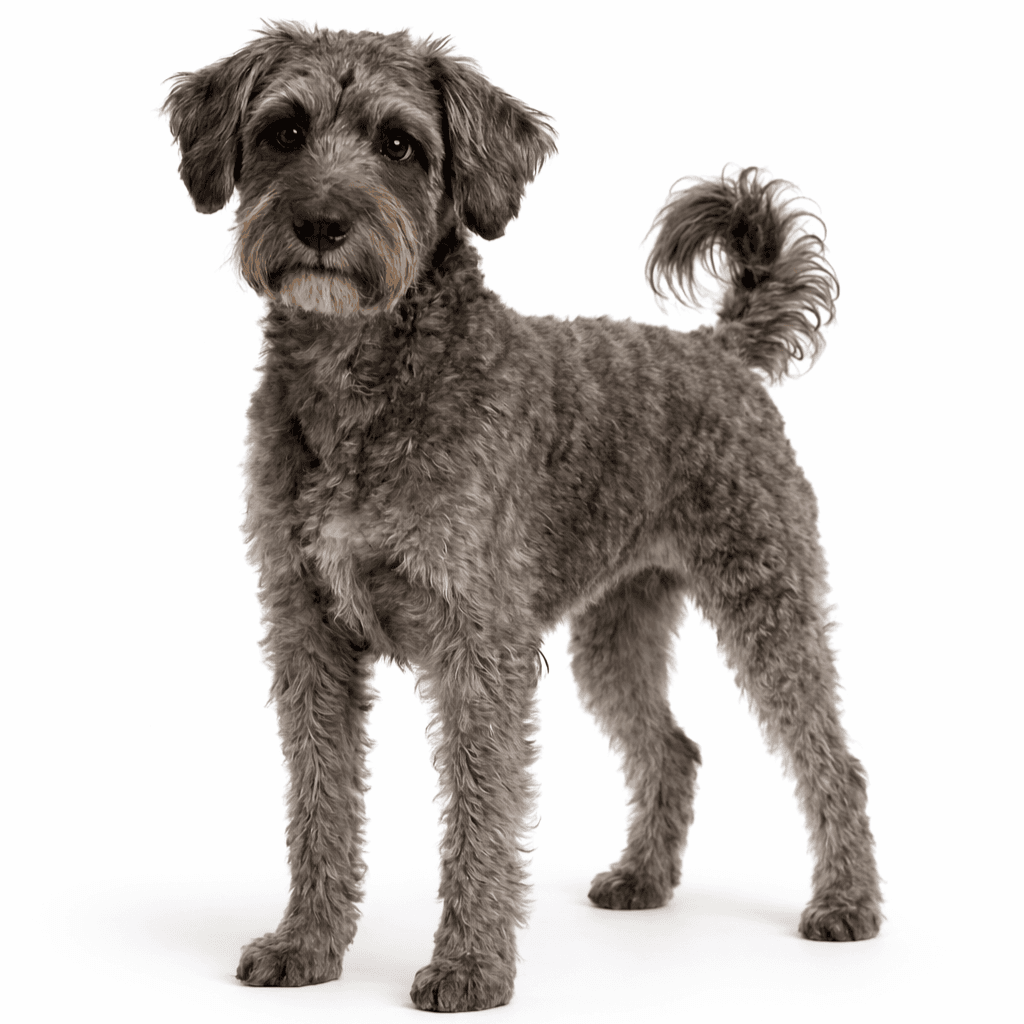
What is a Schnoodle? A Schnoodle is a Schnauzer Poodle mix known for being intelligent, affectionate, and typically low-shedding. Because the breed combines different Schnauzer and Poodle sizes, Schnoodles can range from Toy to Giant. The Schnoodle personality is playful, loyal, and people-oriented. They usually adapt well to family life and are often considered a good option for allergy-conscious pet parents due to their lower shedding coats.
The Schnoodle breed is a combination of Schnauzer and Poodle. Both parent breeds originated in Germany. Schnauzers were historically used as farm dogs for guarding and pest control, while Poodles were bred as skilled water retrievers and later became popular companion dogs. The Schnauzer and Poodle mix is known for their intelligence and strong scenting ability. In England, some people even nickname them “Truffle Dogs” because their scenting skills resemble those of the Lagotto Romagnolo.
The Poodle Schnauzer mix first appeared in the 1980s, when designer dogs began gaining popularity. Breeders aimed to create a low-shedding, intelligent, and family-friendly companion. Because they are a hybrid, they are not recognized by the American Kennel Club (AKC), but they are recognized by the International Designer Canine Registry (IDCR) and the American Canine Hybrid Club (ACHC).
Many owners consider the Poodle Schnauzer mix relatively allergy-friendly because both parent breeds are low-shedding. However, coat type varies between individuals. According to the AKC, dogs labeled “hypoallergenic” may still produce allergens through dander, saliva, and skin oils.
Disclaimer: “Hypoallergenic” refers to dog breeds that are less likely to trigger allergic reactions, not breeds that are completely allergy-free. These dogs may shed less, have hair instead of fur, or produce lower levels of dander, which may reduce—but not eliminate—reactions in sensitive individuals.
As a designer dog created by crossing a Schnauzer with a Poodle, the Schnoodle does not have official size classifications. The adult Schnoodle size can vary depending on which parent breed’s traits are more dominant.
Toy Schnoodle
Weighs about 7–15 lb (3–6.8 kg)
Stands roughly 10–12 in (25.4–30.5 cm) tall
Miniature Schnoodle
Weighs about 15–30 lb (6.8–13.6 kg)
Stands roughly 12–15 in (30.5–38 cm) tall
Standard Schnoodle
Weighs about 30–50 lb (13.6–22.6 kg)
Stands roughly 15–20 in (38–50.8 cm) tall
Giant Schnoodle
Weighs about 50–85+ lb (22.6–38.5+ kg)
Stands roughly 20–28 in (50.8–71 cm) tall
These size differences often depend on the size of the Schnauzer and Poodle used in breeding. Like many small dogs, Toy and Miniature Schnoodles may live longer, sometimes reaching around 15–16 years with proper care.
Typically, Schnoodle coat textures range from curly to wavy or slightly wiry. Many Schnoodles shed very little but still require regular brushing to prevent tangles and mats. Coat colors commonly include black, gray, silver, brown, cream, and apricot, sometimes in mixed or partial patterns. Their expressive eyebrows, bearded muzzle, and soft ears often give them a youthful, “forever puppy” appearance.
Their traits may also vary depending on generation:
F1 Schnoodle: Schnauzer × French Poodle. This first-generation cross often shows a balanced mix of traits from both parent breeds.
F1B Schnoodle: Schnoodle × Poodle or Schnauzer. This backcross may emphasize characteristics of the parent breed used in the cross, such as curlier coats or reduced shedding.
F2 Schnoodle: Schnoodle × Schnoodle. These second-generation dogs may show greater variation in size, coat type, and appearance.
Because the Schnoodle is a mixed dog, characteristics such as size, coat type, and appearance can vary from one dog to another—even among littermates.
Schnoodles are lively, affectionate dogs that enjoy spending time with their people. Their energy level varies by size, but all benefit from regular exercise, play, and mental stimulation. Because they are intelligent and quick learners, trick training and interactive games work well. However, they can sometimes be stubborn, so early training with obedience and socialization helps guide their energy and curiosity.
The Schnoodle dog typically needs regular grooming, including brushing and occasional professional trimming. Grooming frequency depends on their coat type. It is also important to regularly check and clean their eyes, ears, and facial hair to keep them comfortable and healthy.
Schnoodles can be prone to several health issues, many of which are also seen in their parent breeds. Responsible breeding, regular veterinary care, and early screening can help reduce risks and support long-term health.
Hip and Elbow Dysplasia
Hip and elbow dysplasia are joint conditions in which the joint does not develop properly. This can lead to pain, stiffness, limping, or reduced mobility over time. Veterinarians and breeders often use screening tools such as OFA or PennHIP evaluations to identify dogs at risk.
Patellar luxation occurs when the kneecap slips out of its normal position. Dogs may show signs such as limping, skipping while walking, or sudden changes in gait. Mild cases may require monitoring, while more severe cases may need surgery.
This hip disorder affects the blood supply to the head of the femur, causing the bone to deteriorate. It is most often seen in young dogs between 4 and 12 months old. Symptoms may include limping, stiffness, and pain in the hind leg. A surgical procedure called femoral head ostectomy (FHO) is commonly used to treat severe cases.
Diabetes
Diabetes can occur in Schnoodle Mini, particularly in smaller individuals. Signs may include excessive thirst, frequent urination, increased appetite, and weight loss. Treatment usually involves insulin therapy, diet management, and regular veterinary monitoring.
Progressive Retinal Atrophy (PRA)
Progressive Retinal Atrophy is a group of inherited eye diseases that gradually damage the retina and can eventually lead to vision loss. The condition is painless but progressive. Veterinary ophthalmologists can perform screenings to help detect it early.
Epilepsy
Epilepsy is a neurological condition that causes recurring seizures. While it can be alarming for owners, many dogs live full lives with proper management. Veterinarians often prescribe medication to help control seizure activity.
Von Willebrand’s disease is an inherited bleeding disorder caused by a deficiency of a clotting protein. Affected dogs may bleed more easily after injury or surgery. DNA tests are available, and management focuses on careful monitoring and veterinary care.
Addison’s disease is a hormonal disorder involving insufficient production of adrenal hormones. Symptoms can include lethargy, vomiting, weakness, and weight loss. In severe cases, an Addisonian crisis is a medical emergency that requires immediate veterinary treatment.
Cataracts
Cataracts cause cloudiness in the eye lens and can gradually affect vision. In some cases, veterinary ophthalmologists can treat cataracts surgically. Pet owners should consult a veterinarian if they notice eye cloudiness, redness, or vision changes.
Gastric Dilatation-Volvulus (Bloat)
Gastric Dilatation-Volvulus (GDV), commonly called bloat, is a life-threatening emergency in which the stomach fills with gas and may twist. Signs include dry heaving, abdominal swelling, drooling, restlessness, pale gums, and weakness. Larger dogs, including Giant Schnoodles, may be at higher risk and require immediate veterinary care if symptoms appear.
Ear Infections
The Schnoodle dog breed may be prone to ear infections, partly because hair can grow inside the ear canals and trap moisture. Signs include a foul odor, redness, scratching, or discharge. Regular ear cleaning and routine veterinary checks can help prevent infections.
Adult Schnoodles typically eat two meals per day, while a Schnoodle puppy usually needs three to four smaller meals daily to help maintain stable energy levels and blood sugar. Schnoodles need a high-quality AAFCO-approved food source with a balance of protein, fats, and complex carbs.
Schnoodles benefit from scheduled, portion-controlled feeding to support a healthy weight. For larger individuals, using a slow feeder bowl can help slow eating and may reduce the risk of digestive issues such as bloat. Always provide fresh water and choose a balanced diet appropriate for the dog’s age, size, and activity level.
The amount a Schnoodle should eat depends on their weight, activity level, metabolism, and the calorie density of their food. In general, dogs need about 30 calories per pound (66 kcal/kg) of body weight per day, though individual needs may vary. Treats should be included in the daily total to avoid overfeeding.
Weight range: 5–15 lb (2.3–6.8 kg)
Food per meal: about 0.25–0.6 cup
Weight range: 16–35 lb (7.3–15.8 kg)
Food per meal: about 0.6–1.1 cups
Weight range: 36–75 lb (16.3–34 kg)
Food per meal: about 1.1–1.75 cups
Weight range: 76+ lb (34.5 kg+)
Food per meal: about 1.75–2.25 cups
More active Schnoodles may require slightly more food, while less active dogs may need smaller portions to maintain a healthy weight. Always adjust portions based on age, body condition, and veterinary guidance.
A Schnoodle’s diet should match their age, size, and activity level to support healthy growth and energy needs.
Some dogs may benefit from joint supplements (such as glucosamine or chondroitin) if diagnosed with dysplasia or arthritis, under veterinary guidance.
Avoid overfeeding food or treats, as maintaining a lean body condition helps protect joints and overall health.
Affection, loyalty and intelligence are the main Schnoodle characteristics.
Mini Schnoodles are typically playful, social, and adaptable, making them well-suited for family life and smaller homes.
Giant Schnoodles tend to be stronger, more protective, and often benefit from guidance from experienced owners.
Regardless of size, Schnoodles may sometimes show a stubborn streak and can develop watchdog barking habits if not properly trained and socialized early.
Schnoodles are highly social dogs that enjoy being around people. Because of this strong attachment, they may develop separation anxiety or reactivity if they are not properly socialized and gradually taught to be comfortable alone.
Early socialization and introduction to other household pets is important. Due to their Schnauzer heritage, Schnoodles may have a noticeable prey drive, so living with small animals such as rats, mice, or hamsters may not be ideal.
Their genetics often combine the best traits of both parent breeds. The Schnauzer side tends to bring curiosity, alertness, and watchdog instincts, while the Poodle side often contributes strong intelligence and eagerness to learn.
Schnoodles often excel in agility, obedience, and trick training thanks to the intelligence of the Poodle and the alert, energetic nature of the Schnauzer. They enjoy learning new tasks and performing tricks.
Common activities Schnoodles enjoy include:
Agility and obedience training
Trick training and interactive games
Fetch and tug-of-war
Swimming
Nose work and scent games
Puzzle toys and scent-based activities are especially helpful because they provide the mental stimulation these intelligent dogs need.
Schnoodles usually need a bath about every 4–6 weeks. Watch for signs of dry or irritated skin, and use a gentle, hypoallergenic dog shampoo to help protect their sensitive skin.
Although Schnoodles are often low-shedding, their coats require regular grooming. Most dogs need professional trimming every 4–8 weeks.
Curly coats: Require the most maintenance. Brush daily with a slicker or pin brush to prevent mats. These coats usually shed the least but need frequent trims.
Wavy coats: Need moderate maintenance, with brushing 2–3 times per week to prevent tangles.
Wiry coats: May shed slightly more but are often easier to maintain. Brush at least once per week to remove loose hair and debris.
Regardless of coat type, the beard and mustache area should be cleaned regularly, especially after meals.
Gently clean tear stains with vet-approved wipes. Watch for warning signs such as redness, cloudiness, or discharge. Keeping the fur around the eyes trimmed short helps prevent irritation or scratches to the eye.
Schnoodle ears are typically floppy, which can trap moisture. Combined with naturally hairy ear canals, this may increase the risk of infections. Clean and dry the ears after baths or swimming, and consult a veterinarian if you notice redness, discharge, or a strong odor.
Trim their nails every 2–3 weeks. During nail trims, check the paw pads for dirt, debris, or small injuries.
Living Space: Schnoodles are adaptable because they come in a wide range of sizes. Smaller Schnoodles can live comfortably in apartments, while larger ones usually do better in homes with more space.
Activity Needs: Their exercise needs are moderate to high, depending on size. Most Schnoodles benefit from daily walks, playtime, and mental stimulation.
Grooming: Their coat requires regular brushing at home and professional grooming every few weeks to prevent tangles and mats.
Temperament: Loving, intelligent, and people-oriented; they may develop strong bonds with their family and can sometimes show a stubborn streak.
Best For: Owners who are ready for regular grooming, daily activity, and the long-term commitment of a dog that may live up to about 16 years.
Schnoodles are well suited for families, single owners, or retirees who have the time and energy to spend with their dog. They enjoy companionship and often prefer being close to their people.
Because Schnoodles can struggle with long periods of being alone, they may bark or chew out of boredom if their social and mental needs are not met.
Smaller Schnoodles can adapt well to apartment or city living, while larger Schnoodles typically do best in homes with more space, such as a house with a yard.
How big does a Schnoodle get?
It depends on the variety. Toy Schnoodles may weigh under 7 lb (3 kg) and 10 inches (25.4 cm), while Large or Giant Schnoodles can weigh over 85 lb (38.5 kg) and get over 28 inches (71 cm) tall.
Is a Schnoodle hypoallergenic?
No dog is completely hypoallergenic, but Schnoodles are often low-shedding, which may make them more suitable for some allergy-sensitive owners.
How long do Schnoodles live?
The typical Schnoodle life expectancy is about 10–15 years, though smaller Schnoodles may live up to around 16 years with good care.
How much do Schnoodles cost?
A Schnauzer Poodle puppy may cost $500–$2,500 depending on breeder reputation, location, and lineage. This price does not include expenses such as veterinary care, food, grooming, and insurance.
What is the difference between Schnoodles vs. Whoodles?
Schnoodles are a Schnauzer–Poodle cross, while a Whoodle is a cross between a Poodle and a Soft-Coated Wheaten Terrier.
Are Schnoodles high maintenance?
They can be considered high maintenance in grooming, as their coats typically require frequent brushing and regular professional trimming.
https://ofa.org/diseases/hip-dysplasia/hip-screening-procedures/
https://vcahospitals.com/know-your-pet/luxating-patella-in-dogs
https://vcahospitals.com/know-your-pet/addisons-disease-in-dogs-overview
https://www.pdsa.org.uk/pet-help-and-advice/pet-health-hub/conditions/legg-perthes-in-dogs
https://www.aafco.org/consumers/understanding-pet-food/ingredient-standards/
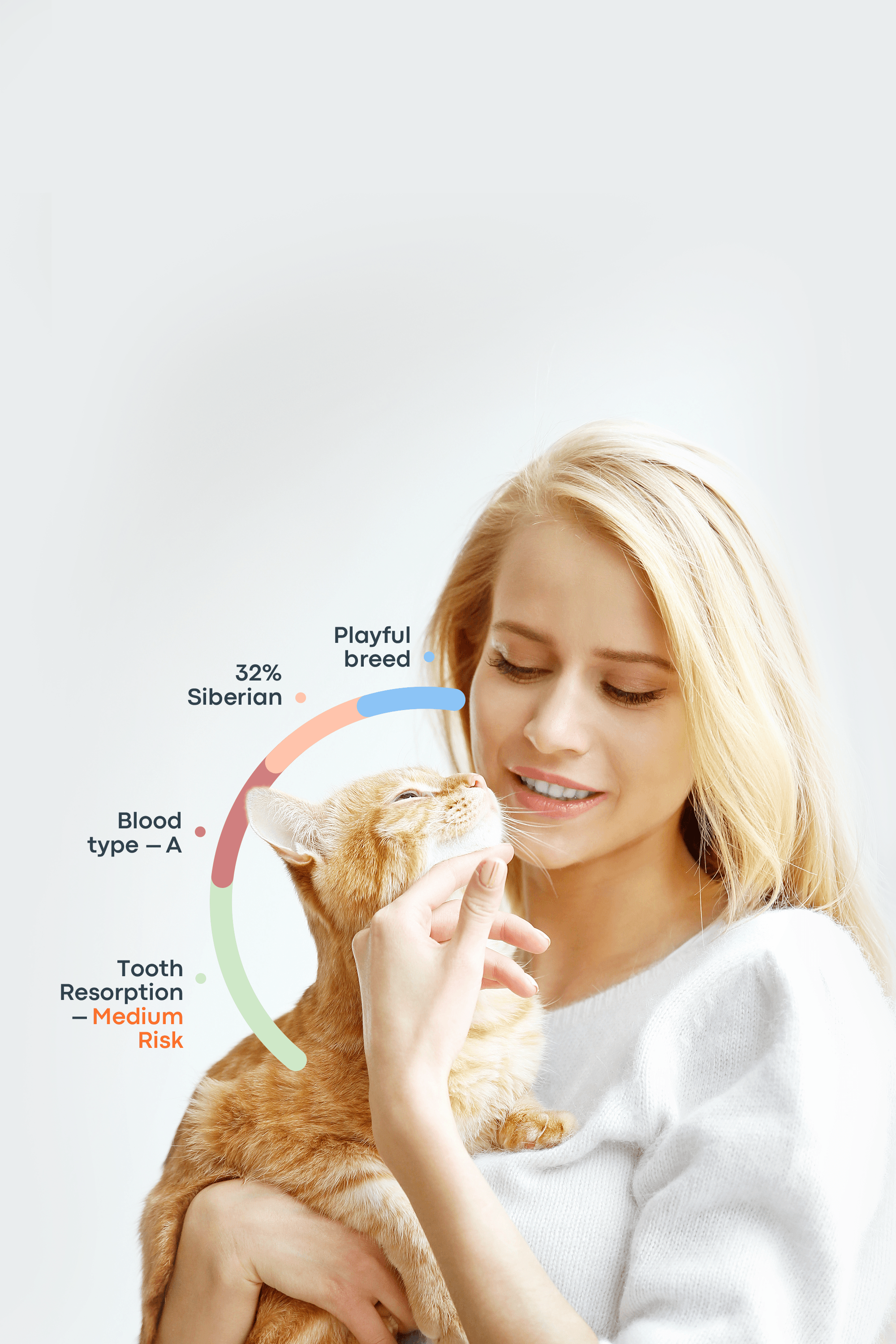
Recommended by top vets with decades of experience
21 breeds
64 genetic health markers
50 genetic trait markers
